
1. Inleiding: Waarom bedreigingsopsporing en -reaksie saak maak
Moderne toepassings staar 'n konstante golf van risiko's in die gesig, van kwaadwillige kode in oopbronpakkette om in die gedrang te kom CI/CD pipelines. Daarom belê organisasies nou in oplossings vir bedreigingsopsporing en -reaksie ontwerp om risiko's op te vang voordat hulle versprei.
Die meeste hiervan is egter afhanklik van generiese bedreigingsopsporing- en reaksie-instrumente gebou vir infrastruktuur, eindpunte of netwerke. Hulle bied selde die intydse bedreigingopsporing ontwikkelaars benodig die kode en pipeline vlak.
Dit is waar modern dreigementopsporing en -reaksie neem 'n ander rol in: identifiseer risiko's onmiddellik en remedieer dit binne die ontwikkelaar se werkvloei, sonder om aflewering te vertraag.
2. Wat is bedreigingsopsporing en -reaksie?
In eenvoudige terme, bedreigingsopsporing en -reaksie (TDR) is die proses om verdagte aktiwiteit op te spoor en onmiddellike stappe te doen om dit te beperk of te remedieer.
- Detection → Identifisering van afwykings, kwaadwillige kode of tekens van aanval.
- reaksie → Tree vinnig op om die probleem op te los, toegang te herroep of die gekompromitteerde proses te stop.
Tradisionele gereedskap fokus steeds hoofsaaklik op eindpunte. Nuwer oplossings dek nou pipelines en kode ook. Vir ontwikkelaars kom die werklike waarde van intydse opsporing wat binne loop pull requests en CI/CD, wat sekuriteit deel maak van daaglikse werkvloei.
Vir 'n wyd aanvaarde verwysingsmodel oor hoe bedreigings opgespoor en gemitigeer word, sien die MITER ATT&CK, wat werklike teenstandertaktieke karteer vir effektiewe bedreigingsopsporing en -reaksie.

3. Die opkoms van bedreigingsopsporing in reële tyd
Bedreigings beweeg vandag vinnig. Aanvallers outomatiseer alles van afhanklikheidsvergiftiging tot pipeline peuter. Daarom, intydse bedreigingopsporing is nie meer opsioneel nie, dis 'n moet vir effektiewe dreigementopsporing en -reaksie.
Byvoorbeeld:
- A uitgelek geheim kan binne minute geoes en misbruik word.
- A kwaadwillige afhanklikheid kan tydens jou volgende bouwerk uitvoer.
- 'n Gemanipuleerde CI-werkvloei kan kode sonder kontroles na produksie ontplooi.
Gevolglik bepaal die verskil tussen opsporing intyds en laat reageer of jou besigheid veilig bly of 'n oortreding ondervind. Moderne oplossings vir bedreigingsopsporing en -reaksie fokus nou op spoed en outomatiese remediëring, terwyl tradisionele gereedskap steeds te veel op waarskuwings alleen staatmaak.
4. Bedreigingsopsporing en -reaksie-instrumente: Die landskap
'N Wye verskeidenheid van bedreigingsopsporing- en reaksie-instrumente bestaan vandag. Meeste fokus op infrastruktuur, eindpunte of netwerke. Baie min is egter ontwerp met die ontwikkelaar in gedagte.
Tradisionele oplossings bied tipies sigbaarheid in:
- Wanware-aktiwiteit in eindpunte
- Netwerkindringings en afwykings
- verdagte logins of laterale beweging
Dit is noodsaaklik, maar hulle mis wat binne die sagteware-voorsieningsketting gebeur, waar moderne aanvalle dikwels begin. Daarom eis organisasies nou intydse bedreigingsopsporing tesame met outomatiese remediëring, wat beskerming direk in ... bring. pipelines en kode, in plaas van slegs by die omtrek.
5. Waarom opsporing alleen nie genoeg is nie
Lees oor oplossings vir bedreigingsopsporing en -reaksie maak een ding duidelik: die meeste van hulle fokus op waarskuwings, nie op oplossings nie. Opsporing sonder outomatiese reaksie skep net waarskuwingsmoegheid.
- Ontwikkelaars spandeer ure om vals positiewe te triageer.
- Sekuriteitspanne word oorlaai met onbruikbare data.
- Werklike risiko's glip deur omdat niemand tyd het om vinnig te herstel nie.
Daarom moet die volgende generasie sekuriteitsinstrumente verder gaan, risiko's identifiseer en dit onmiddellik remedieer. Slegs met intydse bedreigingsopsporing tesame met outomatiese regstellings kan pipelines bly veilig.
6. Xygeni se bedreigingsopsporing in aksie
In plaas daarvan om staat te maak op dashboards wat ontwikkelaars selde nagaan, Xygeni bring intydse bedreigingopsporing direk in jou werkvloei in:
- In Pull Requests → Outomatiese regstelling stel veilige oplossings onmiddellik voor en pas dit toe, sodat kwesbaarhede nooit ophoop nie.
- In CI/CD Pipelines → Anomalieë soos gepeuterde werkvloeie of verdagte take word gemerk voordat bouwerk verskeep word.
- In Afhanklikhede → Vroeë waarskuwings beklemtoon aanwendbare pakkette met konteks, sodat jy regstel wat werklik saak maak.
Gevolglik word bedreigings nie net opgespoor nie, maar ook by die bron geblokkeer en reggestel. Dit is wat Xygeni anders maak as tradisionele bedreigingsopsporing- en reaksie-instrumente, dit voeg onmiddellike remediëring by sonder om aflewering te vertraag.
7. Belangrike voordele vir ontwikkelaars en sekuriteitspanne
Bowenal, Xygeni se oplossing vir bedreigingsopsporing en -reaksie is gebou vir spoed en akkuraatheid:
- Deurentydse beskerming → Vang probleme op soos hulle gebeur, nie ure later nie.
- Ontwikkelaar-eerste remediëring → Veilig pull requests met regstellings, nie net waarskuwings nie.
- Voorsieningskettingdekking → Beskerm kode, afhanklikhede, geheime en pipelines.
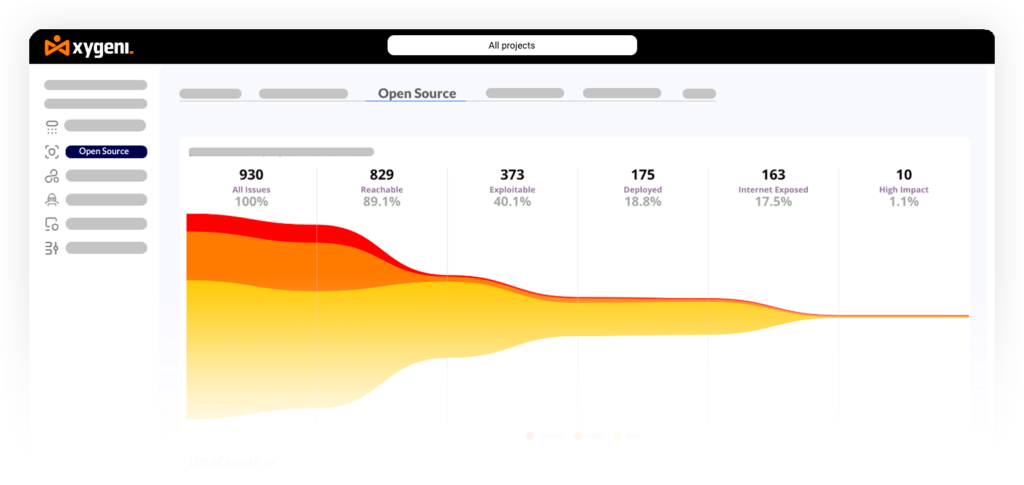
- Minder vals positiewe → Konteksbewuste filters soos bereikbaarheid en benutbaarheid.
- Vinniger aflewering → Sekuriteit handhaaf homself sonder om jou vloei te onderbreek.
Gevolglik transformeer Xygeni intydse bedreigingopsporing in 'n praktiese voordeel vir beide ontwikkelaars en sekuriteitspanne.
8. Gevolgtrekking: Van waarskuwings tot werklike oplossings
Die sagteware-voorsieningsketting is die nuwe slagveld. Om net op opsporing staat te maak is nie meer genoeg nie. Jy benodig bedreigingsopsporing- en reaksie-instrumente wat nie net risiko's aandui nie, maar dit ook intyds oplos.
Xygeni maak dit moontlik deur die kombinasie van intydse bedreigingopsporing met Autofix-remediëring binne ontwikkelaarswerkvloeie.