ከፍተኛ 10 SDLC በ2026 ሊታሰብባቸው የሚገቡ የደህንነት መሳሪያዎች
የልማት ቡድኖች ከመቼውም ጊዜ በበለጠ ፍጥነት እየተላኩ ነው፣ እና አጥቂዎችም ያውቁታል። የምንጭ ኮድ፣ ክፍት ምንጭ ጥገኝነቶች፣ CI/CD pipelineዎች፣ እና የደመና መሠረተ ልማት አሁን በእያንዳንዱ የሶፍትዌር አቅርቦት ሂደት ደረጃ ዋና ኢላማዎች ናቸው። SDLC ለምርታማነት እና ለተግባር አስተዳደር ብቻ የተገነቡ መሳሪያዎች ዘመናዊ ጠላቶች በንቃት የሚጠቀሙባቸውን ወሳኝ ክፍተቶች ይተዋሉ። ይህ መመሪያ ከፍተኛዎቹን 10 ይሸፍናል SDLC በ2026 ለደህንነት የሚያገለግሉ መሳሪያዎች፡ እያንዳንዱ ምን እንደሚያደርግ፣ የት እንደሚስማማ እና ለቡድንዎ ክምችት፣ መጠን እና የተገዢነት መስፈርቶች ትክክለኛውን ጥምረት እንዴት መምረጥ እንደሚቻል።
ምንድን ናቸው SDLC ለደህንነት የሚያገለግሉ መሳሪያዎች?
የሶፍትዌር ልማት የህይወት ዑደት (SDLC) ለደህንነት የሚያገለግሉ መሳሪያዎች የተጋላጭነት ምርመራን፣ የተገዢነት ማስፈጸሚያ እና የአደጋ አስተዳደርን በቀጥታ ወደ ልማት የስራ ፍሰት የሚያካትቱ መድረኮች ናቸው፣ ከመጀመሪያው ጀምሮ commit ወደ ምርት ማሰማራት። በተግባር አስተዳደር ላይ ብቻ ያተኮሩ ባህላዊ የDevOps መሳሪያዎች በተለየ CI/CD አውቶሜሽን፣ ደህንነትን ተኮር SDLC የተዋሃዱ መሳሪያዎች SAST, SCA፣ የሚስጥር ማወቂያ፣ IaC ቅኝት፣ እና ሌሎችም ወደ pull requests, pipelines፣ እና IDEዎች ስለዚህ ኮዱ የተጻፈበት ቦታ ላይ ችግሮች ተይዘው እንዲስተካከሉ።
ከፍተኛ 10 SDLC በ2026 ለደህንነት የሚያገለግሉ መሳሪያዎች
| መሣሪያ | ዋና ባህሪ | ምርጥ ለ | አድምቅ |
|---|---|---|---|
| ዚጌኒ | ሙሉ-ክምር SDLC ደህንነት SAST, SCA, DAST፣ IaC, ሚስጥሮች፣ CI/CD, ASPM | የተዋሃደ፣ በ AI የሚሰራ፣ ከጫፍ እስከ ጫፍ ጥበቃ የሚፈልጉ ቡድኖች | ከ DevAI፣ CoreAI፣ AI AutoFix እና ዜሮ-ጫጫታ ቅድሚያ ጋር ወኪል የሆነ AI |
| ዲያራ | የደህንነት የስራ ፍሰት እና የተጋላጭነት ክትትል | ጂራን ለስፕሪንት አስተዳደር ቀድሞውኑ እየተጠቀሙባቸው ያሉ ቡድኖች | በማዋሃድ በኩል ብጁ የማስተካከያ የስራ ፍሰቶች |
| የጂትሆብ የላቀ ደህንነት | ኮድQL SAST እና ሚስጥራዊ ቅኝት | የጂቲሃብ ተወላጅ ቡድኖች | ጥልቅ የጂቲሃብ እርምጃዎች ውህደት |
| SonarQube | የስታቲስቲክስ ኮድ ትንተና እና የጥራት በሮች | በኮድ ጥራት ላይ ያተኮሩ የምህንድስና ቡድኖች | ባለብዙ ቋንቋ SAST ከIDE ተሰኪዎች ጋር |
| ስኒክ | SCA፣ መያዣ፣ እና IaC ስካን | ገንቢ-ተኮር ክፍት ምንጭ ደህንነት | የራስ-ሰር የጥገኝነት ማስተካከያ PRዎች |
| ቼክማርክስ | Enterprise SAST, SCAእና የኤፒአይ ደህንነት | ትልቅ enterpriseከተገዢነት ግዴታዎች ጋር | ጥልቅ የፖሊሲ አፈፃፀም እና የተገዢነት ካርታ ስራ |
| OWASP ትራይት ድራጎን | የስጋት ሞዴሊንግ እና የጥቃት ቬክተር ምስላዊነት | የደህንነት አርክቴክቶች እና የዲዛይን ደረጃ ቡድኖች | ነፃ፣ ክፍት ምንጭ የስጋት ሞዴሊንግ |
| ዶከር ስካውት | የኮንቴይነር ምስል ተጋላጭነት ቅኝት እና SBOM | ኮንቴይነር የተገጠመላቸው አፕሊኬሽኖችን በመገንባት ላይ ያሉ ቡድኖች | SPDX እና CycloneDX SBOM ትዉልድ |
| የጄንኪንስ + ፕለጊኖች | መታጠፍ የሚችል CI/CD ከደህንነት ተሰኪዎች ጋር አውቶማቲክ | ሊበጅ የሚችል ክፍት ምንጭ የሚፈልጉ ቡድኖች pipeline | ሰፊ የፕለጊን ሥነ-ምህዳር ለ SAST, SCA, IaC |
| የፖስታማን ኤፒአይ ደህንነት | የኤፒአይ የመጨረሻ ነጥብ ቅኝት እና የፉዝ ሙከራ | የኤፒአይ-የመጀመሪያ ደረጃ ቡድኖች ቅድመ-ማሰማራት ማረጋገጫ ያስፈልጋቸዋል | የትብብር API ሙከራ የስራ ቦታ |

አጠቃላይ ገጽታ; ዚጌኒ የማድረሻ ፍጥነትን ሳይሰዋሉ በመላው የሶፍትዌር ልማት የህይወት ዑደት ውስጥ ሙሉ፣ ከጫፍ እስከ ጫፍ ጥበቃ ለሚፈልጉ ቡድኖች የተገነባ በAI የሚሰራ የመተግበሪያ ደህንነት መድረክ ነው። የተከፋፈሉ የአንድ ዓላማ ስካነሮችን ከማስተዳደር ይልቅ፣ Xygeni አንድ ያደርጋል SAST, SCA, DAST፣ IaC ቅኝት፣ ሚስጥራዊ መረጃዎችን መለየት፣ ማልዌርን መከላከል፣ CI/CD ደህንነት, ASPM, build securityእና በአንድ ወጥ የሆነ የገንቢ የስራ ፍሰት ውስጥ ያልተለመደ ምርመራ።
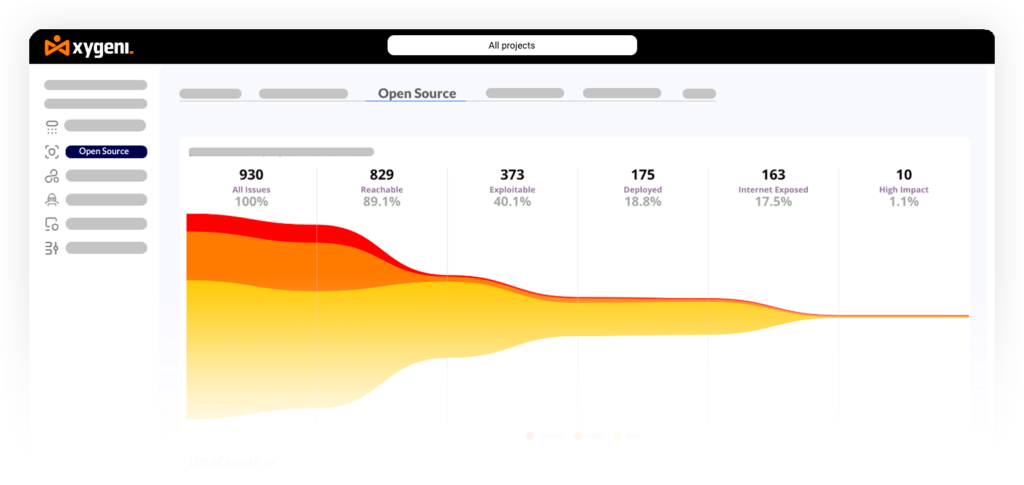
Xygeniን በ2026 ልዩ የሚያደርገው የኤጀንቲካል AI ንብርብር ነው። መድረኩ ሁለት የAI ሞተሮችን ያስተዋውቃል፣ DevAI እና CoreAI፣ ግኝቶችን ሪፖርት ከማድረግ ይልቅ በመለየት፣ ቅድሚያ በመስጠት እና በማስተካከል ላይ በንቃት ይሳተፋሉ። የደህንነት ጫጫታ በዜሮ-ጫጫታ ስጋት ቅድሚያ በመስጠት እስከ 90% ይቀንሳል፣ እና ገንቢዎች ችግሮች ከመድረሳቸው በፊት በIDEዎቻቸው ውስጥ መመሪያ ያገኛሉ። pipeline.
ወኪል AI፡ DevAI እና CoreAI
Xygeni DevAI በዘመናዊ IDEዎች ውስጥ በቀጥታ የተካተተ ወኪል የAI ደህንነት ተባባሪ አብራሪ ነው። በሰው የተጻፉ እና በAI የመነጩ ኮዶችን በእውነተኛ ጊዜ ያለማቋረጥ ይተነትናል፣ የፍተሻ መንገዶችን ያብራራል፣ ተግባራዊ ያደርጋል guardrails ደህንነታቸው ያልተጠበቁ ለውጦችን የሚያግድ እና በXygeni አብሮገነብ MCP አገልጋይ በኩል የተረጋገጡ ደህንነታቸው የተጠበቁ፣ ለመዋሃድ ዝግጁ የሆኑ ጥገናዎችን የሚያቀርብ። DevAI ማንኛውንም ጥገና ከመምከሩ በፊት የማስተካከያ አደጋን እና የመበላሸት-ለውጥ ተፅእኖን ይገመግማል፣ ገንቢዎች ለምርት ደህንነቱ የተጠበቀ እና ከሚከተሉት ጋር የሚጣጣም መመሪያ እንዲያገኙ ያረጋግጣል። enterprise ፖሊሲዎች። በ2026፣ Xygeni DevAI በGlobal InfoSec Awards ለGenAI Application Security እውቅና አግኝቷል። ስለእሱ የበለጠ ማወቅ ይችላሉ። የ AI ኮድ ደህንነት እና በ AI-የመነጨ ኮድ ውስጥ ተጋላጭነቶችን እንዴት መከላከል እንደሚቻል.
Xygeni CoreAI ለደህንነት መሪዎች እና ለ DevSecOps ቡድኖች የAI ተባባሪ አብራሪ ነው። የተከፋፈሉ የደህንነት መረጃዎችን ወደ እውነተኛ ግንዛቤ ይተረጉማል፣ ቴክኒካዊ ግኝቶችን ከንግድ ተጽእኖ ጋር በተፈጥሯዊ የቋንቋ ጥያቄዎች፣ ለአስፈፃሚ ዝግጁ ሪፖርቶች፣ በራስ-ሰር የማስተካከያ እርምጃዎች እና የአስተዳደር ክትትል በኩል ያገናኛል። CoreAI ግኝቶችን ከXygeni ከራሱ ስካነሮች እንዲሁም ከሶስተኛ ወገን ይመገባል። SAST, SCA፣ DAST፣ እና IaC መሳሪያዎችን፣ ወደ አንድ ተግባራዊ እይታ በማዋሃድ።
ሙሉ የምርት ስብስብ
- SAST: ከፍተኛ ቅድመ ዝግጅትcisበAI የተጎላበተ የአይዮን ስታቲክ ትንተና፣ በማልዌር ማወቂያ እና AI AutoFix አማካኝነት በቀጥታ አውድ-ተኮር ማስተካከያዎችን ያቀርባል pull requestsድጋፎች AI SAST ለሰውም ሆነ ለ AI-የተፈጠረ ኮድ, ግኝቶችን በብዝበዛ እና በተፅዕኖ የሚያጣራ በአደጋ ላይ የተመሰረተ ቅድሚያ የሚሰጠው ሞተር ያለው።
- SCA: ተጋላጭ እና ተንኮል አዘል ክፍት ምንጭ ጥገኝነቶችን በተደራሽነት ትንተና፣ የማስተካከያ ስጋት ውጤት አሰጣጥ፣ በራስ-ሰር የጥገኝነት ማሻሻያዎች እና SBOM በሳይክሎንዲኤክስ እና ኤስፒዲኤክስ ቅርጸቶች ወደ ውጭ መላክ።
- ዳስት፡ የድር መተግበሪያዎችን እና ኤፒአይዎችን ከአጥቂ እይታ አንጻር ሲሮጡ ይተነትናል፣ እንደ SQL injection፣ XSS እና የማረጋገጫ ድክመቶች ያሉ የማይንቀሳቀሱ ጉድለቶችን ይለያል፣ የማይንቀሳቀስ ትንተና ሊያገኛቸው የማይችላቸውን። CI/CD pipelineበ xy-dast CLI ስካነር እና በ Xygeni Prioritization Funnel በኩል ግኝቶችን በኢንተርኔት ተጋላጭነት፣ በማረጋገጫ ሁኔታ እና በንግድ ተጽዕኖ ያጣራል።
- የምስጢር ደህንነት፡ በእያንዳንዱ የሂደቱ ደረጃ ላይ የሚስጥር መፍሰስን ያገኛል እና ያግዳል SDLCየጂት ታሪክን ጨምሮ፣ pipelineዎች፣ ኮንቴይነሮች እና ማከማቻዎች። commitበጂት መንጠቆ ውህደት በኩል s እና ብልህ ሚስጥራዊ ማረጋገጫን በመጠቀም የውሸት አወንታዊ ነገሮችን ያስወግዳል።
- IaC Security: ቴራፎርም፣ ኩበርኔትስ፣ ሄልም፣ አኒብል፣ AWS CloudFormation እና ሌሎችንም ይቃኛሉ IaC በመቶዎች የሚቆጠሩ የደመና ስህተቶችን የሚያስወግዱ አብነቶች፣ በማስፈጸም ላይ guardrails አደገኛ ውቅሮች ወደ ምርት ከመድረሳቸው በፊት። IaC security ምርጥ ልምዶች ለአውድ.
- CI/CD ደህንነት: ቀጣይነት ያለው ቅኝት pipeline የአቅርቦት ሰንሰለት ጥቃቶችን ለማገድ፣ በግንባታ ስክሪፕቶች ውስጥ የተሳሳቱ ውቅሮችን ለመለየት እና pipeline ትርጓሜዎችን እና በሁሉም ቦታ ዝቅተኛ መብት ያላቸውን ፖሊሲዎች ተግባራዊ ማድረግ CI/CD መሳሪያዎች። ስለ ተጨማሪ ያንብቡ መያዣ guardrails ለ CI/CD pipelines.
- ASPM: የ Application Security Posture Management ንብርብር በማከማቻ ማከማቻዎች ውስጥ ያሉትን ሁሉንም የሶፍትዌር ሀብቶች በራስ-ሰር ያገኛል፣ ካታሎግ ያደርጋል እና ይገመግማል፣ pipelineዎች፣ እና የደመና አካባቢዎች። ከመጀመሪያው እና ከሶስተኛ ወገን መሳሪያዎች የተገኙ ግኝቶችን ወደ አንድ ወጥ አደጋ ያመራል። dashboard እና ቅድሚያ መስጠትን በብዝበዛ፣ ተደራሽነት እና በንግድ አውድ ለማሻሻል Dynamic Funnelsን ይጠቀማል። በ2024 RSA ኮንፈረንስ እና በ2026 ግሎባል ኢንፎሴክ ሽልማቶች ላይ እውቅና አግኝቷል።
- የማልዌር መከላከያ፦ በመተግበሪያ ኮድ፣ በክፍት ምንጭ ፓኬጆች ውስጥ በእውነተኛ ጊዜ ተንኮል አዘል ኮድ፣ የዜሮ-ቀን ስጋቶች እና የአቅርቦት ሰንሰለት ጥቃቶችን ያገኛል እና ያግዳል፣ CI/CD pipelineዎች፣ እና መሠረተ ልማት። አዲስ የታተሙ ፓኬጆችን በመተንተን እና የተገላቢጦሽ ሼሎችን፣ ተንኮል አዘል ውርዶችን እና ያልተፈቀዱ የኮድ ለውጦችን በማገድ ቅድመ ማስጠንቀቂያ ይሰጣል።
- Build Security: በእውነተኛ ጊዜ ማረጋገጫ፣ ቁልፍ የሌላቸው ፊርማዎች አማካኝነት ቀጣይነት ያለው የቅርስ ታማኝነትን ያረጋግጣል፣ SLSA provenance ድጋፍ እና ብጁ የውስጥ-ቶ ማረጋገጫዎች። ከማድረሱ ወይም ከማሰማራቱ በፊት ቅርሶችን ያግዳል።
- ያልተለመደ ማወቂያ፡ የእውነተኛ ጊዜ የባህሪ ክትትል CI/CD መሠረተ ልማት እና የኮድ ማከማቻዎች። እንደ የደህንነት እርምጃዎች መሰናከል፣ ያልተፈቀደ የመዳረሻ ሙከራዎች እና የፖሊሲ ጥሰቶች ያሉ አጠራጣሪ እርምጃዎችን ፈልጎ ያሳውቃል።
ቁልፍ ጥንካሬዎች:
- ዜሮ-ጫጫታ ቅድሚያ መስጠት፡- የብዝበዛ፣ ተደራሽነት እና የንግድ አውድ በመጠቀም የማንቂያ ድምጽን እስከ 90% ይቀንሳል
- የ AI ራስ-ሰር ጥገና እና የማስተካከያ ስጋት ትንተና ግንባታዎችን ሳይሰብሩ ደህንነታቸው የተጠበቀ ጥገናዎችን ለመተግበር
- ቤተኛ CI/CD ከ GitHub Actions፣ GitLab ጋር ውህደት CI/CD, ጄንኪንስ፣ ቢትባክ Pipelines፣ እና Azure DevOps
- የተገዢነት ማስፈጸሚያ ከNIST ጋር የተሳሰረ፣ CIS, ISO 27001, SOC 2, OWASP, እና OpenSSF
- ያልተገደበ ማከማቻዎች እና አስተዋጽዖ አበርካቾች ያለ መቀመጫ ዋጋ
- ከረዳት አብራሪዎች እና ከአይአይ ወኪሎች ደህንነቱ የተጠበቀ፣ በፖሊሲ ላይ የተመሰረቱ እርምጃዎችን ለማግኘት የMCP አገልጋይ
ለ: ለ እያንዳንዱን የ AI-powered መድረክ የሚሸፍን አንድ መድረክ የሚያስፈልጋቸው የምህንድስና፣ የዴቭሴክኦፕስ እና የደህንነት አመራር ቡድኖች SDLCከኮድ እና ጥገኝነቶች እስከ የሩጫ ጊዜ፣ የመሠረተ ልማት እና የአቅርቦት ሰንሰለት ድረስ፣ የተከፋፈሉ የመሳሪያዎች ስብስብን ሳያስተዳድሩ።
የዋጋ አሰጣጥ: ሙሉ በሙሉ በአንድ መድረክ ላይ በወር $33 ይጀምራል። ያካትታል SAST, SCA, CI/CD ደህንነት፣ ሚስጥራዊ መረጃዎችን መለየት፣ IaC Securityእና የኮንቴይነር ቅኝት። ያልተገደበ ማከማቻዎች እና አበርካቾች ያለ መቀመጫ ዋጋ።
2. ጂራ ከደህንነት የስራ ፍሰቶች ጋር

አጠቃላይ ገጽታ;
ዲያራ በዴቭኦፕስ ውስጥ በስፋት ተቀባይነት ያገኘ የፕሮጀክት እና የስፕሪንት አስተዳደር መሳሪያ ነው። ምንም አይነት የአካባቢ ደህንነት ቅኝት ባያካትትም፣ በፕሮጀክቱ ውስጥ ወሳኝ ሚና ይጫወታል። SDLC በማስተካከል በኩል ተጋላጭነቶችን ከመለየት የሚከታተል የስራ ፍሰት ንብርብር በማቅረብ። በውህደት ወይም በአትላሲያን የገበያ ቦታ በኩል ከቅኝት መሳሪያዎች ጋር ሲገናኝ፣ ከመደበኛ የልማት ተግባራት ጎን ለጎን የደህንነት ዕዳን ለማስተዳደር ማዕከላዊ ማዕከል ይሆናል።
ቁልፍ ባህሪያት:
- በራስ-ሰር የቲኬት ፈጠራ ከ SAST, SCA, እና IaC የስካነር ግኝቶች
- ብጁ የደህንነት ማስተካከያ የስራ ፍሰቶች ከ SLA ክትትል ጋር
- የአደጋ አቀማመጥ dashboardየ s እና የተገዢነት መለኪያ ሪፖርት ማድረግ
- GitHub፣ GitLab፣ Snyk፣ Xygeni እና ሌሎችንም የሚሸፍን ሰፊ የውህደት ሥነ-ምህዳር
| ጥቅሙንና | ጉዳቱን |
|---|---|
| በኢንጂነሪንግ ቡድኖች መካከል ሁለንተናዊ ተቀባይነት | ምንም አይነት የቤተኛ የደህንነት ቅኝት ችሎታ የለም |
| ለማረም ክትትል ተለዋዋጭ ብጁ የስራ ፍሰቶች | የደህንነት ታይነት ሙሉ በሙሉ በተገናኙ መሳሪያዎች ላይ የተመሰረተ ነው |
| ጠንካራ dashboard እና የኦዲት ሪፖርት ማድረግ | ውቅር - ከባድ እና ቀጣይነት ያለው ጥገና ይፈልጋል |
ለ: ለ አሁን ያሉትን የደህንነት ስካነሮቻቸውን ለማሟላት የተዋቀረ የማስተካከያ መከታተያ ንብርብር የሚያስፈልጋቸው ቡድኖች፣ በተለይም በድርጅታቸው ውስጥ ያሉትን የአትላሲያን የስራ ፍሰቶች የሚያስኬዱ።
የዋጋ አሰጣጥ: የደመና ዕቅዶች በወር በግምት $8 ይጀምራሉ። የደህንነት ተግባራት በተገናኙ ውህደቶች እና ተሰኪዎች ላይ የተመሰረቱ ናቸው።
3. የጂትሃብ የላቀ ደህንነት (GHAS)

አጠቃላይ ገጽታ; የጂትሆብ የላቀ ደህንነት የጂቲሃብ መድረክን በቀጥታ በውስጡ አብሮገነብ የማይንቀሳቀስ ትንተና፣ የጥገኝነት ቅኝት እና ሚስጥራዊ ማወቂያን ያራዝማል pull requests ና CI/CD ሩጫዎች። ለቡድኖች ቀድሞውኑ standardበጂትሃብ ላይ የተመሰረተው፣ ገንቢዎች ዋና የስራ ቦታቸውን ለቀው እንዲወጡ ሳያስፈልግ የደህንነት አስከባሪዎችን ይጨምራል። ከጂትሃብ አክሽንስ ጋር ያለው ጥብቅ ውህደት ለቡድኖች የመጀመሪያ እርምጃ እንዲሆን ያደርገዋል። የDevSecOps ጉዞ.
ቁልፍ ባህሪያት:
- ኮድQL SAST: በተደገፉ ቋንቋዎች ውስጥ ውስብስብ የተጋላጭነት ቅጦችን ለማግኘት ጥልቅ የትርጉም ትንተና
- Dependabot: የተጠቆሙ ዝመናዎችን በመጠቀም ጊዜ ያለፈባቸው ወይም ተጋላጭ የሆኑ ፓኬጆችን በራስ-ሰር ማግኘት
- ሚስጥራዊ ቅኝት፡ ኮዱ ከመዋሃዱ በፊት በማከማቻ ማከማቻዎች ውስጥ የተጋለጡ ምስክርነቶችን ይለያል
- ማዕከላዊ ደህንነት dashboardየተገዢነት ክትትልን ለመከታተል በማከማቻ ማከማቻዎች ውስጥ የተገኙ ግኝቶችን ማዋሃድ
| ጥቅሙንና | ጉዳቱን |
|---|---|
| ጥልቅ የጂትሆብ ሥነ-ምህዳር ውህደት ከአነስተኛ ማዋቀር ጋር | በጂትሆብ ላይ ብቻ የተወሰነ፣ የጂትላብ ወይም የቢትቡኬት ድጋፍ የለም |
| ጠንካራ ኮድQL SAST ለሚደገፉ ቋንቋዎች ሞተር | አይ IaC, DAST ወይም የኮንቴይነር ቅኝት |
| በአብዛኛዎቹ ዕቅዶች ላይ ሚስጥራዊ ቅኝት ይገኛል | Enterprise ባህሪያት ውድ የሆኑ ከፍተኛ ደረጃ ዕቅዶችን ይፈልጋሉ |
ለ: ለ ቡድኖች ሙሉ በሙሉ standardበጂትሆብ ላይ የተገነቡ ሲሆን እነዚህም ወደ ቁልላቸው ውጫዊ መሳሪያዎችን ሳይጨምሩ ቤተኛ፣ ዝቅተኛ ግጭት ያለው የደህንነት ቅኝት ይፈልጋሉ።
የዋጋ አሰጣጥ: በአንድ ንቁ ፈቃድ የተሰጠው commitበ GitHub ስር ter Enterpriseየዋጋ አሰጣጥ ከቡድን መጠን እና አጠቃቀም ጋር ይስተካከላል።
4. የሶናርኩቤ SDCL የደህንነት መሳሪያዎች

አጠቃላይ ገጽታ; SonarQube ከሚገኙት በጣም የተረጋገጡ የኮድ ጥራት እና የደህንነት ትንተና መድረኮች አንዱ ነው። ተጋላጭነቶችን፣ ሳንካዎችን እና የኮድ ሽታዎችን ለመለየት በደርዘን የሚቆጠሩ የፕሮግራም ቋንቋዎች ላይ የማይለዋወጥ ትንተና ያካሂዳል፣ በቀጥታ ከ… CI/CD pipelineለቀጣይ ግብረመልስ s እና የገንቢ IDEዎች። ከባድ ችግሮች ሲገኙ የሚገነቡትን የጥራት በሮች ጽንሰ-ሀሳብ አንድ ሆኗል standard በብዙዎች ውስጥ ያለው ዘይቤ የሶፍትዌር ልማት የደህንነት የስራ ፍሰቶች.
ቁልፍ ባህሪያት:
- ባለብዙ ቋንቋ SAST ሰፊ የቋንቋ ድጋፍ ያለው ሞተር enterprise ቁልሎችን
- ደህንነታቸው ያልተጠበቁ ወይም ዝቅተኛ ጥራት ያላቸውን ግንባታዎች በራስ-ሰር የሚዘጉ ጥራት ያላቸው በሮች
- በንቃት ልማት ወቅት ለእውነተኛ ጊዜ ግብረመልስ የIDE ተሰኪዎች
- ቀጣይነት ያለው ትንተና በተለያዩ መንገዶች commits፣ ቅርንጫፎች እና የውህደት ጥያቄዎች
| ጥቅሙንና | ጉዳቱን |
|---|---|
| ትልቅ ማህበረሰብ እና ስነ-ምህዳር ያለው የበሰለ መድረክ | ምንም ከሌለው የምንጭ ኮድ ብቻ የተወሰነ SCA, DAST፣ IaCወይም የመያዣ ሽፋን |
| በ IDE ተሰኪዎች በኩል ጠንካራ የገንቢ ግብረመልስ ዑደት | የውሸት አዎንታዊ ድምጽን ለመቀነስ ማስተካከያ ያስፈልገዋል |
| ለትናንሽ ቡድኖች ነፃ የማህበረሰብ እትም ይገኛል | የንግድ እትሞች ለትላልቅ ድርጅቶች ውድ ናቸው |
ለ: ለ ቡድኖች በኮድ ጥራት እና የማይንቀሳቀስ ኮድ ትንተና SonarQubeን ለጥገኝነት፣ ለስራ ጊዜ እና ለመሠረተ ልማት ሽፋን ከተለያዩ መሳሪያዎች ጋር የሚያጣምሩ።
የዋጋ አሰጣጥ: የማህበረሰብ እትም ነፃ ነው። የንግድ እትሞች በዓመት በግምት $150 በገንቢ ይጀምራሉ።
5. የSnyk SDCL የደህንነት መሳሪያዎች

አጠቃላይ ገጽታ; ስኒክ በክፍት ምንጭ ጥገኝነት አስተዳደር እና በኮንቴይነር ደህንነት ዙሪያ የተገነባ የገንቢ-መጀመሪያ የደህንነት መድረክ ነው። በቀጥታ ከIDEs፣ Git መድረኮች እና CI/CD pipelineተጋላጭ የሆኑ ቤተ-መጻሕፍትን፣ የኮንቴይነር የተሳሳቱ ውቅሮችን እና IaC ችግሮችን በራስ-ሰር ማስተካከል፣ pull requestsገንቢ-ተኮር ዲዛይኑ ለኢንጂነሪንግ ቡድኖች ግጭት ዝቅተኛ እንዲሆን ያደርጋል፣ ትርጉም ያለው ሽፋንም ይሰጣል። የክፍት ምንጭ ሶፍትዌር ደህንነት አደጋዎች.
ቁልፍ ባህሪያት:
- SCA: ተጋላጭ የሆኑ ቤተ-መጻሕፍትን ያገኛል እና ተደራሽ ከሆኑ አውዶች ጋር ደህንነታቸው የተጠበቀ እና ተኳሃኝ የሆኑ ስሪቶችን ይመክራል
- ኮንቴይነር እና IaC ቅኝት፡ በዶከር፣ ቴራፎርም እና ኩበርኔትስ ውስጥ የተሳሳቱ ውቅሮችን ያገኛል
- የIDE እና የGit ውህደት፡- በገንቢው የስራ ፍሰት ውስጥ የአውድ ተጋላጭነት ማንቂያዎችን እና የማሻሻያ ጥቆማዎችን ያቀርባል
- ራስ-ሰር የማረም PRዎች፡ ደህንነቱ የተጠበቀ የጥገኝነት ማሻሻያ ይፈጥራል pull requests በራስ
| ጥቅሙንና | ጉዳቱን |
|---|---|
| ዝቅተኛ የጉዲፈቻ ግጭት ያለው ጠንካራ የገንቢ ተሞክሮ | ሞዱላር ዋጋ አሰጣጥ ማለት ሙሉ ሽፋን ብዙ የደንበኝነት ምዝገባዎችን ይፈልጋል ማለት ነው |
| የራስ-ሰር ጥገና PRዎች ለጥገና አማካይ ጊዜን ይቀንሳሉ | ለትክክለኛ ቅድሚያ ለመስጠት የተገደበ የብዝበዛ አውድ |
| ጥሩ መያዣ እና IaC ሽፋን | Enterprise የአስተዳደር አማራጮች ለከፍተኛ የዋጋ ደረጃዎች ተዘግተዋል |
ለ: ለ በገንቢ ላይ ያተኮሩ ቡድኖች የክፍት ምንጭ ጥገኝነቶችን እና የኮንቴይነር ምስሎችን በማስጠበቅ ላይ ያተኮሩ ሲሆን የሽፋን ፍላጎቶች እየሰፉ ሲሄዱ የሞዱላር የደንበኝነት ምዝገባዎችን ለማስተዳደር ፈቃደኛ ናቸው።
የዋጋ አሰጣጥ: ነፃ ደረጃ ከተገደበ ቅኝት ጋር ይገኛል። የሚከፈልባቸው ዕቅዶች በወር በግምት $57/ገንቢ ይጀምራሉ።
6. የቼክማርክ ኤስዲሲኤል የደህንነት መሳሪያዎች

አጠቃላይ ገጽታ; ቼክማርክስ ነው አንድ enterprise-ደረጃ የመተግበሪያ ደህንነት ሙከራ መድረክ ጥምረት SAST, SCAለትላልቅ ድርጅቶች በተገነባ አጠቃላይ መፍትሄ ውስጥ የኤፒአይ ደህንነት እና የመሠረተ ልማት ቅኝት። ጥልቅ የተገዢነት ካርታ፣ ሰፊ የቋንቋ ሽፋን እና ማዕከላዊ አስተዳደር ለድርድር የማይቀርቡ መስፈርቶች ለሆኑ ቁጥጥር ለሚደረግባቸው ኢንዱስትሪዎች እና ውስብስብ አካባቢዎች የታሰበ ነው። ቡድኖችን ተቀብለዋል DevSecOps ምርጥ ልምዶች at enterprise ስኬል ብዙውን ጊዜ Checkmarksን ከተዋሃዱ መድረኮች ጋር ይገመግማል።
ቁልፍ ባህሪያት:
- ጥልቅ SAST የተለያዩ የፕሮግራም ቋንቋዎችን እና ማዕቀፎችን የሚደግፍ ሞተር
- SCA በፈቃድ ተገዢነት እና በጥገኛዎች ላይ የተጋላጭነት ክትትል ጋር
- የኤፒአይ ደህንነት ሙከራ በ ውስጥ ተዋህዷል SDLC የስራ ፍሰት
- የተገዢነት ካርታ ከ PCI-DSS፣ ISO 27001፣ NIST እና OWASP ጋር standards
| ጥቅሙንና | ጉዳቱን |
|---|---|
| አጠቃላይ enterprise- የደረጃ ሽፋን | ውስብስብ ማዋቀር እና ጉልህ የሆነ ቀጣይ የጥገና ወጪ |
| ቁጥጥር ለሚደረግባቸው ኢንዱስትሪዎች ጠንካራ የተገዢነት ሪፖርት ማድረግ | ለአነስተኛ ቡድኖች የማይጠቅም ከፍተኛ ወጪ |
| በፋይናንስ፣ በጤና አጠባበቅ እና በመንግስት ዘርፎች ሁሉ የሚታመን | ቁርጠኛ የደህንነት ሰራተኞች ለሌላቸው ቡድኖች ጥልቅ የመማሪያ ኩርባ |
ለ: ለ ትልቅ enterpriseዎች እና ቁጥጥር የሚደረግባቸው ድርጅቶች ቁርጠኛ የደህንነት ቡድኖች እና ጥብቅ የኦዲት እና የተገዢነት ግዴታዎች ያሏቸው።
የዋጋ አሰጣጥ: Enterprise ዋጋ ሲጠየቅ ይገኛል። በተለምዶ በድምጽ ወይም በጥራት ስር የሚተዳደር enterprise የፈቃድ ስምምነቶች።
7. የኦዋስፒ ትራይት ድራጎን

አጠቃላይ ገጽታ; OWASP ትራይት ድራጎን የደህንነት አርክቴክቶች እና የልማት ቡድኖች ማንኛውም ኮድ ከመጻፉ በፊት በዲዛይን ደረጃ ላይ አደጋዎችን እንዲለዩ የሚያግዝ ነፃ፣ ክፍት ምንጭ የስጋት ሞዴሊንግ መሳሪያ ነው። የስርዓት አርክቴክቸርን በዓይነ ሕሊናቸው በመሳል እና የ OWASP የስጋት ምድቦችን ከውሂብ ፍሰቶች እና ከእምነት ወሰኖች ጋር በማዛመድ፣ ቡድኖች በመረጃ ላይ የተመሰረተ የደህንነት መረጃ እንዲያደርጉ ያስችላቸዋል።cisአዮኖች በ መጀመሪያ ላይ SDLCለውጦች ለመተግበር በጣም ርካሽ ሲሆኑ። በኋላ ላይ ከአውቶሜትድ የፍተሻ መሳሪያዎች ጋር በጥሩ ሁኔታ ይጣጣማል pipeline እንደ የለውጥ-ግራ አቀራረብ አካል የመተግበሪያ ደህንነት ሙከራ.
ቁልፍ ባህሪያት:
- የውሂብ ፍሰት ዲያግራሞች እና የትረስት ወሰን ካርታ ስራ ምስላዊ ሞዴሊንግ በይነገጽ
- አስቀድሞ የተገለጹ የ OWASP ስጋት ቤተ-መጻሕፍት በዲዛይን ግምገማዎች ወቅት የአደጋ መለየትን ለማፋጠን
- ለተለዋዋጭ የቡድን መዳረሻ የዴስክቶፕ እና የድር ላይ የተመሰረቱ ስሪቶች
- የጋራ የሞዴል አርትዖት የጋራ አርክቴክቸር እና የደህንነት ግምገማዎችን ለመደገፍ
| ጥቅሙንና | ጉዳቱን |
|---|---|
| በኦዋስፒ ፋውንዴሽን ስር ነፃ እና ክፍት ምንጭ | ሙሉ በሙሉ በእጅ የተሰራ፣ ያለምንም አውቶማቲክ ቅኝት ወይም ማስፈጸሚያ |
| ለቅድመ-ደረጃ ዲዛይን ደህንነት በጣም ጥሩcisions | አይ CI/CD የውህደት ወይም የፖሊሲ ማስፈጸሚያ አቅም |
| ለማንኛውም የቡድን መጠን ተቀባይነት ለማግኘት ዝቅተኛ እንቅፋት | ከሌሎች የሩጫ ጊዜ መሳሪያዎች ጋር መቀላቀል እና መቀላቀል አለበት pipeline መከላከል |
ለ: ለ የደህንነት አርክቴክቶች እና ቡድኖች እድገቱ ከመጀመሩ በፊት የስነ-ህንፃ አደጋዎችን ለመለየት የሚፈልጉ የአደጋ-ሞዴል-መጀመሪያ አቀራረብን ይቀበላሉ።
የዋጋ አሰጣጥ: በ OWASP ፋውንዴሽን ስር ነፃ እና ክፍት ምንጭ።
8. ዶከር ስካውት

አጠቃላይ ገጽታ; ዶከር ስካውት የዶከር ሥነ-ምህዳርን በኮንቴይነር ላይ ያተኮረ የተጋላጭነት አስተዳደር እና የሶፍትዌር አቅርቦት ሰንሰለት ታይነት ያራዝማል። የኮንቴይነር ምስሎችን ንብርብር በደረጃ ይተነትናል፣ የሶፍትዌር የቁሳቁስ ሂሳቦችን ያመነጫል (SBOMs)፣ እና የታወቁ ተጋላጭነቶችን እና የደህንነት ምርጥ ልምዶችን ማክበርን ለማረጋገጥ መሰረታዊ ምስሎችን ይፈትሻል። ከዶከር ሃብ ጋር ያለው ውህደት ቀድሞውኑ ኮንቴይነር የተገነቡ መተግበሪያዎችን ለሚገነቡ እና ለሚፈልጉ ቡድኖች ተፈጥሯዊ ተስማሚ ያደርገዋል። SBOM ትዉልድ እንደ የእነሱ አካል pipeline.
ቁልፍ ባህሪያት:
- በምስል ንብርብር ደረጃ ላይ የማስተካከያ መመሪያ ያለው የኮንቴይነር ተጋላጭነት ማወቂያ
- SBOM ከዋና ዋና የተገዢነት ማዕቀፎች ጋር ተኳሃኝ በሆኑ የ SPDX እና CycloneDX ቅርጸቶች ማመንጨት
- ከዶከር ሃብ፣ ከኮንቴይነር መዝገቦች እና CI/CD pipelines
- በመሠረታዊ ምስሎች እና ጥገኝነቶች ላይ የተገዢነት ማረጋገጫ የፖሊሲ ማረጋገጫ
| ጥቅሙንና | ጉዳቱን |
|---|---|
| ቤተኛ የዶከር ሥነ-ምህዳር ውህደት ከአነስተኛ ማዋቀር ጋር | ኮድ፣ ጥገኝነት፣ DAST ወይም ኮድ የሌለው የኮንቴይነር ደህንነት ብቻ የተወሰነ IaC ሽፋን |
| SBOM ከሳጥኑ ውጪ ትውልድ | ለተለዩ የምስል ተጋላጭነቶች በእጅ የማስተካከያ ሂደት |
| ቀድሞውኑ Docker Hub ን ለሚጠቀሙ ቡድኖች ዝቅተኛ የጉዲፈቻ ግጭት | ሙሉውን አይተካም SDLC የደህንነት መድረክ |
ለ: ለ የኮንቴይነር-ንብርብር ታይነት የሚያስፈልጋቸው እና ኮንቴይነር የተገጠመላቸው አፕሊኬሽኖችን በመገንባት ቡድኖች SBOM ትውልድ ለሰፊው ማሟያ ሆኖ SDLC የደህንነት መሳሪያዎች።
የዋጋ አሰጣጥ: በሚከፈልባቸው የዶከር የደንበኝነት ምዝገባዎች ውስጥ ተካትቷል። ለተወሰነ አገልግሎት ነፃ ደረጃ ይገኛል።
9. ጄንኪንስ ከደህንነት ፕለጊኖች ጋር

አጠቃላይ ገጽታ; ጄንከንዝ በዴቭኦፕስ ውስጥ በስፋት ጥቅም ላይ የዋለው ክፍት ምንጭ አውቶሜሽን ሰርቨር ነው። ምንም እንኳን ቤተኛ የደህንነት ቅኝት ባይኖረውም፣ የፕለጊኑ ሥነ-ምህዳሩ ሊሰራ የሚችል በጣም ሊዋቀር የሚችል የደህንነት ማስፈጸሚያ ማዕከል አድርጎ ይቀይረዋል። SAST, SCA, IaCእና በማንኛውም ደረጃ እንደ የመጀመሪያ ደረጃ እርምጃዎች የሚቃኙ ምስጢሮች pipelineነባር የጄንኪንስ መሠረተ ልማት ያላቸው ቡድኖች ማከል ይችላሉ መያዣ guardrails እና ወደ ሌላ ሳይሸጋገሩ የተገዢነት በሮች CI/CD መድረክ። መረዳት የስምምነት አመልካቾች በ CI/CD pipelines በተለይም ጄንኪንስን በደረጃ ለሚያስተዳድሩ ቡድኖች ጠቃሚ ነው።
ቁልፍ ባህሪያት:
- ለዋና ዋና የፕለጊን ድጋፍ SAST, SCA, IaCእና ሚስጥራዊ የፍተሻ መሳሪያዎች
- ለመከላከያ የማረጋገጫ ማከማቻ አስተዳደር pipeline በእረፍት እና በመጓጓዣ ጊዜ ምስጢሮች
- ደህንነታቸው ያልተጠበቁ ወይም ተገዢ ያልሆኑ ግንባታዎችን ለማገድ ብጁ የግንባታ ደንቦች እና ጥራት ያላቸው በሮች
- በኤፒአይዎች ወይም በማህበረሰብ ተሰኪዎች በኩል ከማንኛውም የደህንነት መሳሪያ ጋር ተለዋዋጭ ውህደት
| ጥቅሙንና | ጉዳቱን |
|---|---|
| በጣም ሊበጅ ከሚችል ጋር ነፃ እና ክፍት ምንጭ pipeline ሎጂክ | ምንም አይነት ቤተኛ የፍተሻ ችሎታ የለም፣ ሙሉ በሙሉ በሶስተኛ ወገን ተሰኪዎች ላይ የተመሰረተ |
| ነባር ተጠቃሚዎች ያለ መሠረተ ልማት ለውጦች ሊራዘሙ ይችላሉ | ውስብስብ ውቅር እና ቀጣይነት ያለው የፕለጊን ተኳሃኝነት ጥገና |
| ሰፊ የስነ-ምህዳር ድጋፍ በመላው CI/CD የደህንነት መሳሪያዎች | የፕለጊን መረጋጋት ችግሮች የአሠራር አደጋን ሊያስከትሉ ይችላሉ |
ለ: ለ የጄንኪንስ መሠረተ ልማት ያላቸው እና አሁን ባለው ነባር የደህንነት ማስፈጸሚያ ላይ መጨመር የሚፈልጉ ቡድኖች pipelineወደ አዲስ ሳይሸጋገር CI/CD የመሳሪያ.
የዋጋ አሰጣጥ: ክፍት ምንጭ እና ለመጠቀም ነፃ። ወጪዎች ከመሠረተ ልማት ማስተናገጃ እና ከውጭ ተሰኪ ፈቃድ ጋር ይዛመዳሉ።
10. የፖስታማን ኤፒአይ ደህንነት

አጠቃላይ ገጽታ; ፖስትማን ኢንዱስትሪው ነው standard ለኤፒአይ ዲዛይን እና ሙከራ፣ እና አሁን የኤፒአይ መጨረሻ ነጥቦችን፣ የማረጋገጫ ፍሰቶችን እና የንድፍ ትርጓሜዎችን ኢላማ ያደረጉ አብሮ የተሰሩ የደህንነት ችሎታዎችን ያካትታል። የትብብር የስራ ቦታ ሞዴሉ ገንቢዎች እና ሞካሪዎች የደህንነት ግኝቶችን እንዲያጋሩ፣ ኤፒአይን እንዲያስፈጽሙ ቀላል ያደርገዋል standardዎች፣ እና እንደ ቀጣይነት ያለው አቅርቦት አካል አውቶማቲክ ቅኝቶችን ያሂዱ። የመተግበሪያ ተጋላጭነት ቅኝት ወደ ኤፒአይ ገጽታዎች ይዘልቃል፣ ፖስትማን የታወቀ የመነሻ ነጥብ ይሰጣል። ለሩጫ ጊዜ ኤፒአይ ደህንነት ጥልቅ እና ጥልቅ ASPM እንደ Xygeni DAST ያሉ መድረኮች በቅድመ-ቅጥያ ፈንጣቸው በኩል ሰፊ ሽፋን ይሰጣሉ።
ቁልፍ ባህሪያት:
- ለመጨረሻ ነጥብ ተጋላጭነቶች እና የማረጋገጫ ድክመቶች ራስ-ሰር የኤፒአይ ቅኝት እና የፉዝ ሙከራ
- CI/CD በእያንዳንዱ ግንባታ ላይ ቀጣይነት ያለው የኤፒአይ ደህንነት ማረጋገጫ ውህደት
- በቡድኖች ውስጥ ወጥ የሆነ የኤፒአይ አስተዳደርን ለማካሄድ እቅድ እና የፖሊሲ አፈፃፀም
- በቡድን ላይ የተመሰረተ ሙከራ እና ውጤት ማጋራትን ለማመቻቸት የትብብር የስራ ቦታዎች
| መስክ | ዋጋ |
|---|---|
| ለ | የኤፒአይ የመጨረሻ ነጥቦቻቸውን በራስ-ሰር የቅድመ-ማሰማራት የደህንነት ማረጋገጫ የሚያስፈልጋቸው የኤፒአይ የመጀመሪያ ቡድኖች፣ አስቀድመው እንደ ዕለታዊ የስራ ፍሰታቸው አካል አድርገው በሚጠቀሙበት መሳሪያ ውስጥ የተዋሃዱ። |
| ክፍያ | ነፃ ዕቅድ ይገኛል። የንግድ ዕቅዶች በወር በግምት $12 ይጀምራሉ፣ ተጨማሪ የትብብር እና የአውቶሜሽን ችሎታዎች አሏቸው። |
ለ: ለ የኤፒአይ የመጨረሻ ነጥቦቻቸውን በራስ-ሰር የቅድመ-ማሰማራት የደህንነት ማረጋገጫ የሚያስፈልጋቸው የኤፒአይ የመጀመሪያ ቡድኖች፣ አስቀድመው እንደ ዕለታዊ የስራ ፍሰታቸው አካል አድርገው በሚጠቀሙበት መሳሪያ ውስጥ የተዋሃዱ።
የዋጋ አሰጣጥ: ነፃ ዕቅድ ይገኛል። የንግድ ዕቅዶች በወር በግምት $12 ይጀምራሉ፣ ተጨማሪ የትብብር እና የአውቶሜሽን ችሎታዎች አሏቸው።
ምን መፈለግ እንዳለበት SDLC ለደህንነት የሚሆኑ መሳሪያዎች
ከላይ የተጠቀሱትን መሳሪያዎች ከገመገሙ በኋላ፣ እነዚህ የደህንነት አቀማመጥን በእውነት የሚያሻሽሉ መድረኮችን ከድምፅ ጋር ብቻ የሚጨምሩትን የሚለዩ መስፈርቶች ናቸው። pipeline:
CI/CD ውህደት። ደህንነት ልማት በሚካሄድበት ቦታ ሁሉ መከናወን አለበት። ምርጥ መሳሪያዎች ከ GitHub Actions፣ GitLab ጋር በአገር ውስጥ ይዋሃዳሉ። CI/CD, Jenkins, Bitbucket, ወይም Azure DevOps ውስብስብ ብጁ ማዋቀር ወይም የተወሰነ ጥገና ሳያስፈልጋቸው።
SAST ና SCA ሽፋን. ጠንካራ መሳሪያዎች ገንቢዎች ኮድ ሲጽፉ ደህንነታቸው ያልተጠበቀ የኮድ ቅጦችን እና ተጋላጭ የሆኑ ጥገኝነቶችን የሚለዩት ግንባታው ከተጠናቀቀ በኋላ ሳይሆን ገንቢዎች ኮድ ሲጽፉ ነው። ሁለቱም ንብርብሮች አስፈላጊ ናቸው፡ SAST የራስዎን ኮድ ይሸፍናል፣ SCA የሶስተኛ ወገን ጥገኝነቶችን ይሸፍናል.
DAST ለሩጫ ጊዜ ማረጋገጫ። የማይንቀሳቀስ ትንተና ብቻውን አንድ መተግበሪያ ሲሰራ ብቻ የሚታዩ ተጋላጭነቶችን መለየት አይችልም። DAST በተሰማሩ አገልግሎቶች እና ኤፒአይዎች ላይ እውነተኛ ጥቃቶችን ያስመስላል፣ እንደ SQL injection፣ XSS እና የማረጋገጫ ድክመቶች ያሉ ሊበዘበዙ የሚችሉ ጉድለቶችን ያሳያል። እንደ መድረኮች Xygeni DAST የሩጫ ጊዜ ግኝቶችን ከኮድ-ደረጃ አውድ ጋር ያዛምዱ በ ASPM ለተቀናጀ የአደጋ እይታ።
ምስጢሮች እና የማልዌር ማወቂያ። ውጤታማ መድረኮች ከመመረታቸው በፊት የተለቀቁ የምስክር ወረቀቶችን፣ ተንኮል አዘል ፓኬጆችን እና የተበላሹ ቅርሶችን ይቃኛሉ። ወደ ማከማቻዎች የሚፈሱ ሚስጥሮች በጣም ከተለመዱት እና ውድ ከሆኑ የDevSecOps ክስተቶች አንዱ ሆኖ ይቀጥላል።
IaC እና የኮንቴይነር ደህንነት። ቡድኖች አደገኛ የሆኑ ነባሪዎችን፣ ከመጠን በላይ የተፈቀደ ሚናዎችን እና የተሳሳቱ ውቅሮችን ወደ ምርት አካባቢዎች ከመድረሳቸው በፊት ለመያዝ የኩበርኔትስ፣ የቴራፎርም እና የዶከር ውቅሮችን መቃኘት አለባቸው። ጫፍ IaC ለ2026 የሚሆኑ መሳሪያዎች ለተጨማሪ አማራጮች።
ፖሊሲ-እንደ-ኮድ Guardrails. ፖሊሲዎችን እንደ ኮድ መግለጽ እያንዳንዱ pull request እና ግንባታው ወጥ የሆነ ደህንነትን ይከተላል standardበእጅ የሚደረግ ግምገማ ላይ ሳይመሰረት። ይህ በምክር ግኝቶች እና በተፈፀመ ደህንነት መካከል ያለው ልዩነት ነው።
አውድ-አው ... ጥሩ መሳሪያዎች ከቀላል የክብደት ውጤቶች በላይ ይሄዳሉ። ብዝበዛን መጠቀም እና የተደራሽነት ትንተና በኮድዎ መሰረት ውስጥ ሊደረስባቸው በሚችሉ ጉዳዮች ላይ ለማተኮር የሚያስችል መረጃ ጫጫታን ይቀንሳል እና ቡድኖች አስፈላጊ በሆኑ ነገሮች ላይ እንዲያተኩሩ ይረዳል።
የተገዢነት ካርታ። እንደ NIST፣ ISO 27001፣ SOC 2 ወይም የመሳሰሉትን ማዕቀፎችን በመጠቀም ፍተሻዎችን ማዛመድ CIS ቤንችማርክስ ቡድኖች ከግምገማ በፊት ከመሞከር ይልቅ ያለማቋረጥ ለኦዲት ዝግጁ ሆነው እንዲቆዩ ይረዳል።
አውቶማቲክ ማስተካከያ። ዘመናዊ መሳሪያዎች የፑል-ጥያቄ መጠየቂያ መጠየቂያዎችን በመጠቆም ወይም የአንድ-ጠቅታ ማስተካከያዎችን በማቅረብ ችግሮችን በፍጥነት ለመፍታት ሊረዱ ይገባል። በAppSec ውስጥ ራስ-ሰር ያስተካክሉ ከእንግዲህ ወዲህ አይደለም premium ትልቅ የተጋላጭነት መዝገቦችን ለሚያስተዳድሩ ቡድኖች መሰረታዊ ነገር ግን መሰረታዊ ነገር። ኤምቲአር በመተግበሪያ ሴክ ውስጥ አንድ መድረክ በማወቂያ እና ጥገና መካከል ያለውን ክፍተት እንዴት በብቃት እንደሚዘጋ ለመገምገም ቁልፍ መለኪያ ነው።
ትክክለኛውን እንዴት እንደሚመረጥ SDLC የደህንነት መሣሪያ
ለእያንዳንዱ ቡድን የሚስማማ አንድም መሳሪያ የለም። እንደ ትክክለኛ ሁኔታዎ ሁኔታ አማራጮችዎን ለማጥበብ ይህንን ማዕቀፍ ይጠቀሙ፡
የሽፋን ክፍተቶችዎን በካርታ ይጀምሩ። የትኛውን መለየት SDLC ደረጃዎች በአሁኑ ጊዜ አውቶማቲክ ጥበቃ የላቸውም፡ ኮድ፣ ጥገኝነቶች፣ ሚስጥሮች፣ IaC, ኮንቴይነሮች፣ የሩጫ ጊዜ ኤፒአይዎች። በጣም የሚታዩትን ሳይሆን በጣም ወሳኝ የሆኑ ክፍተቶችን የሚሞሉ መሳሪያዎችን ቅድሚያ ይስጡ።
የመሳሪያውን ጥልቀት ከቡድን መዋቅር ጋር ያዛምዱ። የተወሰነ የደህንነት ተግባር የሌለው ትንሽ የዴቭኦፕስ ቡድን ዝቅተኛ ግጭት ያለው፣ አውቶማቲክ መድረክ ያስፈልገዋል፣ ይህም ምክንያታዊ ነባሪዎችን በመጠቀም ይሰራል። enterprise ቁርጠኛ የሆነ የደህንነት ቡድን እና የተገዢነት ትዕዛዞች ሲኖሩ ጥልቅ የኦዲት ዱካዎችን፣ የፖሊሲ አፈፃፀምን እና ሪፖርት ማድረግን ይፈልጋል።
በአደጋ ሞዴልዎ ውስጥ በAI የተፈጠረ ኮድን ይመዝግቡ። ጥናቶች እንደሚያሳዩት 40% የሚሆነው በAI የተፈጠረ ኮድ የደህንነት ተጋላጭነቶችን ሊይዝ ይችላል። GitHub Copilot፣ Cursor ወይም ተመሳሳይ መሳሪያዎችን የሚጠቀሙ ቡድኖች በሰው የተጻፈ ኮድ ብቻ ሳይሆን በAI የተፈጠረ ውጤትን በግልጽ የሚያረጋግጥ መድረክ ያስፈልጋቸዋል። እንደ Xygeni DevAI ያሉ መድረኮች ለዚህ ዓላማ የተገነቡ ናቸው፣ ገንቢዎች ሲተይቡ ቀስ በቀስ ይቃኛሉ እና ጥገናዎችን ከመድረሳቸው በፊት ያረጋግጣሉ። pipeline.
የፈቃድ ዋጋን ብቻ ሳይሆን አጠቃላይ ወጪውን አስሉ። ሞዱላር መሳሪያዎች አስቀድመው ርካሽ ሊመስሉ ይችላሉ፣ ግን ሙሉ በሙሉ SDLC ሽፋን በተለምዶ ብዙ የደንበኝነት ምዝገባዎችን ይፈልጋል። ሊገመት የሚችል ዋጋ ያለው የተዋሃደ መድረክ ብዙውን ጊዜ በመጠን የበለጠ ኢኮኖሚያዊ ይሆናል። አቀራረቦችን በመጠቀም ያወዳድሩ ምርጥ የመተግበሪያ ደህንነት መሳሪያዎች አጠቃላይ እይታ እንደ ሰፋ ያለ ማጣቀሻ።
አረጋግጥ CI/CD ከዚህ በፊት ተኳሃኝነት commitቲንግ። ምርጡ የደህንነት መሳሪያ ቡድንዎ ቀድሞውኑ በሚሰራበት ቦታ በራስ-ሰር የሚሰራ ነው። ለልዩ አገልግሎትዎ ቤተኛ ድጋፍን ያረጋግጡ። CI/CD ሌላ ማንኛውንም ነገር ከመገምገምዎ በፊት መድረክ።
የማጣሪያ ፍጥነትን ብቻ ሳይሆን የማገገሚያ ጥራትን ገምግም። ተጋላጭነቶችን ብቻ ሪፖርት የሚያደርጉ መሳሪያዎች አደጋን ሳይቀንሱ ለገንቢዎች የሥራ ጫና ይጨምራሉ። ተግባራዊ የሆኑ የማስተካከያ ጥቆማዎችን፣ አውቶማቲክ የህዝብ ግንኙነት አገልግሎቶችን ወይም የለውጥ ግንዛቤን በመጠቀም በዐውድ ውስጥ መመሪያን የሚያመነጩ መድረኮችን ቅድሚያ ይስጡ።
የአስተዋጽዖ አበርካች እና የማከማቻ ዕድገት ዕቅድ። የቡድኖች ቁጥር እየጨመረ ሲሄድ የአንድ መቀመጫ ዋጋ ከፍተኛ የወጪ አንቀሳቃሽ ይሆናል። የዋጋ አሰጣጥ ሞዴሉ ከእድገት አቅጣጫዎ ጋር የሚስማማ መድረክ ይምረጡ፣ በተለይም ትልቅ የአስተዋጽኦ አበርካች ብዛት ላላቸው ወይም ሞኖሬፖ አወቃቀሮች ላሏቸው ድርጅቶች።
የመጨረሻ ሐሳብ
በ ውስጥ የተገነባ ደህንነት SDLC ከመጀመሪያው ጀምሮ በመልቀቅ ዑደት መጨረሻ ላይ ከሚጨመረው ደህንነት የበለጠ ፈጣን እና ደህንነቱ የተጠበቀ ሶፍትዌር ያመነጫል። pipelineከዲዛይንና ከኮድ ጀምሮ እስከ መሠረተ ልማትና የሩጫ ጊዜ ድረስ፣ የጥቃት ገጽታ ሊሆን የሚችል ነው።
እዚህ የተገመገሙት መድረኮች እያንዳንዳቸው የተወሰነ ንብርብር ወይም የአጠቃቀም ጉዳይን ይመለከታሉ። አንዳንዶቹ በስታቲስቲክስ ትንተና የተሻሉ ሲሆኑ ሌሎቹ ደግሞ በኮንቴይነር ጥበቃ ወይም በስጋት ሞዴሊንግ ላይ ናቸው። የተቆራረጡ የተቋረጡ መሳሪያዎችን ሳያስተዳድሩ በመላው የሶፍትዌር አቅርቦት ሰንሰለት ውስጥ የተሟላ እና የተዋሃደ ሽፋን ለሚፈልጉ ቡድኖች፣ Xygeni በ2026 በጣም ሁሉን አቀፍ አቀራረብን ያቀርባል፡- በማጣመር SAST, SCA, DAST፣ IaC, ሚስጥሮች፣ የማልዌር መከላከያ፣ CI/CD guardrails, ASPMእና በDevAI እና CoreAI በኩል ወኪል የሆነ የAI ቴክኖሎጂ፣ ሁሉም በአንድ መቀመጫ ገደብ እና ምንም አይነት የንቃት ድካም ሳይኖር በሚገመት ዋጋ።
በየጥ
ምንድን ነው SDLC ለደህንነት መሳሪያ?
An SDLC የደህንነት መሳሪያ የተጋላጭነት ምርመራን፣ የፖሊሲ አፈፃፀምን እና የተገዢነት ፍተሻዎችን በቀጥታ በሶፍትዌር ልማት የህይወት ዑደት ውስጥ፣ በኮድ አርታኢዎች ውስጥ የሚያካትት መድረክ ነው። pull requests, እና CI/CD pipelineዎች፣ ስለዚህ አደጋዎች ከተሰማሩ በኋላ ከመታወቅ ይልቅ በተቻለ ፍጥነት ተለይተው እንዲፈቱ።
መካከል ያለው ልዩነት ምንድነው? SAST, SCAእና DAST በ SDLC መሳሪያዎች?
SAST (የማይለዋወጥ የመተግበሪያ ደህንነት ሙከራ) መተግበሪያውን ሳያስኬዱ የራስዎን የምንጭ ኮድ ደህንነቱ ያልተጠበቁ ቅጦችን እና ተጋላጭነቶችን ይተነትናል። SCA (የሶፍትዌር ቅንብር ትንተና) ኮድዎ የሚተማመኑባቸውን የሶስተኛ ወገን ክፍት ምንጭ ቤተ-መጻሕፍት ይቃኛል፣ ከሚታወቁ የተጋላጭነት የውሂብ ጎታዎች ጋር በማጣመር። DAST (ተለዋዋጭ የመተግበሪያ ደህንነት ሙከራ) ከውጭ የሚመጡ መተግበሪያዎችን ይተነትናል፣ በእውነተኛ ጥቃቶች አማካኝነት በአሂድ ጊዜ ብቻ የሚታዩ ጥቅም ላይ ሊውሉ የሚችሉ ጉድለቶችን ያገኛል። SDLC የደህንነት መድረክ ሶስቱንም ያካትታል፣ ከነሱም ጋር IaC ቅኝት፣ የሚስጥር ለይቶ ማወቅ እና የአቅርቦት ሰንሰለት ጥበቃ።
እንዴት SDLC የደህንነት መሳሪያዎች ከሚከተሉት ጋር ይዋሃዳሉ CI/CD pipelines?
አብዛኛዎቹ ዘመናዊ መሳሪያዎች ለ GitHub Actions፣ GitLab CI፣ Jenkins እና ተመሳሳይ መድረኮች ቤተኛ ውህደቶችን ወይም የYAML ውቅሮችን ያቀርባሉ፣ ይህም በእያንዳንዱ ላይ የደህንነት ቅኝቶችን በራስ-ሰር ያስጀምራል። pull request ወይም የፕሮጀክት ግፋ። ግኝቶች ውህደቶችን ሊያግዱ፣ ትኬቶችን ሊፈጥሩ ወይም ማንቂያዎችን ሊያስነሱ፣ ደህንነትን ሊያስፈጽሙ ይችላሉ standardበእያንዳንዱ ግንባታ ላይ የገንቢ ጣልቃ ገብነት ሳያስፈልግ።
የትኛው SDLC መሣሪያው በ2026 ውስጥ በጣም የደህንነት ንብርብሮችን ይሸፍናል?
Xygeni በአንድ መድረክ ውስጥ ሰፊውን ክልል ይሸፍናል፡ SAST, SCA, DAST፣ የሚስጥር ማወቂያ፣ IaC ቅኝት፣ የኮንቴይነር ደህንነት፣ የማልዌር መከላከያ፣ CI/CD guardrails፣ ታማኝነትን መገንባት፣ ያልተለመደ ምርመራ፣ እና ASPMበ DevAI እና CoreAI በኩል ወኪል AI ያለው፣ በመሳሪያዎች መካከል የተለያዩ የደንበኝነት ምዝገባዎችን ወይም ውስብስብ ውህደቶችን ሳያስፈልግ።
ክፍት ምንጭ ናቸው SDLC ለምርት አካባቢዎች በቂ የደህንነት መሳሪያዎች አሉ?
እንደ OWASP Threat Dragon ወይም ከፕለጊኖች ጋር ያሉ የጄንኪንስ ያሉ ክፍት ምንጭ መሳሪያዎች የተወሰኑ ንብርብሮችን ማስተናገድ ይችላሉ ነገር ግን ሙሉ ሽፋን ለማግኘት ጉልህ የሆነ ውቅር፣ ጥገና እና ተጨማሪ መሳሪያዎች ያስፈልጋቸዋል። የተገዢነት መስፈርቶች ላሏቸው የምርት አካባቢዎች፣ የሚተዳደር መድረክ ያለው enterprise ድጋፍ፣ አውቶማቲክ ማስተካከያ እና የተዋሃደ ሪፖርት ማድረግ በተለምዶ ዝቅተኛ የአሠራር ወጪን በመጠቀም የተሻለ የደህንነት ውጤቶችን ያስገኛሉ።
በ AI የተፈጠረ ኮድ እንዴት ተጽዕኖ ያሳድራል SDLC ደህንነት?
ጥናቶች እንደሚያሳዩት 40% የሚሆነው በAI የተፈጠረ ኮድ የደህንነት ተጋላጭነቶችን ሊይዝ ይችላል፣ ይህም በ IDE ውስጥ የእውነተኛ ጊዜ ማረጋገጫ ከመቼውም ጊዜ በበለጠ አስፈላጊ ያደርገዋል። SDLC በሰው የተጻፉ ኮድ የተገነቡ መሳሪያዎች ብዙውን ጊዜ በረዳት አብራሪዎች እና በአይአይ ረዳቶች የተዋወቁትን ተጋላጭነቶች ያጣሉ። Xygeni DevAI ገንቢዎች በሚተይቡበት ጊዜ በAI የመነጨውን ኮድ ቀስ በቀስ ለመቃኘት፣ ማንኛውንም ማስተካከያ ከመተግበሩ በፊት የማስተካከያ አደጋን ለመገምገም እና ለማስፈጸም በተለይ የተነደፉ ናቸው። enterprise guardrails በልማት ሂደት ውስጥ።