




Gabatarwa: Dalilin da Yasa Gwajin Tsaron Aikace-aikace Yake da Muhimmanci
Idan ka gina manhajar kwamfuta (software), tsaro don haɓaka software ba kawai ƙari ba ne—dole ne. Yayin da barazanar yanar gizo ke ƙaruwa kowace rana, gwajin tsaron aikace-aikace yana taka muhimmiyar rawa wajen kama rauni da wuri, yana tabbatar da ingantaccen haɓaka software. Duk da haka, gano matsaloli rabin faɗa ne kawai. Mafi mahimmanci, ta yaya za ka gyara su? Domin amsa wannan, za mu yi bincike daban-daban nau'ikan gwajin tsaron aikace-aikace, mafi kyawun ayyuka a gwajin tsaro a cikin haɓaka software, kuma dabarun gyara wanda zai taimaka muku aika lambar tsaro cikin inganci.
Nau'ikan Gwajin Tsaron Aikace-aikace
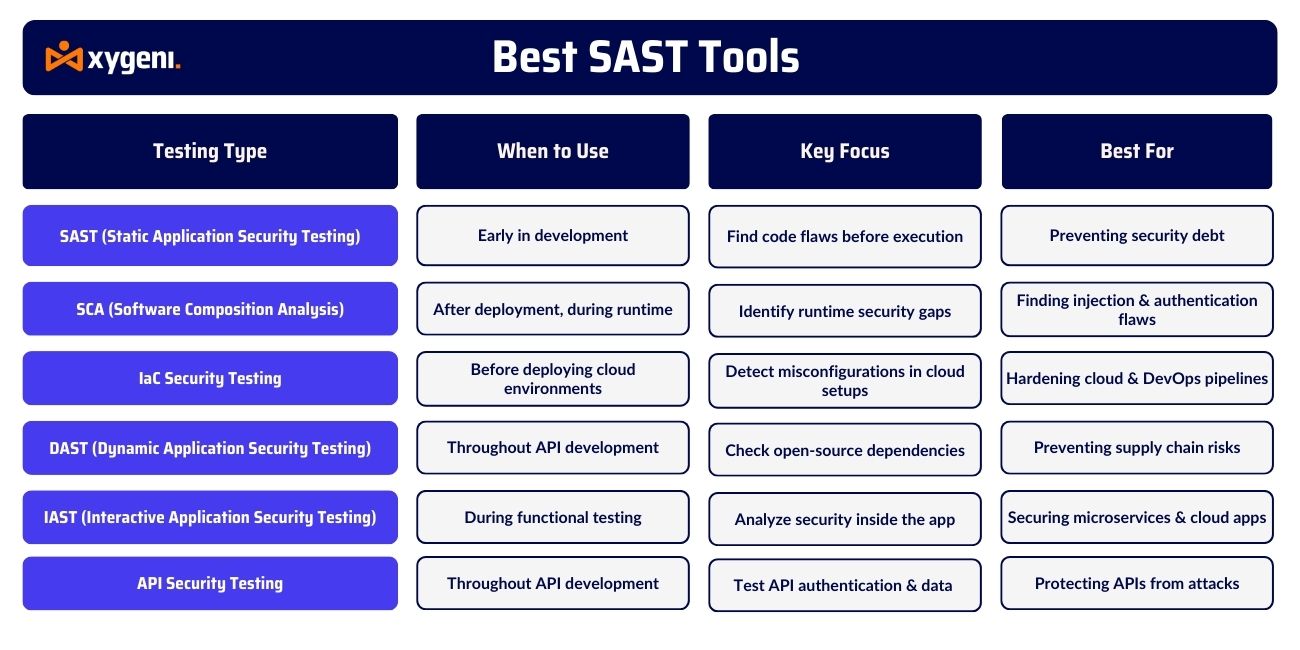
Tsaro don haɓaka software yana buƙatar fiye da hanyar gwaji guda ɗaya kawai. Tsaron aikace-aikace ba tsari ɗaya ba ne da ya dace da kowa. Madadin haka, hanyoyin gwajin tsaro na aikace-aikace daban-daban suna taimakawa wajen gano raunin da ke tattare da su a fannoni daban-daban. matakan zagayowar rayuwar haɓaka software (SDLC).
Ta hanyar haɗa waɗannan hanyoyin tsaro, ƙungiyoyi za su iya ƙarfafa aikace-aikace, rage haɗarin tsaro, da kuma hana rauni kafin masu kai hari su yi amfani da su. Kowace hanya tana taka rawa ta musamman wajen kare software, tabbatar da kariya daga ƙirƙirar lambar zuwa tura ta.
Bari mu yi nazari sosai kan nau'ikan gwaje-gwajen tsaro mafi inganci da kuma yadda suke taimaka wa ƙungiyoyi su gina manhaja mafi aminci.
1. Binciken Tsarin Software (SCA)
Baya ga nazarin lambar mallakar, aikace-aikacen zamani sun dogara sosai akan ɗakunan karatu na bude-tushen tushe. Duk da cewa waɗannan abubuwan na iya zama masu amfani, suna iya haifar da haɗarin tsaro. A nan ne Nazarin Haɗin Software yana shigowa—yana taimaka wa ƙungiyoyi ci gaba da sa ido kan dogaro da wasu kamfanoni game da raunin da ke tattare da su da kuma batutuwan lasisi.
Yaushe Ya Yi Amfani: Ci gaba, a fadin SDLC.
Yadda yake aiki: Yana bincika abubuwan da suka dogara ga tushen buɗewa don gano raunin da aka sani da kuma tsoffin abubuwan haɗin.
Mafi Hana hare-haren sarkar samar da kayayyaki da kuma tabbatar da bin ka'idojin tsaro standards.
2. Gwajin Tsaron Aikace-aikace Mai Tsayi (SAST)
Da farko dai, gano kurakuran tsaro tun da wuri a fannin ci gaba yana da matukar muhimmanci. SAST yana bawa masu haɓaka software damar gano raunin da ke tattare da shi kafin ma a aiwatar da lambar, yana tabbatar da cewa an warware matsalolin kafin su zama matsaloli masu tsada.
Yaushe Ya Yi Amfani: Farkon haɓakawa (tsarin tsaro na motsi-hagu).
Yadda yake aiki: Yana duba lambar kafin a aiwatar da ita, yana gano raunin da ke cikin tushen, bytecode, ko binary.
Mafi Gano kurakuran matakin lambar kafin a fara aiki.
3. Kayan more rayuwa a matsayin Lambar (IaC) Gwajin Tsaro
Tare da saurin ɗaukar yanayin girgije, tabbatar da tsare-tsaren ababen more rayuwa yana da mahimmanci kamar tabbatar da lambar aikace-aikace. IaC security Gwaji yana tabbatar da cewa an gano kuma an gyara kurakurai kafin a tura shi.
Yaushe Ya Yi Amfani: Kafin a fara amfani da yanayin girgije.
Yadda yake aiki: Ana duba Terraform, CloudFormation, Kubernetes, Da kuma Docker fayiloli don haɗarin tsaro.
Mafi Tabbatar da tsaro aikace-aikacen asali na girgije da DevOps pipelines.
4. Gwajin Tsaron Aikace-aikace Mai Sauƙi (DAST)
Ba kamar SAST, wanda ke nazarin lambar da ba ta canzawa, DAST yana ɗaukar wata hanya daban ta hanyar gwada aikace-aikace yayin da suke gudana. Ta hanyar kwaikwayon hare-haren gaske, Dast gano gibin tsaro da ke bayyana ne kawai yayin aiwatarwa.
Yaushe Ya Yi Amfani: Bayan shigarwa, a lokacin aiki.
Yadda yake aiki: Yana kai hari ga manhajar kamar yadda mai kutse zai yi, yana gano raunin tsaro a cikin yanayin da ake ciki.
Mafi Gano hare-haren allura, kurakuran tantancewa, da kuma kuskuren tsari.
5. Gwajin Tsaron Aikace-aikace Mai Mu'amala (IAST)
Wasu raunin da ka iya samu na iya zamewa ta hanyar gwaji mai tsauri da kuma na zamani. Don cike gibin, IAST yana ba da nazarin tsaro na ainihin lokaci yayin aiwatar da aikace-aikacen, yana bawa ƙungiyoyi damar gano raunin da ke tattare da shi yayin da suke kiyaye mahallin lambar.
Yaushe Ya Yi Amfani: A lokacin gwajin aiki.
Yadda yake aiki: Yana amfani da nazarin lokaci-lokaci a cikin aikace-aikacen don gano haɗarin tsaro.
Mafi Ƙananan ayyuka, manhajoji masu kwantena, da kuma manhajojin da aka yi amfani da su a girgije.
6. Gwajin Tsaron API
Yayin da APIs suka zama ginshiƙin aikace-aikacen zamani, ana ƙara kai musu hari ta hanyar hare-haren yanar gizo. Gwajin tsaron API yana tabbatar da cewa ƙarshen maki yana kasancewa kariya daga kurakurai da rashin izini.
Yaushe Ya Yi Amfani: A duk lokacin da ake haɓaka API.
Yadda yake aiki: Ana bincika rashin ingancin tantancewa, rashin daidaiton tsari, da kuma fallasa bayanai.
Mafi Hana barazanar tsaro da kwararar bayanai da suka shafi API.
Mafi Kyawun Ayyuka a Gwajin Tsaro don Haɓaka Software
Tsaron aikace-aikace ba wai kawai game da gudanar da gwaje-gwaje ba ne—yana nufin sanya tsaro ya zama wani ɓangare na tsarin haɓakawa. Ta hanyar bin waɗannan mafi kyawun hanyoyin, ƙungiyoyi za su iya gano raunin da ya faru da wuri, su sarrafa binciken tsaro ta atomatik, da kuma mai da hankali kan gyara ainihin barazanar ba tare da rage gudu ba.
1. Canja Tsaron Hagu
Ya kamata a fara aikin tsaro farkon zagayowar rayuwa ta ci gaba, ba bayan an tura ba.
- Run SAST da kuma SCA sikanin da zaran an rubuta lambar don hana matsalolin tsaro kaiwa ga samarwa.
- Ba wa masu haɓaka fasaha martani mai aiki don haka za su iya gyara raunin da ke tattare da su kafin su zama manyan haɗari.
2. Tsaron atomatik a cikin CI/CD Pipelines
Tsaro ya kamata ya yi aiki a Saurin DevOps, kada a rage shi.
- Haɗa SAST, DAST, da kuma SCA cikin ku CI/CD pipelines don duba duk wani lambar commit ta atomatik.
- amfani sarrafawa bisa ga manufofi don hana shigar da lambar da ba ta da tsaro.
3. Ka Tabbatar da Abubuwan da Ka Dogara da Su
Aikace-aikace na zamani dogara da software na bude-tushe, wanda zai iya haifar da haɗarin tsaro da aka ɓoye.
- Koma aiki SCA dubawa don gano ɗakunan karatu na ɓangare na uku masu rauni kafin su zama matsala.
- cire tsofaffin abubuwan dogaro kuma a shafa faci da zarar sun samu.
4. Fifita Rauni ta hanyar Hadari
Ba dukkan raunin da ke tattare da rauni iri ɗaya ba ne—mayar da hankali kan gyara abin da ke faruwa a zahiri al'amura.
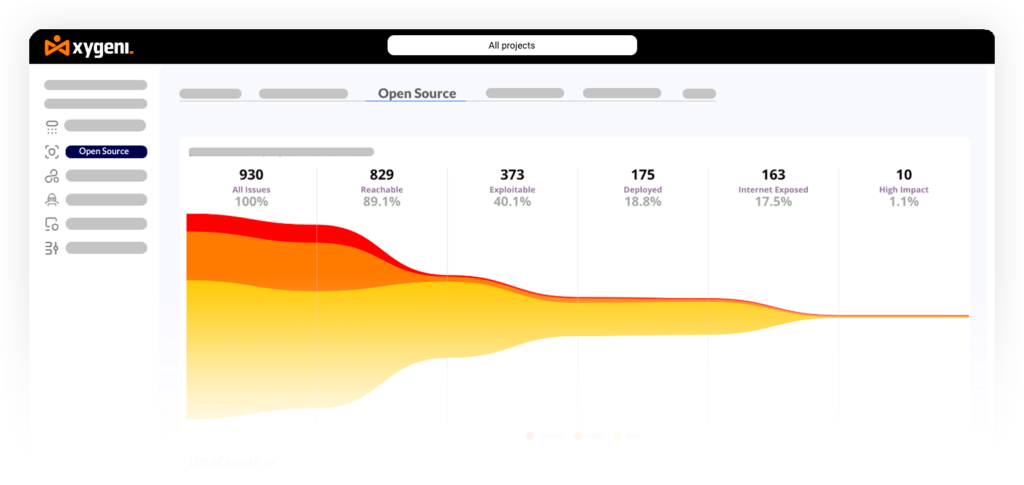
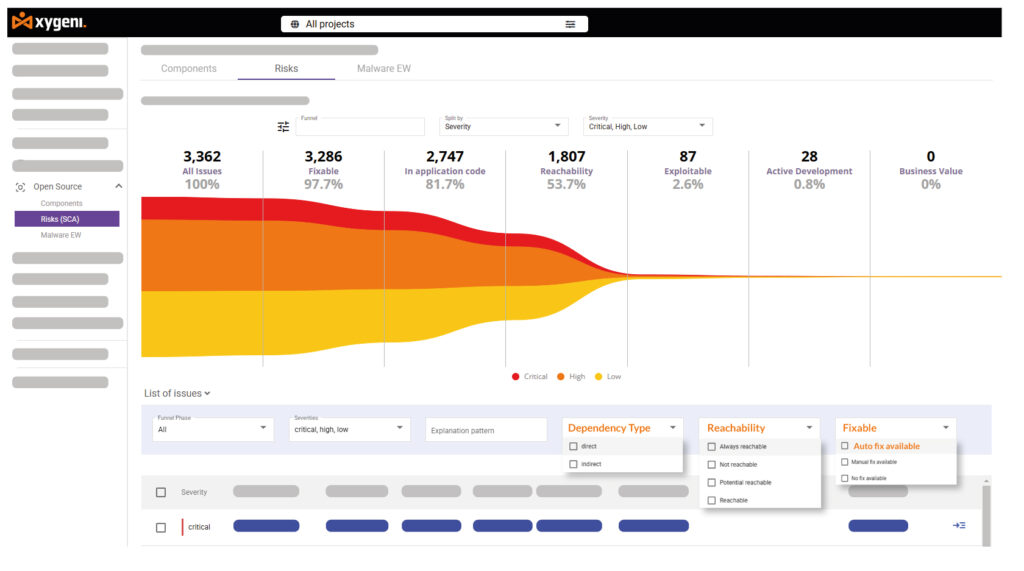
- amfani maki na EPSS da kuma nazarin isa ga isa don ba da fifiko haɗarin da za a iya amfani da su akan ƙananan matsaloli.
- Rage gajiya mai faɗakarwa ta hanyar tace gargadin tsaro mai ƙarancin tasiri.
5. Kula da Abubuwan da ba su dace ba a Lokacin da Yake Faruwa
Barazanar tsaro ba ta tsayawa lokacin da aka tura lambar—ci gaba da sa ido shine mabuɗin.
- amfani gano anomaly na ainihin lokaci don bin diddigin canje-canje marasa izini a cikin CI/CD pipelines da tsarin girgije.
- Kama da kuma gyara matsalolin tsaro kafin su kai ga karya doka.
Menene EPSS kuma Me yasa yake da mahimmanci?
Ba kowace irin matsala ba ce ke haifar da barazana ga kowa, kuma ƙungiyoyin tsaro ba za su iya gyara komai a lokaci guda ba. Tsarin Maki na Hasashen Amfani (EPSS) yana taimakawa wajen fifita raunin da ya faru bisa ga yadda ake amfani da shi a zahiri, tare da tabbatar da cewa ƙungiyoyi sun mai da hankali kan hare-haren da za su iya faruwa.
- Yadda yake aiki: Maimakon magance duk raunin da ya shafi dukkan rauni iri ɗaya, EPSS ta sanya wani kasada bisa ga ainihin yanayin cin zarafi. Sakamakon haka, ƙungiyoyi za su iya gyara matsaloli masu mahimmanci da farko kafin maharan su yi amfani da su.
- Me Yasa Yana Da Amfani: Tare da dubban sabbin raunin da ke bayyana kowace rana, EPSS tace sanarwar da ba dole ba don haka ƙungiyoyi za su iya mai da hankali kan batutuwan da ke da haɗari sosai maimakon ɓata lokaci a kan ƙananan barazanar.
- Yadda Xygeni Ke Amfani da Shi: Don inganta EPSS, Xygeni yana tabbatar da cewa an haɗa da nazarin isa ga, samar da ƙungiyoyi don gyara raunin da za a iya amfani da shi kawai yayin da guje wa faɗakarwa masu ƙarancin tasiri.
Ta hanyar amfani da EPSS, Xygeni yana taimakawa tsaro da ƙungiyoyin DevOps wajen gyara matsalolin da suka dace—da sauri da wayo.
Kayan Aikin Gwaji na Tsaron Aikace-aikacen Xygeni
A Xygeni, mun yi imanin cewa ya kamata tsaro ya kasance karfafawa ci gaba, ba rage shi ba. Maganin Gwajin Tsaron Aikace-aikace an gina su don Haɗakar DevOps cikin sauri, daidaito, da kuma tsari mai kyauGa abin da ya sa Xygeni ya yi fice:
- Mafi-in-Aji SAST - Gano raunin da ya faru kafin lambar ta fara aiki da kuma gyara matsalolin tsaro da wuri domin rage basussukan fasaha.
- fasaha SCA - Kula da dogaro da tushen budewa a ainihin lokacin, hana hare-haren sarkar samar da kayayyaki.
- Haɗin DevOps Marasa Ƙoƙari - Yana aiki da Jenkins, Ayyukan GitHub, GitLab CI/CD, Bitbucket Pipelines, da kuma Azure DevOps don duba tsaro ta atomatik.
- Fifiko Mai Wayo, Ba Hayaniya Ba - Binciken maki da kuma yadda za a iya cimma burin EPSS ya tabbatar da cewa ƙungiyoyi suna da gyara abin da ke da muhimmanci, ba faɗakarwar ƙarya ba.
- Gyaran Sauri Tare da Aiki da Kai – Jagorar gyara tana hanzarta warwarewa, ci gaba da samar da masu haɓaka aiki.
Tare da Xygeni, ƙungiyoyi gina software mai tsaro ba tare da rikitarwa ba- don haka za su iya yi jigilar sauri, da kwarin gwiwa.

Kammalawa: Tsaro Mai Wayo don Gwajin Tsaron Aikace-aikace
Tsaron haɓaka software ba wai kawai game da gano raunin da ke tattare da shi ba ne—yana nufin gyara su yadda ya kamata ba tare da rage yawan fitarwa ba. Ta amfani da Nau'ikan Gwajin Tsaron Aikace-aikace da suka dace da kuma mafi kyawun ayyuka a gwajin tsaro don haɓaka software, ƙungiyoyi za su iya sanya tsaro ya zama wani ɓangare na aikinsu ba tare da wata matsala ba.
To sauƙaƙa tsaro ba tare da yin sulhu ba, ƙungiyoyi ya kamata:
- Haɗa tsaro da wuri don hana raunin da ya faru kafin su yi tsada.
- Tsaron atomatik a cikin CI/CD pipelines don magance matsalolin kafin a tura.
- Kula da abubuwan da suka dogara da shi tare da SCA don guje wa haɗarin sarkar samar da kayayyaki.
- Mayar da hankali kan barazanar gaske ta yin amfani da EPSS da nazarin iya isa gare shi.
- Gwajin APIs da kayayyakin more rayuwa ci gaba da hana gibin tsaro.
At Xygeni, tsaro yana ci gaba da kasancewa tare da DevOps—sauri, inganci, kuma an gina shi don ƙungiyoyin ci gaba na zamani.
Kana son ka tsare manhajarka ba tare da toshe hanyoyin shiga ba? Tuntuɓi Xygeni a yau kuma ka ƙara inganta dabarun tsaronka.