




Gwajin Shiga Jiki vs Dubawa Mai Rauni: Abin da Masu Haɓaka Ke Bukatar Sani
Ci gaban zamani yana tafiya da sauri, haka ma maharan. Saboda haka, gano da gyara raunin tsaro da wuri ba zaɓi bane. Duk da haka, ƙungiyoyi da yawa suna haɗuwa. gwajin shiga ciki da na'urar duba raunin jiki, idan aka yi la'akari da cewa dukkansu suna yin aiki ɗaya. A zahiri, suna magance matsaloli daban-daban na haɗarin tsaro kuma suna taimakawa juna a duk faɗin SDLC.
Wannan jagorar ta bayyana yadda kowannensu yake aiki, lokacin da za a yi amfani da su, da kuma yadda ƙungiyoyin DevSecOps na zamani ke sarrafa kansu ta atomatik tare da ci gaba da gwajin tsaro.
Menene Dubawar Rauni?
A duba raunin jiki ta atomatik yana duba tsarin, lambar, ko abubuwan da suka dogara da shi don gano raunin da aka sani.
Yana aiki kamar mai ci gaba health check, kwatanta yanayinka da manyan rumbunan bayanai kamar NVD.
Kayan aikin duba raunin jiki suna neman:
- Dakunan karatu ko kwantena na daɗaɗɗe
- Faci ko rashin daidaito
- Sanannun CVEs ko dogaro mai haɗari
- Sirrin da aka yi wa alama ko kuma tsarin lambar da ba ta da inganci
Saboda waɗannan na'urorin daukar hoto suna aiki da sauri kuma akai-akai, suna ba wa masu haɓaka damar samun ra'ayoyi na kusa-kusa. Bugu da ƙari, dandamalin daukar hoto na zamani suna haɗuwa kai tsaye cikin CI/CD pipelines, Ayyukan GitHub, da kuma IDEs.
A takaice, duban rauni yana taimaka wa ƙungiyoyi su magance matsalolin da aka saba fuskanta da wuri, kafin su kai ga samar da kayayyaki.
Menene Gwajin Shiga?
Gwajin rubutua gefe guda kuma, hari ne da aka kwaikwayi.
Maimakon kawai gano kurakuran da aka sani, masu gwajin alkalami (ko kayan aikin atomatik) suna ƙoƙarin amfani da su sosai. Manufar ita ce tantance yadda ainihin mai hari zai iya tafiya ta cikin muhallinku.
A gwajin shigar ciki iya haɗawa:
- Ƙoƙarin amfani da APIs masu rauni
- Gwajin tantancewa da kuma sarrafa shiga
- Sarrafa matsaloli da yawa don kwaikwayon motsi na gefe
- Kimanta tasirin kasuwanci da fallasa bayanai
Ba kamar na'urar duba raunin da ya faru ba, gwajin shigar ciki yana buƙatar ƙwarewar ɗan adam da mahallinsa. Saboda haka, yakan zama kamar da hannu, lokaci-lokaci, da kuma niyya, sau da yawa ana yin su kafin manyan fitarwa ko kuma binciken bin ƙa'idodi.
Gwajin Shiga Jiki vs Dubawa Mai Rauni: Manyan Bambance-bambance
| Aspect | Ulwanin ulwalwa | Gwajin gwaji |
|---|---|---|
| Kwallo | Nemo raunin da aka sani ta atomatik | Kwaikwayi hare-haren gaske da hannu |
| Approach | Ana sarrafa ta atomatik kuma mai ci gaba | Jagorancin ɗan adam kuma mai niyya |
| Zurfin | Faɗin rufin saman, mai faɗi | Zurfi, mai da hankali kan amfani |
| Frequency | Mako-mako ko haɗe-haɗe ga kowane commit | Kwata-kwata ko kafin manyan fitarwa |
| Output | Jerin raunin da aka gano | Rahoton tabbatar da cin zarafi, rahoton tasiri, shawarwarin rage tasirin |
| Mafi kyawun | Gano haɗari da tsafta na yau da kullun | Tabbatar da haɗarin gaske da bin ƙa'idodi |
Yadda Ake Fassara Waɗannan Bambance-bambancen
hankali gwajin shiga ciki da na'urar duba raunin jiki kamar kula da injina ne mai sarkakiya. Duk hanyoyin biyu suna da alaƙa. kiyaye tsarinka yana aiki lafiya, amma su yi aiki da dalilai daban-daban da kuma aiki a cikin yanayi daban-daban.
Na'urar daukar hoton rauni tana aiki kamar duba na yau da kullun, mai sauri, mai maimaitawa, kuma cikakke ne don gano matsalolin gama gari da wuri. Yana taimaka muku gano tsoffin abubuwan da suka dogara da su, faci da suka ɓace, ko tsare-tsare marasa tsaro kafin su kai ga samarwa. Sabanin haka, gwajin shigar ciki ya fi kama da cikakken gwajin damuwa, yana tura aikace-aikacen zuwa iyakarsa kuma yana fallasa yadda yake amsawa a zahiri a ƙarƙashin yanayin hari na gaske.
Na'urar daukar hoto ta amfani da na'urar daukar hoto ta atomatik da kuma standardtsarin ƙima mai kyau, wanda hakan ya dace da kowace rana HannaMasAkA pipelines. A halin yanzu, gwajin shiga cikin jiki yana ƙara ƙirƙira da tunanin ɗan adam don kwaikwayon hanyoyin kai hari na gaske waɗanda atomatik zai iya ɓacewa. Tare, suna samar da tsari ɗaya wanda ya haɗu da sauri da precision.
Idan aka yi daidai, gwajin raunin da aka yi da gwajin shigar ciki zai zama zagaye mai ci gaba da amsawa. Dubawa yana ba da damar gani mai faɗi a cikin tushen lambobi, yayin da gwaji ke tabbatar da waɗanne raunin da za a iya amfani da su da gaske. Wannan daidaito yana taimaka wa ƙungiyoyi su ci gaba da yin aiki maimakon amsawa, gano da wuri da kuma tabbatar da su sosai.
A ƙarshe, kada ku duba avgwajin shigar ciki da na'urar duba ulnerability vs gwajin shigar ciki a matsayin zaɓi tsakanin kayan aiki. Haɗin gwiwa ne: na'urorin bincike na atomatik suna gano haɗari a sikelin, kuma gwaje-gwajen alkalami suna tabbatar da cewa gyare-gyaren suna aiki da gaske lokacin da ya dace.
Ribobi da Fursunoni na Kowane Hanya
Duk hanyoyin biyu suna da ƙarfi da kuma daidaito, kuma fahimtar su yana taimaka wa ƙungiyoyi su yanke shawara lokacin da kuma yadda za su yi amfani da kowannensu yadda ya kamata.
| Hanyar | ribobi | fursunoni |
|---|---|---|
| Ulwanin ulwalwa | ✅ Mai sauri kuma mai sarrafa kansa ✅ Yana daidaita ayyuka cikin sauƙi ✅ Yana shiga cikin CI/CD ✅ Ya dace da ci gaba da ba da ra'ayi | ⚠️ Abubuwan da ba a gano ba ⚠️ Yana iya haɗawa da alamun ƙarya ⚠️ Iyakance ga raunin da aka sani |
| Gwajin gwaji | ✅ Kwaikwayon kai hari na gaskiya ✅ Yana tabbatar da amfaninsa ✅ Yana tabbatar da daidaito da kuma guardrails ✅ Yana da alaƙa da kasuwanci | ⚠️ Mai tsada da kuma jinkiri ⚠️ Ba ci gaba ba ⚠️ Ya dogara da ƙwarewar mai gwaji |
A takaice, Ana duba yana gano raunin ta atomatik, yayin da gwajin shiga jiki ke tabbatar da waɗanne ne ainihin mahimmanci. Dukansu suna da mahimmanci don kariya mai zurfi.
Yadda Masu Haɓaka Haɗa Dukansu a cikin CI/CD
A cikin tsarin aiki na zamani na DevSecOps, masu haɓakawa za su iya haɗa dabarun biyu ba tare da rage jinkirin ginawa ba.
Mabuɗin shine tsarin sarrafawa ta atomatik da kuma tsarin tsarawa mai wayo.
Haɗawa mataki-mataki:
- Duba da wuri kuma akai-akai: Gudanar da binciken raunin ta atomatik akan kowane pull request.
- Toshe lambar da ba ta da haɗari: amfani guardrails don hana haɗa raunin da ke da tsanani.
- Kwaikwayon hare-hare: Shirya gwaje-gwajen alkalami masu sauƙi a cikin tsari don tabbatar da ƙa'idodin ganowa.
- Fifita cikin hikima: Haɗa bayanan dubawa tare da ma'aunin amfani kamar EPS ko nazarin iya isa gare shi.
- Gyaran atomatik: Tsaron ƙararrawa pull requests tare da abubuwan da aka gyara ko sabunta saitunan.
Sakamakon haka, ƙungiyoyin ci gaba suna kula da duka biyun gudun da tsaro, ba tare da jiran binciken kwata-kwata ba.
Example:
A CI/CD pipeline yana gudanar da Xygeni's SCA da kuma SAST bincike a kan kowane commit.
Idan wani rauni ya bayyana, dandamalin yana duba yiwuwar amfani da shi, yana ƙirƙirar gyara PR, sannan ya rubuta abin da ya faru.
Daga baya, gwajin alkalami mai gajeren lokaci yana tabbatar da cewa gyara ya rufe haɗarin.
Wannan madauki yana kiyaye aikace-aikacenku lafiya a duk lokacin gudu.
Yadda Na'urar Na'urar Scanner Mai Rauni ta Xygeni ke Sauƙaƙa AppSec Mai Ci gaba
A aikace, ƙungiyoyi da yawa har yanzu suna muhawara gwajin shiga ciki da na'urar duba raunin jiki, amma gaskiyar magana ita ce, suna aiki tare sosai lokacin da sarrafa kansa ke cike gibin.
Na'urar Duba Halin Rashin Lafiya ta Xygeni Yana kawo wannan atomatik zuwa rayuwa. Yana ci gaba da sa ido kan lambar ku, abubuwan da kuka dogara da su, da kuma pipelines, suna canza abin da a da yake ƙoƙari ne na hannu, lokaci-lokaci zuwa tsarin DevSecOps mai sauri da aminci.
Mabuɗin iyawa
- Pipeline- atomatik na asali: Xygeni yana haɗuwa kai tsaye cikin CI/CD muhalli kamar GitHub Actions, GitLab CI, Jenkins, ko Azure DevOps. Saboda haka, kowane gini yana gudanar da duba raunin da ya faru da gwajin shigar ciki tushe, duba abubuwan da aka sani na CVEs, kuskuren tsari, sirri, da haɗarin fakitin buɗe tushen.
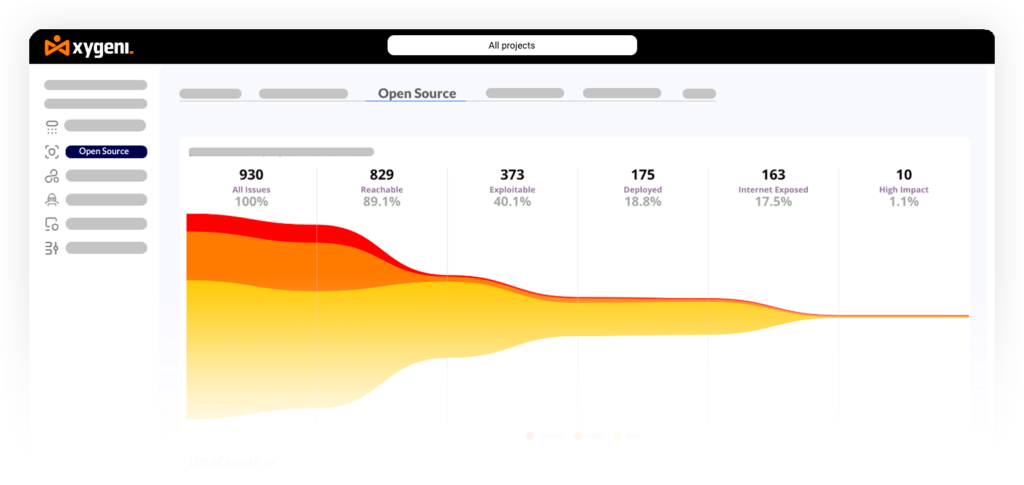
- Hankali mai amfani: Bugu da ƙari, yana ƙara yawan sakamako da bayanai daga EPS, CISKEV na A, da kuma nazarin yadda za a iya isa gare su don gano waɗanne raunin ne na gaske da kuma waɗanda za a iya amfani da su.
- Guardrails ga masu haɓaka: Sakamakon haka, ana toshe haɗuwa ko sabunta abubuwan da suka shafi dogaro ta atomatik. Masu haɓakawa za su iya saita manufofin tsaro waɗanda ke tilasta bin ƙa'idodi ba tare da rage jinkirin sakin ba.
- Gyara ta atomatik: Bugu da kari, Bot ɗin Xygeni yana buɗewa lafiya pull requests tare da ingantattun sigogi ko faci na tsari. Har ma yana nuna yiwuwar canje-canje masu karyewa ta hanyar Haɗarin Gyara ganowa kafin su shafi samarwa.
- Ganuwa ta tsakiya: Duk binciken da aka yi: SAST, SCA, IaC, da Sirri, sun bayyana a cikin haɗin kai ɗaya dashboardSaboda haka, ƙungiyoyin DevSecOps za su iya bin diddigin ci gaban, su ba da fifiko ta hanyar amfani da damar da za a iya amfani da ita, da kuma rage hayaniya.
Yadda Yake Kammala Gwajin Shiga Jiki
Ko da yake na'urar duba raunin da ya faru da gwajin shigar ciki sau da yawa yana kama da gasa, duka hanyoyin biyu suna da alaƙa.
Na'urar daukar hoto tana rufe fadi da sauri, yayin da gwajin shigar ciki yana ba da mahallin da zurfi.
tare da Na'urar Duba Halin Rashin Lafiya ta Xygeni, za ku iya ci gaba da yin scanning akai-akai kuma har yanzu kuna tabbatar da sakamako ta hanyar gwaji da hannu ko da aka tsara.
Misali:
- Gudanar da binciken raunin da aka sarrafa ta atomatik akan kowane pull request.
- Tabbatar da mahimman abubuwan da aka gano ta hanyar gwajin alkalami mai sauƙi a cikin tsari.
- Gyara ta atomatik tare da Bot ɗin Xygeni don gyarawa cikin sauri da aminci.
Wannan tsari yana tabbatar da cewa tattaunawa tsakanin gwajin shiga ciki da na'urar duba raunin jiki ya ɓace, domin kuna samun duka biyun: saurin dubawa da kuma tabbacin gwaji.
Kammalawa: Dalilin da yasa Gwajin Shiga Jiki da Dubawa Mai Rauni ke Aiki Mafi Kyau Tare
A ƙarshe, tattaunawar ta kasance gwajin shiga ciki da na'urar duba raunin jiki bai kamata ya kasance game da zaɓar ɗaya ko ɗayan ba, yana nufin haɗa duka biyun cikin hikima.
Dubawa cikin rauni vs gwajin shiga yana aiki ne kawai lokacin da ganuwa ta atomatik da tabbatarwa ta zahiri suka haɗu.
Idan aka haɗa shi da kayan aiki kamar Na'urar Duba Halin Rashin Lafiya ta Xygeni, daidaiton ya zama ba tare da wata matsala ba:
- Yi bincike akai-akai don hana komawa baya.
- Gwada lokaci-lokaci don tabbatar da ingancinsa.
- Gyara ta atomatik don kiyaye saurin isarwa.
Bugu da ƙari, wannan tsarin haɗin gwiwa yana tabbatar da cewa kowane duba raunin da ya faru da gwajin shigar ciki Yana ƙara wa juna ƙarfi. Dubawa yana ba da haske mai ci gaba, yayin da gwaji ke tabbatar da ainihin amfani.
Daga qarshe, gwajin shiga ciki da na'urar duba raunin jiki tare suna taimaka wa ƙungiyoyin ci gaba su kare dukkan ayyukansu SDLC, daga lambar tushe zuwa samarwa, ba tare da rasa ƙarfin aiki ba.
Game da Author
Written by Fatima Said, Manajan Tallan Abubuwan Ciki ƙwararre ne a fannin Tsaron Aikace-aikace a Tsaron Xygeni.
Fátima tana ƙirƙirar abun ciki mai dacewa da masu haɓakawa, wanda ya dogara da bincike akan AppSec, ASPM, da kuma DevSecOps. Tana fassara ra'ayoyin fasaha masu rikitarwa zuwa fahimta bayyanannu, masu aiki waɗanda ke haɗa kirkire-kirkire na tsaro ta yanar gizo da tasirin kasuwanci.