


परिचय: एप्लिकेशन सुरक्षा परीक्षण क्यों महत्वपूर्ण है
यदि आप सॉफ्टवेयर बनाते हैं, सॉफ्टवेयर विकास के लिए सुरक्षा यह महज एक अतिरिक्त सुविधा नहीं है—यह अनिवार्य है। साइबर खतरे प्रतिदिन विकसित हो रहे हैं, ऐसे में एप्लिकेशन सुरक्षा परीक्षण कमजोरियों को जल्दी पकड़ने और सुरक्षित सॉफ्टवेयर विकास सुनिश्चित करने में महत्वपूर्ण भूमिका निभाता है। हालांकि, समस्याओं का पता लगाना तो आधी लड़ाई ही है। अधिक महत्वपूर्ण बात, आप इन्हें कैसे ठीक करते हैं? इसका उत्तर देने के लिए, हम विभिन्न विकल्पों का पता लगाएंगे। एप्लिकेशन सुरक्षा परीक्षण के प्रकार, सुरक्षा परीक्षण में सर्वोत्तम पद्धतियाँ सॉफ्टवेयर विकास में, और सुधारात्मक रणनीतियाँ इससे आपको सुरक्षित कोड को कुशलतापूर्वक भेजने में मदद मिलेगी।
एप्लिकेशन सुरक्षा परीक्षण के प्रकार
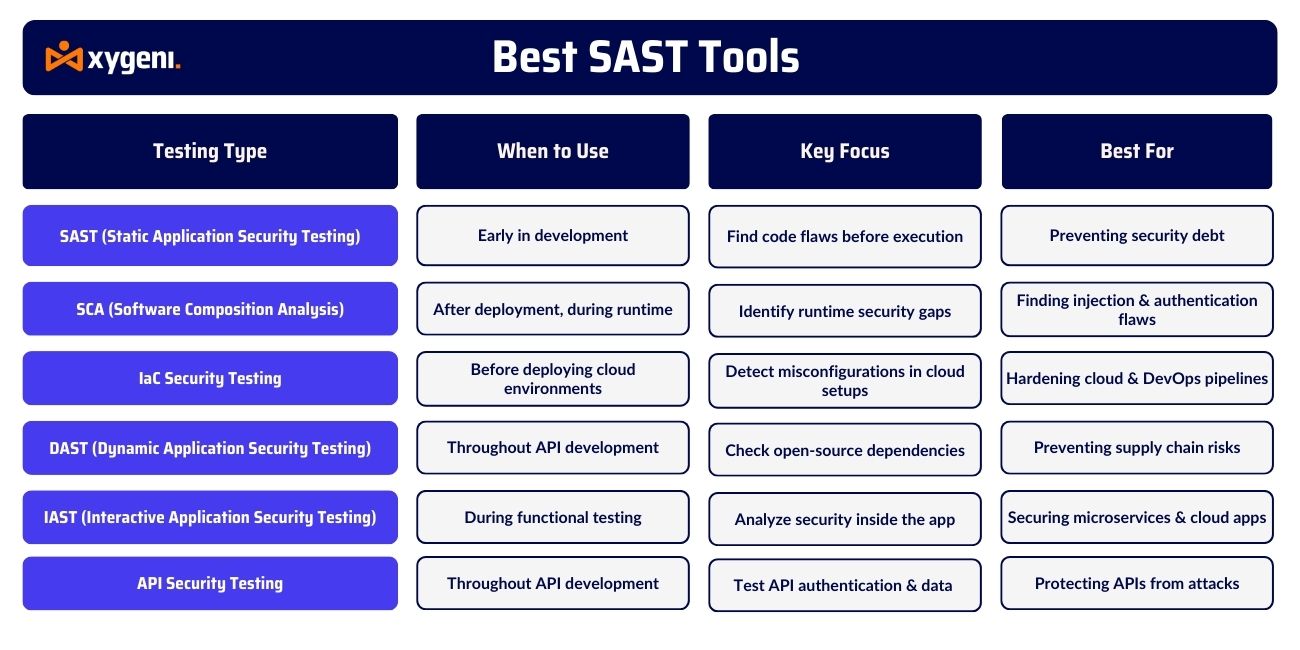
सॉफ्टवेयर विकास की सुरक्षा के लिए केवल एक ही परीक्षण पद्धति पर्याप्त नहीं है। अनुप्रयोगों को सुरक्षित करना कोई एक जैसा तरीका नहीं है। इसके बजाय, विभिन्न अनुप्रयोग सुरक्षा परीक्षण विधियाँ अलग-अलग स्तरों पर कमजोरियों को उजागर करने में मदद करती हैं। सॉफ्टवेयर विकास जीवनचक्र के चरण (SDLC).
इन सुरक्षा उपायों को एक साथ लागू करके, टीमें एप्लिकेशन को मजबूत बना सकती हैं, सुरक्षा जोखिमों को कम कर सकती हैं और हमलावरों द्वारा उनका फायदा उठाने से पहले ही कमजोरियों को रोक सकती हैं। प्रत्येक विधि सॉफ्टवेयर को सुरक्षित करने में एक अनूठी भूमिका निभाती है, जिससे कोड विकास से लेकर परिनियोजन तक सुरक्षा सुनिश्चित होती है।
आइए सबसे प्रभावी प्रकार के एप्लिकेशन सुरक्षा परीक्षणों पर करीब से नज़र डालें और देखें कि वे टीमों को सुरक्षित सॉफ़्टवेयर बनाने में कैसे मदद करते हैं।
1. सॉफ्टवेयर संरचना विश्लेषण (SCA)
स्वामित्व वाले कोड का विश्लेषण करने के अलावा, आधुनिक अनुप्रयोग ओपन-सोर्स लाइब्रेरी पर बहुत अधिक निर्भर करते हैं। हालांकि ये घटक फायदेमंद हो सकते हैं, लेकिन इनसे सुरक्षा जोखिम भी उत्पन्न हो सकते हैं। यहीं पर समस्या आती है। सॉफ्टवेयर रचना विश्लेषण जब यह काम आता है, तो यह टीमों को कमजोरियों और लाइसेंसिंग संबंधी समस्याओं के लिए तृतीय-पक्ष निर्भरताओं की लगातार निगरानी करने में मदद करता है।
कब इस्तेमाल करें: लगातार, भर में SDLC.
यह कैसे काम करता है: यह ज्ञात कमजोरियों और अप्रचलित घटकों के लिए ओपन-सोर्स निर्भरताओं की जांच करता है।
के लिए सबसे अच्छा: आपूर्ति श्रृंखला हमलों को रोकना और सुरक्षा अनुपालन सुनिश्चित करना standards.
2. स्थिर अनुप्रयोग सुरक्षा परीक्षण (SAST)
सबसे पहले और सबसे महत्वपूर्ण बात यह है कि विकास के शुरुआती चरण में ही सुरक्षा खामियों को पकड़ना बेहद जरूरी है। SAST इससे डेवलपर्स को कोड के एक्जीक्यूट होने से पहले ही कमजोरियों की पहचान करने में मदद मिलती है, जिससे यह सुनिश्चित होता है कि समस्याओं को महंगा होने से पहले ही हल कर लिया जाए।
कब इस्तेमाल करें: विकास के प्रारंभिक चरण में (शिफ्ट-लेफ्ट सुरक्षा)।
यह कैसे काम करता है: यह निष्पादन से पहले कोड को स्कैन करता है, जिससे स्रोत कोड, बाइटकोड या बाइनरी में मौजूद कमजोरियों का पता चलता है।
के लिए सबसे अच्छा: तैनाती से पहले कोड स्तर की खामियों की पहचान करना।
3. इंफ्रास्ट्रक्चर एज़ कोड (IaCसुरक्षा परीक्षण
क्लाउड वातावरणों को तेजी से अपनाने के साथ, बुनियादी ढांचे के विन्यास को सुरक्षित करना उतना ही महत्वपूर्ण है जितना कि एप्लिकेशन कोड को सुरक्षित करना। IaC security परीक्षण यह सुनिश्चित करता है कि तैनाती से पहले गलत कॉन्फ़िगरेशन का पता लगाया जाए और उन्हें ठीक किया जाए।
कब इस्तेमाल करें: क्लाउड वातावरण को तैनात करने से पहले।
यह कैसे काम करता है: टेराफॉर्म को स्कैन करता है, बादल निर्माण, Kubernetes, तथा डाक में काम करनेवाला मज़दूर सुरक्षा जोखिमों के लिए फाइलें।
के लिए सबसे अच्छा: सुरक्षित क्लाउड-नेटिव एप्लिकेशन और डेवऑप्स सुनिश्चित करना pipelines.
4. डायनामिक एप्लीकेशन सिक्योरिटी टेस्टिंग (डीएएसटी)
विपरीत SASTजो स्थैतिक कोड का विश्लेषण करता है, DAST एक अलग दृष्टिकोण अपनाता है। एप्लिकेशन को चलते समय उनका परीक्षण करके। वास्तविक दुनिया के हमलों का अनुकरण करके, दस्ते यह उन सुरक्षा खामियों की पहचान करता है जो केवल निष्पादन के दौरान ही सामने आती हैं।
कब इस्तेमाल करें: तैनाती के बाद, रनटाइम के दौरान।
यह कैसे काम करता है: यह ऐप पर उसी तरह हमला करता है जैसे कोई हैकर करता है, और लाइव वातावरण में सुरक्षा कमजोरियों का पता लगाता है।
के लिए सबसे अच्छा: इंजेक्शन हमलों, प्रमाणीकरण खामियों और गलत कॉन्फ़िगरेशन का पता लगाना।
5. इंटरैक्टिव एप्लिकेशन सुरक्षा परीक्षण (आईएएसटी)
कुछ कमजोरियां स्थैतिक और गतिशील दोनों प्रकार के परीक्षणों से बच सकती हैं। इस अंतर को पाटने के लिए, आईएएसटी यह एप्लिकेशन निष्पादन के दौरान वास्तविक समय में सुरक्षा विश्लेषण प्रदान करता है, जिससे टीमें कोड संदर्भ को संरक्षित करते हुए गतिशील रूप से कमजोरियों का पता लगा सकती हैं।
कब इस्तेमाल करें: कार्यात्मक परीक्षण के दौरान।
यह कैसे काम करता है: यह एप्लिकेशन के भीतर वास्तविक समय के विश्लेषण का उपयोग करके सुरक्षा जोखिमों की पहचान करता है।
के लिए सबसे अच्छा: माइक्रोसेवाएं, कंटेनरीकृत ऐप्स और क्लाउड-नेटिव एप्लिकेशन।
6. एपीआई सुरक्षा परीक्षण
जैसे-जैसे API आधुनिक अनुप्रयोगों की रीढ़ बनते जा रहे हैं, साइबर हमलों का निशाना भी उन पर बढ़ता जा रहा है। API सुरक्षा परीक्षण यह सुनिश्चित करता है कि एंडपॉइंट गलत कॉन्फ़िगरेशन और अनधिकृत पहुंच से सुरक्षित रहें।
कब इस्तेमाल करें: एपीआई विकास के दौरान।
यह कैसे काम करता है: कमजोर प्रमाणीकरण, अनुचित कॉन्फ़िगरेशन और डेटा लीक की जांच करता है।
के लिए सबसे अच्छा: एपीआई से संबंधित सुरक्षा खतरों और डेटा लीक को रोकना।
सॉफ्टवेयर विकास के लिए सुरक्षा परीक्षण में सर्वोत्तम पद्धतियाँ
एप्लिकेशन को सुरक्षित करना केवल परीक्षण चलाने तक सीमित नहीं है—बल्कि सुरक्षा को विकास प्रक्रिया का एक अभिन्न अंग बनाना है। इन सर्वोत्तम प्रथाओं का पालन करके, टीमें शुरुआती चरण में ही कमजोरियों का पता लगा सकती हैं, सुरक्षा जांच को स्वचालित कर सकती हैं और विकास को धीमा किए बिना वास्तविक खतरों को ठीक करने पर ध्यान केंद्रित कर सकती हैं।
1. सुरक्षाकर्मियों को बाईं ओर स्थानांतरित करें
सुरक्षा की शुरुआत होनी चाहिए विकास चक्र के प्रारंभिक चरण मेंतैनाती के बाद नहीं।
- रन SAST और SCA स्कैन सुरक्षा संबंधी समस्याओं को उत्पादन तक पहुंचने से रोकने के लिए कोड लिखे जाने के तुरंत बाद कार्रवाई की जाती है।
- डेवलपर्स को दें कार्रवाई योग्य प्रतिक्रिया ताकि वे गंभीर जोखिम बनने से पहले ही कमजोरियों को ठीक कर सकें।
2. सुरक्षा को स्वचालित करें CI/CD Pipelines
सुरक्षा को काम करना चाहिए डेवऑप्स गतिइसे धीमा नहीं करना है।
- एकीकृत SAST, डीएएसटी, और SCA अपने में CI/CD pipelines प्रत्येक कोड को स्कैन करने के लिए commit स्वचालित रूप से.
- उपयोग नीति-आधारित नियंत्रण असुरक्षित कोड को तैनात होने से रोकने के लिए।
3. अपनी निर्भरताओं को सुरक्षित करें
आधुनिक अनुप्रयोग ओपन-सोर्स सॉफ़्टवेयर पर निर्भर रहेंजिससे सुरक्षा संबंधी छिपे हुए जोखिम उत्पन्न हो सकते हैं।
- स्वचालित SCA स्कैनिंग समस्या उत्पन्न होने से पहले ही कमजोर तृतीय-पक्ष पुस्तकालयों का पता लगाना।
- हटाना अप्रचलित निर्भरताएँ और पैच उपलब्ध होते ही उन्हें लगा दें।
4. जोखिम के आधार पर कमजोरियों को प्राथमिकता दें
सभी कमजोरियां एक जैसी नहीं होतीं—जो कमजोरियां हैं उन्हें ठीक करने पर ध्यान दें वास्तव में मायने रखता है.
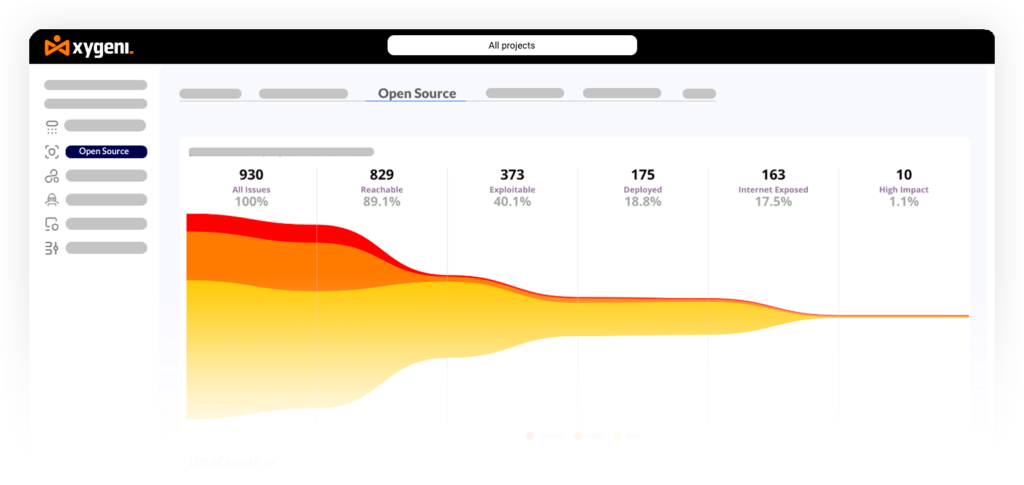
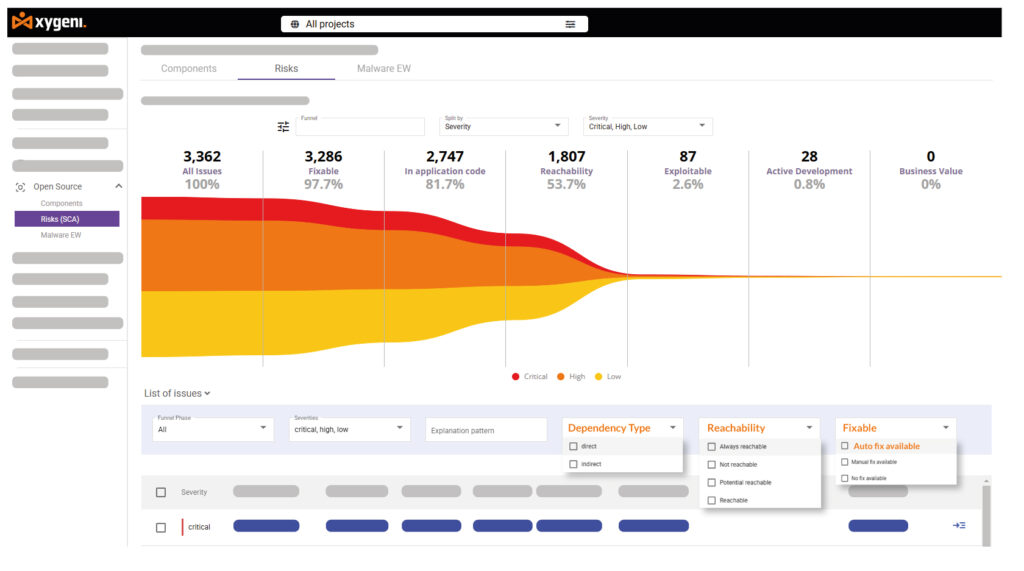
- उपयोग ईपीएसएस स्कोरिंग और पहुँचयोग्यता विश्लेषण प्राथमिकता देना शोषण योग्य जोखिम मामूली मुद्दों पर।
- कम करना थकावट कम प्रभाव वाली सुरक्षा चेतावनियों को फ़िल्टर करके।
5. वास्तविक समय में विसंगतियों की निगरानी करें
कोड डिप्लॉय होने के बाद भी सुरक्षा खतरे खत्म नहीं होते—निरंतर निगरानी महत्वपूर्ण है.
- उपयोग वास्तविक समय विसंगति का पता लगाना अनधिकृत परिवर्तनों को ट्रैक करने के लिए CI/CD pipelineएस और क्लाउड कॉन्फ़िगरेशन।
- पकड़ो और सुरक्षा संबंधी खामियों को ठीक करें इससे पहले कि वे किसी उल्लंघन का कारण बनें।
ईपीएसएस क्या है और यह क्यों महत्वपूर्ण है?
हर खामी एक वास्तविक खतरा नहीं होती, और सुरक्षा टीमें एक ही बार में सब कुछ ठीक नहीं कर सकतीं। एक्सप्लॉइट प्रेडिक्शन स्कोरिंग सिस्टम (ईपीएसएस) यह वास्तविक दुनिया में होने वाली संभावित कमजोरियों को प्राथमिकता देने में मदद करता है, जिससे यह सुनिश्चित होता है कि टीमें सबसे संभावित हमलों पर ध्यान केंद्रित करें।
- यह कैसे काम करता है: सभी कमजोरियों को एक समान मानने के बजाय, EPSS प्रत्येक कमजोरी को एक अलग श्रेणी में रखता है। जोखिम स्कोर वास्तविक शोषण प्रवृत्तियों पर आधारित। परिणामस्वरूप, टीमें कर सकती हैं पहले गंभीर समस्याओं को ठीक करें इससे पहले कि हमलावर इनका फायदा उठा सकें।
- यह क्यों उपयोगी है: प्रतिदिन हजारों नई कमजोरियां सामने आने के साथ, ईपीएसएस अनावश्यक अलर्ट को फ़िल्टर करता है ताकि टीमें कर सकें उच्च जोखिम वाले मुद्दों पर ध्यान केंद्रित करें छोटी-मोटी समस्याओं पर समय बर्बाद करने के बजाय।
- Xygeni इसका उपयोग कैसे करता है: EPSS को बेहतर बनाने के लिए, Xygeni यह सुनिश्चित करता है कि पहुंच योग्यता विश्लेषण शामिल होटीमों को उपलब्ध कराना केवल उन कमजोरियों को ठीक करें जिनका फायदा उठाया जा सकता है। जब कम प्रभाव वाले अलर्ट से बचना.
EPSS का उपयोग करके, Xygeni सुरक्षा और DevOps टीमों को सही समस्याओं को तेजी से और बेहतर तरीके से हल करने में मदद करता है।
Xygeni एप्लिकेशन सुरक्षा परीक्षण उपकरण
Xygeni में, हम मानते हैं कि सुरक्षा अवश्य होनी चाहिए। सशक्त विकास, न कि उसकी गति धीमी करना। एप्लिकेशन सुरक्षा परीक्षण समाधान के लिए बनाये गये हैं गति, सटीकता और निर्बाध डेवऑप्स एकीकरणXygeni को खास बनाने वाली बातें ये हैं:
- कक्षा में सबसे उत्तम SAST – कमजोरियों का पता लगाना कोड चलने से पहले और तकनीकी खामियों को कम करने के लिए सुरक्षा संबंधी समस्याओं का जल्द से जल्द समाधान करें।
- बुद्धिमान SCA – ओपन-सोर्स निर्भरताओं की निगरानी करें वास्तविक समय मेंआपूर्ति श्रृंखला हमलों को रोकना।
- आसान डेवऑप्स एकीकरण – इसके साथ काम करता है जेनकिंस, गिटहब एक्शन्स, गिटलैब CI/CDबिटबकेट Pipelineऔर एज़्योर डेवऑप्स स्वचालित सुरक्षा स्कैन के लिए।
- स्मार्ट प्राथमिकता, शोर नहीं – EPSS स्कोरिंग और पहुंच विश्लेषण यह सुनिश्चित करते हैं कि टीमें गलत चेतावनियों को ठीक करने के बजाय, जो मायने रखता है उसे ठीक करें।.
- स्वचालन के साथ त्वरित समाधान – निवारण संबंधी दिशानिर्देश समाधान प्रक्रिया को गति प्रदान करते हैं। डेवलपर्स की उत्पादकता बनाए रखना.
Xygeni के साथ, टीमें बिना किसी जटिलता के सुरक्षित सॉफ़्टवेयर बनाएं—ताकि वे कर सकें तेजी से और भरोसे के साथ शिपिंग करें.
निष्कर्ष: अनुप्रयोग सुरक्षा परीक्षण के लिए बेहतर सुरक्षा
सॉफ्टवेयर विकास में सुरक्षा का मतलब सिर्फ कमजोरियों को खोजना ही नहीं है—बल्कि रिलीज की गति धीमी किए बिना उन्हें कुशलतापूर्वक ठीक करना भी है। सही प्रकार के एप्लिकेशन सुरक्षा परीक्षण और सॉफ्टवेयर विकास के लिए सुरक्षा परीक्षण में सर्वोत्तम प्रथाओं का उपयोग करके, टीमें सुरक्षा को अपने कार्यप्रवाह का एक सहज हिस्सा बना सकती हैं।
सेवा मेरे बिना किसी समझौते के सुरक्षा को सरल बनाएंटीमों को चाहिए कि:
- सुरक्षा को शुरुआत में ही एकीकृत करें खामियों को महंगा साबित होने से पहले ही रोकना।
- सुरक्षा को स्वचालित करें CI/CD pipelines समस्याओं को पकड़ने के लिए तैनाती से पहले.
- निर्भरताओं की निगरानी करें साथ में SCA आपूर्ति श्रृंखला संबंधी जोखिमों से बचने के लिए।
- वास्तविक खतरों पर ध्यान केंद्रित करें का उपयोग ईपीएसएस और पहुंच योग्यता विश्लेषण.
- एपीआई और बुनियादी ढांचे का परीक्षण करें सुरक्षा खामियों को रोकने के लिए निरंतर प्रयास करना।
At Xygeni में, सुरक्षा DevOps के साथ कदम मिलाकर चलती है।—तेज़, कुशल और आधुनिक विकास टीमों के लिए निर्मित।
क्या आप बिना किसी रुकावट के अपने सॉफ़्टवेयर को सुरक्षित करना चाहते हैं? आज ही Xygeni से संपर्क करें और अपनी सुरक्षा रणनीति को बेहतर बनाएं।