10 למעלה SDLC כלים לאבטחה שכדאי לשקול בשנת 2026
צוותי פיתוח שולחים נתונים מהר יותר מאי פעם, והתוקפים יודעים זאת. קוד מקור, תלויות בקוד פתוח, CI/CD pipelineותשתיות ענן הן כיום מטרות עיקריות בכל שלב בתהליך אספקת התוכנה. מסורתי SDLC כלים שנבנו אך ורק למטרות פרודוקטיביות וניהול משימות משאירים פערים קריטיים שיריבים מודרניים מנצלים באופן פעיל. מדריך זה מכסה את 10 המובילים SDLC כלים לאבטחה בשנת 2026: מה כל אחד מהם עושה, היכן הוא מתאים, וכיצד לבחור את השילוב הנכון עבור מחסנית הצוות, גודלו ודרישות התאימות.
מה הם SDLC כלים לאבטחה?
מחזור חיים של פיתוח תוכנה (SDLC) כלים לאבטחה הן פלטפורמות המשלבות זיהוי פגיעויות, אכיפת תאימות וניהול סיכונים ישירות בתהליך העבודה של הפיתוח, מההתחלה commit לפריסת ייצור. בניגוד לכלי DevOps מסורתיים המתמקדים אך ורק בניהול משימות או CI/CD אוטומציה, ממוקדת אבטחה SDLC כלים משלבים SAST, SCA, גילוי סודות, IaC סריקה, ועוד לתוך pull requests, pipelines ו-IDEs כך שבעיות יתפסו ויתוקנו במקום בו נכתב הקוד.
10 למעלה SDLC כלים לאבטחה בשנת 2026
| כלי | תכונת הליבה | הכי טוב | להבליט |
|---|---|---|---|
| קסיגני | מחסנית מלאה SDLC אבטחה: SAST, SCA, DAST, IaCסודות, CI/CD, ASPM | צוותים המעוניינים בהגנה מאוחדת, מבוססת בינה מלאכותית, מקצה לקצה | בינה מלאכותית של Agentic עם DevAI, CoreAI, תיקון אוטומטי של בינה מלאכותית ותעדוף ללא רעש |
| Jira | זרימת עבודה של אבטחה ומעקב אחר פגיעויות | צוותים שכבר משתמשים ב-Jira לניהול ספרינטים | זרימות עבודה מותאמות אישית לתיקון באמצעות אינטגרציות |
| אבטחה מתקדמת של GitHub | CodeQL SAST וסריקה סודית | צוותים מקוריים של GitHub | אינטגרציה עמוקה של GitHub Actions |
| soundQube | ניתוח קוד סטטי ושערי איכות | צוותי הנדסה המתמקדים באיכות הקוד | ריבוי שפות SAST עם תוספים של IDE |
| סניק | SCA, מיכל, ו IaC סריקה | אבטחת קוד פתוח ממוקדת מפתחים | תיקון תלות אוטומטי של יחסי ציבור |
| צ'קמרקס | Enterprise SAST, SCAואבטחת API | גדול enterpriseעם חובות ציות | אכיפת מדיניות מעמיקה ומיפוי תאימות |
| דרקון האיום של OWASP | מידול איומים והדמיה של וקטורי תקיפה | אדריכלי אבטחה וצוותי שלב התכנון | מידול איומים חינמי בקוד פתוח |
| דוקר סקאוט | סריקת פגיעויות של תמונות קונטיינר ו SBOM | צוותים שבונים יישומים מבוססי קונטיינרים | SPDX ו-CycloneDX SBOM דור |
| ג'נקינס + תוספים | גמיש CI/CD אוטומציה עם תוספי אבטחה | צוותים הזקוקים לקוד פתוח הניתן להתאמה אישית pipeline | מערכת אקולוגית נרחבת של תוספים עבור SAST, SCA, IaC |
| אבטחת API של פוסטמן | סריקת נקודות קצה של API ובדיקות fuzz | צוותי API ראשונים הזקוקים לאימות טרום פריסה | סביבת עבודה של בדיקות API שיתופיות |

סקירה כללית: קסיגני היא פלטפורמת אבטחת יישומים המונעת על ידי בינה מלאכותית, שנבנתה עבור צוותים הזקוקים להגנה מלאה מקצה לקצה לאורך כל מחזור חיי פיתוח התוכנה מבלי להתפשר על מהירות האספקה. במקום לנהל ערימה מקוטעת של סורקים חד-תכליתיים, Xygeni מאחדת SAST, SCA, DAST, IaC סריקה, זיהוי סודות, הגנה מפני תוכנות זדוניות, CI/CD בִּטָחוֹן, ASPM, build securityוזיהוי אנומליות בתהליך עבודה עקבי אחד למפתחים.
מה שמייחד את Xygeni בשנת 2026 הוא שכבת הבינה המלאכותית Agentic שלה. הפלטפורמה מציגה שני מנועי בינה מלאכותית, DevAI ו-CoreAI, אשר משתתפים באופן פעיל בזיהוי, קביעת סדרי עדיפויות ותיקון במקום רק לדווח על ממצאים. רעש האבטחה מופחת עד 90% באמצעות קביעת סדרי עדיפויות ללא רעש, והמפתחים מקבלים הדרכה בתוך ה-IDE שלהם לפני שבעיות מגיעות ל... pipeline.
בינה מלאכותית סוכנתית: DevAI ו-CoreAI
Xygeni DevAI הוא קו-טייס אבטחה של בינה מלאכותית (AI) המוטמע ישירות בתוך IDEs מודרניים. הוא מנתח קוד שנכתב על ידי אדם וקוד שנוצר על ידי בינה מלאכותית באופן רציף בזמן אמת, מסביר נתיבי פרצות, מיישם... guardrails שחוסמים שינויים לא בטוחים, ומספקים תיקונים מאובטחים ומוכנים למיזוג, המאומתים באמצעות שרת MCP המובנה של Xygeni. DevAI מעריך את הסיכון לתיקון ואת ההשפעה של שינויים שבריריים לפני שהוא ממליץ על תיקון כלשהו, ומבטיח שמפתחים מקבלים הדרכה בטוחה לייצור ומותאמת ל- enterprise מדיניות. בשנת 2026, Xygeni DevAI זכתה להכרה בטקס פרסי Global InfoSec עבור אבטחת יישומי GenAI. ניתן ללמוד עוד על אבטחת קידוד בינה מלאכותית וכיצד למנוע פגיעויות בקוד שנוצר על ידי בינה מלאכותית.
Xygeni CoreAI הוא טייס המשנה של בינה מלאכותית עבור מנהיגי אבטחה וצוותי DevSecOps. הוא מתרגם נתוני אבטחה מקוטעים לתובנות אמיתיות, ומחבר ממצאים טכניים להשפעה עסקית באמצעות שאילתות בשפה טבעית, דוחות מוכנים למנהלים, פעולות תיקון אוטומטיות ומעקב אחר ממשל. CoreAI קולט ממצאים מסורקים של Xygeni עצמה וכן מסורקים של צד שלישי. SAST, SCA, DAST, ו IaC כלים, ואיחודם לתצוגה אחת ניתנת לפעולה.
חבילת מוצרים מלאה
- SAST: קדם-הספק גבוהcisניתוח סטטי יונים המופעל על ידי בינה מלאכותית, עם זיהוי תוכנות זדוניות ותיקון אוטומטי של בינה מלאכותית לתיקון מיידי ומודע להקשר ישירות ב- pull requests. תומך AI SAST הן עבור קוד אנושי והן עבור קוד שנוצר על ידי בינה מלאכותית, עם מנוע קביעת עדיפויות מבוסס סיכונים המסנן ממצאים לפי ניצול והשפעה.
- SCA: מזהה תלויות בקוד פתוח פגיעות וזדוניות באמצעות ניתוח נגישות, ניקוד סיכוני תיקון, שדרוגי תלויות אוטומטיים ו- SBOM ייצוא בפורמטים CycloneDX ו-SPDX.
- DAST: מנתח יישומי אינטרנט ו-APIs הפועלים מנקודת מבטו של תוקף, ומזהה פגמים הניתנים לניצול כגון הזרקת SQL, XSS וחולשות אימות שניתוח סטטי אינו יכול למצוא. משתלב ב- CI/CD pipelineבאמצעות סורק ממשק שורת הפקודה xy-dast ומשפך העדיפויות של Xygeni, המסנן ממצאים לפי חשיפה לאינטרנט, סטטוס אימות והשפעה עסקית.
- אבטחת סודות: מזהה וחוסם דליפת סודות בכל שלב של ה- SDLC, כולל בתוך היסטוריית גיט, pipeline, מכולות ומאגרים. עצירות commits באמצעות שילוב Git hook ומסיר תוצאות חיוביות שגויות באמצעות אימות סודי חכם.
- IaC Security: סורק את Terraform, Kubernetes, Helm, Ansible, AWS CloudFormation ואחרים IaC תבניות עבור מאות תצורות שגויות בענן, אכיפה guardrails לפני שתצורות מסוכנות מגיעות לייצור. ראה IaC security שיטות עבודה מומלצות להקשר.
- CI/CD אבטחה: סריקה רציפה pipeline הוצאות להורג לחסימת התקפות שרשרת אספקה, זיהוי תצורות שגויות בסקריפטי בנייה ו pipeline הגדרות, ולאכוף מדיניות של פחות הרשאות בכל CI/CD כלים. קרא עוד על אבטחה guardrails ל CI/CD pipelines.
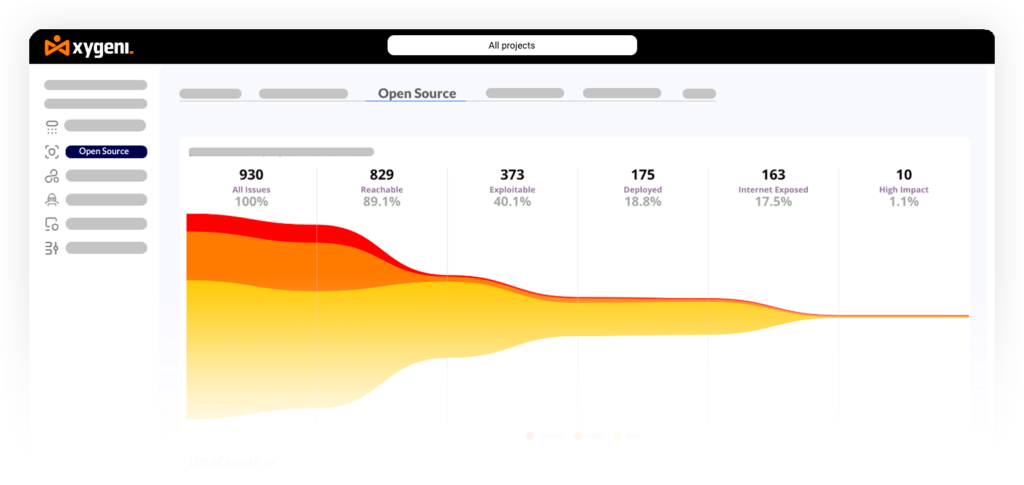
- ASPM: השמיים Application Security Posture Management השכבה מגלה, מקטלגת ומעריכה באופן אוטומטי את כל נכסי התוכנה במאגרים שונים, pipelineוסביבות ענן. הוא מטמיע ממצאים מכלים של צד ראשון ושלישי לתוך מערכת סיכונים מאוחדת dashboard ומשתמש במשפכים דינמיים כדי לחדד את קביעת העדיפויות לפי ניצול, נגישות והקשר עסקי. זכה להכרה בכנס RSA 2024 ובפרסי Global InfoSec 2026.
- הגנה מפני תוכנות זדוניות: מזהה וחוסם קוד זדוני, איומי יום אפס והתקפות שרשרת אספקה בזמן אמת על פני קוד יישומים, חבילות קוד פתוח, CI/CD pipelineותשתית. מספק התרעה מוקדמת על ידי ניתוח חבילות שפורסמו לאחרונה וחסימת הפכות הפוכה, הורדות זדוניות ושינויי קוד לא מורשים.
- Build Security: מבטיח שלמות רציפה של חפצים באמצעות אימות בזמן אמת, חתימות ללא מפתח, SLSA provenance תמיכה, ואימותים מותאמים אישית in-toto. חוסם חפצים שעברו שינוי גישה לפני מסירה או פריסה.
- זיהוי אנומליות: ניטור התנהגותי בזמן אמת של CI/CD תשתית ומאגרי קוד. מזהה ומתריע על פעולות חשודות כגון אמצעי אבטחה שהושבתו, ניסיונות גישה לא מורשים והפרות מדיניות.
נקודות חוזק:
- תעדוף ללא רעש: מפחית את עוצמת ההתראות עד 90% תוך שימוש בניצול, נגישות והקשר עסקי
- ניתוח סיכונים של תיקון אוטומטי ותיקון באמצעות בינה מלאכותית להחיל תיקונים בטוחים מבלי לשבור מבנים
- יליד CI/CD אינטגרציה עם GitHub Actions, GitLab CI/CDג'נקינס, ביטבאקאט Pipelineו-Azure DevOps
- אכיפת ציות ממופה ל-NIST, CIS, ISO 27001, SOC 2, OWASP, ו- OpenSSF
- מאגרים ותורמים ללא הגבלה ללא תמחור לפי מושב
- שרת MCP לפעולות בטוחות ומונעות מדיניות מצד טייסי משנה וסוכני בינה מלאכותית
הכי טוב בשביל: צוותי הנדסה, DevSecOps ומנהיגות אבטחה הזקוקים לפלטפורמה אחת המופעלת על ידי בינה מלאכותית המכסה כל שכבה של SDLC, החל מקוד ותלויות ועד לזמן ריצה, תשתית ושרשרת אספקה, מבלי לנהל סט כלים מקוטע.
תמחור: החל מ-33 דולר לחודש עבור פלטפורמה מלאה ומקיפה. כולל SAST, SCA, CI/CD אבטחה, גילוי סודות, IaC Securityוסריקת מכולות. מאגרים ותורמים ללא הגבלה ללא תמחור לפי מושב.
2. ג'ירה עם זרימות עבודה אבטחה
סקירה כללית:
Jira הוא כלי ניהול הפרויקטים והספרינטים הנפוץ ביותר ב-DevOps. למרות שהוא אינו כולל סריקת אבטחה מקורית, הוא ממלא תפקיד קריטי ב- SDLC על ידי מתן שכבת זרימת עבודה שעוקבת אחר פגיעויות משלב הגילוי ועד לתיקון. כאשר היא מחוברת לכלי סריקה דרך אינטגרציות או השוק של Atlassian, היא הופכת למרכז מרכזי לניהול חובות אבטחה לצד משימות פיתוח רגילות.
תכונות עיקריות:
- יצירת כרטיסים אוטומטית מ SAST, SCA, ו IaC ממצאי הסורק
- זרימות עבודה מותאמות אישית לתיקון אבטחה עם מעקב אחר SLA
- תנוחת סיכון dashboardדיווח מדדי תאימות
- מערכת אקולוגית רחבה של אינטגרציה המכסה את GitHub, GitLab, Snyk, Xygeni ואחרים
| Pros | חסרונות |
|---|---|
| אימוץ אוניברסלי בקרב צוותי הנדסה | אין יכולת סריקת אבטחה מקורית |
| זרימות עבודה גמישות מותאמות אישית למעקב אחר תיקונים | נראות האבטחה תלויה לחלוטין בכלים מחוברים |
| חזק dashboard ודיווחי ביקורת | כבד תצורה ודורש תחזוקה שוטפת |
הכי טוב בשביל: צוותים הזקוקים לשכבת מעקב מובנית אחר תיקונים כדי להשלים את סורקי האבטחה הקיימים שלהם, במיוחד אלו שכבר מפעילים זרימות עבודה של Atlassian ברחבי הארגון שלהם.
תמחור: תוכניות ענן מתחילות בכ-8 דולר למשתמש לחודש. פונקציונליות האבטחה תלויה באינטגרציות ובתוספים המחוברים.
3. אבטחה מתקדמת של GitHub (GHAS)
סקירה כללית: אבטחה מתקדמת של GitHub מרחיב את פלטפורמת GitHub עם ניתוח סטטי מובנה, סריקת תלויות וזיהוי סודות ישירות בפנים pull requests ו CI/CD ריצות. עבור קבוצות שכבר standardמבוסס על GitHub, הוא מוסיף אכיפת אבטחה מבלי לדרוש מהמפתחים לעזוב את סביבת העבודה העיקרית שלהם. האינטגרציה ההדוקה שלו עם GitHub Actions הופכת אותו לצעד ראשון טבעי עבור צוותים שמתחילים את... מסע DevSecOps.
תכונות עיקריות:
- CodeQL SASTניתוח סמנטי מעמיק למציאת דפוסי פגיעות מורכבים בשפות נתמכות
- Dependabot: זיהוי אוטומטי של חבילות מיושנות או פגיעות עם עדכונים מוצעים
- סריקה סודית: מזהה אישורים חשופים במאגרים שונים לפני מיזוג הקוד
- אבטחה מרכזית dashboardאיסוף ממצאים בין מאגרים שונים לצורך מעקב אחר תאימות
| Pros | חסרונות |
|---|---|
| אינטגרציה עמוקה של מערכת אקולוגית GitHub עם התקנה מינימלית | בלעדי ל-GitHub, ללא תמיכה ב-GitLab או Bitbucket |
| קוד QL חזק SAST מנוע עבור שפות נתמכות | לא IaC, DAST, או סריקת מכולות |
| סריקה סודית זמינה ברוב התוכניות | Enterprise תכונות דורשות תוכניות יקרות יותר ברמה גבוהה יותר |
הכי טוב בשביל: צוותים מלאים standardמבוססי GitHub שרוצים סריקת אבטחה מקורית ובעלת חיכוך נמוך, מבלי להוסיף כלים חיצוניים למחסנית שלהם.
תמחור: מורשה לפי פעילות commitתחת GitHub Enterprise. תמחור משתנה בהתאם לגודל הצוות ולשימוש.
4. כלי Sonarqube SDCL לאבטחה

סקירה כללית: soundQube היא אחת מפלטפורמות ניתוח איכות ואבטחת קוד המבוססות ביותר שקיימות. היא מבצעת ניתוח סטטי בעשרות שפות תכנות כדי לזהות פגיעויות, באגים וריחות קוד, תוך שילוב ישיר ב- CI/CD pipelineו-IDE של מפתחים לקבלת משוב מתמשך. קונספט שערי האיכות שלו, החוסם בניות כאשר מתגלות בעיות חמורות, הפך ל... standard דפוס ברבים זרימות עבודה של אבטחת פיתוח תוכנה.
תכונות עיקריות:
- ריבוי שפות SAST מנוע עם תמיכה רחבה בשפות enterprise ערימות
- שערים איכותיים החוסמים אוטומטית מבנים לא בטוחים או באיכות נמוכה
- תוספי IDE למשוב בזמן אמת במהלך פיתוח פעיל
- ניתוח מתמשך לאורך commitבקשות s, ענפים ומיזוג
| Pros | חסרונות |
|---|---|
| פלטפורמה בוגרת עם קהילה ומערכת אקולוגית גדולים | מוגבל לקוד מקור ללא SCA, DAST, IaC, או כיסוי מכולות |
| לולאת משוב חזקה למפתחים באמצעות תוספי IDE | דורש כוונון כדי למזער רעש חיובי כוזב |
| מהדורת קהילה חינמית זמינה לצוותים קטנים יותר | מהדורות מסחריות יקרות עבור ארגונים גדולים יותר |
הכי טוב בשביל: צוותים המתמקדים באיכות הקוד ו ניתוח קוד סטטי אשר משדכים את SonarQube עם כלים נפרדים עבור כיסוי תלויות, זמן ריצה ותשתיות.
תמחור: מהדורת הקהילה היא בחינם. מהדורות מסחריות מתחילות בכ-150 דולר למפתח לשנה.
5. כלי Snyk SDCL לאבטחה

סקירה כללית: סניק היא פלטפורמת אבטחה המיועדת למפתחים, הבנויה סביב ניהול תלויות בקוד פתוח ואבטחת מכולות. היא משתלבת ישירות ב-IDEs, פלטפורמות Git ו- CI/CD pipelineכדי לסרוק אחר ספריות פגיעות, תצורות שגויות של מכולות, ו IaC בעיות, אוטומציה של תיקון באמצעות pull requestsהעיצוב הממוקד במפתחים שלו שומר על חיכוך נמוך עבור צוותי הנדסה תוך מתן כיסוי משמעותי עבור סיכוני אבטחה של תוכנות קוד פתוח.
תכונות עיקריות:
- SCAמוצא ספריות פגיעות וממליץ על גרסאות בטוחות ותואמות עם הקשר נגישות
- מיכל ו IaC סריקה: מזהה תצורות שגויות ב-Docker, Terraform ו-Kubernetes
- שילוב IDE ו-Git: מספק התראות על פגיעויות הקשריות והצעות לתיקון בתהליך העבודה של המפתח.
- PRs לתיקון אוטומטי: יוצר שדרוג תלויות מאובטח pull requests באופן אוטומטי
| Pros | חסרונות |
|---|---|
| ניסיון רב בפיתוח עם חיכוך אימוץ נמוך | תמחור מודולרי פירושו שכיסוי מלא דורש מספר מנויים |
| בדיקות תיקון אוטומטיות מקצרות את זמן התיקון הממוצע | הקשר ניצול מוגבל לקביעת סדרי עדיפויות מדויקים |
| מיכל טוב ו IaC כיסוי | Enterprise אפשרויות ניהול נעולות לרמות תמחור גבוהות יותר |
הכי טוב בשביל: צוותים ממוקדי מפתחים המתמקדים באבטחת תלויות בקוד פתוח ותמונות של קונטיינר, ומוכנים לנהל מנויים מודולריים ככל שצורכי הכיסוי יתרחבו.
תמחור: זמינה ברמה חינמית עם סריקות מוגבלות. תוכניות בתשלום מתחילות בכ-57 דולר למפתח לחודש.
6. כלי SDCL של Checkmarx לאבטחה
סקירה כללית: צ'קמרקס הוא enterpriseפלטפורמת בדיקות אבטחת יישומים ברמה גבוהה המשלבת SAST, SCA, אבטחת API וסריקת תשתיות בפתרון מקיף שנבנה עבור ארגונים גדולים. הוא נבנה במיוחד עבור תעשיות מוסדרות וסביבות מורכבות שבהן מיפוי תאימות מעמיק, כיסוי שפות נרחב וממשל מרכזי הם דרישות בלתי ניתנות למשא ומתן. צוותים מאמצים שיטות עבודה מומלצות ל-DevSecOps at enterprise סולם לעתים קרובות מעריך את Checkmarx לצד פלטפורמות מאוחדות.
תכונות עיקריות:
- עָמוֹק SAST מנוע התומך במגוון רחב של שפות תכנות ומסגרות
- SCA עם תאימות רישיונות ומעקב אחר פגיעויות בין תלויות
- בדיקות אבטחה של API משולבות ב- SDLC זרימת עבודה
- מיפוי תאימות ל-PCI-DSS, ISO 27001, NIST ו-OWASP standards
| Pros | חסרונות |
|---|---|
| מקיף enterpriseכיסוי דרגה | התקנה מורכבת ותקורות תחזוקה שוטפות משמעותיות |
| דיווח תאימות חזק עבור תעשיות מוסדרות | עלות גבוהה שמונעת מצוותים קטנים יותר |
| אמינים במגזרי הפיננסים, הבריאות והממשלה | עקומת למידה תלולה עבור צוותים ללא צוות אבטחה ייעודי |
הכי טוב בשביל: גדול enterpriseוארגונים מוסדרים עם צוותי אבטחה ייעודיים ומנדטים מחמירים של ביקורת ותאימות.
תמחור: Enterprise תמחור זמין לפי בקשה. נפרס בדרך כלל תחת נפח או enterprise הסכמי רישיון.
7. דרקון האיום של OWASP

סקירה כללית: דרקון האיום של OWASP הוא כלי חינמי בקוד פתוח למידול איומים המסייע לאדריכלי אבטחה ולצוותי פיתוח לזהות סיכונים בשלב התכנון, לפני כתיבת כל קוד. על ידי ויזואליזציה של ארכיטקטורת המערכת ומיפוי קטגוריות איומים של OWASP לזרימות נתונים וגבולות אמון, הוא מאפשר לצוותים לקבל החלטות אבטחה מושכלות.cisיונים בתחילת ה- SDLC, כאשר השינויים הם הזולים ביותר ליישום. זה משתלב היטב עם כלי סריקה אוטומטיים בהמשך pipeline כחלק מגישה שמאלה-משתנה ל בדיקת אבטחת יישומים.
תכונות עיקריות:
- ממשק מידול חזותי עבור דיאגרמות זרימת נתונים ומיפוי גבולות אמון
- ספריות איומים של OWASP מוגדרות מראש להאצת זיהוי סיכונים במהלך סקירות עיצוב
- גרסאות למחשב שולחני ולרשת לגישה גמישה לצוות
- עריכת מודלים משותפת לתמיכה בביקורות ארכיטקטורה ואבטחה שיתופיות
| Pros | חסרונות |
|---|---|
| קוד פתוח וחינמי תחת קרן OWASP | ידני לחלוטין ללא סריקה או אכיפה אוטומטית |
| מצוין לתכנון אבטחה בשלבים מוקדמיםcisיונים | לא CI/CD יכולת אינטגרציה או אכיפת מדיניות |
| מחסום נמוך לאימוץ עבור כל גודל צוות | יש לשלב עם כלים אחרים בזמן ריצה ו pipeline . |
הכי טוב בשביל: אדריכלי וצוותי אבטחה המאמצים גישת מודל איומים תחילה ורוצים לזהות סיכונים אדריכליים לפני תחילת הפיתוח.
תמחור: קוד פתוח וחינמי תחת קרן OWASP.
8. צופי דוקר

סקירה כללית: דוקר סקאוט מרחיב את המערכת האקולוגית של Docker עם ניהול פגיעויות ממוקד מכולות ונראות שרשרת אספקה של תוכנה. הוא מנתח תמונות מכולות שכבה אחר שכבה, מייצר רשימות חומרים של תוכנה (SBOMs), ובודק תמונות בסיס עבור פגיעויות ידועות ועמידה בשיטות עבודה מומלצות לאבטחה. השילוב שלו עם Docker Hub הופך אותו למתאים באופן טבעי לצוותים שכבר בונים יישומים מבוססי קונטיינרים ורוצים SBOM דור כחלק שלהם pipeline.
תכונות עיקריות:
- זיהוי פגיעויות במכולה עם הנחיות תיקון ברמת שכבת התמונה
- SBOM יצירה בפורמטים של SPDX ו-CycloneDX התואמים למסגרות תאימות מרכזיות
- אינטגרציה עם Docker Hub, רישומי מכולות ו- CI/CD pipelines
- אימות מדיניות להבטחת תאימות בתמונות בסיס ותלויות
| Pros | חסרונות |
|---|---|
| שילוב מערכת אקולוגית מקורית של Docker עם התקנה מינימלית | מוגבל לאבטחת קונטיינרים ללא קוד, תלות, DAST או IaC כיסוי |
| SBOM דור מחוץ לקופסה | תהליך תיקון ידני עבור פגיעויות תמונה שזוהו |
| חיכוך אימוץ נמוך עבור צוותים שכבר משתמשים ב-Docker Hub | לא מחליף מלא SDLC פלטפורמת אבטחה |
הכי טוב בשביל: צוותים הבונים יישומים מבוססי קונטיינרים הזקוקים לנראות של שכבת הקונטיינרים ו SBOM דור כהשלמה לתחום רחב יותר SDLC כלי אבטחה.
תמחור: כלול במנויי Docker בתשלום. שכבה חינמית זמינה לשימוש מוגבל.
9. ג'נקינס עם תוספי אבטחה

סקירה כללית: ג'נקינס הוא שרת האוטומציה בקוד פתוח הנפרס ביותר ב-DevOps. למרות שאין לו סריקת אבטחה מקורית, מערכת האקולוגית של התוספים שלו הופכת אותו למרכז אכיפת אבטחה הניתן להגדרה גבוהה המסוגל לפעול SAST, SCA, IaCוסריקת סודות כצעדים מהשורה הראשונה בכל pipelineצוותים עם תשתית ג'נקינס קיימת יכולים להוסיף אבטחה guardrails ושערי תאימות מבלי לעבור לגורם אחר CI/CD פלטפורמה. הבנה אינדיקטורים של פשרה ב CI/CD pipelines רלוונטי במיוחד עבור צוותים המריצים את ג'נקינס בקנה מידה גדול.
תכונות עיקריות:
- תמיכה בתוספים עבור עיקריים SAST, SCA, IaCוכלי סריקת סודות
- ניהול כספת אישורים להגנה pipeline סודות במנוחה ובמעבר
- כללי בנייה מותאמים אישית ושערי איכות לחסימת בניות לא מאובטחות או שאינן תואמות לתקנות
- אינטגרציה גמישה עם כמעט כל כלי אבטחה באמצעות ממשקי API או תוספים קהילתיים
| Pros | חסרונות |
|---|---|
| קוד פתוח וחינמי עם התאמה אישית רבה pipeline הגיון | אין יכולת סריקה מקורית, תלוי לחלוטין בתוספים של צד שלישי |
| משתמשים קיימים יכולים להרחיב ללא שינויים בתשתית | תצורה מורכבת ותחזוקה שוטפת של תאימות תוספים |
| תמיכה רחבה במערכת האקולוגית ברחבי CI/CD כלי אבטחה | בעיות יציבות של תוספים עלולות להוביל לסיכון תפעולי |
הכי טוב בשביל: צוותים עם תשתית Jenkins מבוססת שרוצים להוסיף אכיפת אבטחה לתשתית הקיימת pipelineמבלי לעבור למצב חדש CI/CD פלטפורמה.
תמחור: קוד פתוח וחינמי לשימוש. העלויות מתייחסות לאירוח תשתית ורישוי תוספים חיצוניים.
10. אבטחת API של פוסטמן
סקירה כללית: דוור האם התעשייה standard לתכנון ובדיקות API, וכעת הוא כולל יכולות אבטחה מובנות המכוונות לנקודות קצה של API, זרימות אימות והגדרות סכימה. מודל סביבת העבודה השיתופית שלו מאפשר למפתחים ובודקים לשתף ממצאי אבטחה, לאכוף את דרישות ה-API בקלות. standardים, ולהפעיל סריקות אוטומטיות כחלק ממסירה רציפה. עבור צוותים שבהם סריקת פגיעויות אפליקציות פוסטמן מספק נקודת התחלה מוכרת, המשתרעת על פני משטחי API. עבור אבטחת API בזמן ריצה עם גישה עמוקה יותר ASPM בקורלציה, פלטפורמות כמו Xygeni DAST מציעות כיסוי רחב יותר דרך משפך קביעת העדיפויות שלהן.
תכונות עיקריות:
- סריקת API אוטומטית ובדיקות fuzz לאיתור פגיעויות בנקודות קצה וחולשות אימות
- CI/CD אינטגרציה לאימות אבטחת API רציף בכל בנייה
- אכיפת סכמות ומדיניות לניהול API עקבי בין צוותים
- סביבות עבודה שיתופיות לבדיקות צוותיות ושיתוף תוצאות
| שדה | ערך |
|---|---|
| הכי טוב בשביל | צוותים בעלי ניסיון ב-API הזקוקים לאימות אבטחה אוטומטי טרום-פריסה של נקודות הקצה של ה-API שלהם, משולב בכלי שהם כבר משתמשים בו כחלק מתהליך העבודה היומיומי שלהם. |
| מחיר כרטיס | תוכנית חינמית זמינה. תוכניות עסקיות מתחילות בכ-12 דולר למשתמש לחודש עם יכולות שיתוף פעולה ואוטומציה נוספות. |
הכי טוב בשביל: צוותים בעלי ניסיון ב-API הזקוקים לאימות אבטחה אוטומטי טרום-פריסה של נקודות הקצה של ה-API שלהם, משולב בכלי שהם כבר משתמשים בו כחלק מתהליך העבודה היומיומי שלהם.
תמחור: תוכנית חינמית זמינה. תוכניות עסקיות מתחילות בכ-12 דולר למשתמש לחודש עם יכולות שיתוף פעולה ואוטומציה נוספות.
מה לחפש בו SDLC כלים לאבטחה
לאחר סקירת הכלים לעיל, אלו הם הקריטריונים המבדילים בין פלטפורמות שמשפרות באמת את מצב האבטחה לבין פלטפורמות שפשוט מוסיפות רעש ל... pipeline:
CI/CD שילוב. אבטחה חייבת לפעול במקום בו כבר מתרחש פיתוח. הכלים הטובים ביותר משתלבים באופן טבעי עם GitHub Actions ו-GitLab. CI/CD, Jenkins, Bitbucket, או Azure DevOps מבלי לדרוש הגדרה מותאמת אישית מורכבת או תחזוקה ייעודית.
SAST ו SCA כיסוי. כלים חזקים מזהים דפוסי קוד לא מאובטחים ותלויות פגיעות בזמן שמפתחים כותבים קוד, לא לאחר השלמת בנייה. שתי השכבות נחוצות: SAST מכסה את הקוד שלך, SCA מכסה תלויות של צד שלישי.
DAST לאימות זמן ריצה. ניתוח סטטי לבדו אינו יכול לזהות פגיעויות המופיעות רק כאשר יישום פועל. DAST מדמה התקפות אמיתיות נגד שירותים וממשקי API שנפרסו, וחושף פגמים הניתנים לניצול כמו הזרקת SQL, XSS וחולשות אימות. פלטפורמות כמו קסיגני DAST לקשר ממצאי זמן ריצה עם הקשר ברמת הקוד דרך ASPM לקבלת תמונה אחידה של סיכונים.
סודות וזיהוי תוכנות זדוניות. פלטפורמות יעילות סורקות אחר דליפות של פרטי גישה, חבילות זדוניות וחפצים שעברו שינוי גישה לפני שהם מגיעים למצב הייצור. סודות דולפים למאגרים נותר אחד מאירועי DevSecOps הנפוצים והיקרים ביותר.
IaC ואבטחת מכולות. על צוותים לסרוק תצורות של Kubernetes, Terraform ו-Docker כדי לזהות ברירות מחדל מסוכנות, תפקידים מתירניים מדי ותצורות שגויות לפני שהן מגיעות לסביבות ייצור. ראה את חלק עליון IaC כלים לשנת 2026 עבור אפשרויות משלימות.
מדיניות כקוד Guardrails. הגדרת מדיניות כקוד מבטיחה שכל pull request והבנייה פועלת לפי אבטחה עקבית standardמבלי להסתמך על סקירה ידנית. זהו ההבדל בין ממצאים מייעצים לבין אבטחה כפויה.
קביעת סדרי עדיפויות מודעים להקשר. כלים טובים חורגים מעבר לדירוגי חומרה פשוטים. שימוש בניצול ו ניתוח נגישות נתונים כדי להתמקד בנושאים שבאמת ניתנים לגישה בבסיס הקוד שלך מפחיתים רעש ועוזרים לצוותים להתמקד במה שחשוב.
מיפוי תאימות. מיפוי בדיקות למסגרות כגון NIST, ISO 27001, SOC 2, או CIS ביצועי ביצועים עוזרים לצוותים להישאר מוכנים לביקורת באופן רציף במקום להתאמץ לפני סקירות.
תיקון אוטומטי. כלים מודרניים אמורים לסייע בתיקון בעיות במהירות על ידי הצעת תיקונים מסוג pull-request או מתן תיקונים בלחיצה אחת. תיקון אוטומטי ב-AppSec כבר לא premium תכונה אך ציפייה בסיסית עבור צוותים המנהלים צברים גדולים של פגיעויות. MTTR ב-AppSec הוא מדד מפתח להערכת מידת היעילות של פלטפורמה לסגירת הפער בין זיהוי לתיקון.
כיצד לבחור נכון SDLC כלי אבטחה
אין כלי אחד שמתאים לכל צוות. השתמשו במסגרת זו כדי לצמצם את האפשרויות שלכם בהתבסס על המצב האמיתי שלכם:
התחילו במיפוי פערי הכיסוי שלכם. זהה איזה SDLC בשלבים אין כרגע הגנה אוטומטית: קוד, תלויות, סודות, IaC, קונטיינרים, ממשקי API בזמן ריצה. תן עדיפות לכלים שממלאים את הפערים הקריטיים ביותר, לא את הפערים הנראים לעין ביותר.
התאמת עומק הכלים למבנה הצוות. צוות DevOps קטן ללא פונקציית אבטחה ייעודית זקוק לפלטפורמה אוטומטית וקלה לחיכוך שעובדת ישירות מהקופסה עם ברירות מחדל הגיוניות. צוות גדול enterprise עם צוות אבטחה ייעודי ומנדטי תאימות, נדרשים מסלולי ביקורת מעמיקים, אכיפת מדיניות ודיווח.
התחשב בקוד שנוצר על ידי בינה מלאכותית במודל הסיכון שלך. מחקרים מראים שכ-40% מהקוד שנוצר על ידי בינה מלאכותית יכול להכיל פגיעויות אבטחה. צוותים המשתמשים ב-GitHub Copilot, Cursor או כלים דומים זקוקים לפלטפורמה שמאמתת במפורש פלט שנוצר על ידי בינה מלאכותית, ולא רק קוד שנכתב על ידי בני אדם. פלטפורמות כמו Xygeni DevAI בנויות במיוחד לכך, סורקות באופן הדרגתי בזמן שמפתחים מקלידים ומאמתות תיקונים לפני שהם מגיעים ל... pipeline.
חשבו את העלות הכוללת, לא רק את מחיר הרישיון. כלים מודולריים אולי נראים זולים יותר בהתחלה, אבל מלאים SDLC כיסוי דורש בדרך כלל מספר מנויים. פלטפורמה מאוחדת עם תמחור צפוי מוכיחה את עצמה לעתים קרובות כחסכונית יותר בקנה מידה גדול. השווה גישות באמצעות כלי אבטחת היישומים הטובים ביותר סקירה כללית כהתייחסות רחבה יותר.
לאמת CI/CD תאימות לפני commitטינג. כלי האבטחה הטוב ביותר הוא כזה שפועל אוטומטית במקום שבו הצוות שלך כבר עובד. ודא תמיכה מובנית עבור הספציפי שלך CI/CD פלטפורמה לפני שבוחנים כל דבר אחר.
יש להעריך את איכות התיקון, לא רק את שיעור הגילוי. כלים שמדווחים רק על פגיעויות מוסיפים לעומס העבודה של המפתחים מבלי להפחית את הסיכון. תנו עדיפות לפלטפורמות שמייצרות הצעות לתיקון מעשי, יחסי ציבור אוטומטיים או הדרכה בהקשר עם מודעות לשינויים פורצי דרך.
תכנון צמיחה של תורמים ומאגרים. תמחור לפי מושב הופך לגורם משמעותי בעלויות ככל שצוותים מתרחבים. בחרו פלטפורמה שמודל התמחור שלה תואם את מסלול הצמיחה שלכם, במיוחד עבור ארגונים עם מספר תורמים גדול או מבני מונו-ריפו.
מחשבות סופיות
אבטחה מובנית בתוך SDLC מייצר מההתחלה תוכנה מהירה ובטוחה יותר מאשר אבטחה שנוספה בסוף מחזור שחרור. כל שלב של ה- pipeline, החל מתכנון וקידוד דרך תשתית ופריסה בזמן ריצה, מהווה משטח פוטנציאלי לתקיפה.
הפלטפורמות הנסקרו כאן עוסקות כל אחת בשכבה או מקרה שימוש ספציפיים. חלקן מצטיינות בניתוח סטטי, אחרות בהגנה על מכולות או מידול איומים. עבור צוותים הזקוקים לכיסוי מלא ומאוחד על פני כל שרשרת האספקה של התוכנה מבלי לנהל ערימה מקוטעת של כלים מנותקים, Xygeni מציעה את הגישה המקיפה ביותר בשנת 2026: שילוב SAST, SCA, DAST, IaCסודות, הגנה מפני תוכנות זדוניות, CI/CD guardrails, ASPM, ובינה מלאכותית סוכנתית באמצעות DevAI ו-CoreAI, והכל במחיר צפוי ללא מגבלות על מספר מושבים וללא עייפות ערנית.
שאלות נפוצות
מהו SDLC כלי לאבטחה?
An SDLC כלי אבטחה הוא פלטפורמה המשלבת זיהוי פגיעויות, אכיפת מדיניות ובדיקות תאימות ישירות במחזור חיי פיתוח התוכנה, בתוך עורכי קוד, pull requests, ו CI/CD pipelineים, כך שסיכונים יזוהו ויטופלו מוקדם ככל האפשר ולא יתגלו לאחר הפריסה.
מה ההבדל בין SAST, SCA, ו-DAST ב- SDLC כלים?
SAST בדיקת אבטחת יישומים סטטית (Static Application Security Testing) מנתחת את קוד המקור שלך לאיתור דפוסים ופגיעויות לא מאובטחים מבלי להפעיל את האפליקציה. SCA (Software Composition Analysis) סורק את ספריות הקוד הפתוח של צד שלישי שהקוד שלך מסתמך עליהן, ובודק אותן מול מסדי נתונים ידועים של פגיעויות. DAST (Dynamic Application Security Testing) מנתח יישומים פועלים מבחוץ, ומדמה התקפות אמיתיות כדי למצוא פגמים ניתנים לניצול המופיעים רק בזמן ריצה. פתרון מלא SDLC פלטפורמת האבטחה כוללת את שלושתם, לצד IaC סריקה, גילוי סודות והגנה על שרשרת האספקה.
איך SDLC כלי אבטחה משתלבים עם CI/CD pipelines?
רוב הכלים המודרניים מספקים אינטגרציות מקוריות או תצורות YAML עבור GitHub Actions, GitLab CI, Jenkins ופלטפורמות דומות שמפעילות סריקות אבטחה באופן אוטומטי בכל... pull request או אירוע דחיפה. ממצאים יכולים לחסום מיזוגים, ליצור כרטיסים או להפעיל התראות, ובכך לאכוף את האבטחה. standardמבלי לדרוש התערבות מפתח בכל בנייה.
איזה SDLC הכלי מכסה את רוב שכבות האבטחה בשנת 2026?
Xygeni מכסה את הטווח הרחב ביותר בפלטפורמה אחת: SAST, SCA, DAST, גילוי סודות, IaC סריקה, אבטחת מכולות, הגנה מפני תוכנות זדוניות, CI/CD guardrails, שלמות בנייה, זיהוי אנומליות, ו ASPM, עם בינה מלאכותית סוכנתית דרך DevAI ו-CoreAI, ללא צורך במנויים נפרדים או באינטגרציות מורכבות בין כלים.
הם קוד פתוח SDLC האם כלי אבטחה מספיקים לסביבות ייצור?
כלי קוד פתוח כמו OWASP Threat Dragon או Jenkins עם תוספים יכולים להתמודד עם שכבות ספציפיות אך דורשים תצורה, תחזוקה וכלים משלימים משמעותיים כדי להשיג כיסוי מלא. עבור סביבות ייצור עם דרישות תאימות, פלטפורמה מנוהלת עם enterprise תמיכה, תיקון אוטומטי ודיווח מאוחד בדרך כלל מספקים תוצאות אבטחה טובות יותר עם תקורה תפעולית נמוכה יותר.
כיצד קוד שנוצר על ידי בינה מלאכותית משפיע SDLC ביטחון?
מחקרים מראים שכ-40% מהקוד שנוצר על ידי בינה מלאכותית יכול להכיל פגיעויות אבטחה, מה שהופך את האימות בזמן אמת בתוך ה-IDE לחשוב מאי פעם. SDLC כלים שנבנו עבור קוד שנכתב על ידי בני אדם לעיתים קרובות מפספסים נקודות תורפה שהוצגו על ידי טייסי משנה ועוזרי בינה מלאכותית. פלטפורמות כמו Xygeni DevAI מתוכננים במיוחד לסרוק קוד שנוצר על ידי בינה מלאכותית באופן הדרגתי בזמן שמפתחים מקלידים, להעריך את הסיכון לתיקון לפני יישום כל תיקון, ולאכוף enterprise guardrails בתוך תהליך העבודה של הפיתוח.