





Fampidirana: Nahoana no zava-dehibe ny fitsapana fiarovana ny rindranasa
Raha mamorona rindrambaiko ianao, fiarovana ho an'ny fampandrosoana rindrambaiko tsy fanampiny fotsiny fa tsy maintsy atao. Rehefa mivoatra isan'andro ny fandrahonana an-tserasera, ny fitsapana fiarovana ny fampiharana dia mitana anjara toerana lehibe amin'ny fitadiavana ireo fahalemena mialoha, mba hahazoana antoka fa azo antoka kokoa ny fampandrosoana rindrambaiko. Na izany aza, antsasaky ny ady ihany ny famantarana ny olana. Ny tena zava-dehibe, Ahoana no fomba fanamboarana azy ireo? Mba hamaliana izany dia handinika fomba samihafa isika karazana fitsapana fiarovana fampiharana, fomba fanao tsara indrindra amin'ny fitsapana fiarovana amin'ny fampandrosoana rindrambaiko, ary paikady fanarenana izay hanampy anao handefasana kaody azo antoka amin'ny fomba mahomby.
Karazana fitsapana fiarovana ny fampiharana
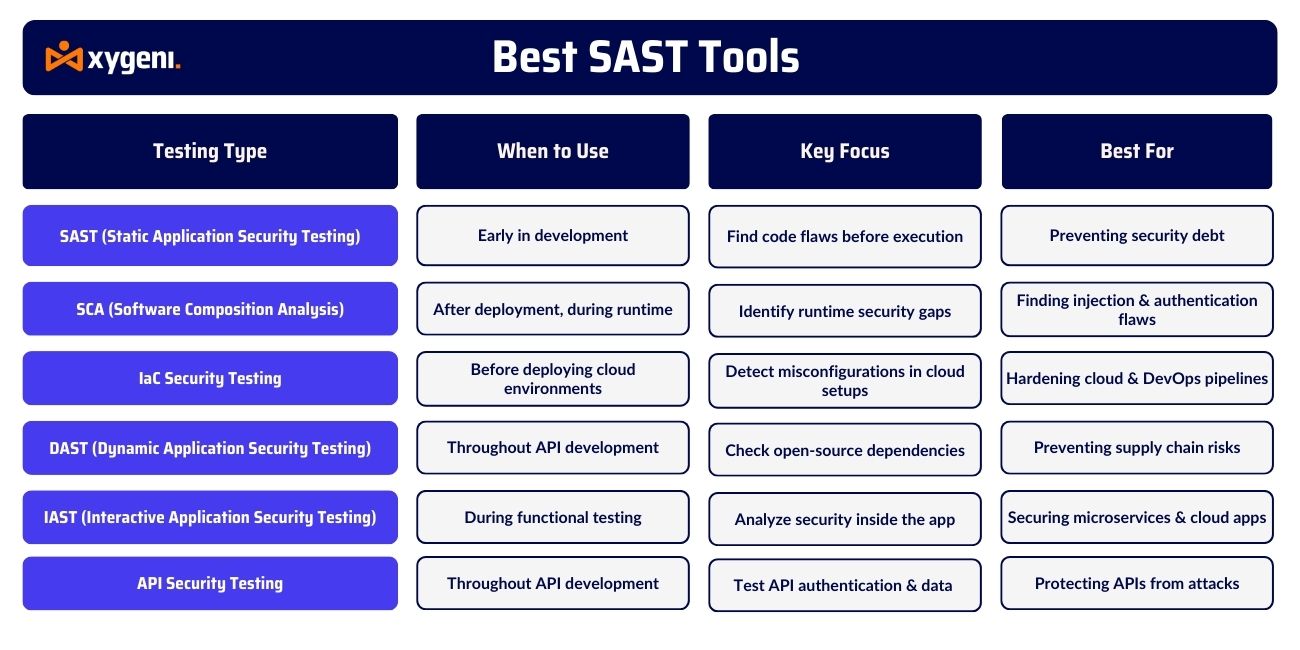
Ny fiarovana ny rindrambaiko dia mitaky mihoatra noho ny fomba fitsapana tokana. Ny fiarovana ny rindranasa dia tsy dingana iray ho an'ny rehetra. Fa kosa, ny fomba fitsapana fiarovana ny rindranasa isan-karazany dia manampy amin'ny famantarana ny fahalemena amin'ny fomba samihafa. dingana amin'ny tsingerin'ny fampandrosoana rindrambaiko (SDLC).
Amin'ny alàlan'ny fampifangaroana ireo fomba fiarovana ireo, dia afaka manamafy orina ny fampiharana, mampihena ny loza mety hitranga amin'ny fiarovana, ary misoroka ny fahalemena alohan'ny hanararaotan'ny mpanafika azy ireo ny ekipa. Ny fomba tsirairay dia mitana anjara toerana miavaka amin'ny fiarovana ny rindrambaiko, miantoka ny fiarovana manomboka amin'ny famolavolana kaody ka hatramin'ny fametrahana azy.
Andeha hojerentsika akaiky ireo karazana fitsapana fiarovana fampiharana mahomby indrindra sy ny fomba hanampian'izy ireo ny ekipa hanangana rindrambaiko azo antoka kokoa.
1. Famakafakana ny firafitry ny rindrambaiko (SCA)
Ankoatra ny famakafakana kaody manokana, ny fampiharana maoderina dia miankina betsaka amin'ny tranomboky open-source. Na dia mety hahasoa aza ireo singa ireo, dia mety hampiditra risika amin'ny fiarovana. Eo no misy ny Famakafakana ny lozisialy lozisialy miditra—manampy ny ekipa hanara-maso tsy tapaka ny fiankinan-dohan'ny antoko fahatelo raha misy ny fahalemena sy ny olana amin'ny fahazoan-dàlana.
Rahoviana no ampiasaina: Mitohy hatrany, manerana ny SDLC.
Ny fomba fiasan'izy: Mijery ireo fiankinan-doha open-source mba hahitana ireo lesoka fantatra sy ireo singa efa lany andro.
Tsara indrindra ho an'ny: Fisorohana ny fanafihana amin'ny rojo famatsiana sy ny fiantohana ny fanarahana ny fepetra fiarovana standards.
2. Fitsapana fiarovana amin'ny fampiharana statika (SAST)
Voalohany indrindra, tena ilaina ny mamantatra ireo lesoka ara-piarovana dieny eo am-piandohan'ny fampandrosoana. SAST ahafahan'ny mpamorona rindrambaiko mamantatra ireo fahalemena alohan'ny hanatanterahana ny kaody, mba hahazoana antoka fa voavaha ny olana alohan'ny hahatonga azy ireo ho olana lafo vidy.
Rahoviana no ampiasaina: Mbola eo am-piandohan'ny fampandrosoana (fiarovana amin'ny fifindrana miankavia).
Ny fomba fiasan'izy: Mijery ny kaody alohan'ny hampiasana azy, mamantatra ireo lesoka ao amin'ny loharano, bytecode, na binaries.
Tsara indrindra ho an'ny: Famantarana ny lesoka amin'ny ambaratongan'ny kaody alohan'ny fametrahana azy.
3. Fotodrafitrasa ho toy ny Fehezan-dalàna (IaC) Fitsapana fiarovana
Miaraka amin'ny fampiasana haingana ny tontolo rahona, ny fiarovana ny firafitry ny fotodrafitrasa dia zava-dehibe toy ny fiarovana ny kaody fampiharana. IaC security Ny fitsapana dia miantoka fa hita sy ahitsy ny disy fanamboarana alohan'ny fametrahana azy.
Rahoviana no ampiasaina: Alohan'ny hametrahana tontolo iainana rahona.
Ny fomba fiasan'izy: Fijerena Terraform, CloudFormation, Kubernetes, ary Docker rakitra momba ny risika ara-piarovana.
Tsara indrindra ho an'ny: Fiantohana ny fiarovana ireo rindranasa miorina amin'ny rahona sy DevOps pipelines.
4. Fitsapana Fiarovana ny Fampiharana Dinamika (DAST)
Tsy toy ny SAST, izay mamakafaka kaody statika, Manana fomba fiasa hafa ny DAST amin'ny alalan'ny fitsapana ireo rindranasa mandritra ny fiasan'izy ireo. Amin'ny alalan'ny fanahafana ireo fanafihana tena izy, DAST mamantatra ireo banga ara-piarovana izay tsy miseho afa-tsy mandritra ny fanatanterahana azy.
Rahoviana no ampiasaina: Aorian'ny fametrahana, mandritra ny fotoana fiasana.
Ny fomba fiasan'izy: Manafika ny fampiharana toy ny ataon'ny mpijirika, mamantatra ny fahalemen'ny fiarovana ao anatin'ny tontolo iainana mivantana.
Tsara indrindra ho an'ny: Fahitana fanafihana tsindrona, lesoka amin'ny fanamarinana, ary fahadisoana amin'ny fikirakirana.
5. Fitsapana Fiarovana ny Rindranasa Ifandrimbonana (IAST)
Mety tsy ho afaka mandalo fitsapana static sy dynamic ny sasany amin'ireo fahalemena. Mba hanamorana ny olana, IAST manome fanadihadiana momba ny fiarovana amin'ny fotoana tena izy mandritra ny fanatanterahana ny fampiharana, ahafahan'ny ekipa mamantatra ireo fahalemena amin'ny fomba dinamika sady miaro ny tontolon'ny kaody.
Rahoviana no ampiasaina: Mandritra ny fitsapana ara-paikany.
Ny fomba fiasan'izy: Mampiasa fanadihadiana amin'ny fotoana tena izy ao anatin'ny fampiharana mba hamantarana ireo loza mety hitranga amin'ny fiarovana.
Tsara indrindra ho an'ny: Microservices, fampiharana anaty fitoeran-javatra, ary fampiharana miorina amin'ny rahona.
6. Fitsapana fiarovana API
Rehefa lasa andrin'ny fampiharana maoderina ny API, dia miha-lasibatra hatrany izy ireo amin'ny fanafihana an-tserasera. Ny fitsapana fiarovana ny API dia miantoka fa ny endpoints dia mijanona ho voaro amin'ny fahadisoana amin'ny fikirakirana sy ny tsy fahazoana miditra ara-dalàna.
Rahoviana no ampiasaina: Mandritra ny fampandrosoana ny API.
Ny fomba fiasan'izy: Fijerena raha misy fanamarinana malemy, fandrindrana tsy mety, ary fisehoan'ny angona.
Tsara indrindra ho an'ny: Fisorohana ny fandrahonana fiarovana mifandraika amin'ny API sy ny fivoahan'ny angona.
Fomba fanao tsara indrindra amin'ny fitsapana fiarovana ho an'ny fampivoarana rindrambaiko
Tsy ny fanaovana fitsapana fotsiny ihany no atao hoe fiarovana ny rindranasa—fa ny fanaovana ny fiarovana ho ampahany voajanahary amin'ny fizotran'ny fampandrosoana. Amin'ny fanarahana ireo fomba fanao tsara indrindra ireo, dia afaka mahita mialoha ireo fahalemena ny ekipa, mandeha ho azy ny fanamarinana fiarovana, ary mifantoka amin'ny fanamboarana ireo fandrahonana tena izy nefa tsy mampihena ny fampandrosoana.
1. Mifindra miankavia amin'ny fiarovana
Tokony hanomboka ny fiarovana eo am-piandohan'ny tsingerim-piainan'ny fampandrosoana, fa tsy aorian'ny fametrahana.
- Run SAST sy SCA notarafina raha vao voasoratra ny kaody mba hisorohana ny olana momba ny fiarovana tsy hahatratra ny famokarana.
- Omeo ireo mpamorona hevitra azo atao mba hahafahan'izy ireo manamboatra ireo fahalemena alohan'ny hahatonga azy ireo ho loza lehibe.
2. Ataovy mandeha ho azy ny fiarovana ao amin'ny CI/CD Pipelines
Tokony hiasa amin'ny Hafainganam-pandehan'ny DevOps, aza miadana izany.
- mampiditra SAST, DAST, ary SCA ao amin'ny anao CI/CD pipelines mba hijerena ny kaody rehetra commit ho azy.
- Use fanaraha-maso mifototra amin'ny politika mba hisorohana ny fametrahana kaody tsy azo antoka.
3. Arovy ny zavatra iandraiketanao
Fampiharana maoderina miankina amin'ny rindrambaiko open source, izay mety hampiditra risika miafina amin'ny fiarovana.
- Automate SCA scanning mba hamantarana ireo tranomboky avy amin'ny antoko fahatelo marefo alohan'ny hahatonga azy ireo ho olana.
- Esory fiankinan-doha efa lany andro ary asio patch raha vao azo ampiasaina.
4. Ataovy laharam-pahamehana ny fahalemena araka ny risika
Tsy mitovy avokoa ny fahalemena rehetra—mifantoha amin'ny fanamboarana izay tena zava-dehibe.
- Use isa EPSS sy famakafakana ny fahafaha-manatratra manao laharam-pahamehana risika azo hararaotina noho ireo olana madinidinika.
- Ahena mailo havizanana amin'ny fanivanana ireo fampitandremana momba ny fiarovana izay tsy dia misy fiantraikany ratsy loatra.
5. Araho maso ny tsy fetezana amin'ny fotoana tena izy
Tsy mijanona ny fandrahonana ara-piarovana rehefa ampiasaina ny kaody—ny fanaraha-maso tsy tapaka no zava-dehibe.
- Use Fitihana anomalia amin'ny fotoana tena izy hanaraha-maso ireo fanovana tsy nahazoana alalana ao amin'ny CI/CD pipelines sy ny firafitry ny rahona.
- Fisamborana ary amboary ny olana ara-piarovana alohan'ny hitarika ho amin'ny fanitsakitsahana.
Inona no atao hoe EPSS ary nahoana no zava-dehibe izany
Tsy ny fahalemena rehetra no tena fandrahonana, ary tsy afaka mamaha ny zava-drehetra indray mandeha ny ekipa fiarovana. Ny Rafitra Fandrefesana ny Vinavina Exploit (EPSS) manampy amin'ny fanomezana laharam-pahamehana ny fahalemena mifototra amin'ny fahafahana ampiasaina amin'ny tena izy, mba hahazoana antoka fa mifantoka amin'ny fanafihana mety hitranga indrindra ny ekipa.
- Ny fomba fiasan'izy: Raha tokony hitovy ny fomba fitantanana ny fahalemena rehetra, ny EPSS dia manome isa mety hitranga mifototra amin'ny fironana tena izy amin'ny fanararaotana. Vokatr'izany, afaka amboary aloha ireo olana lehibe alohan'ny hanararaotan'ireo mpanafika azy ireo.
- Nahoana no mahasoa: Miaraka amin'ireo lesoka vaovao an'arivony miseho isan'andro, ny EPSS manivana ireo fampandrenesana tsy ilaina mba hahafahan'ireo ekipa mifantoka amin'ny olana mampidi-doza toy izay mandany fotoana amin'ny fandrahonana madinidinika.
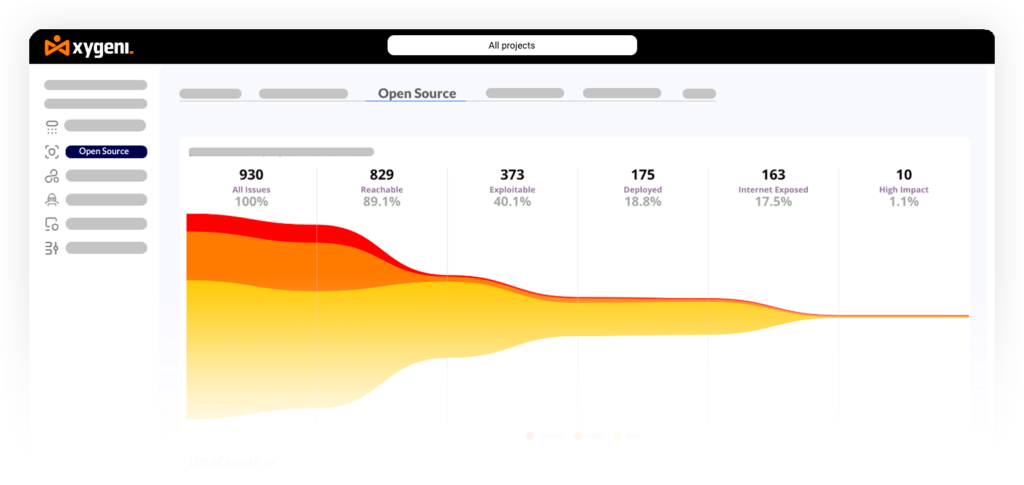
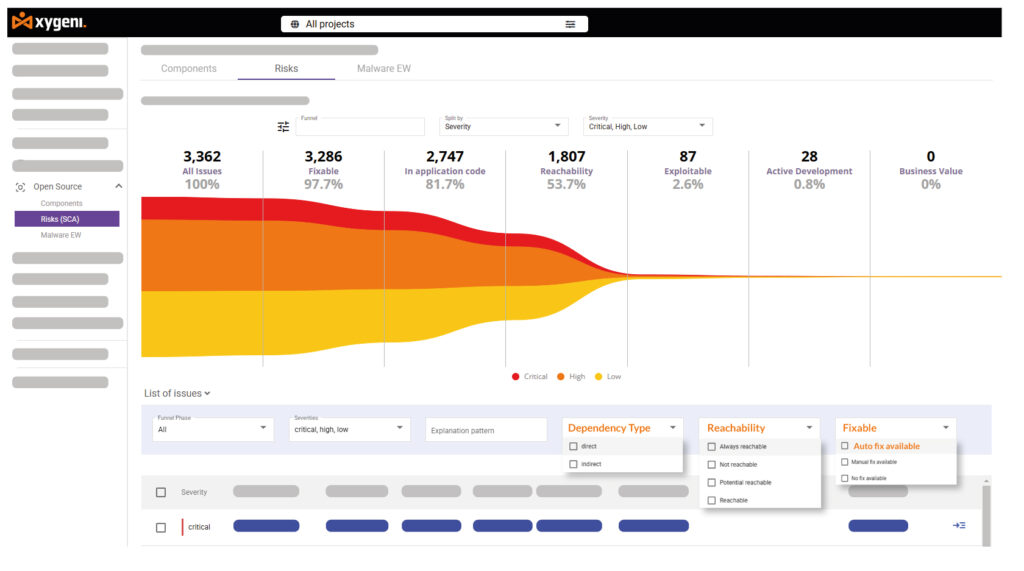
- Ahoana ny fampiasan'ny Xygeni azy: Mba hanatsarana ny EPSS, Xygeni miantoka fa tafiditra ao anatin'izany ny fanadihadiana momba ny fahafaha-manatratra, manome ekipa ho an'ny amboary ireo fahalemena azo hararaotina ihany raha fisorohana ny fampandrenesana tsy dia misy fiantraikany loatra.
Amin'ny fampiasana ny EPSS, ny Xygeni dia manampy ny ekipa fiarovana sy DevOps hamaha ny olana mety—haingana kokoa sy marani-tsaina kokoa.
Fitaovana fitsapana fiarovana ny fampiharana Xygeni
Ao amin'ny Xygeni, mino izahay fa tokony ho hanome hery fampandrosoana, fa tsy mampihena izany. Ny antsika Vahaolana amin'ny fitsapana fiarovana ny fampiharana dia natao ho an'ny hafainganam-pandeha, fahamarinan-toerana ary fampidirana DevOps tsy misy tomikaIty no mampiavaka an'i Xygeni:
- Tsara indrindra amin'ny kilasy SAST - Mamantatra ireo fahalemena alohan'ny handehanan'ny code ary mamaha mialoha ny olana ara-piarovana mba hampihenana ny trosa ara-teknika.
- manan-tsaina SCA - Manara-maso ny fiankinan-doha amin'ny loharano misokatra amin'ny fotoana tena izy, fisorohana ny fanafihana amin'ny rojo famatsiana.
- Fampidirana DevOps tsy misy ezaka - Miara-miasa amin'ny Jenkins, GitHub Actions, GitLab CI/CD, Bitbucket Pipelines, ary Azure DevOps ho an'ny fitiliana fiarovana mandeha ho azy.
- Fanomezana laharam-pahamehana amim-pahendrena, fa tsy tabataba – Ny fanomezana isa sy ny famakafakana ny fahafahan'ny ekipa mahatratra ny tanjony dia miantoka ny fahaizan'ny ekipa amboary izay zava-dehibe, fa aza fampandrenesana diso.
- Fanamboarana haingana kokoa miaraka amin'ny Automation - Ny torolàlana momba ny fanarenana dia manafaingana ny famahana olana, mitazona ny mpamorona vokatra.
Miaraka amin'i Xygeni, ireo ekipa mamorona rindrambaiko azo antoka tsy misy fahasarotana—ka afaka izy ireo alefa haingana kokoa, amim-pahatokiana.

Fehiny: Fiarovana marani-tsaina kokoa ho an'ny fitsapana fiarovana amin'ny fampiharana
Ny fiarovana ho an'ny fampivoarana rindrambaiko dia tsy ny fitadiavana ireo lesoka fotsiny ihany—fa ny fanamboarana azy ireo amin'ny fomba mahomby nefa tsy mampihena ny famoahana azy. Amin'ny fampiasana ireo karazana fitsapana fiarovana amin'ny fampiharana mety sy ireo fomba fanao tsara indrindra amin'ny fitsapana fiarovana ho an'ny fampivoarana rindrambaiko, dia afaka mahatonga ny fiarovana ho ampahany tsy misy olana amin'ny fizotran'asany ny ekipa.
To manatsotra ny fiarovana tsy misy fisalasalana, ny ekipa dia tokony:
- Ampidiro aloha ny fiarovana mba hisorohana ny fahalemena alohan'ny hahatonga azy ho lafo vidy.
- Mandeha ho azy ny fiarovana ao amin'ny CI/CD pipelines mba hisambotra olana alohan'ny fametrahana.
- Fiankinan-doha amin'ny fanaraha-maso amin'ny SCA mba hisorohana ny loza ateraky ny rojo famatsiana.
- Mifantoha amin'ny fandrahonana tena izy mampiasa EPSS sy famakafakana ny fahafaha-manatratra.
- API fitsapana sy fotodrafitrasa tsy tapaka mba hisorohana ny banga ara-piarovana.
At Xygeni, ny fiarovana dia manaraka ny DevOps—haingana, mahomby ary namboarina ho an'ny ekipa mpamorona maoderina.
Te hiaro ny rindrambaikonao tsy misy sakana ve ianao? Mifandraisa amin'ny Xygeni anio ary hatsarao ny paikadinao fiarovana.