Top 10 SDLC Fitaovana hodinihina amin'ny fiarovana amin'ny taona 2026
Haingana kokoa noho ny hatramin'izay ny fandefasana ireo ekipa mpamorona, ary fantatry ny mpanafika izany. Kaody loharano, fiankinan-doha amin'ny loharano misokatra, CI/CD pipelines, sy ny fotodrafitrasa rahona no lasibatra voalohany amin'ny dingana rehetra amin'ny fanaterana rindrambaiko. Nentim-paharazana SDLC Ireo fitaovana namboarina ho an'ny vokatra sy ny fitantanana asa ihany no mamela banga lehibe izay ampiasain'ny fahavalo maoderina mavitrika. Ity torolàlana ity dia mandrakotra ireo 10 ambony indrindra SDLC Fitaovana ho an'ny fiarovana amin'ny taona 2026: ny asan'ny tsirairay, ny toerana mety aminy, ary ny fomba fisafidianana ny fitambarana mety amin'ny fepetra takian'ny ekipanao, ny habeny ary ny fanarahan-dalàna.
Inona ireo SDLC Fitaovana ho an'ny fiarovana?
Tsingerin'ny Fiainana amin'ny Fampandrosoana Rindrambaiko (SDLC) fitaovana ho an'ny fiarovana sehatra izay mampiditra mivantana ny famantarana ny fahalemena, ny fampiharana ny fanarahana ny lalàna, ary ny fitantanana ny risika ao anatin'ny fizotran'ny fampandrosoana, manomboka amin'ny voalohany commit amin'ny fametrahana famokarana. Tsy toy ny fitaovana DevOps nentim-paharazana izay mifantoka amin'ny fitantanana asa na CI/CD automation, mifantoka amin'ny fiarovana SDLC fitaovana mitambatra SAST, SCA, fitadiavana tsiambaratelo, IaC scan, ary bebe kokoa amin'ny pull requests, pipelines, sy IDE mba hahitana sy hamahana ireo olana rehefa manoratra kaody.
Top 10 SDLC Fitaovana ho an'ny fiarovana amin'ny taona 2026
| fitaovana | Endri-javatra fototra | Best For | nisongadina |
|---|---|---|---|
| Xygeni | Full stack SDLC fiarovana: SAST, SCA, DAST, IaC, Tsiambaratelo, CI/CD, ASPM | Ekipa mila fiarovana mirindra, ampiasain'ny AI, manomboka amin'ny voalohany ka hatramin'ny farany | Agentic AI miaraka amin'ny DevAI, CoreAI, AI AutoFix, ary laharam-pahamehana amin'ny zero-noise |
| Jira | Fomba fiasa momba ny fiarovana sy ny fanaraha-maso ny fahalemena | Efa mampiasa Jira ho an'ny fitantanana sprint ireo ekipa | Fomba fanamboarana manokana amin'ny alàlan'ny fampidirana |
| GitHub Advanced Security | CodeQL SAST ary ny fijerena miafina | Ekipa teratany GitHub | Fampidirana lalina ny GitHub Actions |
| soundQube | Famakafakana kaody static sy vavahady kalitao | Ekipa injeniera mifantoka amin'ny kalitaon'ny kaody | Multi-teny SAST miaraka amin'ny plugin IDE |
| Snyk | SCA, fitoeran-javatra, ary IaC scanning | Fiarovana loharano misokatra mifantoka amin'ny mpamorona | PR fanamboarana fiankinan-doha mandeha ho azy |
| checkmarx | Enterprise SAST, SCA, ary fiarovana API | Large enterprisemiaraka amin'ny didy fanarahana | Fampiharana lalina ny politika sy ny sarintany momba ny fanarahan-dalàna |
| Dragona Mampidi-doza OWASP | Modely fandrahonana sy fanehoana an-tsary ny fanafihana | Arsitekta fiarovana sy ekipa mpanao famolavolana | Modely fandrahonana maimaim-poana sy misokatra |
| Docker Scout | Fijerena ny fahalemen'ny sary ao anaty fitoeran-javatra sy SBOM | Ekipa mamorona fampiharana anaty fitoeran-javatra | SPDX sy CycloneDX SBOM taranaka |
| Jenkins + Plugins | malefaka CI/CD automation miaraka amin'ny plugins fiarovana | Ekipa mila rindrambaiko open-source azo amboarina pipeline | Ekosistema plugin mivelatra ho an'ny SAST, SCA, IaC |
| Fiarovana ny Postman API | Fijerena ny teboka farany amin'ny API sy ny fitsapana fuzz | Ireo ekipa API-first mila fanamarinana mialoha ny fametrahana azy | Sehatra fiasan'ny fitsapana API fiaraha-miasa |

Overview: Xygeni sehatra fiarovana fampiharana ampiasain'ny AI namboarina ho an'ny ekipa mila fiarovana feno, manomboka amin'ny voalohany ka hatramin'ny farany amin'ny tsingerin'ny fampandrosoana rindrambaiko manontolo tsy misy fanaovana sorona ny hafainganam-pandehan'ny fanaterana. Tsy mitantana antontan-scanner tokana miparitaka fotsiny ny Xygeni fa mampiray SAST, SCA, DAST, IaC fitiliana, fitadiavana tsiambaratelo, fiarovana amin'ny malware, CI/CD security, ASPM, build security, ary ny fitadiavana tsy fetezana ao anatin'ny fomba fiasa iray mitovy amin'ny an'ny mpamorona.
Ny mampiavaka ny Xygeni amin'ny taona 2026 dia ny sosona Agentic AI. Mampiditra motera AI roa ny sehatra, DevAI sy CoreAI, izay mandray anjara mavitrika amin'ny fitadiavana, ny fanomezana laharam-pahamehana ary ny fanarenana fa tsy ny fanaovana tatitra fotsiny momba ny zavatra hita. Mihena hatramin'ny 90% ny tabataba momba ny fiarovana amin'ny alàlan'ny fanomezana laharam-pahamehana tsy misy tabataba, ary mahazo torolàlana ao anatin'ny IDE-ny ireo mpamorona rindrambaiko alohan'ny hahatongavan'ny olana any amin'ny... pipeline.
Agentic AI: DevAI sy CoreAI
Xygeni DevAI dia mpanamory fiarovana AI miasa mivantana ao anatin'ny IDE maoderina. Mamakafaka tsy tapaka ny kaody nosoratan'olombelona sy novokarin'ny AI amin'ny fotoana tena izy izy io, manazava ny lalan'ny fanararaotana, mampihatra guardrails izay manakana ireo fanovana tsy azo antoka, ary manome fanamboarana azo antoka sy vonona hampiarahina izay nohamarinina tamin'ny alàlan'ny MCP Server an'ny Xygeni. Ny DevAI dia manombana ny mety ho fanarenana sy ny fiantraikan'ny fiovana tsy azo tsapain-tanana alohan'ny hanolorana fanamboarana, hahazoana antoka fa mahazo torolàlana azo antoka ho an'ny famokarana sy mifanaraka amin'izany ny mpamorona. enterprise politika. Tamin'ny taona 2026, nahazo fankasitrahana tamin'ny Global InfoSec Awards ho an'ny GenAI Application Security ny Xygeni DevAI. Afaka mianatra bebe kokoa momba izany ianao Fiarovana ny kaody AI sy ny fomba hisorohana ny fahalemena amin'ny kaody novokarin'ny AI.
Xygeni CoreAI no mpanamory AI ho an'ireo mpitarika fiarovana sy ekipa DevSecOps. Mamadika ny angon-drakitra fiarovana voazarazara ho lasa fahatakarana tena izy izy io, mampifandray ny zavatra hita ara-teknika amin'ny fiantraikan'ny orinasa amin'ny alàlan'ny fangatahana fiteny voajanahary, tatitra vonona ho an'ny mpitantana, hetsika fanarenana mandeha ho azy, ary fanaraha-maso ny fitantanana. Ny CoreAI dia mandray ny zavatra hita avy amin'ny scanner an'ny Xygeni sy avy amin'ny antoko fahatelo. SAST, SCA, DAST, ary IaC fitaovana, mampivondrona azy ireo ho fomba fijery tokana azo ampiharina.
Efitrano vokatra feno
- SAST: Avo lentacisfamakafakana statika ion ampiasain'ny AI, miaraka amin'ny fitadiavana malware sy AI AutoFix ho an'ny fanarenana eo no ho eo sy mifanaraka amin'ny toe-javatra misy azy mivantana pull requests. fanohanana AI SAST ho an'ny kaody novokarin'olombelona sy AI, miaraka amin'ny motera famaritana laharam-pahamehana mifototra amin'ny risika izay manivana ny zavatra hita araka ny fahafahana ampiasaina sy ny fiantraikany.
- SCA: Mamantatra ireo fiankinan-doha open-source marefo sy mampidi-doza amin'ny alàlan'ny famakafakana ny fahafaha-manatratra, ny fanombanana ny risika amin'ny fanarenana, ny fanavaozana ny fiankinan-doha mandeha ho azy, ary SBOM fanondranana amin'ny endrika CycloneDX sy SPDX.
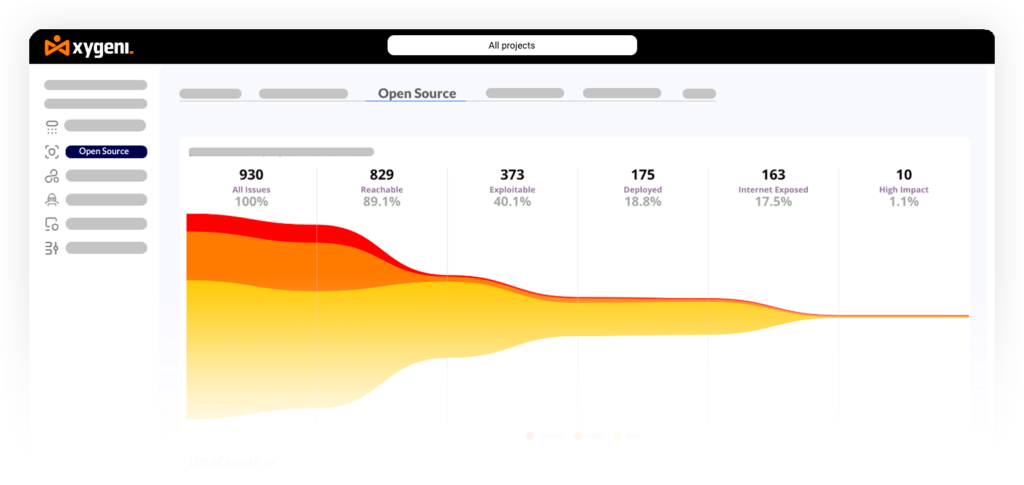
- DAST: Mamakafaka ireo rindranasa tranonkala sy API miasa araka ny fomba fijerin'ny mpanafika, mamantatra ireo lesoka azo ampiasaina toy ny SQL injection, XSS, ary ireo fahalemena amin'ny fanamarinana izay tsy hitan'ny fanadihadiana statika. Miditra ao anatin'izany CI/CD pipelines amin'ny alalan'ny scanner xy-dast CLI sy ny Xygeni Prioritization Funnel, izay manivana ny zavatra hita amin'ny alàlan'ny fiparitahan'ny aterineto, ny satan'ny fanamarinana, ary ny fiantraikan'ny orinasa.
- Fiarovana ny tsiambaratelo: Mamantatra sy manakana ny fivoahan'ny tsiambaratelo amin'ny dingana rehetra amin'ny SDLC, anisan'izany ny tantaran'ny Git, pipelines, fitoeran-javatra, ary toerana fitehirizana. Fijanonana commits amin'ny alalan'ny fampidirana Git hook ary manala ireo false positives amin'ny alalan'ny fanamarinana miafina marani-tsaina.
- IaC Security: Mijery ny Terraform, Kubernetes, Helm, Ansible, AWS CloudFormation, sy ny hafa IaC môdely ho an'ny fahadisoana an-jatony amin'ny fametrahana rahona, fampiharana guardrails alohan'ny hahatongavan'ny fanamboarana mampidi-doza amin'ny famokarana. Jereo IaC security tsara indrindra ho an'ny contexte.
- CI/CD Security: Mijery tsy tapaka pipeline fampiharana mba hanakanana ny fanafihana amin'ny rojo famatsiana, hamantarana ny fahadisoana amin'ny script fananganana ary pipeline famaritana, ary mampihatra politika tsy dia manana tombontsoa firy amin'ny rehetra CI/CD fitaovana. Hamaky bebe kokoa momba ny security guardrails ho an'ny CI/CD pipelines.
- ASPM: The Application Security Posture Management Ny sosona dia mahita ho azy, mandamina ary manombana ny fananan'ny rindrambaiko rehetra manerana ny repository, pipelines, ary tontolo iainana rahona. Mandray ny zavatra hita avy amin'ny fitaovana avy amin'ny antoko voalohany sy fahatelo ho lasa risika mitambatra izy io dashboard ary mampiasa Dynamic Funnels mba hanatsarana ny laharam-pahamehana amin'ny alàlan'ny fahafahana mampiasa azy, ny fahafahana mahatratra azy, ary ny tontolon'ny orinasa. Nahazo fankasitrahana tamin'ny RSA Conference 2024 sy ny Global InfoSec Awards 2026.
- Fiarovana amin'ny rindrambaiko maloto: Mamantatra sy manakana ny kaody maloto, ny fandrahonana zero-day, ary ny fanafihana amin'ny rojo famatsiana amin'ny fotoana tena izy manerana ny kaody fampiharana, fonosana open-source, CI/CD pipelines, sy fotodrafitrasa. Manome fampitandremana mialoha amin'ny alàlan'ny famakafakana ireo fonosana vao navoaka sy ny fanakanana ireo akora mivadika, ireo fisintomana mampidi-doza, ary ireo fanovana kaody tsy nahazoana alalana.
- Build Security: Miantoka ny fahamarinan'ny zavatra artifisialy tsy tapaka amin'ny alàlan'ny fanamarinana amin'ny fotoana tena izy, sonia tsy misy fanalahidy, SLSA provenance fanohanana, ary fanamarinana in-toto manokana. Manakana ireo zavatra simba alohan'ny fanaterana na fametrahana azy.
- Famantarana ny anomaly: Fanaraha-maso ny fitondran-tena amin'ny fotoana tena izy CI/CD fotodrafitrasa sy fitahirizana kaody. Mamantatra sy mampitandrina momba ny fihetsika mampiahiahy toy ny fepetra fiarovana tsy mandeha, ny andrana fidirana tsy nahazoana alalana, ary ny fanitsakitsahana ny politika.
Hery lehibe:
- Fametrahana laharam-pahamehana tsy misy tabataba: mampihena ny habetsaky ny fanairana hatramin'ny 90% amin'ny fampiasana ny fahafahana mampiasa azy, ny fahafahana mahatratra azy, ary ny tontolon'ny asa
- Famakafakana ny risika amin'ny fanamboarana sy fanarenana amin'ny alalan'ny AI AutoFix hampihatra patch azo antoka nefa tsy manimba ny fananganana
- teratany CI/CD fampidirana amin'ny GitHub Actions, GitLab CI/CD, Jenkins, Bitbucket Pipelines, ary Azure DevOps
- Fampiharana ny fanarahan-dalàna mifanaraka amin'ny NIST, CIS, ISO 27001, SOC 2, OWASP, ary OpenSSF
- Tahiry sy mpandray anjara tsy voafetra tsy misy vidiny isaky ny seza
- MCP Server ho an'ny hetsika azo antoka sy mifototra amin'ny politika avy amin'ireo mpanamory mpiara-miasa sy ireo mpiasan'ny AI
Tsara indrindra ho an'ny: Ekipa mpitarika ny injeniera, DevSecOps, ary fiarovana izay mila sehatra tokana ampiasain'ny AI izay mandrakotra ny sosona rehetra amin'ny SDLC, manomboka amin'ny kaody sy ny fiankinan-doha ka hatramin'ny runtime, ny fotodrafitrasa, ary ny rojo famatsiana, tsy mila mitantana andiana fitaovana misaratsaraka.
Pricing: Manomboka amin'ny $33/volana ho an'ny sehatra feno "all-in-one". Tafiditra ao anatin'izany SAST, SCA, CI/CD Fiarovana, Fitihana tsiambaratelo, IaC Security, ary ny Fijerena ny Kaontenera. Tahiry sy mpandray anjara tsy voafetra tsy misy vidiny isaky ny seza.
2. Jira miaraka amin'ny rafitra fiarovana

Overview:
Jira no fitaovana fitantanana tetikasa sy sprint be mpampiasa indrindra ao amin'ny DevOps. Na dia tsy misy fanaraha-maso fiarovana teratany aza izy io, dia mitana anjara toerana lehibe amin'ny SDLC amin'ny fanomezana ny sosona fiasan'ny rafitra izay manara-maso ny fahalemena manomboka amin'ny fitadiavana ka hatramin'ny fanarenana. Rehefa mifandray amin'ny fitaovana fitiliana amin'ny alàlan'ny fampidirana na ny tsena Atlassian, dia lasa ivon-toerana lehibe amin'ny fitantanana ny trosan'ny fiarovana miaraka amin'ny asa fampandrosoana mahazatra.
Key Features:
- Famoronana tapakila mandeha ho azy avy amin'ny SAST, SCA, ary IaC zavatra hita tamin'ny scanner
- Fomba fiasa fanarenana fiarovana manokana miaraka amin'ny fanaraha-maso SLA
- Fihetsika mety hampidi-doza dashboardsy tatitra momba ny metrika fanarahan-dalàna
- Ekosistema fampidirana midadasika izay mandrakotra ny GitHub, GitLab, Snyk, Xygeni, sy ny hafa
| matihanina | maharatsy ny mifampiresaka |
|---|---|
| Fandraisana anjara manerantany amin'ny ekipa injeniera | Tsy misy fahafahana mijery ny fiarovana teratany |
| Fomba fiasa manokana azo ovaina ho an'ny fanaraha-maso ny fanarenana | Miankina tanteraka amin'ny fitaovana mifandray ny fahitana ny fiarovana |
| Strong dashboard ary tatitra momba ny fanaraha-maso | Be pitsiny ny fanamboarana ary mitaky fikojakojana mitohy |
Tsara indrindra ho an'ny: Ireo ekipa mila sosona fanaraha-maso fanarenana voarafitra mba hanampiana ireo scanner fiarovana efa misy, indrindra ireo izay efa mampiasa ny workflows Atlassian manerana ny fikambananany.
Pricing: Manomboka amin'ny $8/mpampiasa/volana eo ho eo ny drafitra rahona. Miankina amin'ny fampidirana sy plugins mifandray ny fiasan'ny fiarovana.
3. GitHub Fiarovana Mandroso (GHAS)

Overview: GitHub Advanced Security manitatra ny sehatra GitHub miaraka amin'ny fanadihadiana statika tafiditra ao anatiny, ny fijerena ny fiankinan-doha, ary ny fitadiavana miafina mivantana ao anatiny pull requests sy CI/CD hazakazaka. Ho an'ny ekipa efa standardNapetraka ao amin'ny GitHub, dia manampy fampiharana ny fiarovana izy io nefa tsy mitaky ny mpamorona rindrambaiko handao ny toeram-piasany voalohany. Ny fampidirana azy akaiky amin'ny GitHub Actions dia mahatonga azy io ho dingana voalohany voajanahary ho an'ny ekipa manomboka ny asany. Dia an'ny DevSecOps.
Key Features:
- CodeQL SAST: famakafakana semantika lalina mba hahitana lamina marefo sarotra amin'ny fiteny tohana
- Dependabot: fitadiavana mandeha ho azy ireo fonosana efa lany andro na marefo miaraka amin'ny fanavaozana atolotra
- Fijerena miafina: mamantatra ny fahazoan-dàlana hita manerana ny tahiry alohan'ny hampiarahana ny kaody
- Fiarovana foibe dashboardfanangonana ny zavatra hita manerana ny tahiry ho an'ny fanaraha-maso ny fanarahan-dalàna
| matihanina | maharatsy ny mifampiresaka |
|---|---|
| Fampidirana lalina ny tontolo iainana GitHub miaraka amin'ny fametrahana kely indrindra | GitHub ihany, tsy misy fanohanana GitLab na Bitbucket |
| Kaody matanjaka QL SAST motera ho an'ny fiteny tohana | No IaC, DAST, na fijerena fitoeran-javatra |
| Azo jerena amin'ny ankamaroan'ny drafitra ny fijerena miafina | Enterprise Ireo endri-javatra dia mitaky drafitra lafo vidy kokoa |
Tsara indrindra ho an'ny: Ekipa feno standardao amin'ny GitHub izay mila fitiliana fiarovana teratany sy tsy misy fikikisana nefa tsy manampy fitaovana ivelany ao amin'ny stack-ny.
Pricing: Nahazo alalana isaky ny mavitrika commiteo ambanin'ny GitHub EnterpriseMiovaova arakaraka ny haben'ny ekipa sy ny fampiasana azy ny vidiny.
4. Fitaovana fiarovana Sonarqube SDCL

Overview: soundQube dia iray amin'ireo sehatra famakafakana ny kalitao sy ny fiarovana kaody efa ela indrindra misy. Manao famakafakana statika amin'ny fiteny fandaharana am-polony maro izy io mba hamantarana ny fahalemena, ny bibikely ary ny fofona kaody, izay ampidirina mivantana ao anatin'izany. CI/CD pipelineIDE ho an'ny mpamorona sy mpamorona ho an'ny valin-kafatra mitohy. Ny foto-keviny momba ny vavahady kalitao, izay manakana ny fananganana rehefa misy olana lehibe hita, dia lasa standard lamina amin'ny maro fomba fiasa fiarovana amin'ny fampandrosoana rindrambaiko.
Key Features:
- Multi-teny SAST motera miaraka amin'ny fanohanana fiteny midadasika manerana enterprise mitsivalana
- Vavahady tsara kalitao izay manakana ho azy ny fanorenana tsy azo antoka na ambany kalitao
- Plugin IDE ho an'ny valin-kafatra mivantana mandritra ny fampandrosoana mavitrika
- Fanadihadiana mitohy manerana commits, sampana, ary fangatahana fampiraisana
| matihanina | maharatsy ny mifampiresaka |
|---|---|
| Sehatra matotra misy vondrom-piarahamonina sy tontolo iainana midadasika | Voafetra amin'ny kaody loharano tsy misy SCA, DAST, IaC, na fandrakofana ny fitoeran-javatra |
| Fehezan-kevitra matanjaka avy amin'ny mpamorona amin'ny alàlan'ny plugins IDE | Mila fanitsiana mba hampihenana ny tabataba diso tsara |
| Misy fanontana maimaim-poana ho an'ny ekipa kely kokoa | Lafo ho an'ny fikambanana lehibe kokoa ny fanontana ara-barotra |
Tsara indrindra ho an'ny: Nifantoka tamin'ny kalitaon'ny kaody sy ny famakafakana kaody static izay mampiaraka ny SonarQube amin'ny fitaovana misaraka ho an'ny fiankinan-doha, ny fotoana fiasana, ary ny fandrakofana fotodrafitrasa.
Pricing: Maimaimpoana ny dikan-teny ho an'ny vondrom-piarahamonina. Manomboka amin'ny $150/mpamorona/taona eo ho eo ny dikan-teny ara-barotra.
5. Fitaovana Snyk SDCL ho an'ny fiarovana

Overview: Snyk sehatra fiarovana voalohany ho an'ny mpamorona rindrambaiko, miorina amin'ny fitantanana ny fiankinan-doha amin'ny loharano misokatra sy ny fiarovana ny fitoeran-javatra. Miditra mivantana amin'ny IDE, sehatra Git, ary CI/CD pipelines mba hijerena ireo tranomboky marefo, ireo fandrindrana diso ny fitoeran-javatra, ary IaC olana, manamboatra mandeha ho azy ny fanamboarana amin'ny alàlan'ny pull requestsNy endriny mifantoka amin'ny mpamorona dia mitazona ny disadisa ho ambany ho an'ny ekipa injeniera sady manome fandrakofana misy dikany ho an'ny risika amin'ny fiarovana rindrambaiko open source.
Key Features:
- SCA: mahita tranomboky marefo ary manoro dikan-teny azo antoka kokoa sy mifanaraka amin'ny fahafaha-manatona
- Fitoeran-javatra sy IaC scanning: mamantatra ny tsy fetezan'ny fikirakirana ao amin'ny Docker, Terraform, ary Kubernetes
- Fampidirana IDE sy Git: manome fanairana momba ny fahalemena mifandraika amin'ny toe-javatra misy sy soso-kevitra momba ny fanamboarana ao amin'ny fizotran'ny mpamorona
- PR fanarenana mandeha ho azy: mamorona fanavaozana fiankinan-doha azo antoka pull requests ho azy
| matihanina | maharatsy ny mifampiresaka |
|---|---|
| Traikefa matanjaka amin'ny mpamorona rindrambaiko miaraka amin'ny tsy dia misy olana amin'ny fandraisana azy | Ny vidiny miovaova dia midika fa ny fandrakofana feno dia mitaky famandrihana maromaro |
| Mampihena ny fotoana antonony amin'ny fanarenana ny PR fanamboarana mandeha ho azy | Toe-javatra voafetra azo ampiasaina mba hanomezana laharam-pahamehana marina |
| Fitoeran-javatra tsara sy IaC fandrakofana | Enterprise safidy fitantanana voahidy amin'ny ambaratonga vidiny ambony kokoa |
Tsara indrindra ho an'ny: Nifantoka tamin'ny fiarovana ireo fiankinan-doha open source sy ireo sary container ireo ekipa mifantoka amin'ny mpamorona rindrambaiko, vonona ny hitantana famandrihana modular rehefa miitatra ny filàna fandrakofana.
Pricing: Misy ambaratonga maimaim-poana miaraka amin'ny scan voafetra. Manomboka amin'ny $57/mpamorona/volana eo ho eo ny drafitra karama.
6. Fitaovana fiarovana Checkmarx SDCL

Overview: checkmarx dia enterprisesehatra fitsapana fiarovana fampiharana kilasy ambony mampivondrona SAST, SCA, fiarovana API, ary fijerena fotodrafitrasa ao anaty vahaolana feno namboarina ho an'ny fikambanana lehibe. Namboarina manokana ho an'ny indostria fehezin'ny lalàna sy tontolo sarotra izay tsy azo iadian-kevitra ny fanaovana sarintany lalina momba ny fanarahan-dalàna, ny fandrakofana fiteny mivelatra, ary ny fitantanana foibe. Ekipa mandray DevSecOps fanao tsara indrindra at enterprise Matetika ny mizana dia manombana ny Checkmarx miaraka amin'ny sehatra iraisana.
Key Features:
- Deep SAST motera manohana fiteny fandaharana sy rafitra isan-karazany
- SCA miaraka amin'ny fanarahana ny fahazoan-dàlana sy ny fanaraha-maso ny fahalemena amin'ny alàlan'ny fiankinan-doha
- Fitsapana fiarovana API tafiditra ao anatin'ny SDLC workflow
- Fampitahana ny fanarahan-dalàna amin'ny PCI-DSS, ISO 27001, NIST, ary OWASP standards
| matihanina | maharatsy ny mifampiresaka |
|---|---|
| feno enterprisefandrakofana ambaratonga | Fametrahana sarotra sy fandaniana fikojakojana mitohy be dia be |
| Tatitra matanjaka momba ny fanarahan-dalàna ho an'ny indostria fehezin'ny lalàna | Lafo be izay tsy takatry ny ekipa kely kokoa |
| Azo itokisana amin'ny sehatry ny fitantanam-bola, ny fahasalamana ary ny governemanta | Fizotran'ny fianarana sarotra ho an'ny ekipa tsy manana mpiasan'ny fiarovana manokana |
Tsara indrindra ho an'ny: Large enterprisesy fikambanana fehezin'ny lalàna miaraka amin'ny ekipa fiarovana manokana sy didy henjana momba ny fanaraha-maso sy ny fanarahana ny lalàna.
Pricing: Enterprise azo alaina araka ny fangatahana ny vidiny. Matetika ampiasaina amin'ny habetsahana na enterprise fifanarahana momba ny fahazoan-dàlana.
7. Dragona Mampidi-doza OWASP

Overview: Dragona Mampidi-doza OWASP dia fitaovana modely fandrahonana maimaim-poana sy misokatra izay manampy ireo mpanao mari-trano fiarovana sy ekipa mpamorona hamantatra ny risika amin'ny dingana famolavolana, alohan'ny hanoratana kaody. Amin'ny alàlan'ny fanehoana an-tsary ny maritrano rafitra sy ny fampifandraisana ireo sokajy fandrahonana OWASP amin'ny fikorianan'ny angona sy ny fetran'ny fitokisana, dia ahafahan'ny ekipa manao drafitra fiarovana am-pahalalana.cisions amin'ny fiandohan'ny SDLC, rehefa mora indrindra ny mampihatra ny fanovana. Mifanaraka tsara amin'ny fitaovana fitiliana mandeha ho azy any aoriana any izy io pipeline ho anisan'ny fomba fiasa "shift-left" fitsapana fiarovana fampiharana.
Key Features:
- Interface modely hita maso ho an'ny kisarisary mikoriana angona sy ny sarintany sisin-tany azo itokisana
- Tranomboky fandrahonana OWASP efa voafaritra mialoha mba hanafainganana ny famantarana ny risika mandritra ny famerenana ny famolavolana
- Dikan-teny azo ampiasaina amin'ny solosaina sy tranonkala ho an'ny fidirana mora ampiasaina amin'ny ekipa
- Fanitsiana modely iraisana mba hanohanana ny maritrano iraisana sy ny famerenana ny fiarovana
| matihanina | maharatsy ny mifampiresaka |
|---|---|
| Maimaimpoana sy misokatra ho an'ny daholobe eo ambany fiahian'ny OWASP Foundation | Tanana tanteraka tsy misy fanaraha-maso na fampiharana mandeha ho azy |
| Tsara ho an'ny famolavolana fiarovana amin'ny dingana voalohanycision | No CI/CD fampidirana na fahaiza-manao fampiharana politika |
| Sakana kely amin'ny fandraisana ho an'ny ekipa rehetra | Tsy maintsy ampiarahina amin'ny fitaovana hafa mandritra ny fotoana fiasana sy pipeline fiarovana |
Tsara indrindra ho an'ny: Ireo mpanao mari-trano sy ekipa misahana ny fiarovana dia mampiasa fomba fiasa "mode fandrahonana" ho lohalaharana izay te-hamantatra ny mety ho loza ateraky ny mari-trano alohan'ny hanombohan'ny fampandrosoana.
Pricing: Maimaimpoana sy misokatra ho an'ny daholobe eo ambany fiahian'ny OWASP Foundation.
8. Docker Scout

Overview: Docker Scout Manitatra ny tontolo iainana Docker miaraka amin'ny fitantanana ny fahalemena mifantoka amin'ny fitoeran-javatra sy ny fahitana ny rojo famatsiana rindrambaiko. Mamakafaka ny sarin'ny fitoeran-javatra tsikelikely izy io, mamorona ny lisitry ny fitaovana rindrambaiko (SBOMs), ary manamarina ny sary fototra raha misy fahalemena fantatra sy ny fanarahana ny fomba fanao tsara indrindra momba ny fiarovana. Ny fampidirana azy amin'ny Docker Hub dia mahatonga azy io ho mety tsara ho an'ny ekipa efa manorina fampiharana anaty fitoeran-javatra ary maniry SBOM taranaka amin'ny ampahany azy ireo pipeline.
Key Features:
- Fitihana ny fahalemen'ny fitoeran-javatra miaraka amin'ny torolàlana fanarenana eo amin'ny sehatry ny sosona sary
- SBOM famokarana amin'ny endrika SPDX sy CycloneDX mifanaraka amin'ny rafitra fanarahan-dalàna lehibe
- Fampidirana amin'ny Docker Hub, rejisitra fitoeran-javatra, ary CI/CD pipelines
- Fanamarinana politika ho an'ny fiantohana ny fanarahana ny lalàna amin'ny sary fototra sy ny fiankinan-doha
| matihanina | maharatsy ny mifampiresaka |
|---|---|
| Fampidirana ny tontolo iainana Docker teratany miaraka amin'ny fametrahana kely indrindra | Voafetra amin'ny fiarovana ny fitoeran-javatra tsy misy kaody, fiankinan-doha, DAST, na IaC fandrakofana |
| SBOM taranaka ivelan'ny boaty | Dingana fanarenana tanana ho an'ireo lesoka hita amin'ny sary |
| Fifandirana ambany amin'ny fandraisana ho an'ny ekipa efa mampiasa Docker Hub | Tsy manolo ny feno SDLC sehatra fiarovana |
Tsara indrindra ho an'ny: Ekipa manorina rindranasa anaty fitoeran-javatra izay mila fahitana amin'ny sosona fitoeran-javatra sy SBOM taranaka ho fanampin'ny midadasika kokoa SDLC fitaovana fiarovana.
Pricing: Tafiditra ao anatin'ny famandrihana Docker karamaina. Misy ambaratonga maimaim-poana azo ampiasaina amin'ny fampiasana voafetra.
9. Jenkins miaraka amin'ny Plugin fiarovana

Overview: Jenkins no mpizara automation open-source be mpampiasa indrindra ao amin'ny DevOps. Na dia tsy manana scanning fiarovana teratany aza izy, ny tontolo iainana plugin-ny dia manova azy ho foibe fampiharana fiarovana azo amboarina avo lenta izay afaka miasa SAST, SCA, IaC, ary ny fijerena tsiambaratelo ho dingana voalohany amin'ny zava-drehetra pipelineAfaka manampy ireo ekipa manana fotodrafitrasa Jenkins efa misy security guardrails ary vavahady fanarahan-dalàna tsy mifindra any amin'ny toerana hafa CI/CD sehatra. Fahatakarana famantarana ny marimaritra iraisana CI/CD pipelines dia tena ilaina indrindra ho an'ireo ekipa mitantana Jenkins amin'ny ambaratonga lehibe.
Key Features:
- Fanohanana plugin ho an'ny lehibe SAST, SCA, IaC, ary fitaovana fijerena tsiambaratelo
- Fitantanana ny tahiry fahazoan-dàlana ho fiarovana pipeline tsiambaratelo mandritra ny fialan-tsasatra sy mandritra ny fitaterana
- Fitsipika momba ny fanorenana manokana sy vavahady tsara kalitao mba hanakanana ny fanorenana tsy azo antoka na tsy mifanaraka amin'ny fenitra
- Fampidirana mora ampiasaina amin'ny fitaovana fiarovana rehetra amin'ny alàlan'ny API na plugins ho an'ny vondrom-piarahamonina
| matihanina | maharatsy ny mifampiresaka |
|---|---|
| Maimaimpoana sy misokatra loharano miaraka amin'ny azo amboarina mora foana pipeline lojika | Tsy misy fahafahana mijery mivantana, miankina tanteraka amin'ny plugins an'ny antoko fahatelo |
| Afaka mivelatra tsy misy fanovana fotodrafitrasa ireo mpampiasa efa misy | Fikirana sarotra sy fikojakojana mitohy ny fifanarahan'ny plugin |
| Fanohanana mivelatra manerana ny tontolo iainana CI/CD fitaovana fiarovana | Mety hampiditra risika amin'ny asa ny olana momba ny fahamarinan'ny plugin |
Tsara indrindra ho an'ny: Ekipa manana fotodrafitrasa Jenkins efa miorina izay te-hanampy fampiharana ny fiarovana amin'ireo efa misy pipelinetsy mifindra any amin'ny toerana vaovao CI/CD sehatra.
Pricing: Loharano misokatra ary maimaim-poana ny fampiasana azy. Mifandraika amin'ny fampiantranoana fotodrafitrasa sy ny fahazoan-dàlana ho an'ny plugin ivelany ny vidiny.
10. Fiarovana ny Postman API

Overview: Postman dia ny indostria standard ho an'ny famolavolana sy fitsapana API, ary ankehitriny dia misy ny fahaiza-manao fiarovana tafiditra ao anatiny mikendry ireo teboka farany API, ny fizotran'ny fanamarinana, ary ny famaritana ny tetika. Ny modely fiasan'ny fiaraha-miasa dia manamora ny fizarana ny zavatra hita momba ny fiarovana, ny fampiharana ny API ho an'ny mpamorona sy ny mpitsapa. standards, ary mampandeha scan mandeha ho azy ho ampahany amin'ny fanaterana mitohy. Ho an'ny ekipa izay fitiliana ny fahalemen'ny fampiharana miitatra amin'ny velaran'ny API, ny Postman dia manome teboka fanombohana mahazatra. Ho an'ny fiarovana API runtime miaraka amin'ny lalindalina kokoa ASPM fifandraisana, ireo sehatra toa ny Xygeni DAST dia manolotra fandrakofana midadasika kokoa amin'ny alàlan'ny "prioritization funnel"-ny.
Key Features:
- Fijerena API mandeha ho azy sy fitsapana fuzz ho an'ny lesoka amin'ny endpoint sy ny fahalemen'ny fanamarinana
- CI/CD fampidirana ho an'ny fanamarinana fiarovana API mitohy amin'ny fananganana rehetra
- Tetikasa sy fampiharana ny politika ho an'ny fitantanana API tsy tapaka eo amin'ny ekipa
- Sehatra fiasana iaraha-miasa ho an'ny fitsapana ataon'ny ekipa sy ny fizarana valiny
| Field | sarobidy |
|---|---|
| Tsara indrindra | Ekipa API voalohany izay mila fanamarinana fiarovana mialoha ny fametrahana mandeha ho azy ny teboka API-ny, izay tafiditra ao anatin'ny fitaovana efa ampiasain'izy ireo isan'andro. |
| Pricing | Misy drafitra maimaim-poana. Manomboka amin'ny $12/mpampiasa/volana eo ho eo ny drafitra ara-barotra miaraka amin'ny fahaiza-miasa fanampiny sy ny fahaiza-manao mandeha ho azy. |
Tsara indrindra ho an'ny: Ekipa API voalohany izay mila fanamarinana fiarovana mialoha ny fametrahana mandeha ho azy ny teboka API-ny, izay tafiditra ao anatin'ny fitaovana efa ampiasain'izy ireo isan'andro.
Pricing: Misy drafitra maimaim-poana. Manomboka amin'ny $12/mpampiasa/volana eo ho eo ny drafitra ara-barotra miaraka amin'ny fahaiza-miasa fanampiny sy ny fahaiza-manao mandeha ho azy.
Inona no tadiavina ao SDLC Fitaovana ho an'ny fiarovana
Rehefa avy nandinika ireo fitaovana etsy ambony ireo, ireto no fepetra manavaka ireo sehatra izay tena manatsara ny fiarovana amin'ireo izay manampy tabataba fotsiny amin'ny... pipeline:
CI/CD Integration. Tsy maintsy miasa amin'ny toerana efa misy ny fampandrosoana ny fiarovana. Ny fitaovana tsara indrindra dia mifandray mivantana amin'ny GitHub Actions sy GitLab. CI/CD, Jenkins, Bitbucket, na Azure DevOps tsy mila fametrahana manokana sarotra na fikojakojana manokana.
SAST sy SCA Fandrakofana. Ireo fitaovana matanjaka dia mamantatra ireo lamina kaody tsy azo antoka sy ireo fiankinan-doha marefo rehefa manoratra kaody ny mpamorona, fa tsy rehefa vita ny fananganana. Ilaina ireo sosona roa ireo: SAST mandrakotra ny kaody anao manokana, SCA mandrakotra ny fiankinan-doha amin'ny antoko fahatelo.
DAST ho an'ny fanamarinana ny fotoana fiasana. Ny fanadihadiana statika irery dia tsy afaka mamantatra ireo fahalemena izay miseho rehefa miasa ny fampiharana. Ny DAST dia manahaka ny fanafihana tena izy amin'ireo serivisy sy API napetraka, ka mampiseho ireo lesoka azo ampiasaina toy ny SQL injection, XSS, ary ny fahalemena amin'ny fanamarinana. Ireo sehatra toa ny Xygeni DAST mampifandray ny zavatra hita nandritra ny runtime amin'ny teny manodidina ny ambaratongan'ny kaody amin'ny alàlan'ny ASPM ho an'ny fomba fijery iraisana momba ny risika.
Tsiambaratelo sy Fitihana Rindrambaiko Hafahafa. Ireo sehatra mahomby dia mijery ireo fahazoan-dàlana tafaporitsaka, fonosana mampidi-doza, ary zavatra simba alohan'ny hamokarana azy ireo. Miparitaka any amin'ny tahiry ny tsiambaratelo mbola iray amin'ireo tranga DevSecOps mahazatra indrindra sy lafo vidy indrindra.
IaC ary ny Fiarovana ny Kaontenera. Tokony hijery ny fikirakirana Kubernetes, Terraform, ary Docker ny ekipa mba hahitana ireo fahadisoana mety hampidi-doza, ireo andraikitra mamela heloka loatra, ary ireo fikirakirana diso alohan'ny hahatongavany any amin'ny tontolo famokarana. Jereo ny ambony IaC fitaovana ho an'ny taona 2026 ho an'ny safidy mifameno.
Politika-toy-fehezan-dalàna Guardrails. Ny famaritana ny politika ho toy ny fehezan-dalàna dia miantoka fa ny rehetra pull request ary manaraka fiarovana tsy tapaka ny fananganana standardtsy miankina amin'ny famerenana amin'ny tanana. Izany no mahasamihafa ny valin'ny torohevitra sy ny fiarovana ampiharina.
Fanomezana laharam-pahamehana mifanaraka amin'ny toe-javatra misy. Ny fitaovana tsara dia mihoatra noho ny isa tsotra momba ny hamafin'ny olana. Mampiasa ny fahafahana mampiasa azy sy famakafakana ny fahafaha-manatratra Ny angon-drakitra mifantoka amin'ny olana izay tena azo tratrarina ao amin'ny fototry ny kaody dia mampihena ny tabataba ary manampy ny ekipa hifantoka amin'ny zava-dehibe.
Sarintany momba ny fanarahan-dalàna. Fanamarinana amin'ny alalan'ny sarintany amin'ny rafitra toy ny NIST, ISO 27001, SOC 2, na CIS Manampy ny ekipa ho vonona hatrany amin'ny fanaraha-maso ny Benchmarks fa tsy hikorontana alohan'ny hanaovana famerenana.
Fanamboarana mandeha ho azy. Tokony hanampy amin'ny famahana haingana ny olana ireo fitaovana maoderina amin'ny alàlan'ny fanolorana patch pull-request na fanomezana fanitsiana amin'ny tsindry iray monja. Fanamboarana mandeha ho azy ao amin'ny AppSec dia tsy a premium endri-javatra fa fanantenana fototra ho an'ny ekipa mitantana ireo lesoka lehibe. Ny MTTR ao amin'ny AppSec dia metrika fototra hanombanana ny fahombiazan'ny sehatra iray amin'ny fanakatonana ny elanelana misy eo amin'ny fitadiavana sy ny fanamboarana.
Ahoana ny fisafidianana ny tsara SDLC Fitaovana fiarovana
Tsy misy fitaovana tokana mifanaraka amin'ny ekipa rehetra. Ampiasao ity rafitra ity mba hanitarana ny safidinao mifototra amin'ny toe-javatra misy anao:
Atombohy amin'ny famaritana ny elanelan'ny fandrakofanao. Fantaro izay SDLC tsy misy fiarovana mandeha ho azy amin'izao fotoana izao ny dingana: kaody, fiankinan-doha, tsiambaratelo, IaC, fitoeran-javatra, API runtime. Ataovy laharam-pahamehana ireo fitaovana izay mameno ireo banga tena manan-danja indrindra, fa tsy ireo izay tena miharihary.
Ampifanaraho amin'ny rafitry ny ekipa ny halalin'ny fitaovana. Ny ekipa DevOps kely tsy manana fiasa fiarovana manokana dia mila sehatra tsy dia misy olana loatra, mandeha ho azy izay miasa avy hatrany miaraka amin'ny safidy voafaritra tsara. enterprise miaraka amin'ny ekipa fiarovana manokana sy ny fepetra takiana amin'ny fanarahan-dalàna dia mila fanaraha-maso lalina, fampiharana ny politika ary tatitra.
Kajio ny kaody novokarin'ny AI ao amin'ny modely momba ny risika anananao. Asehon'ny fikarohana fa manodidina ny 40%-n'ny kaody novokarin'ny AI no mety ahitana lesoka ara-piarovana. Ireo ekipa mampiasa GitHub Copilot, Cursor, na fitaovana mitovy amin'izany dia mila sehatra iray izay manamarina mazava tsara ny vokatra novokarin'ny AI, fa tsy kaody nosoratan'olombelona fotsiny. Ny sehatra toa ny Xygeni DevAI dia natao manokana ho amin'izany, mijery tsikelikely rehefa manoratra sy manamarina ny fanamboarana ireo mpamorona alohan'ny hahatongavany amin'ny... pipeline.
Kajy ny totalin'ny vola lany, fa tsy ny vidin'ny fahazoan-dalana fotsiny. Mety ho toa mora kokoa ny fitaovana modular raha jerena amin'ny voalohany, saingy feno SDLC Matetika ny fandrakofana dia mitaky famandrihana maromaro. Ny sehatra iray mitambatra miaraka amin'ny vidiny azo vinavinaina dia matetika hita fa ara-toekarena kokoa amin'ny ambaratonga lehibe. Ampitahao ny fomba fiasa amin'ny fampiasana ny fitaovana fiarovana fampiharana tsara indrindra topimaso ho toy ny fanondroana mivelatra kokoa.
Hamarino CI/CD fifanarahana alohan'ny commitTing. Ny fitaovana fiarovana tsara indrindra dia ilay miasa ho azy any amin'ny toerana efa iasan'ny ekipanao. Hamarino ny fanohanana teratany ho an'ny fitaovanao manokana. CI/CD sehatra alohan'ny hanombanana zavatra hafa.
Tombano ny kalitaon'ny fanarenana, fa tsy ny tahan'ny fahitana fotsiny. Ireo fitaovana izay mitatitra fotsiny ny fahalemena dia mampitombo ny enta-mavesatry ny mpamorona nefa tsy mampihena ny risika. Ataovy laharam-pahamehana ireo sehatra izay mamorona soso-kevitra azo ampiharina momba ny fanamboarana, fifandraisana mivantana mandeha ho azy, na torolàlana mifanaraka amin'ny toe-javatra misy ny fahatsiarovan-tena momba ny fanovana.
Drafitra ho an'ny fitomboan'ny mpandray anjara sy ny tahiry. Ny vidin'ny seza tsirairay dia lasa mpamily lehibe amin'ny fandaniana rehefa mitombo ny ekipa. Misafidiana sehatra iray izay mifanaraka amin'ny lalan'ny fitomboanao ny modely vidiny, indrindra ho an'ny fikambanana manana mpandray anjara betsaka na rafitra monorepo.
Final Thoughts
Fiarovana tafiditra ao anatin'ny SDLC hatrany am-piandohana dia mamokatra rindrambaiko haingana kokoa sy azo antoka kokoa noho ny fiarovana ampiana amin'ny faran'ny tsingerin'ny famoahana. Ny dingana rehetra amin'ny pipeline, manomboka amin'ny famolavolana sy ny fanoratana kaody ka hatramin'ny fotodrafitrasa sy ny fametrahana mandritra ny fotoana fiasana, dia mety ho sehatra mety hotafihana.
Ireo sehatra nodinihina teto dia samy miresaka sosona na tranga fampiasana manokana. Ny sasany dia mahay amin'ny famakafakana statika, ny hafa kosa amin'ny fiarovana ny fitoeran-javatra na ny modely fandrahonana. Ho an'ireo ekipa mila fandrakofana feno sy mirindra manerana ny rojo famatsiana rindrambaiko manontolo tsy misy fitantanana fitaovana tsy mifandray miparitaka, ny Xygeni dia manolotra ny fomba fiasa feno indrindra amin'ny taona 2026: ny fampifangaroana SAST, SCA, DAST, IaC, tsiambaratelo, fiarovana amin'ny malware, CI/CD guardrails, ASPM, ary ny agentic AI amin'ny alàlan'ny DevAI sy CoreAI, samy amin'ny vidiny azo vinavinaina tsy misy fetra isaky ny seza ary tsy misy havizanana amin'ny fanairana.
FAQ
Inona ny SDLC fitaovana ho an'ny fiarovana?
An SDLC Sehatra iray mampiditra mivantana ny fitadiavana fahalemena, ny fampiharana ny politika, ary ny fanamarinana ny fanarahan-dalàna amin'ny tsingerin'ny fampivoarana rindrambaiko, ao anatin'ireo mpamoaka kaody ny fitaovana fiarovana, pull requests, ary CI/CD pipelines, mba hahafahana mamantatra sy mamaha ireo risika haingana araka izay azo atao fa tsy ho hita aorian'ny fametrahana azy.
Inona ny fahasamihafana SAST, SCA, ary DAST ao amin'ny SDLC fitaovana?
SAST (Static Application Security Testing) dia mamakafaka ny kaody loharano anao manokana mba hahitana ireo lamina sy fahalemena tsy azo antoka nefa tsy mampiasa ny fampiharana. SCA (Famakafakana ny Famoronana Rindrambaiko) dia mijery ireo tranomboky loharano misokatra an'ny antoko fahatelo izay ianteheran'ny kaody-nao, manamarina azy ireo amin'ny angon-drakitra momba ny fahalemena fantatra. Ny DAST (Dynamic Application Security Testing) dia mamakafaka ireo rindranasa miasa avy any ivelany, manahaka ireo fanafihana tena izy mba hahitana ireo lesoka azo ampiasaina izay miseho amin'ny fotoana fiasana ihany. Feno tanteraka SDLC ny sehatra fiarovana dia ahitana ireo telo ireo, miaraka amin'ny IaC fitiliana, fitadiavana tsiambaratelo, ary fiarovana amin'ny rojo famatsiana.
Ahoana no SDLC fitaovana fiarovana mifandray amin'ny CI/CD pipelines?
Ny ankamaroan'ny fitaovana maoderina dia manome fampidirana teratany na fikirakirana YAML ho an'ny GitHub Actions, GitLab CI, Jenkins, ary sehatra mitovy amin'izany izay manetsika ho azy ny fanaraha-maso fiarovana amin'ny sehatra rehetra. pull request na manosika hetsika. Ny zavatra hita dia afaka manakana ny fampivondronana, mamorona tapakila, na miteraka fanairana, mampihatra ny fiarovana standards tsy mila fidirana an-tsehatry ny mpamorona amin'ny fananganana tsirairay.
Iza SDLC Inona no fitaovana mandrakotra ny sosona fiarovana betsaka indrindra amin'ny taona 2026?
Mandrakotra ny sehatra midadasika indrindra amin'ny sehatra tokana ny Xygeni: SAST, SCA, DAST, fitadiavana tsiambaratelo, IaC fitiliana, fiarovana ny fitoeran-javatra, fiarovana amin'ny malware, CI/CD guardrails, ny fahamarinan'ny fananganana, ny fitadiavana anomaly, ary ASPM, miaraka amin'ny agentic AI amin'ny alàlan'ny DevAI sy CoreAI, tsy mila famandrihana misaraka na fampidirana sarotra eo amin'ireo fitaovana.
Misokatra ny loharano SDLC ampy ho an'ny tontolo famokarana ve ny fitaovana fiarovana?
Ireo fitaovana open source toa ny OWASP Threat Dragon na Jenkins miaraka amin'ny plugins dia afaka mikirakira sosona manokana saingy mitaky fikirakirana, fikojakojana ary fitaovana fanampiny mba hahazoana fandrakofana feno. Ho an'ny tontolo famokarana misy fepetra takiana amin'ny fanarahan-dalàna, sehatra tantanana misy enterprise Ny fanohanana, ny fanarenana mandeha ho azy, ary ny tatitra mitambatra dia mazàna mitondra vokatra ara-piarovana tsara kokoa miaraka amin'ny fandaniana amin'ny asa ambany kokoa.
Ahoana no fiantraikan'ny kaody novokarin'ny AI amin'ny SDLC fiarovana?
Asehon'ny fikarohana fa manodidina ny 40%-n'ny kaody novokarin'ny AI no mety ahitana lesoka ara-piarovana, ka mahatonga ny fanamarinana amin'ny fotoana tena izy ao anatin'ny IDE ho zava-dehibe kokoa noho ny hatramin'izay. Nentim-paharazana SDLC Ireo fitaovana namboarina ho an'ny kaody nosoratan'olombelona dia matetika tsy mahita ireo fahalemena ateraky ny mpanamory mpiara-miasa sy ny mpanampy amin'ny AI. Ireo sehatra toa ny Xygeni DevAI natao manokana hijerena tsikelikely ny kaody novokarin'ny AI rehefa manoratra ny mpamorona, hanombana ny mety ho fanarenana alohan'ny hampiharana fanamboarana, ary hampihatra enterprise guardrails ao anatin'ny fizotran'ny fampandrosoana.