Top 10 SDLC Sikkerhetsverktøy å vurdere i 2026
Utviklingsteam leverer raskere enn noensinne, og angripere vet det. Kildekode, avhengigheter med åpen kildekode, CI/CD pipelineog skyinfrastruktur er nå primære mål i alle trinn av programvareleveringsprosessen. Tradisjonell SDLC Verktøy som kun er bygget for produktivitet og oppgavehåndtering, etterlater kritiske hull som moderne motstandere aktivt utnytter. Denne veiledningen dekker de 10 beste SDLC Verktøy for sikkerhet i 2026: hva hvert enkelt gjør, hvor det passer inn, og hvordan du velger riktig kombinasjon for teamets stabel, størrelse og samsvarskrav.
Hva er SDLC Verktøy for sikkerhet?
Programvareutviklings livssyklus (SDLC) verktøy for sikkerhet er plattformer som integrerer sårbarhetsdeteksjon, samsvarshåndhevelse og risikostyring direkte i utviklingsarbeidsflyten, fra starten av commit til produksjonsdistribusjon. I motsetning til tradisjonelle DevOps-verktøy som utelukkende fokuserer på oppgavehåndtering eller CI/CD automatisering, sikkerhetsfokusert SDLC verktøy integrerer SAST, SCA, avsløring av hemmeligheter, IaC skanning og mer inn i pull requests, pipelines og IDE-er, slik at problemer blir fanget opp og fikset der koden skrives.
Top 10 SDLC Verktøy for sikkerhet i 2026
| Tool | Kjernefunksjon | Best For | Uthev |
|---|---|---|---|
| Xygeni | Full stack SDLC sikkerhet: SAST, SCA, DAST, IaC, Hemmeligheter, CI/CD, ASPM | Team som ønsker enhetlig, AI-drevet, ende-til-ende-beskyttelse | Agentic AI med DevAI, CoreAI, AI AutoFix og prioritering uten støy |
| Jira | Sikkerhetsarbeidsflyt og sporing av sårbarheter | Team som allerede bruker Jira til sprinthåndtering | Tilpassede utbedringsarbeidsflyter via integrasjoner |
| GitHub avansert sikkerhet | CodeQL SAST og hemmelig skanning | GitHub-native team | Dyp GitHub Actions-integrasjon |
| soundQube | Statisk kodeanalyse og kvalitetsporter | Ingeniørteam med fokus på kodekvalitet | Multi-språk SAST med IDE-pluginer |
| Snyk | SCA, beholder og IaC skanning | Utviklersentrisk åpen kildekode-sikkerhet | PR-er for automatisert avhengighetsretting |
| Checkmarx | Enterprise SAST, SCAog API-sikkerhet | Stor enterprises med samsvarsmandater | Dyptgående kartlegging av håndheving av retningslinjer og samsvar |
| OWASP-trusseldragen | Trusselmodellering og visualisering av angrepsvektorer | Sikkerhetsarkitekter og team i designfasen | Gratis trusselmodellering med åpen kildekode |
| Docker Scout | Skanning av sårbarheter i containerbilder og SBOM | Team som bygger containeriserte applikasjoner | SPDX og CycloneDX SBOM generasjonen |
| Jenkins + Plugins | Fleksibel CI/CD automatisering med sikkerhetstillegg | Team som trenger en tilpassbar åpen kildekode pipeline | Omfattende plugin-økosystem for SAST, SCA, IaC |
| Postman API-sikkerhet | API-endepunktskanning og fuzz-testing | API-første team som trenger validering før utrulling | Arbeidsområde for samarbeidende API-testing |

Oversikt: Xygeni er en AI-drevet applikasjonssikkerhetsplattform bygget for team som trenger komplett, ende-til-ende-beskyttelse gjennom hele programvareutviklingssyklusen uten å ofre leveringshastighet. I stedet for å administrere en fragmentert stabel med skannere med ett formål, forener Xygeni SAST, SCA, DAST, IaC skanning, oppdagelse av hemmeligheter, forsvar mot skadelig programvare, CI/CD sikkerhet, ASPM, build securityog avviksdeteksjon i én konsistent arbeidsflyt for utviklere.
Det som skiller Xygeni fra andre i 2026 er Agentic AI-laget. Plattformen introduserer to AI-motorer, DevAI og CoreAI, som aktivt deltar i deteksjon, prioritering og utbedring i stedet for bare å rapportere funn. Sikkerhetsstøy reduseres med opptil 90 % gjennom støyfri risikoprioritering, og utviklere får veiledning i IDE-ene sine før problemer i det hele tatt når frem. pipeline.
Agentisk AI: DevAI og CoreAI
Xygeni DevAI er en agentisk AI-sikkerhetskopilot innebygd direkte i moderne IDE-er. Den analyserer menneskeskrevet og AI-generert kode kontinuerlig i sanntid, forklarer utnyttelsesbaner, anvender guardrails som blokkerer usikre endringer, og leverer sikre, klare til sammenslåing rettelser validert gjennom Xygenis innebygde MCP-server. DevAI evaluerer utbedringsrisiko og innvirkning på avbrytende endringer før den anbefaler noen rettelser, slik at utviklere får veiledning som er trygg for produksjon og i samsvar med enterprise retningslinjer. I 2026 ble Xygeni DevAI anerkjent ved Global InfoSec Awards for GenAI Application Security. Du kan lære mer om AI-kodingssikkerhet og hvordan man kan forhindre sårbarheter i AI-generert kode.
Xygeni CoreAI er AI-copiloten for sikkerhetsledere og DevSecOps-team. Den oversetter fragmenterte sikkerhetsdata til reell innsikt, og kobler tekniske funn til forretningsmessig innvirkning gjennom spørringer på naturlig språk, rapporter klare for ledere, automatiserte utbedringshandlinger og styringssporing. CoreAI henter inn funn fra Xygenis egne skannere så vel som tredjeparts skannere. SAST, SCA, DAST og IaC verktøy, og konsoliderer dem til én handlingsrettet visning.
Komplett produktpakke
- SAST: Høypresisjoncisionstatisk analyse drevet av AI, med skadelig programvaredeteksjon og AI AutoFix for umiddelbar, kontekstbevisst utbedring direkte i pull requests. Støtter AI SAST for både menneskelig og AI-generert kode, med en risikobasert prioriteringsmotor som filtrerer funn etter utnyttbarhet og innvirkning.
- SCA: Identifiserer sårbare og ondsinnede avhengigheter med åpen kildekode med tilgjengelighetsanalyse, risikovurdering for utbedring, automatiserte avhengighetsoppgraderinger og SBOM eksportere i CycloneDX- og SPDX-formater.
- DAST: Analyserer kjørende webapplikasjoner og API-er fra en angripers perspektiv, og oppdager utnyttbare feil som SQL-injeksjon, XSS og autentiseringssvakheter som statisk analyse ikke kan finne. Integreres i CI/CD pipelines via xy-dast CLI-skanneren og Xygeni Prioritization Funnel, som filtrerer funn etter internetteksponering, autentiseringsstatus og forretningspåvirkning.
- Hemmeligheter Sikkerhet: Oppdager og blokkerer lekkasje av hemmeligheter i alle faser av prosessen. SDLC, inkludert innsiden av Git-historikken, pipelines, containere og arkiver. Stopp commits gjennom Git hook-integrasjon og fjerner falske positiver gjennom intelligent hemmelig validering.
- IaC Security: Skanner Terraform, Kubernetes, Helm, Ansible, AWS CloudFormation og andre IaC maler for hundrevis av feilkonfigurasjoner i skyen, håndheving guardrails før risikable konfigurasjoner når produksjon. Se IaC security beste praksis for kontekst.
- CI/CD Sikkerhet: Kontinuerlig skanning pipeline henrettelser for å blokkere angrep i forsyningskjeden, identifisere feilkonfigurasjoner i byggeskript og pipeline definisjoner, og håndheve retningslinjer for færrest privilegier på tvers av alle CI/CD verktøy. Les mer om sikkerhet guardrails forum CI/CD pipelines.
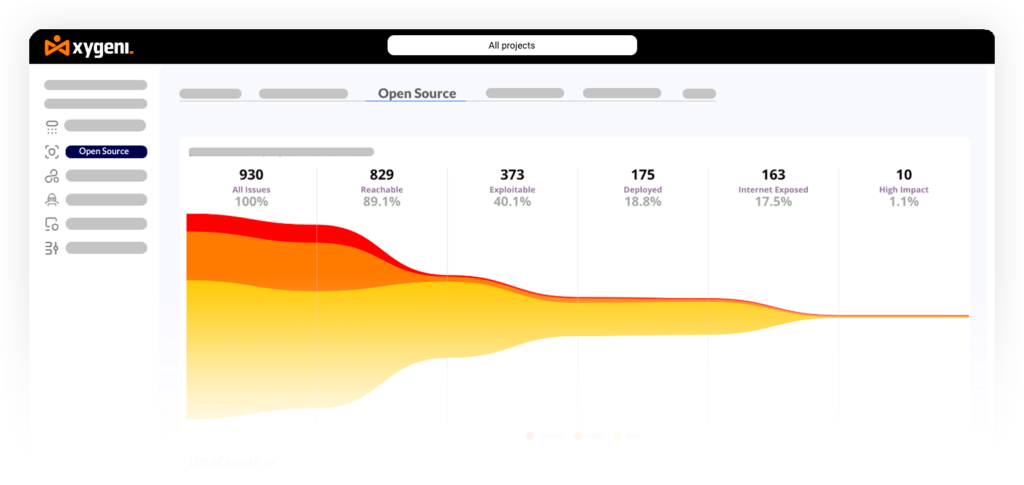
- ASPM: Ocuco Application Security Posture Management laget oppdager, katalogiserer og vurderer automatisk alle programvareressurser på tvers av databaser, pipelines og skymiljøer. Den inntar funn fra første- og tredjepartsverktøy i en enhetlig risikostyringsenhet dashboard og bruker dynamiske trakter for å forbedre prioritering etter utnyttbarhet, tilgjengelighet og forretningskontekst. Anerkjent på RSA-konferansen i 2024 og Global InfoSec Awards i 2026.
- Forsvar mot skadelig programvare: Oppdager og blokkerer ondsinnet kode, nulldagstrusler og angrep i forsyningskjeden i sanntid på tvers av applikasjonskode, pakker med åpen kildekode, CI/CD pipelines og infrastruktur. Gir tidlig varsling ved å analysere nylig publiserte pakker og blokkere reverse shells, ondsinnede nedlastinger og uautoriserte kodeendringer.
- Build Security: Sikrer kontinuerlig artefaktintegritet gjennom sanntidsverifisering og nøkkelfrie signaturer. SLSA provenance støtte og tilpassede in-toto-attesteringer. Blokkerer manipulerte artefakter før levering eller utrulling.
- Anomalideteksjon: Atferdsovervåking i sanntid av CI/CD infrastruktur og kodelagre. Oppdager og varsler om mistenkelige handlinger som deaktiverte sikkerhetstiltak, uautoriserte tilgangsforsøk og brudd på retningslinjene.
Nøkkelferdigheter:
- Nullstøyprioritering: reduserer varslingsvolumet med opptil 90 % ved hjelp av utnyttbarhet, tilgjengelighet og forretningskontekst
- AI AutoFix og risikoanalyse for utbedring å bruke sikre oppdateringer uten å ødelegge bygg
- Innfødt CI/CD integrasjon med GitHub Actions, GitLab CI/CD, Jenkins, Bitbucket Pipelines og Azure DevOps
- Samsvarshåndhevelse tilordnet NIST, CIS, ISO 27001, SOC 2, OWASP og OpenSSF
- Ubegrenset antall arkiver og bidragsytere uten pris per sete
- MCP-server for sikre, policydrevne handlinger fra andrepiloter og AI-agenter
Best for: Ingeniør-, DevSecOps- og sikkerhetslederteam som trenger én enkelt AI-drevet plattform som dekker alle lag av SDLC, fra kode og avhengigheter til kjøretid, infrastruktur og forsyningskjede, uten å administrere et fragmentert sett med verktøy.
Priser: Starter på 33 dollar/måned for den komplette alt-i-ett-plattformen. Inkluderer SAST, SCA, CI/CD Sikkerhet, hemmelighetsavsløring, IaC Securityog containerskanning. Ubegrenset antall arkiver og bidragsytere uten pris per bruker.
2. Jira med sikkerhetsarbeidsflyter

Oversikt:
Jira er det mest brukte verktøyet for prosjekt- og sprintstyring i DevOps. Selv om det ikke inkluderer noen innebygd sikkerhetsskanning, spiller det en kritisk rolle i SDLC ved å tilby arbeidsflytlaget som sporer sårbarheter fra deteksjon til utbedring. Når det er koblet til skanneverktøy via integrasjoner eller Atlassians markedsplass, blir det et sentralt knutepunkt for å håndtere sikkerhetsgjeld i tillegg til vanlige utviklingsoppgaver.
Viktige funksjoner:
- Automatisert oppretting av billetter fra SAST, SCAog IaC skannerfunn
- Tilpassede arbeidsflyter for sikkerhetsutbedring med SLA-sporing
- Risikostilling dashboards og rapportering av samsvarsmålinger
- Bredt integrasjonsøkosystem som dekker GitHub, GitLab, Snyk, Xygeni og andre
| Pros | Ulemper |
|---|---|
| Universell adopsjon på tvers av ingeniørteam | Ingen innebygd sikkerhetsskanningsfunksjon |
| Fleksible, tilpassede arbeidsflyter for sporing av utbedringer | Sikkerhetssynlighet avhenger helt av tilkoblede verktøy |
| Sterk dashboard og revisjonsrapportering | Konfigurasjonstung og krever kontinuerlig vedlikehold |
Best for: Team som trenger et strukturert lag for sporing av utbedringer for å utfylle sine eksisterende sikkerhetsskannere, spesielt de som allerede kjører Atlassian-arbeidsflyter på tvers av organisasjonen.
Priser: Skyabonnementer starter på omtrent 8 dollar per bruker per måned. Sikkerhetsfunksjonaliteten avhenger av tilkoblede integrasjoner og programtillegg.
3. GitHub avansert sikkerhet (GHAS)
Oversikt: GitHub avansert sikkerhet utvider GitHub-plattformen med innebygd statisk analyse, avhengighetsskanning og hemmelighetsdeteksjon direkte i den. pull requests og CI/CD løper. For lag som allerede er standardbasert på GitHub, legger den til sikkerhetshåndhevelse uten at utviklere må forlate sitt primære arbeidsområde. Den tette integrasjonen med GitHub Actions gjør det til et naturlig første skritt for team som starter sin DevSecOps-reisen.
Viktige funksjoner:
- CodeQL SASTdyp semantisk analyse for å finne komplekse sårbarhetsmønstre på tvers av støttede språk
- Dependabot: automatisert deteksjon av utdaterte eller sårbare pakker med foreslåtte oppdateringer
- Hemmelig skanning: identifiserer eksponerte legitimasjonsdetaljer på tvers av databaser før kode slås sammen
- Sentralisert sikkerhet dashboardaggregerer funn på tvers av databaser for samsvarssporing
| Pros | Ulemper |
|---|---|
| Dyp GitHub-økosystemintegrasjon med minimal oppsett | GitHub-eksklusiv, ingen støtte for GitLab eller Bitbucket |
| Sterk CodeQL SAST motor for støttede språk | Nei IaC, DAST eller containerskanning |
| Hemmelig skanning tilgjengelig på tvers av de fleste abonnementer | Enterprise funksjoner krever kostbare planer på høyere nivå |
Best for: Lag fullt ut standardisert på GitHub som ønsker innebygd sikkerhetsskanning med lav friksjon uten å legge til eksterne verktøy i stacken sin.
Priser: Lisensiert per aktiv commitunder GitHub EnterprisePrisskalaer med teamstørrelse og bruk.
4. Sonarqube SDCL-verktøy for sikkerhet

Oversikt: soundQube er en av de mest etablerte plattformene for analyse av kodekvalitet og sikkerhet som er tilgjengelige. Den utfører statisk analyse på tvers av dusinvis av programmeringsspråk for å oppdage sårbarheter, feil og kodelukt, og integreres direkte i CI/CD pipelineog utvikler-IDE-er for kontinuerlig tilbakemelding. Konseptet med kvalitetsporter, som blokkerer bygg når det oppdages alvorlige problemer, har blitt en standard mønster i mange sikkerhetsarbeidsflyter for programvareutvikling.
Viktige funksjoner:
- Multi-språk SAST motor med bred språkstøtte på tvers enterprise stabler
- Kvalitetsporter som automatisk blokkerer usikre eller lavkvalitetsbygg
- IDE-pluginer for tilbakemeldinger i sanntid under aktiv utvikling
- Kontinuerlig analyse på tvers commits, grener og sammenslåingsforespørsler
| Pros | Ulemper |
|---|---|
| Moden plattform med et stort fellesskap og økosystem | Begrenset til kildekode uten SCA, DAST, IaC, eller containerdekning |
| Sterk tilbakemeldingssløyfe for utviklere via IDE-pluginer | Krever tuning for å minimere falsk positiv støy |
| Gratis fellesskapsutgave tilgjengelig for mindre team | Kommersielle utgaver er dyre for større organisasjoner |
Best for: Team fokusert på kodekvalitet og statisk kodeanalyse som kobler SonarQube med separate verktøy for avhengighets-, kjøretids- og infrastrukturdekning.
Priser: Fellesskapsutgaven er gratis. Kommersielle utgaver starter på omtrent $150/utvikler/år.
5. Snyk SDCL-verktøy for sikkerhet
Oversikt: Snyk er en sikkerhetsplattform rettet mot utviklere, bygget rundt avhengighetshåndtering med åpen kildekode og containersikkerhet. Den integreres direkte i IDE-er, Git-plattformer og CI/CD pipelines for å skanne etter sårbare biblioteker, feilkonfigurasjoner av containere og IaC problemer, automatisering av utbedring gjennom pull requestsDen utviklersentriske designen holder friksjonen lav for ingeniørteamene samtidig som den gir meningsfull dekning for Sikkerhetsrisikoer knyttet til åpen kildekode-programvare.
Viktige funksjoner:
- SCAfinner sårbare biblioteker og anbefaler tryggere, kompatible versjoner med tilgjengelighetskontekst
- Beholder og IaC skanning: oppdager feilkonfigurasjoner i Docker, Terraform og Kubernetes
- IDE- og Git-integrasjon: gir kontekstuelle sårbarhetsvarsler og forslag til rettelser i utviklerens arbeidsflyt
- Automatiserte utbedrings-PR-er: oppretter sikker avhengighetsoppgradering pull requests automatisk
| Pros | Ulemper |
|---|---|
| Sterk utviklererfaring med lav adopsjonsfriksjon | Modulær prising betyr at full dekning krever flere abonnementer |
| Automatiserte PR-er for reparasjoner reduserer gjennomsnittlig tid til utbedring | Begrenset utnyttbarhetskontekst for nøyaktig prioritering |
| God beholder og IaC dekning | Enterprise styringsalternativer låst til høyere prisnivåer |
Best for: Utviklersentriske team fokusert på å sikre avhengigheter med åpen kildekode og containeravbildninger, villige til å administrere modulære abonnementer etter hvert som dekningsbehovene utvides.
Priser: Gratisnivå tilgjengelig med begrensede skanninger. Betalte abonnementer starter på omtrent $57/utvikler/måned.
6. Checkmarx SDCL-verktøy for sikkerhet
Oversikt: Checkmarx er en enterprise-grade plattform for testing av applikasjonssikkerhet som kombinerer SAST, SCA, API-sikkerhet og infrastrukturskanning i en omfattende løsning bygget for store organisasjoner. Den er spesialbygd for regulerte bransjer og komplekse miljøer der dyptgående samsvarskartlegging, omfattende språkdekning og sentralisert styring er ufravikelige krav. Team som tar i bruk Beste praksis for DevSecOps at enterprise skala evaluerer ofte Checkmarx sammen med enhetlige plattformer.
Viktige funksjoner:
- Dyp SAST motor som støtter et bredt spekter av programmeringsspråk og rammeverk
- SCA med lisensamsvar og sårbarhetssporing på tvers av avhengigheter
- API-sikkerhetstesting integrert i SDLC arbeidsflyt
- Samsvarskartlegging til PCI-DSS, ISO 27001, NIST og OWASP standards
| Pros | Ulemper |
|---|---|
| Omfattende enterprise-gradsdekning | Komplekst oppsett og betydelige løpende vedlikeholdskostnader |
| Sterk samsvarsrapportering for regulerte bransjer | Høye kostnader som er uoverkommelige for mindre team |
| Pålitelig innen finans, helsevesen og offentlig sektor | Bratt læringskurve for team uten dedikert sikkerhetspersonell |
Best for: Stor enterpriseog regulerte organisasjoner med dedikerte sikkerhetsteam og strenge revisjons- og samsvarsmandater.
Priser: Enterprise Priser tilgjengelig på forespørsel. Vanligvis distribuert under volum eller enterprise lisensavtaler.
7. OWASP-trusseldragen

Oversikt: OWASP-trusseldragen er et gratis, åpen kildekode-verktøy for trusselmodellering som hjelper sikkerhetsarkitekter og utviklingsteam med å identifisere risikoer i designfasen, før noen kode skrives. Ved å visualisere systemarkitektur og kartlegge OWASP-trusselkategorier til dataflyter og tillitsgrenser, gjør det det mulig for team å ta informerte sikkerhetsbeslutninger.cisioner tidlig i SDLC, når endringer er billigst å implementere. Det passer godt sammen med automatiserte skanneverktøy senere i pipeline som en del av en venstrevendt tilnærming til applikasjonssikkerhetstesting.
Viktige funksjoner:
- Visuelt modelleringsgrensesnitt for dataflytdiagrammer og kartlegging av tillitsgrenser
- Forhåndsdefinerte OWASP-trusselbiblioteker for å akselerere risikoidentifisering under designgjennomganger
- Skrivebords- og nettbaserte versjoner for fleksibel teamtilgang
- Delt modellredigering for å støtte samarbeidende arkitektur- og sikkerhetsgjennomganger
| Pros | Ulemper |
|---|---|
| Gratis og åpen kildekode under OWASP Foundation | Helt manuelt uten automatisert skanning eller håndheving |
| Utmerket for sikkerhetsdekorasjon i tidlig fase av designfasencisioner | Nei CI/CD integrering eller håndhevingskapasitet for retningslinjer |
| Lav barriere for adopsjon for alle teamstørrelser | Må kombineres med andre verktøy for kjøretid og pipeline beskyttelse |
Best for: Sikkerhetsarkitekter og -team som bruker en trusselmodell-først-tilnærming og ønsker å identifisere arkitektoniske risikoer før utviklingen starter.
Priser: Gratis og åpen kildekode under OWASP Foundation.
8. Docker Scout

Oversikt: Docker Scout utvider Docker-økosystemet med containerfokusert sårbarhetshåndtering og synlighet av programvarens forsyningskjede. Den analyserer containerbilder lag for lag, genererer programvarestykklister (SBOMs), og sjekker basisavbildninger for kjente sårbarheter og samsvar med beste praksis for sikkerhet. Integrasjonen med Docker Hub gjør det til en naturlig løsning for team som allerede bygger containeriserte applikasjoner og ønsker SBOM generasjonen som en del av deres pipeline.
Viktige funksjoner:
- Deteksjon av containersårbarheter med veiledning om utbedring på bildelagnivå
- SBOM generering i SPDX- og CycloneDX-formater som er kompatible med de viktigste samsvarsrammeverkene
- Integrasjon med Docker Hub, containerregistre og CI/CD pipelines
- Policyvalidering for samsvarssikring på basisbilder og avhengigheter
| Pros | Ulemper |
|---|---|
| Integrasjon av Docker-økosystem med minimal oppsett | Begrenset til containersikkerhet uten kode, avhengighet, DAST eller IaC dekning |
| SBOM generasjon utenfor boksen | Manuell utbedringsprosess for identifiserte sårbarheter i bildet |
| Lav adopsjonsfriksjon for team som allerede bruker Docker Hub | Erstatter ikke en full SDLC sikkerhetsplattform |
Best for: Team som bygger containeriserte applikasjoner og som trenger synlighet på containerlaget. SBOM generasjon som et supplement til en bredere SDLC sikkerhetsverktøy.
Priser: Inkludert i betalte Docker-abonnementer. Et gratisnivå er tilgjengelig for begrenset bruk.
9. Jenkins med sikkerhetsplugins

Oversikt: Jenkins er den mest distribuerte automatiseringsserveren med åpen kildekode innen DevOps. Selv om den ikke har noen innebygd sikkerhetsskanning, forvandler plugin-økosystemet den til et svært konfigurerbart sikkerhetshåndhevelsessenter som er i stand til å kjøre SAST, SCA, IaC, og hemmelighetsskanning som førsteklasses trinn i enhver pipelineTeam med eksisterende Jenkins-infrastruktur kan legge til sikkerhet guardrails og samsvarsporter uten å migrere til en annen CI/CD plattform. Forståelse indikatorer på kompromiss i CI/CD pipelines er spesielt relevant for team som kjører Jenkins i stor skala.
Viktige funksjoner:
- Plugin-støtte for store SAST, SCA, IaCog verktøy for skanning av hemmeligheter
- Administrasjon av legitimasjonshvelv for beskyttelse pipeline hemmeligheter i ro og på vei
- Tilpassede byggeregler og kvalitetsporter for å blokkere usikre eller ikke-kompatible bygg
- Fleksibel integrasjon med så godt som alle sikkerhetsverktøy via API-er eller fellesskapspluginer
| Pros | Ulemper |
|---|---|
| Gratis og åpen kildekode med svært tilpassbare egenskaper pipeline logikk | Ingen innebygd skannefunksjon, helt avhengig av tredjeparts plugins |
| Eksisterende brukere kan utvide uten endringer i infrastrukturen | Kompleks konfigurasjon og kontinuerlig vedlikehold av plugin-kompatibilitet |
| Bred økosystemstøtte på tvers av CI/CD sikkerhetsverktøy | Problemer med plugin-stabilitet kan føre til driftsrisiko |
Best for: Team med etablert Jenkins-infrastruktur som ønsker å legge til sikkerhetshåndhevelse til eksisterende pipelineuten å migrere til en ny CI/CD plattform.
Priser: Åpen kildekode og gratis å bruke. Kostnader relaterer seg til infrastrukturhosting og ekstern lisensiering av plugins.
10. Postman API-sikkerhet
Oversikt: Postbud er bransjen standard for API-design og -testing, og den inkluderer nå innebygde sikkerhetsfunksjoner som er rettet mot API-endepunkter, autentiseringsflyter og skjemadefinisjoner. Den samarbeidende arbeidsområdets modell gjør det enkelt for utviklere og testere å dele sikkerhetsfunn, håndheve API-er standards, og kjøre automatiserte skanninger som en del av kontinuerlig levering. For team der skanning av applikasjonssårbarheter Postman strekker seg til API-overflater, og tilbyr et kjent utgangspunkt. For API-sikkerhet under kjøring med dypere ASPM korrelasjon tilbyr plattformer som Xygeni DAST bredere dekning gjennom prioriteringstrakten sin.
Viktige funksjoner:
- Automatisert API-skanning og fuzz-testing for endepunktssårbarheter og autentiseringssvakheter
- CI/CD integrasjon for kontinuerlig API-sikkerhetsvalidering på hver bygg
- Skjema- og policyhåndhevelse for konsekvent API-styring på tvers av team
- Samarbeidsområder for teambasert testing og resultatdeling
| Felt | Verdi |
|---|---|
| Best for | API-første team som trenger automatisert sikkerhetsvalidering av API-endepunktene sine før utrulling, integrert i et verktøy de allerede bruker som en del av sin daglige arbeidsflyt. |
| Pris | Gratisabonnement tilgjengelig. Forretningsplaner starter på omtrent 12 dollar per bruker per måned med ytterligere samarbeids- og automatiseringsfunksjoner. |
Best for: API-første team som trenger automatisert sikkerhetsvalidering av API-endepunktene sine før utrulling, integrert i et verktøy de allerede bruker som en del av sin daglige arbeidsflyt.
Priser: Gratisabonnement tilgjengelig. Forretningsplaner starter på omtrent 12 dollar per bruker per måned med ytterligere samarbeids- og automatiseringsfunksjoner.
Hva du skal se etter i SDLC Verktøy for sikkerhet
Etter å ha gjennomgått verktøyene ovenfor, er dette kriteriene som skiller plattformer som virkelig forbedrer sikkerhetstilstanden fra de som bare tilfører støy til pipeline:
CI/CD Integrering. Sikkerhet må kjøre der utviklingen allerede skjer. De beste verktøyene integreres naturlig med GitHub Actions og GitLab. CI/CD, Jenkins, Bitbucket eller Azure DevOps uten å kreve kompleks, tilpasset oppsett eller dedikert vedlikehold.
SAST og SCA Dekning. Sterke verktøy oppdager usikre kodemønstre og sårbare avhengigheter mens utviklere skriver kode, ikke etter at en bygging er fullført. Begge lagene er nødvendige: SAST dekker din egen kode, SCA dekker avhengigheter fra tredjeparter.
DAST for kjøretidsvalidering. Statisk analyse alene kan ikke oppdage sårbarheter som bare oppstår når et program kjører. DAST simulerer reelle angrep mot distribuerte tjenester og API-er, og avdekker utnyttbare feil som SQL-injeksjon, XSS og autentiseringssvakheter. Plattformer som Xygeni DAST korreler kjøretidsfunn med kodenivåkontekst gjennom ASPM for et enhetlig risikobilde.
Hemmeligheter og deteksjon av skadelig programvare. Effektive plattformer skanner etter lekkede legitimasjonsdetaljer, skadelige pakker og manipulerte artefakter før de når produksjon. Hemmeligheter lekker inn i arkiver er fortsatt en av de vanligste og mest kostbare DevSecOps-hendelsene.
IaC og containersikkerhet. Team bør skanne Kubernetes-, Terraform- og Docker-konfigurasjoner for å fange opp risikable standardverdier, altfor permissive roller og feilkonfigurasjoner før de når produksjonsmiljøer. Se topp IaC verktøy for 2026 for komplementære alternativer.
Retningslinjer som kode Guardrails. Å definere retningslinjer som kode sikrer at alle pull request og bygging følger konsistent sikkerhet standarduten å stole på manuell gjennomgang. Dette er forskjellen mellom rådgivende funn og håndhevet sikkerhet.
Kontekstbevisst prioritering. Gode verktøy går utover enkle alvorlighetsgrader. Bruk av utnyttbarhet og tilgjengelighetsanalyse data for å fokusere på problemer som faktisk er tilgjengelige i kodebasen din reduserer støy og hjelper team med å fokusere på det som betyr noe.
Kartlegging av samsvar. Kartlegging av kontroller til rammeverk som NIST, ISO 27001, SOC 2 eller CIS Benchmarks hjelper team med å holde seg kontinuerlig klare for revisjon i stedet for å måtte stresse med gjennomganger.
Automatisert utbedring. Moderne verktøy bør bidra til å løse problemer raskt ved å foreslå pull-request-patcher eller tilby ettklikksutbedringer. Autofiks i AppSec er ikke lenger en premium funksjon, men en grunnleggende forventning for team som håndterer store etterslep i sårbarheter. MTTR i AppSec er en nøkkelmåling for å evaluere hvor effektivt en plattform lukker gapet mellom deteksjon og reparasjon.
Hvordan velge riktig SDLC Security Tool
Ikke et enkelt verktøy passer for alle team. Bruk dette rammeverket for å begrense alternativene basert på din faktiske situasjon:
Start med å kartlegge dekningshullene dine. Identifiser hvilken SDLC stadier har for øyeblikket ingen automatisert beskyttelse: kode, avhengigheter, hemmeligheter, IaC, containere, runtime-API-er. Prioriter verktøy som fyller de mest kritiske hullene, ikke de mest synlige.
Tilpass verktøydybden til teamstrukturen. Et lite DevOps-team uten en dedikert sikkerhetsfunksjon trenger en automatisert plattform med lav friksjon som fungerer rett ut av boksen med fornuftige standardinnstillinger. Et stort enterprise med et dedikert sikkerhetsteam og samsvarsmandater trenger det dyptgående revisjonsspor, håndheving av retningslinjer og rapportering.
Ta hensyn til AI-generert kode i risikomodellen din. Forskning viser at rundt 40 % av AI-generert kode kan inneholde sikkerhetsproblemer. Team som bruker GitHub Copilot, Cursor eller lignende verktøy trenger en plattform som eksplisitt validerer AI-generert utdata, ikke bare menneskeskrevet kode. Plattformer som Xygeni DevAI er spesialbygd for dette, og skanner trinnvis etter hvert som utviklere skriver og validerer rettelser før de når målet. pipeline.
Beregn totalkostnaden, ikke bare lisensprisen. Modulære verktøy kan virke billigere i utgangspunktet, men komplette SDLC dekning krever vanligvis flere abonnementer. En enhetlig plattform med forutsigbar prising viser seg ofte å være mer økonomisk i stor skala. Sammenlign tilnærminger ved hjelp av beste verktøy for applikasjonssikkerhet oversikt som en bredere referanse.
Bekreft CI/CD kompatibilitet før committing. Det beste sikkerhetsverktøyet er et som kjører automatisk der teamet ditt allerede jobber. Bekreft innebygd støtte for din spesifikke CI/CD plattformen før du vurderer noe annet.
Evaluer kvaliteten på utbedringen, ikke bare deteksjonsraten. Verktøy som bare rapporterer sårbarheter øker utviklernes arbeidsmengde uten å redusere risikoen. Prioriter plattformer som genererer handlingsrettede forslag til løsninger, automatiserte PR-er eller kontekstbasert veiledning med bevissthet om viktige endringer.
Planlegg for vekst for bidragsytere og arkiver. Prissetting per sete blir en betydelig kostnadsdriver etter hvert som team skalerer. Velg en plattform hvis prismodell er i tråd med vekstbanen din, spesielt for organisasjoner med et stort antall bidragsytere eller monorepo-strukturer.
Final Thoughts
Sikkerhet innebygd i SDLC produserer raskere og tryggere programvare fra starten av enn sikkerhet som legges til på slutten av en utgivelsessyklus. Hvert trinn i pipeline, fra design og koding til infrastruktur og runtime-distribusjon, er en potensiell angrepsflate.
Plattformene som er gjennomgått her, adresserer hver et spesifikt lag eller brukstilfelle. Noen utmerker seg på statisk analyse, andre på containerbeskyttelse eller trusselmodellering. For team som trenger fullstendig, enhetlig dekning på tvers av hele programvareforsyningskjeden uten å administrere en fragmentert stabel med frakoblede verktøy, tilbyr Xygeni den mest omfattende tilnærmingen i 2026: å kombinere SAST, SCA, DAST, IaC, hemmeligheter, forsvar mot skadelig programvare, CI/CD guardrails, ASPM, og agentisk AI gjennom DevAI og CoreAI, alt til en forutsigbar pris uten begrensninger per sete og ingen tretthet på varsling.
FAQ
Hva er en SDLC et verktøy for sikkerhet?
An SDLC sikkerhetsverktøyet er en plattform som integrerer sårbarhetsdeteksjon, håndheving av retningslinjer og samsvarskontroller direkte i programvareutviklingens livssyklus, i koderedigerere, pull requestsog CI/CD pipelines, slik at risikoer identifiseres og løses så tidlig som mulig i stedet for å oppdages etter utplassering.
Hva er forskjellen mellom SAST, SCAog DAST i SDLC verktøy?
SAST (Statisk applikasjonssikkerhetstesting) analyserer din egen kildekode for usikre mønstre og sårbarheter uten å kjøre applikasjonen. SCA (Software Composition Analysis) skanner tredjepartsbiblioteker med åpen kildekode som koden din er avhengig av, og sjekker dem mot kjente sårbarhetsdatabaser. DAST (Dynamic Application Security Testing) analyserer kjørende applikasjoner utenfra og simulerer reelle angrep for å finne utnyttbare feil som bare oppstår under kjøring. En komplett SDLC sikkerhetsplattformen inkluderer alle tre, sammen med IaC skanning, oppdagelse av hemmeligheter og beskyttelse av forsyningskjeden.
hvordan SDLC sikkerhetsverktøy integreres med CI/CD pipelines?
De fleste moderne verktøy tilbyr innebygde integrasjoner eller YAML-konfigurasjoner for GitHub Actions, GitLab CI, Jenkins og lignende plattformer som utløser sikkerhetsskanninger automatisk på alle pull request eller push-hendelse. Funn kan blokkere sammenslåinger, opprette saker eller utløse varsler, og dermed håndheve sikkerheten standarduten at utvikleren må inngripe i hver versjon.
Hvilken SDLC Verktøyet dekker flest sikkerhetslag i 2026?
Xygeni dekker det bredeste spekteret i én plattform: SAST, SCA, DAST, hemmelighetsdeteksjon, IaC skanning, containersikkerhet, forsvar mot skadelig programvare, CI/CD guardrails, byggeintegritet, avviksdeteksjon og ASPM, med agentisk AI gjennom DevAI og CoreAI, uten å kreve separate abonnementer eller komplekse integrasjoner mellom verktøy.
Er åpen kildekode SDLC Er sikkerhetsverktøy tilstrekkelige for produksjonsmiljøer?
Åpen kildekode-verktøy som OWASP Threat Dragon eller Jenkins med plugins kan håndtere spesifikke lag, men krever betydelig konfigurasjon, vedlikehold og komplementære verktøy for å oppnå full dekning. For produksjonsmiljøer med samsvarskrav, en administrert plattform med enterprise Støtte, automatisert utbedring og enhetlig rapportering gir vanligvis bedre sikkerhetsresultater med lavere driftskostnader.
Hvordan påvirker AI-generert kode SDLC sikkerhet?
Forskning viser at rundt 40 % av AI-generert kode kan inneholde sikkerhetsproblemer, noe som gjør sanntidsvalidering i IDE-en viktigere enn noensinne. Tradisjonell SDLC Verktøy bygget for menneskeskrevet kode overser ofte sårbarheter introdusert av andrepiloter og AI-assistenter. Plattformer som Xygeni DevAI er spesielt utviklet for å skanne AI-generert kode trinnvis etter hvert som utviklere skriver, evaluere utbedringsrisiko før de implementerer noen rettelser, og håndheve enterprise guardrails inne i utviklingsarbeidsflyten.