


Introducere: De ce este importantă testarea securității aplicațiilor
Dacă construiești software, securitate pentru dezvoltarea de software nu este doar un supliment - este o necesitate. Pe măsură ce amenințările cibernetice evoluează zilnic, testarea securității aplicațiilor joacă un rol crucial în detectarea din timp a vulnerabilităților, asigurând o dezvoltare software mai sigură. Cu toate acestea, Detectarea problemelor este doar jumătate din luptă. Mai important, cum le repari? Pentru a răspunde la această întrebare, vom explora diferite tipuri de testare a securității aplicațiilor, cele mai bune practici în testarea securității în dezvoltarea de software și strategii de remediere care vă va ajuta să expediați cod securizat eficient.
Tipuri de testare a securității aplicațiilor
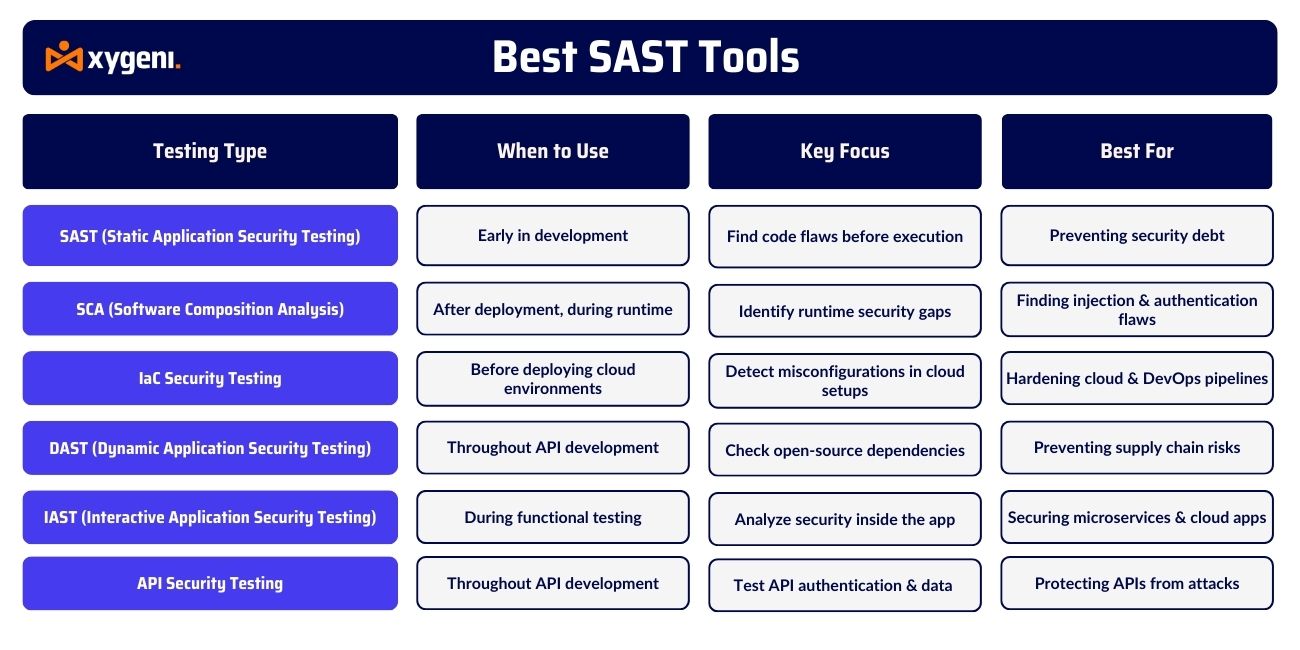
Securitatea pentru dezvoltarea de software necesită mai mult decât o singură abordare de testare. Securizarea aplicațiilor nu este un proces universal. În schimb, diverse metode de testare a securității aplicațiilor ajută la descoperirea vulnerabilităților la diferite niveluri. etapele ciclului de viață al dezvoltării software (SDLC).
Prin stratificarea acestor abordări de securitate, echipele pot consolida aplicațiile, pot reduce riscurile de securitate și pot preveni vulnerabilitățile înainte ca atacatorii să le exploateze. Fiecare metodă joacă un rol unic în securizarea software-ului, asigurând protecția de la dezvoltarea codului până la implementare.
Să aruncăm o privire mai atentă asupra celor mai eficiente tipuri de testare a securității aplicațiilor și a modului în care acestea ajută echipele să construiască software mai sigur.
1. Analiza compoziției software-ului (SCA)
Pe lângă analiza codului proprietar, aplicațiile moderne se bazează în mare măsură pe biblioteci open source. Deși aceste componente pot fi benefice, ele pot introduce riscuri de securitate. Aici intervin... Analiza compoziției software intervine - ajută echipele să monitorizeze continuu dependențele terților pentru vulnerabilități și probleme de licențiere.
Când utilizați: Continuu, de-a lungul SDLC.
Cum funcționează: Scanează dependențele open-source pentru vulnerabilități cunoscute și componente învechite.
Cel mai bun pentru: Prevenirea atacurilor în lanțul de aprovizionare și asigurarea conformității cu standardele de securitate standards.
2. Testarea statică a securității aplicațiilor (SAST)
În primul rând, detectarea defectelor de securitate la începutul dezvoltării este esențială. SAST permite dezvoltatorilor să identifice vulnerabilitățile înainte ca codul să fie executat, asigurându-se că problemele sunt rezolvate înainte de a deveni costisitoare.
Când utilizați: În stadii incipiente de dezvoltare (securitate shift-left).
Cum funcționează: Scanează codul înainte de execuție, detectând vulnerabilități în sursă, bytecode sau fișiere binare.
Cel mai bun pentru: Identificarea defectelor la nivel de cod înainte de implementare.
3. Infrastructura ca și cod (IaC) Testarea securității
Odată cu adoptarea rapidă a mediilor cloud, securizarea configurațiilor infrastructurii este la fel de importantă ca securizarea codului aplicației. IaC security Testarea asigură detectarea și corectarea configurațiilor greșite înainte de implementare.
Când utilizați: Înainte de implementarea mediilor cloud.
Cum funcționează: Scanează Terraform, CloudFormation, Kubernetes și Docher fișiere pentru riscuri de securitate.
Cel mai bun pentru: Asigurarea securității aplicațiilor cloud-native și a DevOps-urilor pipelines.
4. Testarea dinamică a securității aplicațiilor (DAST)
Spre deosebire de SAST, care analizează codul static, DAST adoptă o abordare diferită prin testarea aplicațiilor în timp ce rulează. Prin simularea atacurilor din lumea reală, DAST identifică breșele de securitate care apar doar în timpul execuției.
Când utilizați: După implementare, în timpul execuției.
Cum funcționează: Atacă aplicația așa cum ar face-o un hacker, detectând vulnerabilități de securitate într-un mediu real.
Cel mai bun pentru: Găsirea atacurilor de tip injecție, a defectelor de autentificare și a configurațiilor greșite.
5. Testarea interactivă a securității aplicațiilor (IAST)
Unele vulnerabilități pot trece atât prin testarea statică, cât și prin cea dinamică. Pentru a acoperi decalajul, IAST oferă analiză de securitate în timp real în timpul execuției aplicației, permițând echipelor să detecteze vulnerabilitățile în mod dinamic, păstrând în același timp contextul codului.
Când utilizați: În timpul testării funcționale.
Cum funcționează: Folosește analize în timp real în cadrul aplicației pentru a identifica riscurile de securitate.
Cel mai bun pentru: Microservicii, aplicații containerizate și aplicații cloud-native.
6. Testarea securității API-urilor
Pe măsură ce API-urile devin coloana vertebrală a aplicațiilor moderne, acestea sunt din ce în ce mai mult vizate de atacurile cibernetice. Testarea securității API-urilor asigură că endpoint-urile rămân protejate de configurații greșite și de niciun acces autorizat.
Când utilizați: Pe tot parcursul dezvoltării API-ului.
Cum funcționează: Scanează pentru autentificare slabă, configurații necorespunzătoare și expunere a datelor.
Cel mai bun pentru: Prevenirea amenințărilor de securitate legate de API și a scurgerilor de date.
Cele mai bune practici în testarea securității pentru dezvoltarea de software
Securizarea aplicațiilor nu înseamnă doar rularea de teste - ci și transformarea securității într-o parte naturală a procesului de dezvoltare. Urmând aceste bune practici, echipele pot detecta vulnerabilitățile din timp, pot automatiza verificările de securitate și se pot concentra pe remedierea amenințărilor reale fără a încetini dezvoltarea.
1. Mutare securitate stânga
Securitatea ar trebui să înceapă la începutul ciclului de viață al dezvoltării, nu după implementare.
- Alerga SAST și SCA scanări imediat ce codul este scris pentru a preveni ca problemele de securitate să ajungă în producție.
- Oferă dezvoltatorilor feedback acționabil astfel încât să poată remedia vulnerabilitățile înainte ca acestea să devină riscuri majore.
2. Automatizați securitatea în CI/CD Pipelines
Securitatea ar trebui să funcționeze la Viteză DevOps, nu să o încetinești.
- Integra SAST, DAST și SCA în dvs. CI/CD pipelines să scaneze fiecare cod commit în mod automat.
- Utilizare controale bazate pe politici pentru a împiedica implementarea codului nesigur.
3. Securizează-ți dependențele
Aplicații moderne depinde de software open-source, care pot introduce riscuri de securitate ascunse.
- Automatizați orice SCA de bare/QR pentru a detecta bibliotecile terțe vulnerabile înainte ca acestea să devină o problemă.
- Elimină dependențe învechite și aplicați patch-uri imediat ce devin disponibile.
4. Prioritizarea vulnerabilităților în funcție de risc
Nu toate vulnerabilitățile sunt la fel - concentrați-vă pe remedierea a ceea ce contează cu adevărat.
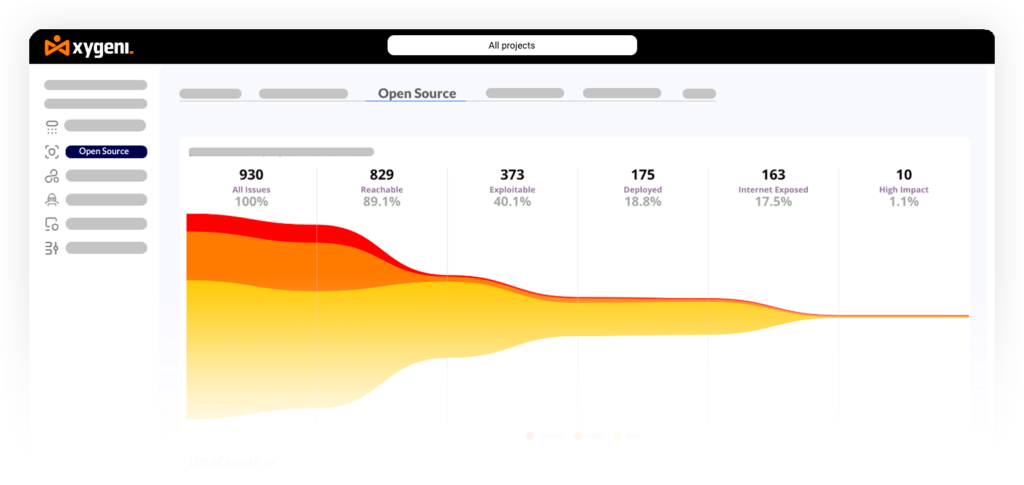
- Utilizare Scorarea EPSS și analiza accesibilității să prioritizeze riscuri exploatabile peste probleme minore.
- Reduce oboseală alertă prin filtrarea avertismentelor de securitate cu impact redus.
5. Monitorizați anomaliile în timp real
Amenințările la adresa securității nu se opresc odată cu implementarea codului—monitorizarea continuă este esențială.
- Utilizare detectarea anomaliilor în timp real pentru a urmări modificările neautorizate din CI/CD pipelineconfigurații s și cloud.
- Prinde și remediază deviațiile de securitate înainte ca acestea să ducă la o încălcare.
Ce este EPSS și de ce este important
Nu orice vulnerabilitate reprezintă o amenințare reală, iar echipele de securitate nu pot remedia totul dintr-o dată. Sistemul de notare a predicției de exploatare (EPSS) ajută la prioritizarea vulnerabilităților pe baza exploatabilității din lumea reală, asigurându-se că echipele se concentrează asupra celor mai probabile atacuri.
- Cum funcționează: În loc să trateze toate vulnerabilitățile la fel, EPSS atribuie un scorul de risc bazate pe tendințele reale de exploatare. Drept urmare, echipele pot remediați mai întâi problemele critice înainte ca atacatorii să profite de ele.
- De ce este util: Cu mii de noi vulnerabilități care apar zilnic, EPSS filtrează alertele inutile astfel încât echipele să poată concentrarea asupra problemelor cu risc ridicat în loc să-și petreacă timpul cu amenințări minore.
- Cum îl folosește Xygeni: Pentru a îmbunătăți EPSS, Xygeni se asigură că este inclusă analiza accesibilității, oferind echipelor remediați doar vulnerabilitățile exploatabile în timp ce evitarea alertelor cu impact redus.
Prin utilizarea EPSS, Xygeni ajută echipele de securitate și DevOps să rezolve problemele corecte - mai rapid și mai inteligent.
Instrumente de testare a securității aplicațiilor Xygeni
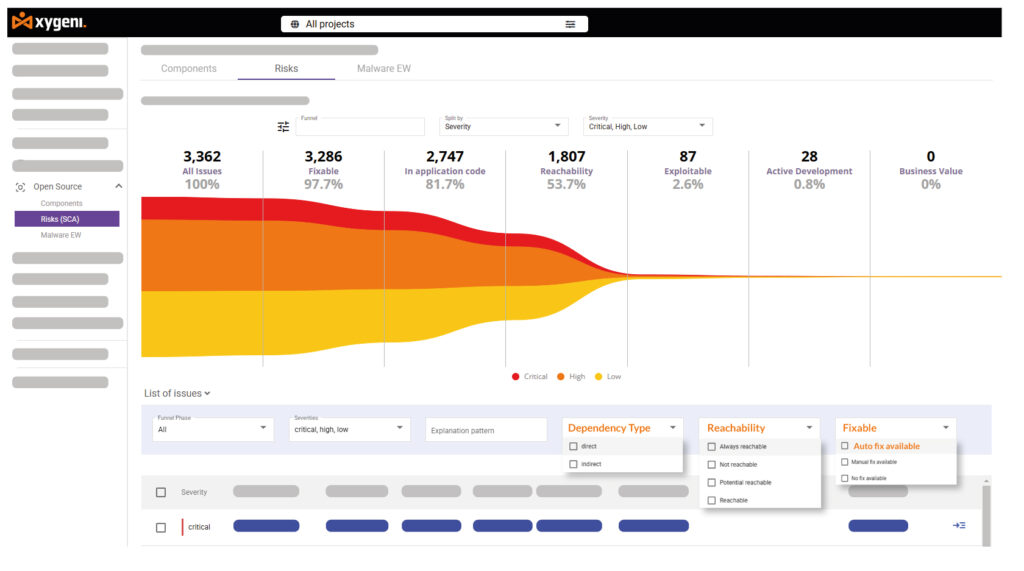
La Xygeni, credem că securitatea ar trebui împuternici dezvoltare, nu încetinirea ei. Nostru Soluții de testare a securității aplicațiilor sunt construite pentru viteză, precizie și integrare DevOps perfectăIată ce face ca Xygeni să iasă în evidență:
- Cel mai bun din clasă SAST – Detectează vulnerabilități înainte de rularea codului și să remedieze din timp problemele de securitate pentru a reduce datoria tehnică.
- Inteligent SCA – Monitorizați dependențele open-source in timp real, prevenind atacurile asupra lanțului de aprovizionare.
- Integrare DevOps fără efort – Funcționează cu Jenkins, Acțiuni GitHub, GitLab CI/CD, Bitbucket Pipelines și Azure DevOps pentru scanări automate de securitate.
- Prioritizare inteligentă, nu zgomot – Scorarea EPSS și analiza accesibilității asigură echipelor Rezolvă ce contează, nu alertele false.
- Remedieri mai rapide cu automatizare – Îndrumările privind remedierea accelerează rezolvarea, menținerea productivității dezvoltatorilor.
Cu Xygeni, echipele construiește software sigur fără complexitate—ca să poată expediați mai rapid, cu încredere.
Concluzie: Securitate mai inteligentă pentru testarea securității aplicațiilor
Securitatea pentru dezvoltarea de software nu înseamnă doar găsirea vulnerabilităților - ci și remedierea lor eficientă fără a încetini lansările. Folosind tipurile potrivite de testare a securității aplicațiilor și cele mai bune practici în testarea securității pentru dezvoltarea de software, echipele pot face din securitate o parte integrantă a fluxului lor de lucru.
La simplificați securitatea fără compromisuri, echipele ar trebui:
- Integrați securitatea din timp pentru a preveni vulnerabilitățile înainte ca acestea să devină costisitoare.
- Automatizați securitatea în CI/CD pipelines a prinde probleme înainte de implementare.
- Monitorizați dependențele implementate cu SCA pentru a evita riscurile lanțului de aprovizionare.
- Concentrați-vă pe amenințările reale folosind EPSS și analiza accesibilității.
- Testarea API-urilor și a infrastructurii continuu pentru a preveni lacunele de securitate.
At Xygeni, securitatea ține pasul cu DevOps—rapid, eficient și conceput pentru echipele de dezvoltare moderne.
Doriți să vă securizați software-ul fără obstacole? Contactați Xygeni astăzi și îmbunătățiți-vă strategia de securitate.