Top 10 SDLC Instrumente de securitate de luat în considerare în 2026
Echipele de dezvoltare livrează mai rapid ca niciodată, iar atacatorii știu asta. Codul sursă, dependențe open-source, CI/CD pipelines și infrastructura cloud sunt acum ținte principale în fiecare etapă a procesului de livrare a software-ului. Software-ul tradițional SDLC Instrumentele construite exclusiv pentru productivitate și gestionarea sarcinilor lasă lacune critice pe care adversarii moderni le exploatează în mod activ. Acest ghid acoperă primele 10 SDLC Instrumente pentru securitate în 2026: ce face fiecare, unde se potrivește și cum să alegi combinația potrivită pentru stiva, dimensiunea și cerințele de conformitate ale echipei tale.
Ce sunt SDLC Instrumente pentru securitate?
Ciclul de viață al dezvoltării software (SDLC) instrumente pentru securitate sunt platforme care integrează detectarea vulnerabilităților, aplicarea conformității și gestionarea riscurilor direct în fluxul de lucru de dezvoltare, de la început commit la implementarea în producție. Spre deosebire de instrumentele DevOps tradiționale, concentrate exclusiv pe gestionarea sarcinilor sau CI/CD automatizare, axată pe securitate SDLC instrumentele se integrează SAST, SCA, detectarea secretelor, IaC scanare și mai multe în pull requests, pipelineși IDE-uri, astfel încât problemele să fie detectate și remediate acolo unde este scris codul.
Top 10 SDLC Instrumente pentru securitate în 2026
| Instrument | Caracteristică de bază | Cele mai bune | Evidențiați |
|---|---|---|---|
| Xygeni | Stivă completă SDLC Securitate: SAST, SCA, DAST, IaCSecrete, CI/CD, ASPM | Echipele care doresc protecție unificată, bazată pe inteligență artificială, completă | Inteligență artificială agentică cu DevAI, CoreAI, AI AutoFix și prioritizare cu zero zgomote |
| JIRA | Flux de lucru de securitate și urmărirea vulnerabilităților | Echipele folosesc deja Jira pentru gestionarea sprinturilor | Fluxuri de lucru personalizate pentru remediere prin integrări |
| Securitate avansată GitHub | CodeQL SAST și scanare secretă | Echipe native GitHub | Integrare profundă cu GitHub Actions |
| soundQube | Analiza statică a codului și porțile de calitate | Echipe de inginerie axate pe calitatea codului | Multi-limba SAST cu pluginuri IDE |
| Snyk | SCA, recipient și IaC de bare/QR | Securitate open-source centrată pe dezvoltatori | PR-uri de corecție automată a dependenței |
| Checkmarx | Enterprise SAST, SCAși securitatea API-ului | Mare enterprisecu mandate de conformitate | Aplicarea profundă a politicilor și cartografierea conformității |
| Dragonul Amenințător OWASP | Modelarea amenințărilor și vizualizarea vectorului de atac | Arhitecți de securitate și echipe din faza de proiectare | Modelare gratuită și open-source a amenințărilor |
| Cercetaș Docker | Scanarea vulnerabilităților imaginilor containerelor și SBOM | Echipe care construiesc aplicații containerizate | SPDX și CycloneDX SBOM generaţie |
| Jenkins + Pluginuri | Instalare CI/CD automatizare cu pluginuri de securitate | Echipe care au nevoie de un open-source personalizabil pipeline | Ecosistem extins de pluginuri pentru SAST, SCA, IaC |
| Securitatea API-ului Postman | Scanare endpoint API și testare fuzz | Echipele API-first au nevoie de validare pre-implementare | Spațiu de lucru pentru testarea API-urilor în colaborare |

Prezentare generală: Xygeni este o platformă de securitate a aplicațiilor bazată pe inteligență artificială, construită pentru echipele care au nevoie de protecție completă, end-to-end, pe întregul ciclu de viață al dezvoltării software, fără a sacrifica viteza de livrare. În loc să gestioneze o stivă fragmentată de scanere cu un singur scop, Xygeni unifică SAST, SCA, DAST, IaC scanare, detectarea secretelor, apărare împotriva programelor malware, CI/CD Securitate, ASPM, build securityși detectarea anomaliilor într-un flux de lucru consistent pentru dezvoltatori.
Ceea ce diferențiază Xygeni în 2026 este stratul său de inteligență artificială Agentic. Platforma introduce două motoare de inteligență artificială, DevAI și CoreAI, care participă activ la detectare, prioritizare și remediere, în loc să se limiteze la raportarea constatărilor. Zgomotul de securitate este redus cu până la 90% prin prioritizarea riscurilor cu zgomot zero, iar dezvoltatorii primesc îndrumări în interiorul IDE-urilor lor înainte ca problemele să ajungă vreodată la... pipeline.
IA agentică: DevAI și CoreAI
Xygeni DevAI este un copilot de securitate bazat pe inteligență artificială (AI), integrat direct în IDE-urile moderne. Acesta analizează continuu, în timp real, codul scris de oameni și cel generat de inteligență artificială, explică căile de exploatare, aplică... guardrails care blochează modificările nesigure și oferă remedieri sigure, gata de îmbinare, validate prin serverul MCP încorporat în Xygeni. DevAI evaluează riscul de remediere și impactul modificărilor nedorite înainte de a recomanda orice remediere, asigurându-se că dezvoltatorii primesc îndrumări sigure pentru producție și aliniate cu enterprise politici. În 2026, Xygeni DevAI a fost recunoscută la Premiile Global InfoSec pentru Securitatea Aplicațiilor GenAI. Puteți afla mai multe despre Securitatea codării prin inteligență artificială și cum să preveniți vulnerabilitățile în codul generat de inteligență artificială.
Xygeni CoreAI este copilotul AI pentru liderii de securitate și echipele DevSecOps. Acesta traduce datele fragmentate de securitate în informații reale, conectând descoperirile tehnice cu impactul asupra afacerii prin interogări în limbaj natural, rapoarte pregătite pentru directori, acțiuni de remediere automate și urmărirea guvernanței. CoreAI ingerează descoperiri de la scanerele proprii Xygeni, precum și de la cele de la terți. SAST, SCA, DAST și IaC instrumente, consolidându-le într-o singură vizualizare acționabilă.
Suită completă de produse
- SAST: Pre-înălțatcisanaliză statică a ionilor bazată pe inteligență artificială, cu detectare a programelor malware și remediere automată a inteligenței artificiale pentru remediere instantanee, contextuală, direct în pull requests. Suporturi AI SAST atât pentru codul generat de oameni, cât și pentru cel generat de inteligența artificială, cu un motor de prioritizare bazat pe riscuri care filtrează constatările în funcție de exploatabilitate și impact.
- SCA: Identifică dependențele open-source vulnerabile și rău intenționate cu ajutorul analizei accesibilității, scorului de risc de remediere, actualizărilor automate ale dependențelor și SBOM export în formatele CycloneDX și SPDX.
- DAST: Analizează aplicațiile web și API-urile care rulează din perspectiva unui atacator, detectând defecte exploatabile, cum ar fi injecția SQL, XSS și punctele slabe de autentificare pe care analiza statică nu le poate găsi. Se integrează în CI/CD pipelineprin intermediul scanerului CLI xy-dast și al pâlniei de prioritizare Xygeni, care filtrează rezultatele în funcție de expunerea la internet, starea de autentificare și impactul asupra afacerii.
- Securitate secretă: Detectează și blochează scurgerea de secrete în fiecare etapă a SDLC, inclusiv în istoricul Git, pipelines, containere și depozite. Opriri commits prin integrarea hook-urilor Git și elimină rezultatele fals pozitive prin validarea inteligentă a secretelor.
- IaC Security: Scanează Terraform, Kubernetes, Helm, Ansible, AWS CloudFormation și altele IaC șabloane pentru sute de configurații greșite în cloud, aplicând guardrails înainte ca configurațiile riscante să ajungă în producție. Vedeți IaC security Cele mai bune practici pentru context.
- CI/CD De securitate: Scanează continuu pipeline execuții pentru a bloca atacurile asupra lanțului de aprovizionare, a identifica configurațiile greșite din scripturile de compilare și pipeline definiții și să aplice politici cu privilegii minime în toate CI/CD unelte. Citește mai multe despre securitate guardrails pentru CI/CD pipelines.
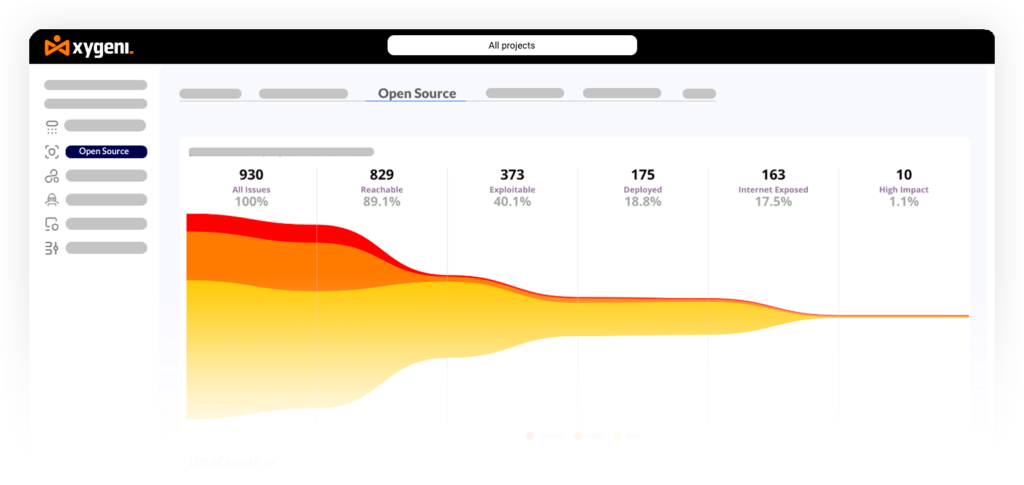
- ASPM: Application Security Posture Management stratul descoperă, cataloghează și evaluează automat toate resursele software din depozite, pipelines și medii cloud. Ingerează constatări din instrumente proprii și terțe într-un sistem unificat de gestionare a riscurilor dashboard și utilizează Dynamic Funnels pentru a rafina prioritizarea în funcție de exploatabilitate, accesibilitate și context de afaceri. Recunoscut la Conferința RSA din 2024 și la Premiile Global InfoSec din 2026.
- Apărare împotriva programelor malware: Detectează și blochează codul rău intenționat, amenințările zero-day și atacurile asupra lanțului de aprovizionare în timp real, în codul aplicației, pachetele open-source, CI/CD pipelines și infrastructură. Oferă avertizări timpurii prin analizarea pachetelor nou publicate și blocarea shell-urilor inverse, a descărcărilor rău intenționate și a modificărilor neautorizate de cod.
- Build Security: Asigură integritatea continuă a artefactelor prin verificare în timp real, semnături fără cheie, SLSA provenance asistență și atestări personalizate in-toto. Blochează artefactele modificate înainte de livrare sau implementare.
- Detectarea anomaliilor: Monitorizarea comportamentală în timp real a CI/CD infrastructură și depozite de cod. Detectează și alertează asupra acțiunilor suspecte, cum ar fi măsurile de securitate dezactivate, încercările de acces neautorizat și încălcările politicilor.
Puncte tari cheie:
- Prioritizare fără zgomot: reduce volumul alertelor cu până la 90% utilizând exploatabilitatea, accesibilitatea și contextul de business
- Analiza riscurilor de remediere și corectare automată prin inteligență artificială pentru a aplica patch-uri sigure fără a deteriora versiunile
- Nativ CI/CD integrare cu acțiunile GitHub, GitLab CI/CDJenkins, Bitbucket Pipelines și Azure DevOps
- Aplicarea conformității mapată la NIST, CIS, ISO 27001, SOC 2, OWASP și OpenSSF
- Repozitorii și contribuitori nelimitati, fără prețuri per post
- Server MCP pentru acțiuni sigure, bazate pe politici, din partea copiloților și a agenților AI
Cel mai bun pentru: Echipele de inginerie, DevSecOps și de conducere în domeniul securității care au nevoie de o singură platformă bazată pe inteligență artificială care să acopere fiecare nivel al SDLC, de la cod și dependențe la runtime, infrastructură și lanț de aprovizionare, fără a gestiona un set fragmentat de instrumente.
De stabilire a prețurilor: Începe de la 33 USD/lună pentru platforma completă all-in-one. Include SAST, SCA, CI/CD Securitate, Detectarea Secretelor, IaC Securityși scanare containere. Repozitorii și contribuitori nelimitați, fără prețuri per post.
2. Jira cu fluxuri de lucru de securitate

Prezentare generală:
JIRA este cel mai utilizat instrument de gestionare a proiectelor și sprinturilor în DevOps. Deși nu include scanare de securitate nativă, joacă un rol esențial în SDLC prin furnizarea stratului de flux de lucru care urmărește vulnerabilitățile de la detectare până la remediere. Atunci când este conectat la instrumente de scanare prin integrări sau la marketplace-ul Atlassian, devine un hub central pentru gestionarea datoriei de securitate, alături de sarcinile obișnuite de dezvoltare.
Caracteristici cheie:
- Crearea automată a biletelor de la SAST, SCA și IaC constatările scanerului
- Fluxuri de lucru personalizate pentru remedierea securității cu urmărirea SLA-urilor
- Postura de risc dashboardraportarea metricilor de conformitate și a standardelor
- Ecosistem extins de integrare care acoperă GitHub, GitLab, Snyk, Xygeni și altele
| Pro | Contra |
|---|---|
| Adopție universală în cadrul echipelor de inginerie | Fără funcționalitate nativă de scanare de securitate |
| Fluxuri de lucru personalizate și flexibile pentru urmărirea remedierilor | Vizibilitatea securității depinde în întregime de instrumentele conectate |
| Puternic dashboard și raportarea auditului | Configurație complexă și necesită întreținere continuă |
Cel mai bun pentru: Echipele care au nevoie de un strat structurat de urmărire a remedierii pentru a completa scanerele de securitate existente, în special cele care rulează deja fluxuri de lucru Atlassian în întreaga organizație.
De stabilire a prețurilor: Abonamentele cloud încep de la aproximativ 8 USD/utilizator/lună. Funcționalitatea de securitate depinde de integrările și pluginurile conectate.
3. Securitate avansată GitHub (GHAS)

Prezentare generală: Securitate avansată GitHub extinde platforma GitHub cu analiză statică încorporată, scanare a dependențelor și detectare a secretelor direct în interior pull requests și CI/CD alergări. Pentru echipele deja standardImplementat pe GitHub, adaugă măsuri de securitate fără a le cere dezvoltatorilor să părăsească spațiul lor de lucru principal. Integrarea sa strânsă cu GitHub Actions îl face un prim pas natural pentru echipele care își încep activitatea. Călătoria DevSecOps.
Caracteristici cheie:
- CodeQL SASTanaliză semantică profundă pentru a găsi modele complexe de vulnerabilitate în limbajele suportate
- Dependabot: detectare automată a pachetelor învechite sau vulnerabile cu actualizări sugerate
- Scanare secretă: identifică acreditările expuse în depozite înainte de îmbinarea codului
- Securitate centralizată dashboardagregarea constatărilor din toate depozitele pentru urmărirea conformității
| Pro | Contra |
|---|---|
| Integrare profundă în ecosistemul GitHub cu configurare minimă | Exclusiv GitHub, fără suport pentru GitLab sau Bitbucket |
| CodeQL puternic SAST motor pentru limbile acceptate | Nu IaC, DAST sau scanare container |
| Scanare secretă disponibilă în majoritatea planurilor | Enterprise caracteristicile necesită abonamente costisitoare de nivel superior |
Cel mai bun pentru: Echipe complet standardizate pe GitHub care doresc scanare de securitate nativă, cu frecare redusă, fără a adăuga instrumente externe la stiva lor.
De stabilire a prețurilor: Licențiat per activ committer sub GitHub EnterprisePrețurile se modifică în funcție de dimensiunea echipei și de utilizare.
4. Instrumente Sonarqube SDCL pentru securitate

Prezentare generală: soundQube este una dintre cele mai consacrate platforme de analiză a calității și securității codului disponibile. Efectuează analize statice în zeci de limbaje de programare pentru a detecta vulnerabilități, erori și mirosuri de cod, integrându-se direct în CI/CD pipelineși IDE-uri pentru dezvoltatori pentru feedback continuu. Conceptul său de porți de calitate, care blochează construcțiile atunci când se găsesc probleme serioase, a devenit o standard model în multe fluxuri de lucru pentru securitatea dezvoltării de software.
Caracteristici cheie:
- Multi-limba SAST motor cu suport larg pentru limbi enterprise stive
- Porți de calitate care blochează automat construcțiile nesigure sau de calitate scăzută
- Pluginuri IDE pentru feedback în timp real în timpul dezvoltării active
- Analiză continuă pe parcursul commits, ramuri și cereri de îmbinare
| Pro | Contra |
|---|---|
| Platformă matură cu o comunitate și un ecosistem extins | Limitat la codul sursă fără SCA, DAST, IaCsau acoperirea containerului |
| Bucla puternică de feedback din partea dezvoltatorilor prin plugin-uri IDE | Necesită reglare pentru a minimiza zgomotul fals pozitiv |
| Ediție comunitară gratuită disponibilă pentru echipe mai mici | Edițiile comerciale sunt scumpe pentru organizațiile mai mari |
Cel mai bun pentru: Echipele s-au concentrat pe calitatea codului și analiza codului static care asociază SonarQube cu instrumente separate pentru dependențe, runtime și acoperire a infrastructurii.
De stabilire a prețurilor: Ediția comunitară este gratuită. Edițiile comerciale costă aproximativ 150 USD/dezvoltator/an.
5. Instrumente Snyk SDCL pentru securitate

Prezentare generală: Snyk este o platformă de securitate dedicată dezvoltatorilor, construită în jurul gestionării dependențelor open-source și securității containerelor. Se integrează direct în IDE-uri, platforme Git și CI/CD pipelinepentru a scana bibliotecile vulnerabile, configurațiile greșite ale containerelor și IaC probleme, automatizarea remedierii prin pull requestsDesignul său centrat pe dezvoltatori menține dificultățile reduse pentru echipele de inginerie, oferind în același timp o acoperire semnificativă pentru riscuri de securitate ale software-ului open source.
Caracteristici cheie:
- SCA: găsește biblioteci vulnerabile și recomandă versiuni mai sigure și compatibile, cu context de accesibilitate
- Container și IaC scanare: detectează configurațiile greșite în Docker, Terraform și Kubernetes
- Integrare IDE și Git: oferă alerte contextuale privind vulnerabilitățile și sugestii de remediere în fluxul de lucru al dezvoltatorului
- PR-uri de remediere automată: creează o actualizare sigură a dependenței pull requests în mod automat
| Pro | Contra |
|---|---|
| Experiență solidă în dezvoltare cu frecvență redusă la adoptare | Prețurile modulare înseamnă că acoperirea completă necesită mai multe abonamente |
| Remedierile automate ale PR-urilor reduc timpul mediu de remediere | Context de exploatabilitate limitat pentru o prioritizare precisă |
| Recipient bun și IaC acoperire | Enterprise opțiuni de guvernanță blocate la niveluri de prețuri superioare |
Cel mai bun pentru: Echipe centrate pe dezvoltatori, axate pe securizarea dependențelor open-source și a imaginilor containerelor, dispuse să gestioneze abonamente modulare pe măsură ce nevoile de acoperire se extind.
De stabilire a prețurilor: Nivel gratuit disponibil cu scanări limitate. Abonamentele plătite încep de la aproximativ 57 USD/dezvoltator/lună.
6. Instrumente Checkmarx SDCL pentru securitate
Prezentare generală: Checkmarx este o enterpriseplatformă de testare a securității aplicațiilor de nivel înalt, care combină SAST, SCA, securitatea API și scanarea infrastructurii într-o soluție completă, creată pentru organizații mari. Este special concepută pentru industrii reglementate și medii complexe în care cartografierea detaliată a conformității, acoperirea extinsă a limbajelor și guvernanța centralizată sunt cerințe indispensabile. Echipele adoptă Cele mai bune practici DevSecOps at enterprise la scară evaluează adesea Checkmarx alături de platforme unificate.
Caracteristici cheie:
- adâncime SAST motor care suportă o gamă largă de limbaje de programare și framework-uri
- SCA cu conformitatea licențelor și urmărirea vulnerabilităților în toate dependențele
- Testarea securității API integrată în SDLC flux de lucru
- Conformitate cu PCI-DSS, ISO 27001, NIST și OWASP standards
| Pro | Contra |
|---|---|
| Cuprinzător enterpriseacoperire de nivel | Configurare complexă și cheltuieli semnificative de întreținere continuă |
| Raportare solidă a conformității pentru industriile reglementate | Cost ridicat, prohibitiv pentru echipele mai mici |
| De încredere în sectoarele financiar, medical și guvernamental | Curbă de învățare abruptă pentru echipele fără personal de securitate dedicat |
Cel mai bun pentru: Mare enterpriseși organizații reglementate cu echipe de securitate dedicate și mandate stricte de audit și conformitate.
De stabilire a prețurilor: Enterprise prețuri disponibile la cerere. De obicei, utilizate în volum sau enterprise acorduri de licență.
7. Dragonul Amenințător OWASP

Prezentare generală: Dragonul Amenințător OWASP este un instrument gratuit și open-source de modelare a amenințărilor, care ajută arhitecții de securitate și echipele de dezvoltare să identifice riscurile în etapa de proiectare, înainte de scrierea oricărui cod. Prin vizualizarea arhitecturii sistemului și maparea categoriilor de amenințări OWASP la fluxurile de date și limitele de încredere, acesta permite echipelor să ia decizii de securitate informate.cisionii la începutul SDLC, atunci când schimbările sunt cel mai ieftin de implementat. Se potrivește bine cu instrumentele automate de scanare ulterioare în pipeline ca parte a unei abordări de deplasare la stânga a testarea securității aplicației.
Caracteristici cheie:
- Interfață de modelare vizuală pentru diagrame de flux de date și maparea limitelor de încredere
- Biblioteci de amenințări OWASP predefinite pentru a accelera identificarea riscurilor în timpul revizuirilor de proiectare
- Versiuni desktop și web pentru acces flexibil în echipă
- Editarea partajată a modelelor pentru a sprijini arhitectura colaborativă și revizuirile de securitate
| Pro | Contra |
|---|---|
| Gratuit și open source sub egida Fundației OWASP | Complet manual, fără scanare automată sau aplicare a legii |
| Excelent pentru securitatea în faza incipientă a designuluicisionii | Nu CI/CD capacitatea de integrare sau de aplicare a politicilor |
| Barieră redusă la adoptare pentru echipe de orice dimensiune | Trebuie combinat cu alte instrumente pentru runtime și pipeline protecţie |
Cel mai bun pentru: Arhitecți și echipe de securitate care adoptă o abordare bazată pe modelul amenințărilor și care doresc să identifice riscurile arhitecturale înainte de începerea dezvoltării.
De stabilire a prețurilor: Gratuit și open source sub egida Fundației OWASP.
8. Cercetașul Docker

Prezentare generală: Cercetaș Docker Extinde ecosistemul Docker cu gestionarea vulnerabilităților axată pe containere și vizibilitate în lanțul de aprovizionare software. Analizează imaginile containerelor strat cu strat, generează Liste de materiale software (SBOMs) și verifică imaginile de bază pentru vulnerabilități cunoscute și conformitatea cu cele mai bune practici de securitate. Integrarea sa cu Docker Hub o face o alegere naturală pentru echipele care deja construiesc aplicații containerizate și doresc SBOM generaţie ca parte a lor pipeline.
Caracteristici cheie:
- Detectarea vulnerabilităților containerelor cu îndrumări de remediere la nivel de strat de imagine
- SBOM generare în formate SPDX și CycloneDX compatibile cu principalele cadre de conformitate
- Integrare cu Docker Hub, registre de containere și CI/CD pipelines
- Validarea politicilor pentru asigurarea conformității pe imaginile de bază și dependențe
| Pro | Contra |
|---|---|
| Integrare nativă în ecosistemul Docker cu configurare minimă | Limitat la securitatea containerelor fără cod, dependență, DAST sau IaC acoperire |
| SBOM generație ieșită din cutie | Proces de remediere manuală pentru vulnerabilitățile identificate ale imaginii |
| Frecvență redusă de adoptare pentru echipele care deja utilizează Docker Hub | Nu înlocuiește un întreg SDLC platforma de securitate |
Cel mai bun pentru: Echipe care construiesc aplicații containerizate și care au nevoie de vizibilitate la nivelul containerului și SBOM generație ca o completare la o generație mai amplă SDLC instrumente de securitate.
De stabilire a prețurilor: Inclus în abonamentele Docker plătite. Un nivel gratuit este disponibil pentru utilizare limitată.
9. Jenkins cu pluginuri de securitate

Prezentare generală: Jenkins este cel mai răspândit server de automatizare open-source în DevOps. Deși nu are scanare de securitate nativă, ecosistemul său de plugin-uri îl transformă într-un hub de aplicare a securității extrem de configurabil, capabil să ruleze SAST, SCA, IaCși scanarea secretelor ca pași de primă clasă în orice pipelineEchipele cu infrastructură Jenkins existentă pot adăuga securitate guardrails și porți de conformitate fără a migra către o altă CI/CD platformă. Înțelegere indicatori de compromis în CI/CD pipelines este relevant în special pentru echipele care rulează Jenkins la scară largă.
Caracteristici cheie:
- Suport plugin pentru principalele SAST, SCA, IaCși instrumente de scanare a secretelor
- Gestionarea seifului de credențiale pentru protejarea pipeline secrete în repaus și în tranzit
- Reguli de compilare personalizate și porți de calitate pentru a bloca compilațiile nesigure sau neconforme
- Integrare flexibilă cu aproape orice instrument de securitate prin intermediul API-urilor sau plugin-urilor comunitare
| Pro | Contra |
|---|---|
| Gratuit și open source cu personalizare ridicată pipeline logică | Fără funcționalitate nativă de scanare, depinde în totalitate de plugin-uri terțe |
| Utilizatorii existenți pot extinde fără modificări ale infrastructurii | Configurație complexă și întreținere continuă a compatibilității pluginurilor |
| Sprijin larg pentru ecosistem în întreaga CI/CD instrumente de securitate | Problemele legate de stabilitatea pluginurilor pot introduce riscuri operaționale |
Cel mai bun pentru: Echipe cu infrastructură Jenkins stabilită care doresc să adauge măsuri de securitate la infrastructura existentă pipelinefără a migra către o nouă CI/CD platformă.
De stabilire a prețurilor: Sursă deschisă și gratuită. Costurile se referă la găzduirea infrastructurii și la licențierea pluginurilor externe.
10. Securitatea API-ului Postman

Prezentare generală: poștaș este industria standard pentru proiectarea și testarea API-urilor și include acum capabilități de securitate încorporate care vizează punctele finale API, fluxurile de autentificare și definițiile schemelor. Modelul său de spațiu de lucru colaborativ facilitează partajarea constatărilor de securitate de către dezvoltatori și testeri, aplicarea regulilor API standardși rulează scanări automate ca parte a livrării continue. Pentru echipele în care scanarea vulnerabilităților aplicațiilor se extinde la suprafețele API, Postman oferă un punct de plecare familiar. Pentru securitatea API în timpul rulării cu informații mai detaliate ASPM corelație, platforme precum Xygeni DAST oferă o acoperire mai largă prin intermediul pâlniei lor de prioritizare.
Caracteristici cheie:
- Scanare automată a API-urilor și testare fuzz pentru vulnerabilități endpoint și puncte slabe de autentificare
- CI/CD integrare pentru validarea continuă a securității API la fiecare compilare
- Aplicarea schemelor și politicilor pentru o guvernanță API consistentă în cadrul echipelor
- Spații de lucru colaborative pentru testarea în echipă și partajarea rezultatelor
| Câmp | Valoare |
|---|---|
| Cel mai bun pentru | Echipele API-first care au nevoie de validare automată a securității înainte de implementare a endpoint-urilor API, integrată într-un instrument pe care îl utilizează deja ca parte a fluxului lor de lucru zilnic. |
| Prețuri | Plan gratuit disponibil. Planurile de afaceri încep de la aproximativ 12 USD/utilizator/lună, cu capacități suplimentare de colaborare și automatizare. |
Cel mai bun pentru: Echipele API-first care au nevoie de validare automată a securității înainte de implementare a endpoint-urilor API, integrată într-un instrument pe care îl utilizează deja ca parte a fluxului lor de lucru zilnic.
De stabilire a prețurilor: Plan gratuit disponibil. Planurile de afaceri încep de la aproximativ 12 USD/utilizator/lună, cu capacități suplimentare de colaborare și automatizare.
Ce să cauți în SDLC Instrumente pentru securitate
După analizarea instrumentelor de mai sus, acestea sunt criteriile care diferențiază platformele care îmbunătățesc cu adevărat postura de securitate de cele care pur și simplu adaugă zgomot. pipeline:
CI/CD Integrare. Securitatea trebuie să funcționeze acolo unde se desfășoară deja dezvoltarea. Cele mai bune instrumente se integrează nativ cu GitHub Actions, GitLab. CI/CD, Jenkins, Bitbucket sau Azure DevOps fără a necesita configurări personalizate complexe sau mentenanță dedicată.
SAST și SCA Acoperire. Instrumentele puternice detectează modele de cod nesigure și dependențele vulnerabile pe măsură ce dezvoltatorii scriu cod, nu după ce o compilare s-a finalizat. Ambele straturi sunt necesare: SAST acoperă propriul cod, SCA acoperă dependențele terților.
DAST pentru validarea în timpul execuției. Analiza statică singură nu poate detecta vulnerabilități care apar doar atunci când o aplicație rulează. DAST simulează atacuri reale împotriva serviciilor și API-urilor implementate, descoperind defecte exploatabile precum injecția SQL, XSS și puncte slabe de autentificare. Platforme precum Xygeni DAST corelarea constatărilor din timpul execuției cu contextul la nivel de cod prin ASPM pentru o perspectivă unificată asupra riscului.
Secrete și detectare a programelor malware. Platformele eficiente scanează pentru a identifica acreditări scurse, pachete rău intenționate și artefacte modificate înainte ca acestea să ajungă în producție. Secrete care se scurg în depozite rămâne unul dintre cele mai frecvente și costisitoare incidente DevSecOps.
IaC și Securitatea Containerelor. Echipele ar trebui să scaneze configurațiile Kubernetes, Terraform și Docker pentru a detecta erorile implicite riscante, rolurile excesiv de permisive și configurațiile greșite înainte ca acestea să ajungă în mediile de producție. Vedeți top IaC instrumente pentru 2026 pentru opțiuni complementare.
Politica ca și cod Guardrails. Definirea politicilor ca și cod asigură că fiecare pull request și construirea respectă o securitate consistentă standardfără a se baza pe revizuirea manuală. Aceasta este diferența dintre constatările consultative și securitatea impusă.
Prioritizare în funcție de context. Instrumentele bune merg dincolo de simple scoruri de severitate. Folosind exploatabilitatea și analiza accesibilității Concentrarea datelor asupra problemelor care sunt de fapt accesibile în baza de cod reduce zgomotul și ajută echipele să se concentreze asupra a ceea ce contează.
Cartografierea conformității. Maparea verificărilor la cadre de lucru precum NIST, ISO 27001, SOC 2 sau CIS Benchmark-urile ajută echipele să rămână pregătite pentru audit în mod continuu, în loc să se grăbească înainte de revizuiri.
Remediere automată. Instrumentele moderne ar trebui să ajute la remedierea rapidă a problemelor, sugerând patch-uri de tip pull-request sau oferind remedieri cu un singur clic. Corecție automată în AppSec nu mai este un premium caracteristică, ci o așteptare de bază pentru echipele care gestionează restanțe mari de vulnerabilități. MTTR în AppSec este o metrică cheie pentru evaluarea eficienței cu care o platformă elimină decalajul dintre detectare și remediere.
Cum să alegi clinica potrivită SDLC Instrument de securitate
Niciun instrument nu se potrivește fiecărei echipe. Folosește acest cadru pentru a-ți restrânge opțiunile în funcție de situația ta reală:
Începeți prin a cartografia lacunele din acoperire. Identificați care SDLC etapele nu au în prezent protecție automată: cod, dependențe, secrete, IaC, containere, API-uri runtime. Prioritizați instrumentele care acoperă cele mai importante lacune, nu pe cele mai vizibile.
Adaptați profunzimea instrumentelor la structura echipei. O echipă DevOps mică, fără o funcție de securitate dedicată, are nevoie de o platformă automatizată, cu frecare redusă, care funcționează imediat cu setări implicite rezonabile. O echipă mare enterprise cu o echipă de securitate dedicată și mandate de conformitate necesită piste de audit detaliate, aplicarea politicilor și raportare.
Luați în considerare codul generat de inteligența artificială în modelul dumneavoastră de risc. Cercetările arată că aproximativ 40% din codul generat de inteligența artificială poate conține vulnerabilități de securitate. Echipele care utilizează GitHub Copilot, Cursor sau instrumente similare au nevoie de o platformă care validează explicit rezultatul generat de inteligența artificială, nu doar codul scris de om. Platforme precum Xygeni DevAI sunt special concepute pentru acest lucru, scanând incremental pe măsură ce dezvoltatorii tastează și validând remedierile înainte ca acestea să ajungă la destinație. pipeline.
Calculați costul total, nu doar prețul licenței. Uneltele modulare pot părea mai ieftine la început, dar complete SDLC acoperirea necesită de obicei abonamente multiple. O platformă unificată cu prețuri previzibile se dovedește adesea mai economică la scară largă. Comparați abordările folosind cele mai bune instrumente de securitate a aplicațiilor prezentare generală ca referință mai amplă.
Verifica CI/CD compatibilitate înainte commitTing. Cel mai bun instrument de securitate este unul care rulează automat acolo unde echipa ta lucrează deja. Confirmă compatibilitatea nativă pentru specificul tău. CI/CD platformă înainte de a evalua orice altceva.
Evaluați calitatea remedierii, nu doar rata de detectare. Instrumentele care raportează doar vulnerabilități suprasolicită sarcina de lucru a dezvoltatorilor fără a reduce riscul. Prioritizați platformele care generează sugestii de remedieri concrete, raportări de performanță automate sau îndrumări contextuale, cu conștientizare a schimbărilor importante.
Planificați creșterea contributorilor și a depozitului. Prețul per post devine un factor de cost semnificativ pe măsură ce echipele se extind. Alegeți o platformă al cărei model de prețuri se aliniază cu traiectoria dvs. de creștere, în special pentru organizațiile cu un număr mare de contribuitori sau structuri monorepo.
Gânduri finale
Securitate încorporată în SDLC de la început produce software mai rapid și mai sigur decât securitatea adăugată la sfârșitul unui ciclu de lansare. Fiecare etapă a pipeline, de la proiectare și codare până la infrastructură și implementare în timpul rulării, reprezintă o potențială suprafață de atac.
Platformele analizate aici abordează fiecare un anumit nivel sau caz de utilizare. Unele excelează la analiza statică, altele la protecția containerelor sau la modelarea amenințărilor. Pentru echipele care au nevoie de o acoperire completă și unificată pe întregul lanț de aprovizionare software, fără a gestiona o stivă fragmentată de instrumente deconectate, Xygeni oferă cea mai cuprinzătoare abordare în 2026: combinarea SAST, SCA, DAST, IaC, secrete, apărare împotriva programelor malware, CI/CD guardrails, ASPMși inteligență artificială agențică prin DevAI și CoreAI, toate la un preț previzibil, fără limite per post și fără oboseală de alertă.
FAQ
Ce este un SDLC instrument pentru securitate?
An SDLC Instrumentul de securitate este o platformă care integrează detectarea vulnerabilităților, aplicarea politicilor și verificările de conformitate direct în ciclul de viață al dezvoltării software, în interiorul editorilor de cod, pull requests și CI/CD pipelines, astfel încât riscurile să fie identificate și rezolvate cât mai devreme posibil, mai degrabă decât descoperite după implementare.
Care e diferenta dintre SAST, SCAși DAST în SDLC instrumente?
SAST (Static Application Security Testing) analizează propriul cod sursă pentru modele nesigure și vulnerabilități fără a rula aplicația. SCA (Software Composition Analysis - Analiza Compoziției Software) scanează bibliotecile open source terțe pe care se bazează codul dvs., verificându-le în raport cu bazele de date cu vulnerabilități cunoscute. DAST (Dynamic Application Security Testing - Testarea dinamică a securității aplicațiilor) analizează aplicațiile care rulează din exterior, simulând atacuri reale pentru a găsi defecte exploatabile care apar doar în timpul execuției. O analiză completă SDLC platforma de securitate include toate trei, alături de IaC scanare, detectarea secretelor și protecția lanțului de aprovizionare.
Cum SDLC instrumentele de securitate se integrează cu CI/CD pipelines?
Majoritatea instrumentelor moderne oferă integrări native sau configurații YAML pentru GitHub Actions, GitLab CI, Jenkins și platforme similare care declanșează automat scanări de securitate pe fiecare pull request sau eveniment push. Constatările pot bloca îmbinări, crea tichete sau declanșa alerte, aplicând securitatea standardfără a necesita intervenția dezvoltatorului la fiecare compilare.
Care SDLC Instrumentul acoperă cele mai multe niveluri de securitate în 2026?
Xygeni acoperă cea mai largă gamă într-o singură platformă: SAST, SCA, DAST, detectarea secretelor, IaC scanare, securitatea containerelor, apărare împotriva programelor malware, CI/CD guardrails, integritatea construirii, detectarea anomaliilor și ASPM, cu inteligență artificială agențică prin DevAI și CoreAI, fără a fi necesare abonamente separate sau integrări complexe între instrumente.
Sunt open-source SDLC Instrumentele de securitate sunt suficiente pentru mediile de producție?
Instrumentele open source precum OWASP Threat Dragon sau Jenkins cu plugin-uri pot gestiona anumite niveluri, dar necesită configurare, întreținere și instrumente complementare semnificative pentru a obține o acoperire completă. Pentru mediile de producție cu cerințe de conformitate, o platformă gestionată cu enterprise Asistența tehnică, remedierea automată și raportarea unificată oferă de obicei rezultate mai bune în materie de securitate, cu costuri operaționale mai mici.
Cum afectează codul generat de inteligența artificială SDLC Securitate?
Cercetările arată că aproximativ 40% din codul generat de inteligența artificială poate conține vulnerabilități de securitate, ceea ce face ca validarea în timp real în cadrul IDE să fie mai importantă ca niciodată. Codurile tradiționale SDLC Instrumentele create pentru cod scris de oameni adesea ratează vulnerabilitățile introduse de copiloți și asistenți AI. Platforme precum Xygeni DevAI sunt special concepute pentru a scana incremental codul generat de inteligența artificială pe măsură ce dezvoltatorii tastează, pentru a evalua riscul de remediere înainte de a aplica orice soluție și pentru a aplica enterprise guardrails în cadrul fluxului de lucru de dezvoltare.