



Introduktion: Varför säkerhetstestning av applikationer är viktigt
Om du bygger programvara, säkerhet för mjukvaruutveckling är inte bara ett tillägg – det är ett måste. Eftersom cyberhot utvecklas dagligen spelar säkerhetstestning av applikationer en avgörande roll för att upptäcka sårbarheter tidigt och säkerställa säkrare programvaruutveckling. Men, Att upptäcka problem är bara halva arbetet. Mer viktigt, hur fixar man dem? För att besvara detta ska vi utforska olika typer av applikationssäkerhetstestning, bästa praxis inom säkerhetstestning inom mjukvaruutveckling, och saneringsstrategier som hjälper dig att skicka säker kod effektivt.
Typer av applikationssäkerhetstestning
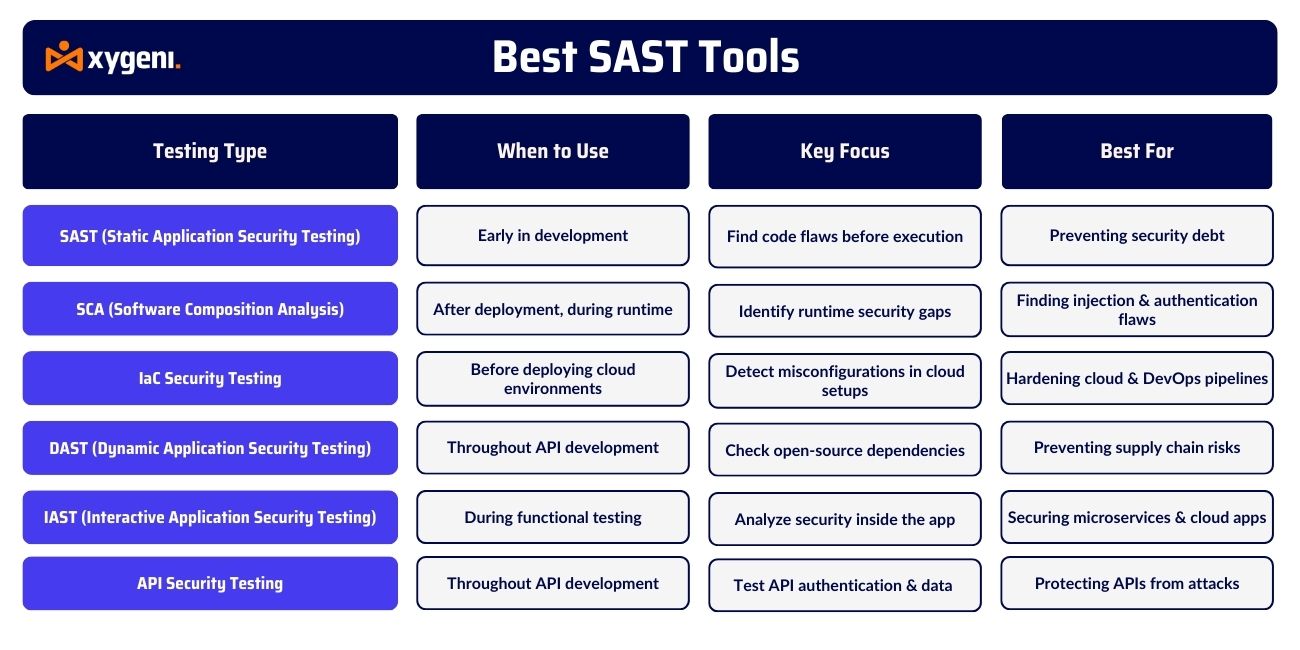
Säkerhet för mjukvaruutveckling kräver mer än bara en enda testmetod. Att säkra applikationer är inte en universalprocess. Istället hjälper olika säkerhetstestmetoder för applikationer till att upptäcka sårbarheter på olika stegen i programvaruutvecklingslivscykeln (SDLC).
Genom att kombinera dessa säkerhetsmetoder i lager kan team stärka applikationer, minska säkerhetsrisker och förebygga sårbarheter innan angripare utnyttjar dem. Varje metod spelar en unik roll för att säkra programvara och säkerställa skydd från kodutveckling till driftsättning.
Låt oss titta närmare på de mest effektiva typerna av säkerhetstestning av applikationer och hur de hjälper team att bygga säkrare programvara.
1. Analys av programvarukomposition (SCA)
Förutom att analysera proprietär kod är moderna applikationer starkt beroende av bibliotek med öppen källkod. Även om dessa komponenter kan vara fördelaktiga kan de medföra säkerhetsrisker. Det är där Analys av mjukvarusammansättning kommer in – det hjälper team att kontinuerligt övervaka tredjepartsberoenden för sårbarheter och licensproblem.
När du ska använda: Kontinuerligt, över hela SDLC.
Så fungerar det: Skannar beroenden i öppen källkod efter kända sårbarheter och föråldrade komponenter.
Bäst för: Förebygga attacker i leveranskedjan och säkerställa efterlevnad av säkerhetsregler standards.
2. Statisk säkerhetstestning av applikationer (SAST)
Först och främst är det avgörande att upptäcka säkerhetsbrister tidigt i utvecklingen. SAST låter utvecklare identifiera sårbarheter innan koden ens har körts, vilket säkerställer att problem löses innan de blir kostsamma.
När du ska använda: Tidigt i utvecklingen (shift-left-säkerhet).
Så fungerar det: Skannar kod före körning och upptäcker sårbarheter i källkod, bytekod eller binärfiler.
Bäst för: Identifiera brister på kodnivå före driftsättning.
3. Infrastruktur som kod (IaC) Säkerhetstestning
Med det snabba införandet av molnmiljöer är det lika viktigt att säkra infrastrukturkonfigurationer som att säkra applikationskod. IaC security testning säkerställer att felkonfigurationer upptäcks och korrigeras före driftsättning.
När du ska använda: Innan du distribuerar molnmiljöer.
Så fungerar det: Skannar Terraform, CloudFormation, Kubernetesoch Hamnarbetare filer för säkerhetsrisker.
Bäst för: Säkerställa säkra molnbaserade applikationer och DevOps pipelines.
4. Dynamisk applikationssäkerhetstestning (DAST)
Till skillnad från SAST, som analyserar statisk kod, DAST har en annan strategi genom att testa applikationer medan de körs. Genom att simulera verkliga attacker, DAST identifierar säkerhetsluckor som bara uppstår under körning.
När du ska använda: Efter distributionen, under körning.
Så fungerar det: Attackerar appen som en hackare skulle göra och upptäcker säkerhetsbrister i en livemiljö.
Bäst för: Hitta injektionsattacker, autentiseringsbrister och felkonfigurationer.
5. Interaktiv applikationssäkerhetstestning (IAST)
Vissa sårbarheter kan slinka igenom både statisk och dynamisk testning. För att överbrygga klyftan, igĺr tillhandahåller säkerhetsanalys i realtid under applikationskörning, vilket gör det möjligt för team att upptäcka sårbarheter dynamiskt samtidigt som kodkontexten bevaras.
När du ska använda: Under funktionstestning.
Så fungerar det: Använder realtidsanalys inuti applikationen för att identifiera säkerhetsrisker.
Bäst för: Mikrotjänster, containeriserade appar och molnbaserade applikationer.
6. API-säkerhetstestning
I takt med att API:er blir ryggraden i moderna applikationer blir de alltmer måltavlor för cyberattacker. API-säkerhetstestning säkerställer att slutpunkter förblir skyddade från felkonfigurationer och ingen behörig åtkomst.
När du ska använda: Under hela API-utvecklingen.
Så fungerar det: Skannar efter svag autentisering, felaktiga konfigurationer och dataexponering.
Bäst för: Förebygga API-relaterade säkerhetshot och dataläckor.
Bästa praxis för säkerhetstestning för programvaruutveckling
Att säkra applikationer handlar inte bara om att köra tester – det handlar om att göra säkerhet till en naturlig del av utvecklingsprocessen. Genom att följa dessa bästa metoder kan team upptäcka sårbarheter tidigt, automatisera säkerhetskontroller och fokusera på att åtgärda verkliga hot utan att sakta ner utvecklingen.
1. Flytta säkerhetsknappen åt vänster
Säkerheten bör börja tidigt i utvecklingscykeln, inte efter utplacering.
- Körning SAST och SCA skannar så snart kod skrivs för att förhindra att säkerhetsproblem når produktion.
- Ge utvecklare handlingsbar feedback så att de kan åtgärda sårbarheter innan de blir stora risker.
2. Automatisera säkerhet i CI/CD Pipelines
Säkerheten bör fungera kl. DevOps-hastighet, inte sakta ner den.
- Integrera SAST, DAST och SCA i din CI/CD pipelines att skanna varje kod commit automatiskt.
- Använda policybaserade kontroller för att förhindra att osäker kod distribueras.
3. Säkra dina beroenden
Moderna applikationer vara beroende av öppen källkodsprogramvara, vilket kan medföra dolda säkerhetsrisker.
- Automatisera SCA scanning för att upptäcka sårbara tredjepartsbibliotek innan de blir ett problem.
- ta bort föråldrade beroenden och applicera patchar så snart de blir tillgängliga.
4. Prioritera sårbarheter efter risk
Alla sårbarheter är inte lika – fokusera på att åtgärda det faktiskt spelar roll.
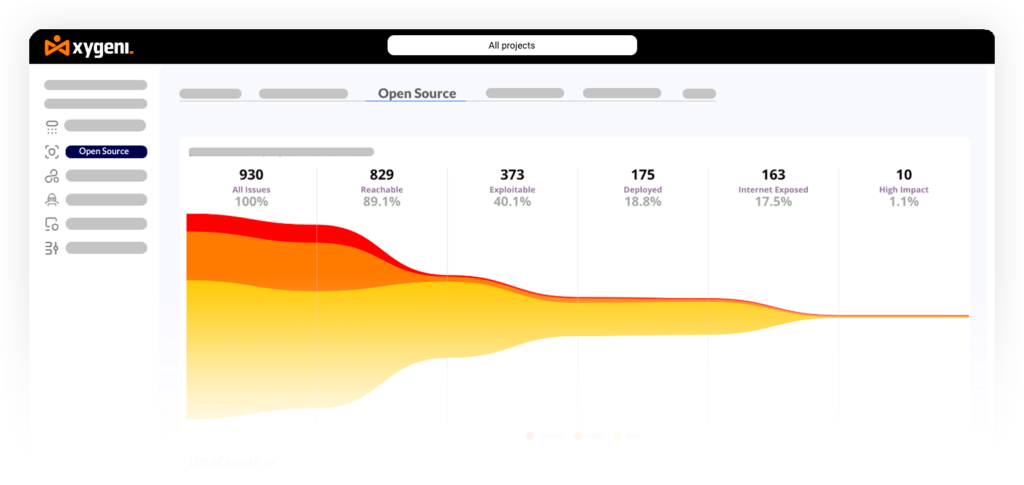
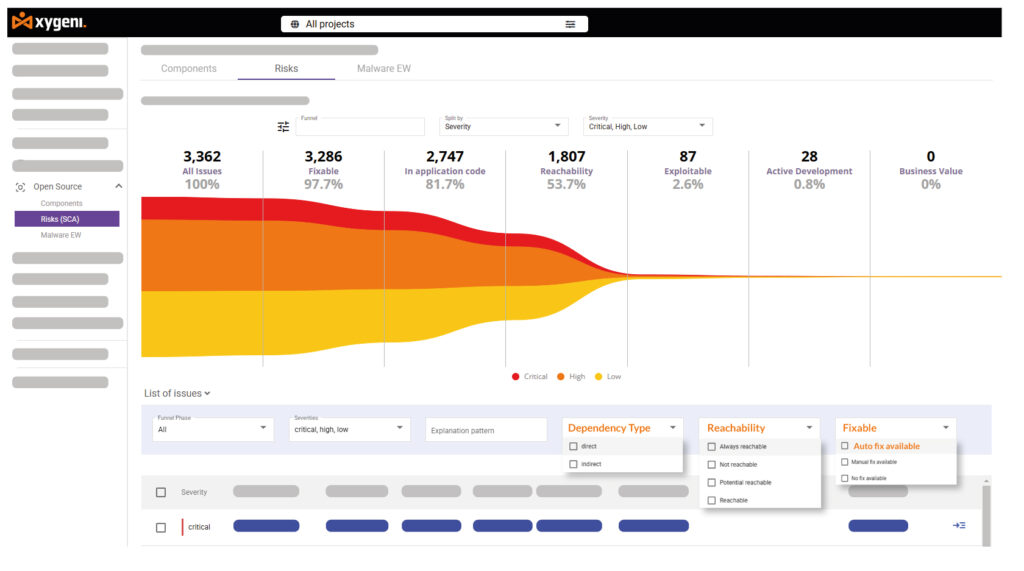
- Använda EPSS-poängsättning och nåbarhetsanalys att prioritera exploaterbara risker över mindre problem.
- Minska varna trötthet genom att filtrera bort säkerhetsvarningar med låg påverkan.
5. Övervaka avvikelser i realtid
Säkerhetshoten upphör inte när kod distribueras—kontinuerlig övervakning är nyckeln.
- Använda realtidsavvikelsedetektering att spåra obehöriga ändringar i CI/CD pipelines och molnkonfigurationer.
- Fånga och fixa säkerhetsavvikelser innan de leder till ett intrång.
Vad är EPSS och varför det är viktigt
Inte alla sårbarheter är ett verkligt hot, och säkerhetsteam kan inte åtgärda allt på en gång. Systemet för poängsättning av utnyttjandeprediktion (EPSS) hjälper till att prioritera sårbarheter baserat på verklig utnyttjandegrad, vilket säkerställer att team fokuserar på de mest sannolika attackerna.
- Så fungerar det: Istället för att behandla alla sårbarheter likadant tilldelar EPSS en riskpoäng baserat på faktiska exploateringstrender. Som ett resultat kan team åtgärda kritiska problem först innan angripare utnyttjar dem.
- Varför det är användbart: Med tusentals nya sårbarheter som dyker upp dagligen, EPSS filtrerar bort onödiga varningar så att lagen kan fokusera på högriskfrågor istället för att lägga tid på mindre hot.
- Hur Xygeni använder det: För att förbättra EPSS, Xygeni ser till att nåbarhetsanalys ingår, vilket ger team till åtgärda endast sårbarheter som kan utnyttjas medan undvika varningar med låg påverkan.
Genom att använda EPSS hjälper Xygeni säkerhets- och DevOps-team att åtgärda rätt problem – snabbare och smartare.
Xygeni-verktyg för applikationssäkerhetstestning
På Xygeni anser vi att säkerhet bör ge utveckling, inte bromsa den. Vår Lösningar för testning av applikationssäkerhet är byggda för hastighet, noggrannhet och sömlös DevOps-integrationHär är vad som gör att Xygeni sticker ut:
- Bäst i klassen SAST – Upptäck sårbarheter innan koden körs och åtgärda säkerhetsproblem tidigt för att minska teknisk skuld.
- Intelligent SCA – Övervaka beroenden för öppen källkod i realtid, förhindra attacker i leveranskedjan.
- Enkel DevOps-integration – Fungerar med Jenkins, GitHub-åtgärder, GitLab CI/CD, Bitbucket Pipelineoch Azure DevOps för automatiserade säkerhetsskanningar.
- Smart prioritering, inte buller – EPSS-poängsättning och nåbarhetsanalys säkerställer team fixa det som är viktigt, inte falska varningar.
- Snabbare lösningar med automatisering – Rådgivning om åtgärder påskyndar lösningen, hålla utvecklare produktiva.
Med Xygeni, team bygga säker programvara utan komplexitet– så att de kan skicka snabbare, med förtroende.

Slutsats: Smartare säkerhet för säkerhetstestning av applikationer
Säkerhet för mjukvaruutveckling handlar inte bara om att hitta sårbarheter – det handlar om att åtgärda dem effektivt utan att sakta ner versioner. Med hjälp av rätt typer av applikationssäkerhetstestning och bästa praxis för säkerhetstestning för mjukvaruutveckling kan team göra säkerhet till en sömlös del av sitt arbetsflöde.
Till förenkla säkerheten utan kompromisser, lag bör:
- Integrera säkerhet tidigt för att förebygga sårbarheter innan de blir kostsamma.
- Automatisera säkerhet i CI/CD pipelines att fånga upp problem före utplacering.
- Övervaka beroenden med SCA för att undvika risker i leveranskedjan.
- Fokusera på verkliga hot med hjälp av EPSS och nåbarhetsanalys.
- Test-API:er och infrastruktur kontinuerligt för att förhindra säkerhetsluckor.
At Xygeni, säkerhet håller jämna steg med DevOps—snabb, effektiv och byggd för moderna utvecklingsteam.
Vill du säkra din programvara utan hinder? Kontakta Xygeni idag och förbättra din säkerhetsstrategi.