

געשעפטן שטייען פאר אסאך סכנות, פון דאטן בריטשעס ביז סייבער-אטאקעס, וואס קענען אויפדעקן זיכערהייט שוואכקייטן. דא ווערט א וואלנערביליטי מענעדזשמענט געצייג וויכטיג – עס העלפט ארגאניזאציעס אידענטיפיצירן, אפשאצן, און פאררעכטן די שוואכקייטן איידער זיי קענען אויסגענוצט ווערן. מיט מאדערנע אפליקאציעס וואס פארלאזן זיך מער און מער אויף אפען-קוואל קאמפאנענטן, איז אפען-קוואל וואלנערביליטי מענעדזשמענט אויך געווארן קריטיש, וואס זיכערט אז די אפהענגיקייטן ברענגען נישט אריין נאָך ריזיקעס.
אין 2023 אַליין איבער 29,000 וואַלנעראַביליטיז (CVEs) זענען געמאלדן געוואָרן גלאָבאַל, אַ 15% פאַרגרעסערונג פֿון דעם פֿריִערדיקן יאָר. אינטערעסאַנט, בלויז 0.5% פֿון זיי האָבן געהאַט וואָפֿן-געמאַכטע עקספּלויט קאָד, וואָס אונטערשטרייכט די וויכטיקייט פֿון פֿאָקוסירן אויף הויך-ריזיקירטע וואַלנעראַביליטיז. דערצו, 84% פון קאָמפּאַניעס האָבן געהאַט הויך-ריזיקירטע וואַלנעראַביליטיז אויף זייערע נעץ פּערימעטערס אין 2024, פילע פון וועלכע וואָלטן געקענט פאַרריכט ווערן מיט רעגולערע דערהייַנטיקונגען.
וואָס איז וואַלנעראַביליטי מאַנאַגעמענט?
וואַלנעראַביליטי פאַרוואַלטונג דאָס נעמט אַרײַן אידענטיפֿיצירן, אָפּשאַצן און פֿאַרריכטן זיכערהייט שוואַכקייטן אין אײַערע סיסטעמען, אַפּליקאַציעס און נעטוואָרקס. דאָס איז אַן אָנגייענדיקער פּראָצעס, נישט קיין איין-מאָל אַקטיוויטעט. דורך קעסיידער סקענען פֿאַר שוואַכקייטן און זיי שנעל אַדרעסירן, באַשיצט איר אײַער געשעפֿט פֿון מעגלעכע אַטאַקעס.
מיט מער פירמעס וואָס נוצן אָפֿן-קוואַל ווייכווארג, איז פאַרוואַלטן ריזיקעס פֿאַרבונדן מיט אָפֿן-קוואַל קאָמפּאָנענטן געוואָרן וויכטיק. אָפֿן-קוואַל קען פאַרגיכערן אַנטוויקלונג, אָבער עס קען אויך ברענגען שוואַכקייטן אויב מען פאַרוואַלטעט עס נישט ריכטיק. דאָס מאַכט אָפֿן-קוואַל וואַלנעראַביליטי פאַרוואַלטונג אַ שליסל טייל פון יעדער קאָמפּרעהענסיווער זיכערהייט סטראַטעגיע.
לערנען מער וועגן אים דאָ.
פארוואס איר דארפט א וואַלנעראַביליטי מאַנאַגעמענט געצייַג
א וואַלנעראַביליטי מאַנאַגעמענט געצייַג אויטאָמאַטיזירט די אויפדעקונג, טראַקינג און רעמעדיאַציע פון וואַלנעראַביליטיז אַריבער דיין אינפראַסטרוקטור. די מכשירים סקענען סיסטעמען, נעטוואָרקס און אָפֿן-קוואַל דיפּענדאַנסיז, פּראַוויידינג רעאַל-צייט ינסייץ אין זיכערהייט גאַפּס. אויטאָמאַטיזירן די טאַסקס העלפּס איר רעדוצירן ריסקס, שפּאָרן צייט און באַשיצן דיין געשעפט פון סייבער אַטאַקס.
דאָ איז פארוואס די מכשירים זענען וויכטיג:
- אָטאַמייטיד סקאַנינג רעדוצירט מאַנועלע אַרבעט און מענטשלעכע טעותים.
- קעסיידערדיק מאָניטאָרינג האַלט אייערע סיסטעמען דערהייַנטיקט אויף פּאָטענציעלע ריסקס.
- פּרייאָראַטיזאַטיאָן פאָקוסירט אייער אויפמערקזאַמקייט ערשט אויף קריטישע שוואַכקייטן.
- דיטיילד ריפּאָרטינג העלפט נאכפאלגן פּראָגרעס און אויפהאלטן העסקעם.
שליסל פֿעיִקייטן פֿון אַ גוטן וואַלנעראַביליטי פאַרוואַלטונג געצייַג
ווען איר קלייבט אויס אן אפן-קוואל וואַלנעראַביליטי מאַנאַגעמענט געצייַג, באַטראַכט די וויכטיקע פֿעיִקייטן:
אָטאַמייטיד סקאַנינג
קאָנטינויִערלעכע סקאַנינג איז קריטיש צו ידענטיפיצירן שוואַכקייטן אין פאַקטישער צייט. רעגולערע סקאַנז ענשור אַז שוואַכקייטן ווערן געפֿונען פרי און פאַרריכט איידער זיי ווערן אַ פּראָבלעם.
פּריאָריטיזאַטיאָן פון ריזיקירן
נישט אַלע שוואַכקייטן שטעלן פֿאָר דעם זעלבן מדרגה פֿון ריזיקע. מכשירים מיט ריזיקע פריאָריטיזאַציע העלפֿן אײַך אַדרעסירן די געפֿערלעכסטע פּראָבלעמען ערשט, און זיכער מאַכן אַז קריטישע שוואַכקייטן ווערן שנעל פֿאַרריכט.
ינטעגראַטיאָן מיט אנדערע זיכערהייט מכשירים
א שטאַרקע וואַלנעראַביליטי פאַרוואַלטונג געצייַג זאָל זיך אינטעגרירן מיט אייער עקזיסטירנדיקע זיכערהייט אינפראַסטרוקטור, ווי SIEMs, פיירוואַלז און ינטרוזשאַן דעטעקשאַן סיסטעמען. דאָס גאַראַנטירט גלאַט וואָרקפלאָוז און אַן אַלגעמיין שטאַרקער זיכערהייט שטעלונג.
רעפּאָרטינג און אַנאַליטיקס
קלאָרע, פּראַקטישע באַריכטן העלפֿן צו שפּורן שוואַכקייטן, אָפּשאַצן ריזיקע, און זיכער מאַכן אַז די זיכערהייט-מיטלען זענען אין אָרדענונג. standardווי PCI-DSS און HIPAA. קאַסטאַמייזאַבאַל ריפּאָרץ מאַכן עס גרינגער צו אַדרעסירן ספּעציפֿישע געשעפט באדערפענישן.
רעמעדיאַציע קייפּאַבילאַטיז
זוכט מכשירים וואָס צושטעלן אויטאָמאַטישע רעמעדיאַציע אָדער רעקאָמענדאַציעס פֿאַר פֿאַרריכטן. דאָס פֿאַרפּשוטערט דעם רעמעדיאַציע פּראָצעס און זיכערט אַז שוואַכקייטן ווערן שנעל פֿאַרריכט.
העסקעם און רעגולאַטאָרי שטיצן
אויב אייער אָרגאַניזאַציע אַרבעט אין אַ רעגולירטער אינדוסטריע, זאָל אייער געצייַג שטיצן קאָנפאָרמאַטי מיט standardווי NIST, CIS, PCI-DSS, און OWASP. דאָס העלפֿט אײַער געשעפֿט אויפֿהאַלטן לעגאַלע און זיכערהייט פֿאַרפֿליכטונגען.
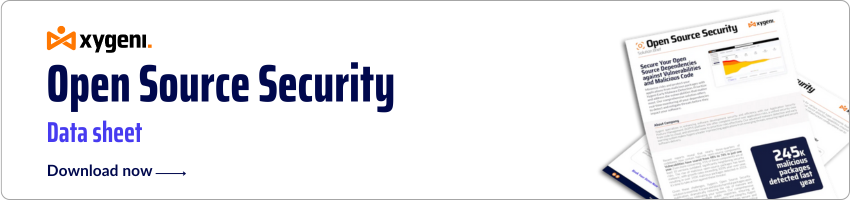
בוסט דיין SCA מיט Xygeni Open Source Security
דאַונלאָוד אונדזער קורצע אינפֿאָרמאַציע צו זען ווי מיר באַשיצן אייערע אָפֿן-קוואַל אָפּהענגיקייטן פֿון שוואַכקייטן און סכּנות.
די וויכטיקייט פון אָפֿן-קוואַל וואַלנעראַביליטי פאַרוואַלטונג
ווי אָרגאַניזאַציעס נעמען מער און מער אָן אָפֿן-קוואַל קאָמפּאָנענטן צו פאַרגיכערן אַנטוויקלונג, ירשענען זיי אויך פּאָטענציעלע ריזיקעס פֿאַרבונדן מיט די קאָמפּאָנענטן. אָפֿן-קוואַל וואַלנעראַביליטי פאַרוואַלטונג איז קריטיש צו ענשור אַז אייער אָרגאַניזאַציע איז נישט אויסגעשטעלט צו זיכערהייט גאַפּס אין דריט-פּאַרטיי לייברעריז אָדער דיפּענדאַנסיז. אָפֿן-קוואַל וואַלנעראַביליטיז קענען פירן צו באַטייטיק בריטשיז אויב נישט געראטן עפעקטיוולי, וואָס איז וואָס פֿאַרשטיין פּראָסט וואַלנעראַביליטיז און ימפּלאַמענטינג בעסטער פּראַקטיסיז איז יקערדיק פֿאַר מיטאַגינג ריזיקעס.
דורך רעגולער סקענען אפן-קוואל קאמפאנענטן און אויטאמאטיזירן פּאַטשאַז, קענען אָרגאַניזאַציעס באַשיצן זייערע סיסטעמען פון אַטאַקעס און זיכער מאַכן אַז די מעלות פון אפן-קוואל ווייכווארג קומען נישט אויף די קאָסטן פון זיכערהייט.
Xygeni'ס וואַלנעראַביליטי מאַנאַגעמענט געצייַג: אַ פולשטענדיק לייזונג
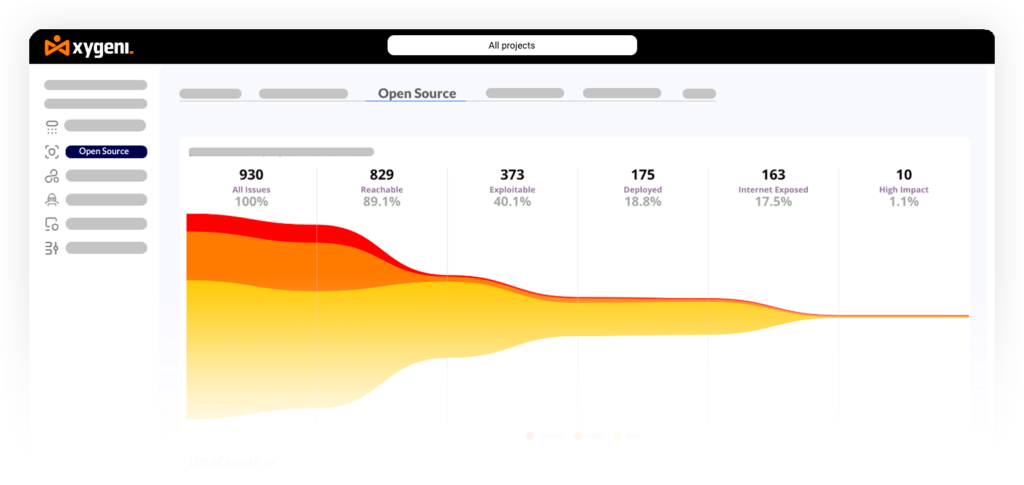
קסיגעני'ס וואַלנעראַביליטי פאַרוואַלטונג געצייַג אָפפערט קאָמפּרעהענסיוו זעבארקייט, פּרייאָראַטיזאַציע, און רעמעדיאַציע אַריבער דיין ווייכווארג אַנטוויקלונג און דיפּלוימאַנט סביבות. דאָ איז פארוואס Xygeni שטייט ארויס:
פולשטענדיק וואַלנעראַביליטי דעטעקשאַן
Xygeni'ס פּלאַטפאָרמע סקענט פֿאַר פילע שוואַכקייטן, אַרייַנגערעכנט קריטישע פּראָבלעמען ווי SQL אינדזשעקשאַן און דעסעריאַליזאַציע שוואַכקייטן. עס שטיצט קייפל פּראָגראַממינג שפּראַכן, אַזאַ ווי Java, JavaScript, Python און PHP, וואָס גאַראַנטירט ברייט קאַווערידזש אַריבער דיין טעק סטאַק.
דערגרייכבאַרקייט אַנאַליז
Xygeni'ס געצייג כולל דערגרייכבאַרקייט אַנאַליז, וואָס באַשטימט צי אַ שוואַכקייט איז אויסניצלעך אין דעם קאָנטעקסט פון אייער אַפּליקאַציע. די פֿונקציע העלפֿט פּריאָריטיזירן באַזירט אויף פאַקטישע ריזיקע, אַזוי אַז אייער מאַנשאַפֿט קאָנצענטרירט זיך אויף די מערסט דרינגענדיקע שוואַכקייטן. אויב דער געצייַג קען נישט באַשטימט באַשטימען די דערגרייכבאַרקייט, רעקאָמענדירט עס מאַנועלע איבערבליקן צו זיכער מאַכן אַז גאָרנישט ווערט איבערגעזען.
רעקאָמענדאַציעס פֿאַר אויטאָ-רעמעדיאַציע
Xygeni פֿאַרפּשוטערט רעמעדיאַציע דורך אָנבאָטן פֿאָרשלאָגן פֿאַר אויטאָ-רעמעדיאַציע פֿאַר דעטעקטירטע שוואַכקייטן. עס רעקאָמענדירט זיכערע ווערסיעס פֿון ביבליאָטעקן (אַזאַ ווי אַפּגרעידן דזשעקסאָן-דאַטאַבינד צו פֿאַרהיטן SSRF אַטאַקעס) און אויטאָמאַטיזירט דעם פּאַטשינג פּראָצעס וווּ מעגלעך, שפּאָרנדיק צייט און פֿאַרקלענערנדיק מאַנועלע מי.
קאָנטעקסט-באַוואוסטזיניקע ריזיקע פּריאָריטיזאַציע
Xygeni'ס קאנטעקסטועלע פריאריטיזאציע העלפט אייער מאַנשאַפֿט זיך קאָנצענטרירן אויף די מערסט קריטישע שוואַכקייטן באַזירט אויף דערגרייכבאַרקייט, עקספּלויטאַביליטעט, און געשעפטלעכע השפּעה. דאָס רעדוצירט "אַלערט מידקייט" און זיכערט אַז אייער מאַנשאַפֿט נעמט זיך אָן מיט די העכסט-ריזיקירטע פּראָבלעמען ערשט.
פאַקטיש-צייט אַלערץ און מאָניטאָרינג
די פּלאַטפאָרמע גיט רעאַל-צייט וואָרענונגען פֿאַר נײַע שוואַכקײטן אָדער דעטעקטירטע עקספּלויטס, וואָס גאַראַנטירט אַז אײַער מאַנשאַפֿט קען רעאַגירן גלייך. קאָנטינויִערלעכע מאָניטאָרינג האַלט אײַך פאָרויס פֿון אויפֿקומענדיקע סכּנות.
דעטאַלירטע וואַלנעראַביליטי ינסייץ
פֿאַר יעדער שוואַכקייט, גיט Xygeni טיפע איינזיכטן, אַרייַנגערעכנט:
- CVSS און אי.פּי.עס.עס. סקאָרז צו מעסטן די ערנסטקייט און עקספּלויטאַביליטי.
- CWE קאַטעגאָריעס צו פֿאַרשטיין דעם טיפּ פֿון פֿאַרשפּרייטונג.
- פּראַל אַסעסמאַנץ פֿאַר קאָנפֿידענציאַליטעט, אָרנטלעכקייט, און פֿאַרפֿיגבאַרקייט ריסקס.
- לינקס צו אַדווייזערז און קוואלן פֿאַר ווײַטערדיקע פֿאָרשונג.
Integration with CI/CD Pipelines
קסיגעני אינטעגרירט זיך גלאט מיט CI/CD pipelines, צושטעלנדיק קאנטינעווירלעכע זיכערהייט קאנטראלן איבערן גאנצן אנטוויקלונג לעבנסציקל. עס דעטעקטירט שוואכקייטן פרי, דערמעגלעכנדיג טימז צו אדרעסירן זיי איידער זיי דערגרייכן פראדוקציע, שפארנדיג ווערטפולע צייט און רעסורסן.
העסקעם און רעפּאָרטינג
Xygeni העלפט אָרגאַניזאַציעס טרעפן רעגולאַטאָרישע רעקווירעמענץ ווי OWASP, CIS, NIST, און PCI-DSS. אירע שטאַרקע באַריכט-געצייג מאַכן עס גרינגער צו טראַקן שוואַכקייטן און זיכער מאַכן קאָנפאָרמאַנס, און געבן אַ קלאָרן בליק אויף אייער זיכערהייט-פּאָזיציע.
ווי וואַלנעראַביליטי מאַנאַגעמענט פּאַסט אין דיין זיכערהייט סטראַטעגיע
א שטארקע וואַלנעראַביליטי מאַנאַגעמענט געצייַג שפּילט אַ וויכטיקע ראָלע אין אייער אַלגעמיינער זיכערהייט סטראַטעגיע. דורך אינטעגרירן וואַלנעראַביליטי מאַנאַגעמענט מיט אַנדערע מכשירים, ווי SIEM סיסטעמען, ינטרוזשאַן דעטעקשאַן סיסטעמען און פיירוואַלז, שאַפט איר אַ מער פולשטענדיקן צוגאַנג צו באַשיצן אייער געשעפט. די מכשירים קאַמפּלאַמענטירן איינער דעם אַנדערן, העלפּינג איר בלייבן פאָרויס פון פּאָטענציעלע סכנות און ענשורינג אַז אייער זיכערהייט שטעלונג בלייבט שטאַרק.
בעסטע פּראַקטיקעס פֿאַר ימפּלאַמענטינג אַ וואַלנעראַביליטי פאַרוואַלטונג געצייַג
כּדי צו באַקומען דאָס מערסטע פֿון אייער וואַלנעראַביליטי מאַנאַגעמענט געצייַג, פֿאָלגט די בעסטע פּראַקטיקעס:
רעגולער דערהייַנטיקן די געצייַג
מאַכט זיכער אַז אייערע וואַלנעראַביליטי דאַטאַבייסעס זענען שטענדיק אַרויף-צו-דאַטע. דאָס העלפֿט אײַך כאַפּן די לעצטע טרעץ און האַלטן קאָמפּרעהענסיווע סקאַנז.
קעסיידערדיק מאָניטאָרינג
שטעלט איין אייער געצייג צו מאניטארירן שוואכקייטן כסדר. דאס גאראנטירט אז איר כאַפּט נייע ריזיקעס ווען זיי קומען ארויף און רעאגירט שנעל.
קאָלאַבאָרירן צווישן טימז
ארבעט מיט אייערע IT, זיכערהייט, און אנטוויקלונג טימז צו פארגרינגערן שוואַכקייטן פארריכטונג. פריע מיטאַרבעט העלפט אַדרעסירן שוואַכקייטן איידער זיי ווירקן אויף פּראָדוקציע.
צושטעלן אָנגאָינג טריינינג
טרענירן שטאב רעגולער ווי אזוי צו ניצן דעם געצייג און וועגן דער וויכטיקייט פון וואַלנעראַביליטי פאַרוואַלטונג. האַלטן אייער מאַנשאַפֿט אינפאָרמירט וועגן נייַע סכנות העלפט פֿאַרבעסערן אייער זיכערהייט.
ווי אזוי צו קלייבן דעם ריכטיגן וואַלנעראַביליטי מאַנאַגעמענט געצייַג פֿאַר אייער געשעפט
דאָ איז אַ טשעקליסט צו העלפֿן אײַך אויסקלײַבן דאָס ריכטיקע געצייַג פֿאַר אײַערע באַדערפֿנישן:
גרייס פון דער אָרגאַניזאַציע
- פֿאַר קליינע געשעפטן, זוכט אַ געצייַג וואָס איז גרינג צו ימפּלאַמענטירן און פירן.
- גרעסערע enterpriseס וועט נוץ האָבן פון אַוואַנסירטע פֿעיִקייטן ווי דעטאַלירטע באַריכטן און אָטאַמייטיד רעמעדיאַציע.
טיפ פון אינפראַסטרוקטור
- וואָלקן-באזירטזיכער מאַכן אַז דער געצייַג אַרבעט מיט אַווס, בלוי, אדער Google Cloud.
- On-premisesקלייַבט אַ געצייַג וואָס אינטעגרירט זיך גוט מיט אייערע אינערלעכע נעטוואָרקס.
- היברידזיכער מאַכן אַז די געצייַג שטיצט ביידע סביבות פֿאַר קאָנסיסטענט זיכערהייט קאַווערידזש.
רעגולאַטאָרי רעקווירעמענץ
אויסקלייבן אַ געצייַג וואָס שטיצט העסקעם מיט standardווי PCI-DSS, HIPAA, אדער NIST צו העלפן אייך בלייבן אין איינקלאַנג מיט די אינדוסטריע רעגולאציעס.
בודזשעט
פאַרגלייכן מכשירים באַזירט אויף פּרייז מאָדעלן (פּער באַניצער, פּער אַסעט, אָדער פלאַך קורס) און זיכער מאַכן אַז די קאָסטן שטימען מיט די געפֿינטע פֿעיִקייטן.
שטיצן און דאָקומענטאַטיאָן
זייט זיכער אז דער געצייג אָפפערט שטאַרקע קונה שטיצע, טריינינג רעסורסן און דעטאַלירטע דאָקומענטאַציע צו העלפֿן אייער מאַנשאַפֿט שנעל אָנבאָאַרדן.
פארשטארקן אייער זיכערהייט מיטן ריכטיגן וואַלנעראַביליטי פאַרוואַלטונג געצייַג
וואַלנעראַביליטי פאַרוואַלטונג איז נישט מער אפציאנאל—עס איז קריטיש וויכטיג צו האלטן אייער ביזנעס זיכער. דער ריכטיגער געצייג העלפט אייך בלייבן פאראויס פון סייבער טרעץ, שנעל פאררעכטן שוואכקייטן, און אויפהאלטן קאנפארמאנס מיט אינדוסטריע standards.
Xygeni'ס וואַלנעראַביליטי מאַנאַגעמענט טול גיט אייך אַלץ וואָס איר דאַרפט צו באַשיצן אייער געשעפט. מיט פֿעיִקייטן ווי רעאַל-צייט מאָניטאָרינג, דערגרייכבאַרקייט אַנאַליז, און אויטאָמאַטישע רעמעדיאַציע, עס פֿאַרפּשוטערט אייער זיכערהייט פּראָצעס. עס רעדוצירט מאַנועלע אַרבעט און ענשורז אַז אייער מאַנשאַפֿט פֿאָקוסירט אויף די מערסט קריטישע פּראָבלעמען.
וואַלנעראַביליטי פאַרוואַלטונג איז נישט נאָר וועגן געפֿינען ריזיקעס. עס איז וועגן נעמען אַקציע צו באַשיצן דיין געשעפט איידער אַטאַקירער שלאָגן צו. מיט Xygeni, קענט איר פארשטארקן דיין דיפענסיז, פֿאַרבעסערן מיטאַרבעט, און זיכערן דיין אָפֿן-מקור און פּראַפּרייאַטערי ווייכווארג.
גרייט צו נעמען קאָנטראָל איבער אייער זיכערהייט?
בעט אַ דעמאָ פֿון Xygeni'ס וואַלנעראַביליטי מאַנאַגעמענט טול היינט און זעט ווי עס קען באַשיצן אייער געשעפט פון ענטוויקלענדיקע סכנות.
באַקומט אייער דעמאָ איצט און הייבט אן בויען א זיכערערע צוקונפט פאר אייער ארגאניזאציע!