TL؛ DR
يشير مصطلح "إدارة الثغرات الأمنية" إلى منتجين مختلفين، ومعظم المقارنات تضعهما في نفس الجدول. يقوم أحدهما بتحديث أنظمة التشغيل وتطبيقات الطرف الثالث على نقاط النهاية وأحمال العمل السحابية. أما الآخر فيكتشف ويصلح العيوب في البرامج التي تُطوّرها فرقك، عبر التعليمات البرمجية والتبعيات. pipelineتُعرف كل من الحاويات والأنظمة بأدوات إدارة الثغرات الأمنية. ويُعد شراء الأداة الخاطئة الخطأ الأكثر شيوعًا والأكثر تكلفة في هذا المجال.
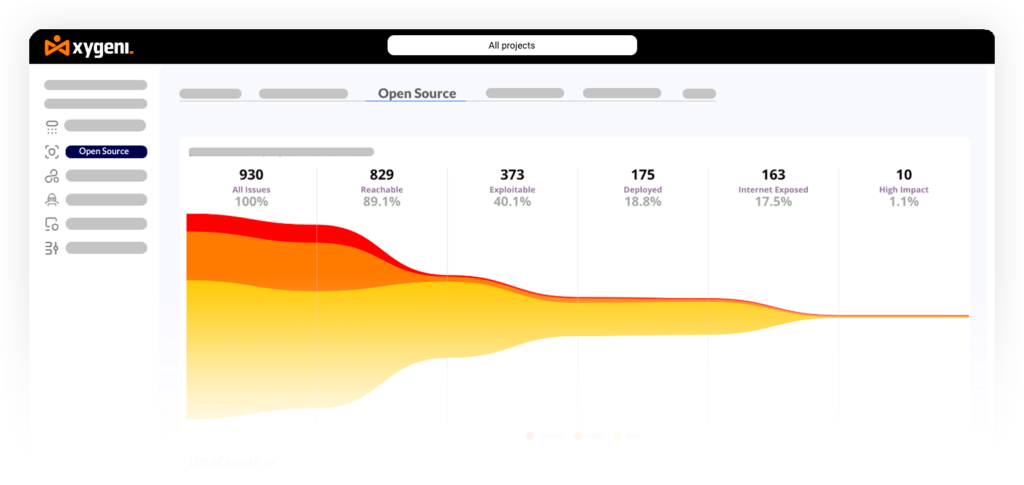
لم تكن عملية الاكتشاف هي العائق، بل تحديد ما يجب إصلاحه. أي ماسح ضوئي سيوفر لك آلاف النتائج. ما يحدد ما إذا كان التراكم سيتقلص هو تحديد الأولويات التي تأخذ في الاعتبار إمكانية الوصول، وإمكانية الاستغلال، وEPSS، وسياق العمل، بدلاً من خطورة CVSS وحدها، لأن الخطورة وحدها تحدد أمورًا أكثر أهمية بكثير مما يمكن لأي فريق العمل التعامل معه.
إن عملية المعالجة هي التي تضيع فيها الساعات فعلياً. يتم حل المشكلة التي تأتي مصحوبة بحل مُثبت وتقييم للأعطال التي قد يُسببها التحديث. أما المشكلة التي تأتي على شكل تذكرة، فيتم فرزها وتأجيلها، ثم تُنقل إلى الفريق الذي ينضم لاحقًا.
النسخة المختصرة من القائمة: Xygeni لإدارة ثغرات سلسلة توريد التطبيقات والبرامج مع ASPMتحديد الأولويات بناءً على المخاطر ومعالجة الذكاء الاصطناعي في منصة واحدة. Wiz لإدارة حالة السحابة وأحمال العمل. Aqua للحاويات وKubernetes. Snyk لإدارة التبعيات وفحص التعليمات البرمجية مع إعطاء الأولوية للمطورين. Sonatype وMend لحوكمة المصادر المفتوحة والامتثال للترخيص. Heimdal لتحديث نقاط النهاية وتطبيقات الطرف الثالث. اقرأ القسم أدناه حول السوقين قبل الاطلاع على التصنيفات، لأنه يحدد أي نصف من هذه القائمة مناسب لك.
تُحدد أدوات إدارة الثغرات الأمنية نقاط الضعف الأمنية في جميع أصول المؤسسة، وتُرتبها حسب الأولوية، وتُعالجها، وتُراقبها باستمرار. وتنقسم هذه الأدوات إلى فئتين: أدوات البنية التحتية ونقاط النهاية التي تفحص أنظمة التشغيل وبرامج الطرف الثالث وأحمال العمل السحابية وتُحدث التحديثات اللازمة لها، وأدوات أمان التطبيقات التي تجد العيوب في البرامج التي تُطورها فرق العمل وتُصلحها، بما في ذلك شفرة المصدر، والتبعيات مفتوحة المصدر، والحاويات، والبنية التحتية كشفرة. CI/CD pipelineيعتمد اختيار العائلة المناسبة على ما إذا كانت المخاطر تكمن في ما تديره أو في ما تبنيه.
ما هي أدوات إدارة الثغرات الأمنية؟
تساعد أدوات إدارة الثغرات الأمنية المؤسسات على تحديد أولويات الثغرات الأمنية ومعالجتها ومراقبتها باستمرار عبر التطبيقات والبنية التحتية وبيئات الحوسبة السحابية والتبعيات مفتوحة المصدر والحاويات، و... CI/CD pipelineتتجاوز أدوات إدارة الثغرات الأمنية الحديثة مجرد اكتشاف الثغرات الأمنية من خلال دمج تحديد الأولويات بناءً على المخاطر. Application Security Posture Management (ASPM) والمعالجة الآلية، وعمليات التكامل مع DevSecOps.
مع ازدياد تعقيد النظم البيئية للبرمجيات، تحتاج المؤسسات إلى أدوات إدارة الثغرات الأمنية التي لا تقتصر على اكتشاف الثغرات الأمنية فحسب، بل تساعد الفرق أيضًا على فهم المخاطر الأكثر أهمية وكيفية معالجتها بكفاءة.
أصبحت البرمجيات مفتوحة المصدر جزءًا أساسيًا من تطوير التطبيقات الحديثة، مما يساعد المؤسسات على تسريع الابتكار وخفض تكاليف التطوير. ومع ذلك، فإن الاعتماد المتزايد على مكونات البرمجيات مفتوحة المصدر يزيد أيضًا من التعرض للثغرات الأمنية، ومخاطر سلسلة توريد البرمجيات، وتحديات الامتثال. تساعد أدوات إدارة الثغرات الأمنية الفعالة المؤسسات على تحديد هذه المخاطر وترتيب أولوياتها ومعالجتها باستمرار مع الحفاظ على ممارسات تطوير آمنة طوال دورة حياة تطوير البرمجيات.SDLC).
يدرك محللو الصناعة بشكل متزايد أن إدارة الثغرات الأمنية تتطلب أكثر من مجرد فحصها. وتجمع برامج أمن التطبيقات الحديثة بشكل متزايد بين إدارة الثغرات الأمنية، ASPM, software supply chain security، وتحديد الأولويات بناءً على المخاطر، والمعالجة الآلية لمساعدة الفرق على إدارة الكميات المتزايدة من نتائج الاكتشافات الأمنية.
يقارن هذا الدليل أفضل أدوات إدارة الثغرات الأمنية لعام 2026، مع تسليط الضوء على قدرات الكشف وميزات تحديد الأولويات وسير العمل الخاص بالمعالجة والتكاملات وحالات الاستخدام المثالية، حتى تتمكن من اختيار الحل المناسب لمتطلبات أمن مؤسستك ومتطلبات DevSecOps.
قائمة أدوات إدارة الثغرات الأمنية
| أداة | تغطية | معالجة الذكاء الاصطناعي | ASPM / تحديد الأولويات | أفضل ل |
|---|---|---|---|---|
| زيجيني | الكود، البرمجيات مفتوحة المصدر، CI/CD, IaCسلاسل توريد الحاويات والبرمجيات | ميزة التصحيح التلقائي بالذكاء الاصطناعي + تحليل المخاطر | محلي ASPM وتحديد أولويات المخاطر | فرق DevSecOps التي تسعى إلى إدارة شاملة للثغرات الأمنية |
| سحر | بيئات وبنية تحتية سحابية | محدود | تحديد الأولويات في CSPM/CNAPP | المؤسسات السحابية الأصلية |
| ماء | الحاويات، وKubernetes، وأحمال العمل السحابية | لا | معتدل | فرق تركز على Kubernetes |
| سنيك | الكود، والتبعيات، والحاويات و IaC | جزئي | محدود | برامج أمنية تركز على المطورين |
| سوناتايب | الاعتمادات مفتوحة المصدر و SCA | لا | تحديد الأولويات بناءً على السياسات | SCAالمنظمات التي تركز على |
| إصلاح | الاعتماديات والامتثال للمصادر المفتوحة | جزئي | معتدل | Enterprise SCA برامج |
| HEIMDAL | ثغرات أمنية في نظام التشغيل وتطبيقات الطرف الثالث عبر نقاط النهاية | جزئي | تحديد أولويات التصحيحات بناءً على CVE/CVSS، والفرز بمساعدة الذكاء الاصطناعي | إدارة ثغرات البنية التحتية ونقاط النهاية |
القدرات الرئيسية لأدوات إدارة الثغرات الأمنية الحديثة
إذا كنت تبحث عن برنامج متكامل لإدارة الثغرات الأمنية لفريقك، ستجد هنا بعض أهم الميزات التي يجب أن تأخذها بعين الاعتبار:
- اكتشاف الثغرات الأمنية بشكل مستمر: يحدد باستمرار نقاط الضعف في التطبيقات، والتبعيات مفتوحة المصدر، والحاويات، والبنية التحتية، و CI/CD pipelines.
- تحديد الأولويات على أساس المخاطر: يستخدم قابلية الاستغلال، وإمكانية الوصول، ومعلومات EPSS، والخطورة، وسياق العمل لتركيز الفرق على نقاط الضعف الأكثر أهمية.
- المعالجة المدعومة بالذكاء الاصطناعي: يُسرّع من حل الثغرات الأمنية من خلال توليد الإصلاحات الآلية، وتوجيهات المعالجة، وتحليل مخاطر التغيير.
- ASPM والرؤية المركزية: يدمج النتائج المستخلصة من أدوات أمنية متعددة في رؤية موحدة للمخاطر، ويحسن الحوكمة في جميع أنحاء النظام. SDLC.
- Software Supply Chain Security: يساعد المؤسسات على إدارة المخاطر عبر التبعيات، وبناء الأنظمة، وسجلات الحزم، والتسليم pipelines.
- ديف سيكس أوبس و CI/CD التكامل: يدمج إدارة الثغرات الأمنية مباشرة في سير عمل المطورين وعمليات النشر pipelineلتقليل وقت المعالجة.

نظرة عامة: Xygeni هي منصة لإدارة الثغرات الأمنية مدعومة بالذكاء الاصطناعي، تجمع بين اكتشاف الثغرات الأمنية، ASPM, software supply chain security، والمعالجة المدعومة بالذكاء الاصطناعي، وأتمتة DevSecOps في حل واحد.
بخلاف أدوات إدارة الثغرات الأمنية التقليدية التي تركز بشكل أساسي على اكتشاف الثغرات الأمنية، تساعد Xygeni المؤسسات على تحديد المخاطر وترتيب أولوياتها وإدارتها ومعالجتها عبر شفرة المصدر والتبعيات مفتوحة المصدر. CI/CD pipelineالبنية التحتية السحابية، وسلاسل توريد البرمجيات.
تجمع آلية تحديد الأولويات القائمة على المخاطر بين قابلية الاستغلال، وتحليل إمكانية الوصول، ومعلومات نظام دعم العمليات الإلكترونية (EPSS)، وخطورة الثغرات، وسياق العمل، لمساعدة الفرق على التركيز على الثغرات الأكثر أهمية مع تقليل إرهاق التنبيهات. ومن خلال ربط النتائج التقنية بمؤشرات المخاطر الواقعية، تُمكّن Xygeni فرق الأمن وفرق DevSecOps من تحديد أولويات جهود المعالجة بشكل أكثر فعالية وتسريع الحد من المخاطر في جميع أنحاء النظام. SDLC.
الميزات الرئيسية لبرنامج إدارة الثغرات الأمنية من Xygeni:
- إدارة الثغرات الأمنية الموحدة: يعمل على توحيد نقاط الضعف في جميع أنحاء التعليمات البرمجية، والتبعيات مفتوحة المصدر، CI/CD pipelines, IaCدمج الحاويات وسلاسل توريد البرمجيات في منصة واحدة.
- ASPM وتحديد أولويات المخاطر: يربط النتائج ويحدد أولويات نقاط الضعف باستخدام قابلية الاستغلال، وإمكانية الوصول، ومعلومات EPSS، والخطورة، وسياق العمل.
- تحليل مخاطر الإصلاح التلقائي والمعالجة باستخدام الذكاء الاصطناعي: يقوم بإنشاء إصلاحات آمنة وتقييم التغييرات المحتملة التي قد تؤدي إلى حدوث أعطال قبل النشر.
- الكشف المستمر عن الثغرات الأمنية: يراقب باستمرار بيئات التطوير وأصول البرمجيات لتحديد المخاطر الجديدة عند ظهورها.
- Software Supply Chain Security: يساعد في تحديد نقاط الضعف والمخاطر في جميع التبعيات والحزم والبناء pipelineوسير العمل الخاص بالتسليم.
- مطور و CI/CD التكامل: يتكامل مباشرة مع GitHub و GitLab و Bitbucket و Azure DevOps و Jenkins وسير عمل المطورين.
الأنسب لـ: فرق DevSecOps التي تسعى إلى إدارة شاملة للثغرات الأمنية مع ASPM، وتحديد الأولويات بناءً على المخاطر، والمعالجة المدعومة بالذكاء الاصطناعي، و software supply chain security.
البحث عن طريقة أكثر ذكاءً لتحديد أولويات الثغرات الأمنية ومعالجتها وإدارتها في جميع أنحاء SDLCاكتشف كيف تساعد Xygeni فرق الأمن وفرق DevSecOps على التركيز على المخاطر الأكثر أهمية.

نظرة عامة: سحر يتكامل مع بيئات سحابية متعددة لتوفير رؤية وتحكم شاملين.
الأنسب لـ: المنظمات التي تعطي الأولوية لرؤية البنية التحتية السحابية، وإدارة المخاطر السحابية، وعمليات أمن السحابة المتعددة.
الميزات الرئيسية:
- تقييم مخاطر السحابة: توفر أداة إدارة الثغرات الأمنية مفتوحة المصدر تقييمات للتكوينات السحابية وأحمال العمل التي يمكن أن تساعد في تحديد الثغرات الأمنية واقتراح التحسينات.
- المراقبة المستمرة: فهو يحافظ على مراقبة البيئات السحابية للكشف عن الانحرافات الأمنية والتنبيه بها في الوقت الفعلي.
- إكتشاف عيب خلقي: يستخدم Wiz الخوارزميات لتحديد الأنماط غير العادية والتهديدات المحتملة. وبهذا، تساعد الأداة على منع الانتهاكات قبل حدوثها.

نظرة عامة: أكوا ينصب التركيز الأساسي على تأمين التطبيقات طوال دورة حياة البرمجيات بأكملها.
الأنسب لـ: فرق تشغيل بيئات التطبيقات المعبأة في حاويات، والقائمة على Kubernetes، والسحابية الأصلية.
الميزات الرئيسية:
- أمن الحاويات: يوفر برنامج إدارة الثغرات الأمنية حلولاً أمنية شاملة للبيئات المعبأة في حاويات.
- حماية الوظائف بدون خادم: كما أنه يحمي الوظائف التي لا تحتوي على خادم من الثغرات الأمنية والتكوينات الخاطئة، ويتأكد من أنها تعمل ضمن معلمات آمنة.
- فحوصات الامتثال الآلي: تساعد الأداة في الامتثال وتفرض سياسات الأمان تلقائيًا وتجري عمليات التدقيق.

نظرة عامة: Snyk هي أداة سهلة الاستخدام تم تصميم ميزاتها خصيصًا لإدارة الثغرات الأمنية للمطور أولاً.
الأنسب لـ: المنظمات التي تضع المطورين في المقام الأول وتركز على تأمين التعليمات البرمجية، والتبعيات مفتوحة المصدر، وسير عمل المطورين.
الميزات الرئيسية:
- تتبع مفتوح المصدر: تقوم الأداة بمراقبة المكتبات مفتوحة المصدر المستخدمة في المشاريع لتحديد نقاط الضعف وتتبعها.
- تحليل الكود: يقوم بإجراء تحليل ثابت للكود المصدري لاكتشاف العيوب الأمنية واقتراح الإصلاحات.
- مسح التبعية: كما تقوم الأداة أيضًا بفحص تبعيات المشروع بحثًا عن نقاط الضعف المعروفة وتقدم تحديثات أو تصحيحات للتخفيف من المخاطر.
نظرة عامة: سوناتايب يسلم قبلcisمعلومات استخباراتية حول نقاط الضعف في البرمجيات مفتوحة المصدر وإرشادات العلاج.
الأنسب لـ: المنظمات التي تركز على حوكمة المصادر المفتوحة، وتحليل مكونات البرمجيات (SCAوإدارة مخاطر الاعتماد.
الميزات الرئيسية:
- إدارة دورة حياة المكونات: تدير الأداة دورة حياة مكونات البرنامج لضمان بقائها آمنة طوال فترة استخدامها.
- إنفاذ السياسة: فهو يقوم بأتمتة تطبيق السياسات الأمنية للحفاظ على الامتثال وإدارة المخاطر.
- تحليل تكوين البرمجيات (SCA الأمن والحماية): يحلل تركيبات البرامج لتحديد نقاط الضعف داخل المكونات مفتوحة المصدر.

نظرة عامة: تقدم Mend حلولاً شاملة لتأمين البرامج مفتوحة المصدر عبر DevSecOps pipeline.
الأنسب لـ: Enterprise فرق إدارة أمن المصادر المفتوحة، والامتثال للترخيص، ومعالجة الثغرات الأمنية على نطاق واسع.
الميزات الرئيسية:
- الامتثال للترخيص: يضمن برنامج إدارة الثغرات الأمنية إدارة تراخيص البرامج والالتزام بها، مما يقلل المخاطر القانونية والأمنية.
- العلاج الفعال لنقاط الضعف: كما أنه يوفر آليات للمعالجة السريعة لنقاط الضعف المحددة داخل البرامج مفتوحة المصدر.
التكامل مع الآخرين - ادوات التطوير: يعمل بسلاسة مع أدوات التطوير المستخدمة على نطاق واسع لتعزيز سير العمل دون تعطيل العمليات الحالية.
تُمكّن إدارة الثغرات الأمنية في المصادر المفتوحة مديري الأمن وفرق DevSecOps من اتخاذ قرارات مستنيرة.cisأيونات حول الأدوات التي تناسب احتياجاتهم بشكل أفضل.

نظرة عامة: HEIMDAL يؤمن طبقة البنية التحتية، ويقوم بتصحيح أنظمة التشغيل وتطبيقات الطرف الثالث التي يتم تشغيل التعليمات البرمجية عليها في النهاية، كجزء من منصة أمن سيبراني موحدة أوسع نطاقًا تشمل أمن نقاط النهاية والشبكة والهوية.
الأنسب لـ: المنظمات التي تحتاج إلى تتبع مستمر للثغرات الأمنية وتصحيحها عبر نقاط النهاية الخاصة بها باستخدام CVE و CVSS.
الميزات الأساسية:
- تتبع الثغرات الأمنية عبر المنصات: يراقب نقاط نهاية Windows و macOS و Linux بحثًا عن الثغرات الأمنية المصنفة CVE و CVSS عبر أكثر من 350 تطبيقًا تابعًا لجهات خارجية.
- نشر التصحيحات المختبرة في بيئة معزولة: يقوم باختبار ونشر كل تحديث في غضون أربع ساعات من إصداره عبر قنوات مشفرة.
- فرز حالات برنامج AI Wingman: طبقة متعددة العوامل تساعد الفرق على تحديد أولويات إشارات الثغرات الأمنية بشكل أسرع.
شاهدوا غير المسورة حلقة من برنامج SafeDev Talk حول الثغرات الأمنية التي لا تنتهي والدفاعات الأكثر ذكاءً لتعرف المزيد حول كيفية مساهمة أدوات إدارة الثغرات الأمنية في مساعدتك على التوسع بشكل فعال!
هل أدوات إدارة الثغرات الأمنية ضرورية؟
تعتمد المؤسسات بشكل متزايد على أدوات إدارة الثغرات الأمنية، إذ لم يعد اكتشاف الثغرات وحده كافيًا. تُنتج بيئات البرمجيات الحديثة آلافًا من نتائج الثغرات الأمنية عبر التطبيقات، والبنية التحتية السحابية، والتبعيات مفتوحة المصدر، وسلاسل توريد البرمجيات. وبدون تحديد الأولويات وآليات المعالجة، تجد فرق الأمن صعوبة في التركيز على المخاطر الأكثر أهمية.
لم يعد مفهوم إدارة الثغرات الأمنية الحديثة يقتصر على اكتشافها فحسب، بل يتعداه إلى فهم الثغرات ذات الأهمية، وتحديد أولويات جهود المعالجة، والحد من المخاطر باستمرار طوال دورة حياة تطوير البرمجيات. باختيار أداة متطورة مثل Xygeni، لن تتمكن مؤسستك من معالجة الثغرات الأمنية بفعالية فحسب، بل ستتمكن أيضًا من تعزيز وضعها الأمني العام. إنها الخيار الأمثل لمن يسعى إلى تحسين بيئات DevSecOps الخاصة به. إذا كانت مؤسستك تتطلع إلى الارتقاء باستراتيجياتها الأمنية، فإن التفكير في Xygeni قد يكون خطوة محورية نحو تحقيق أمان مُعزز، والتزام بالمعايير، وكفاءة تشغيلية أعلى.
أيضا ، ألق نظرة على موقعنا أحدث مدونة on "لماذا تحتاج كل منظمة إلى أداة لإدارة الثغرات الأمنية؟"
أفكار ختامية حول أدوات إدارة الثغرات الأمنية
لقد تطورت أدوات إدارة الثغرات الأمنية بشكل كبير لتتجاوز مجرد فحص الثغرات. تساعد المنصات الأكثر فعالية المؤسسات على اكتشاف المخاطر وتحديد أولوياتها وإدارتها ومعالجتها عبر التطبيقات والبنية التحتية وسلاسل توريد البرمجيات وبيئات DevSecOps الحديثة.
مع استمرار تزايد حجم الثغرات الأمنية، تحتاج المؤسسات بشكل متزايد إلى قدرات مثل: ASPM، والمعالجة المدعومة بالذكاء الاصطناعي، وتحديد الأولويات بناءً على المخاطر، و software supply chain security للتركيز على نقاط الضعف الأكثر أهمية.
تجمع Xygeni هذه الإمكانيات في منصة موحدة، تجمع بين إدارة الثغرات الأمنية، software supply chain security, ASPM، وتحديد الأولويات بناءً على المخاطر، والمعالجة الآلية لمساعدة الفرق على تأمين النظام بالكامل SDLC.

الاسئلة المتكررة
ما الفرق بين فحص الثغرات الأمنية وإدارة الثغرات الأمنية؟
يكشف فحص الثغرات الأمنية عن نقاط الضعف الأمنية. وتشمل إدارة الثغرات الأمنية اكتشافها، وتحديد أولوياتها، ومعالجتها، والتحقق منها، ومراقبتها المستمرة. وتساعد أدوات إدارة الثغرات الأمنية الحديثة المؤسسات على إدارة دورة حياة الثغرات الأمنية بالكامل بدلاً من مجرد اكتشافها.
ما هي أدوات إدارة الثغرات الأمنية التي تدعم منهجية DevSecOps؟
تتكامل أدوات إدارة الثغرات الأمنية الحديثة مثل Xygeni وSnyk وMend وAqua وWiz مع مستودعات شفرة المصدر، CI/CD pipelineوسير عمل المطورين. تساعد هذه التكاملات الفرق على تحديد الثغرات الأمنية وترتيب أولوياتها ومعالجتها في وقت مبكر من دورة حياة تطوير البرمجيات.
ما هي أدوات إدارة الثغرات الأمنية التي توفر معالجة مدعومة بالذكاء الاصطناعي؟
تتضمن بعض منصات إدارة الثغرات الأمنية الحديثة إمكانيات معالجة مدعومة بالذكاء الاصطناعي، مما يساعد المطورين على حل الثغرات الأمنية بشكل أسرع. توفر منصة Xygeni خاصية الإصلاح التلقائي بالذكاء الاصطناعي وتحليل مخاطر المعالجة، بينما تقدم منصات أخرى مستويات متفاوتة من توصيات الإصلاح التلقائي وإرشادات المعالجة.
ما هي تفاصيل ASPM في إدارة الثغرات الأمنية؟
Application Security Posture Management (ASPM) يساعد المؤسسات على توحيد النتائج من أدوات أمنية متعددة، وتحديد أولويات الثغرات الأمنية بناءً على قابلية الاستغلال وتأثيرها على الأعمال، وتحسين سير عمل المعالجة. ASPM يُمكّن فرق الأمن وفرق DevSecOps من التركيز على نقاط الضعف التي تشكل أكبر خطر على بيئات الإنتاج.
كيف تُعطي أدوات إدارة الثغرات الأمنية الأولوية للمخاطر؟
تُعطي أدوات إدارة الثغرات الأمنية الحديثة الأولوية للثغرات الأمنية باستخدام عوامل مثل مستوى الخطورة وفقًا لنظام CVSS، وإمكانية الاستغلال، وتحليل إمكانية الوصول، ومعلومات EPSS، والأهمية التجارية، ومدى تعرض الأصول، والقرب من بيئة الإنتاج. وهذا يُساعد المؤسسات على تركيز جهود المعالجة على الثغرات الأكثر عرضة للاستغلال، وتقليل الوقت المُستغرق في التحقيق في الثغرات منخفضة الخطورة.
كم تبلغ تكلفة أدوات إدارة الثغرات الأمنية؟
تبدأ أسعار منصات أمان التطبيقات عادةً من عشرات الدولارات شهريًا للفرق الصغيرة، ثم تنتقل إلى عقود سنوية يتم التفاوض عليها. enterprise قابلية التوسع. عادةً ما تُسعّر أدوات نقاط النهاية والسحابة لكل أصل أو لكل نقطة نهاية. لا ينشر أي بائع تقريبًا في هذه الفئة enterprise فيما يتعلق بالتسعير، لذا خصص ميزانية لمحادثة تحديد النطاق وقارن بناءً على ما هو مشمول بدلاً من الأسعار المعلنة.
هل نحتاج إلى إدارة ثغرات البنية التحتية والتطبيقات معًا؟
معظم المؤسسات التي تُطوّر البرمجيات تفعل ذلك. أدوات البنية التحتية تُصلح ما يتم تشغيله، وأدوات التطبيقات تُصلح ما يتم كتابته، ولا يُنتج أيٌّ منهما مُخرجات الآخر. الاستثناء هو الفريق الذي يُصدر القليل جدًا من شفرته البرمجية، حيث قد تكون تغطية البنية التحتية وحدها كافية.
ما الفرق بين إدارة الثغرات الأمنية و ASPM?
إدارة الثغرات الأمنية هي العملية: العثور على الثغرات، وتحديد أولوياتها، وإصلاحها، والتحقق منها، ومراقبتها. ASPM وهي الطبقة التي تجعلها تعمل على نطاق واسع عبر أدوات أمان التطبيقات، حيث تربط النتائج من الماسحات الضوئية المتعددة، وتزيل التكرارات، وتضيف سياقًا مثل إمكانية الوصول والأهمية التجارية، وتتتبع ما إذا كان الخطر يتراجع بالفعل.