
בדיקות חדירה לעומת סריקת פגיעויות: מה מפתחים צריכים לדעת
פיתוח מודרני מתקדם במהירות, וכך גם התוקפים. כתוצאה מכך, גילוי ותיקון מוקדם של חולשות אבטחה כבר אינו אופציונלי. ובכל זאת, צוותים רבים מתערבבים בדיקות חדירה לעומת סריקת פגיעויות, בהנחה ששניהם עושים את אותה עבודה. במציאות, הם מטפלים בשכבות שונות של סיכוני אבטחה ומשלימים זה את זה לרוחב SDLC.
מדריך זה מסביר כיצד כל אחד מהם פועל, מתי להשתמש בו, וכיצד צוותי DevSecOps מודרניים הופכים את שניהם לאוטומטיים באמצעות בדיקות אבטחה מתמשכות.
מהי סריקת פגיעות?
A סריקת פגיעות בודק באופן אוטומטי מערכות, קוד או תלויות עבור נקודות תורפה ידועות.
זה עובד כמו משהו רציף health check, בהשוואה לסביבה שלך מול מסדי נתונים גדולים כמו NDV.
כלי סריקת פגיעויות מחפשים:
- ספריות או מכולות מיושנות
- תיקונים חסרים או תצורות שגויות
- CVEs ידועים או תלות בסיכון גבוה
- סודות קשיחים או דפוסי קוד לא בטוחים
מכיוון שסריקות אלו פועלות במהירות ובקביעות, הן מספקות למפתחים משוב כמעט בזמן אמת. יתר על כן, פלטפורמות סריקה מודרניות משתלבות ישירות ב- CI/CD pipelines, פעולות GitHub, ו-IDEs.
בקצרה, סריקת פגיעות עוזר לצוותים לזהות בעיות נפוצות מוקדם, לפני שהן מגיעות לייצור.
מהי בדיקת חדירה?
בדיקת חדירה, לעומת זאת, היא התקפה מדומה.
במקום רק לזהות פגמים ידועים, בודקי עטים (או כלים אוטומטיים) מנסים באופן פעיל לנצל אותם. המטרה היא להעריך כיצד תוקף אמיתי עשוי לנוע בסביבה שלך.
A מבחן חדירה יכול לכלול:
- ניסיון לנצל ממשקי API פגיעים
- בדיקת אימות ובקרת גישה
- שרשור מספר בעיות כדי לדמות תנועה צידית
- הערכת ההשפעה העסקית וחשיפת הנתונים
בניגוד לסריקת פגיעויות, בדיקות חדירה דורשות מומחיות אנושית והקשר. לכן הן נוטות להיות ידני, תקופתי וממוקד, שלעתים קרובות מבוצעות לפני מהדורות משמעותיות או ביקורות תאימות.
בדיקת חדירה לעומת סריקת פגיעויות: הבדלים עיקריים
| אספקט | סריקת פגיעות | בדיקות חדירות - Penetration Testing |
|---|---|---|
| מטרה | מצא נקודות תורפה ידועות באופן אוטומטי | לדמות ידנית התקפות מהעולם האמיתי |
| גישה | אוטומטי ורציף | מוכוון וממוקד על ידי אדם |
| עומק | כיסוי רחב בגובה פני השטח | ניצול עמוק וממוקד |
| תדר | שבועי או משולב לפי commit | רבעוני או לפני פרסומים גדולים |
| תְפוּקָה | רשימת נקודות תורפה שזוהו | הוכחת ניצול לרעה, דוח השפעה, ייעוץ להפחתת נזקים |
| הכי טוב בשביל | גילוי סיכונים שוטף והיגיינה | אימות סיכונים ריאליסטיים ועמידה בדרישות |
כיצד לפרש את ההבדלים הללו
הבנה בדיקות חדירה לעומת סריקת פגיעויות זה כמו לתחזק מכונה מורכבת. שתי הגישות שמרו על המערכת שלכם פועלת בצורה בטוחה, אבל הֵם לשרת מטרות שונות ו עבודה בעומקים שונים.
סריקת פגיעויות פועלת כמו בדיקה שגרתית, מהירה, ניתנת לחזרה ומושלמת לאיתור מוקדם של בעיות נפוצות. היא עוזרת לך לזהות תלויות מיושנות, תיקונים חסרים או תצורות לא מאובטחות לפני שהן מגיעות למצב הייצור. לעומת זאת, מבחן חדירה דומה יותר למבחן מאמץ מלא, הוא דוחף את האפליקציה לקצה גבול היכולת שלה וחושף כיצד היא מגיבה בפועל בתנאי התקפה אמיתיים.
סריקת פגיעויות משתמשת באוטומציה וב standardמערכות ניקוד מואצות, מה שהופך אותן לאידיאליות ליומיום DevSecOps pipelineבינתיים, בדיקות חדירה מוסיפות יצירתיות והיגיון אנושי כדי לדמות נתיבי תקיפה בעולם האמיתי שאוטומציה עלולה לפספס. יחד, הן יוצרות תהליך יחיד המשלב מהירות עם קדם...cisיון.
כאשר סריקת פגיעויות לעומת בדיקות חדירה נעשות כהלכה, הן הופכות ללולאת משוב מתמשכת. הסריקה מספקת נראות רחבה על פני בסיסי קוד, בעוד שבדיקות מאשרות אילו פגיעויות באמת ניתנות לניצול. איזון זה עוזר לצוותים להישאר פרואקטיביים במקום תגובתיים, לזהות מוקדם ולבצע אימות מעמיק.
בסופו של דבר, אל תצפו ב-AVסריקת פגיעות לעומת בדיקת חדירה כבחירה בין כלים. זוהי שותפותסריקות אוטומטיות מזהות סיכונים בקנה מידה גדול, ובדיקות עט מבטיחות שהתיקונים אכן פועלים כשצריך.
יתרונות וחסרונות של כל שיטה
לשתי הגישות יש יתרונות ופשרות, והבנתן עוזרת לצוותים להחליט מתי וכיצד ליישם כל אחת מהן ביעילות.
| שִׁיטָה | Pros | חסרונות |
|---|---|---|
| סריקת פגיעות | ✅ מהיר ואוטומטי ✅ ניתן להרחבה בקלות בין פרויקטים ✅ משתלב ב CI/CD ✅ אידיאלי למשוב מתמשך | ⚠️ ממצאים רדודים ⚠️ עשוי לכלול תוצאות חיוביות שגויות ⚠️ מוגבל לפגיעויות ידועות |
| בדיקות חדירות - Penetration Testing | ✅ סימולציית התקפה ריאליסטית ✅ מאשר ניצול ✅ מאמת בקרות ו guardrails ✅ מספק הקשר עסקי | ⚠️ יקר ואיטי יותר ⚠️ לא רציף ⚠️ תלוי במומחיות של הבודק |
בקצרה, סריקה מוצאת נקודות תורפה באופן אוטומטי, בעוד שבדיקות חדירה מוכיחות אילו מהן באמת חשובות. שתיהן חיוניות להגנה מעמיקה.
כיצד מפתחים משלבים את שניהם ב CI/CD
בזרימות עבודה מודרניות של DevSecOps, מפתחים יכולים לשלב את שתי הטכניקות מבלי להאט את הבנייה.
המפתח הוא אוטומציה ותזמור חכם.
אינטגרציה שלב אחר שלב:
- סרוק מוקדם ובתדירות גבוהה: הפעל סריקות פגיעויות באופן אוטומטי על כל אחד מהם pull request.
- חסום קוד לא בטוח: השתמש guardrails כדי למנוע מיזוג של פגיעויות בדרגת חומרה גבוהה.
- לדמות התקפות: תזמן בדיקות עט קלות בשלבים כדי לאמת את כללי הזיהוי.
- תעדפו בחוכמה: שלבו נתוני סריקה עם מדדי ניצול כמו EPSS או ניתוח נגישות.
- תיקונים אוטומטיים: טריגר מאובטח pull requests עם תלויות מתוקנות או עדכוני תצורה.
כתוצאה מכך, צוותי פיתוח מתחזקים את שניהם מהירות ואבטחה, מבלי להמתין לביקורות רבעוניות.
דוגמא:
A CI/CD pipeline מפעיל את Xygeni's SCA ו SAST סריקות על כל אחד מהם commit.
כאשר מופיעה פגיעות, הפלטפורמה בודקת את יכולת הניצול, יוצרת PR לתיקון ומתעדת את האירוע.
מאוחר יותר, בדיקת עט קצרה מאשרת שהתיקון סגר את הסיכון.
לולאה זו שומרת על בטיחות האפליקציה שלך בכל ספרינט.
כיצד סורק הפגיעויות של Xygeni מפשט את Continuous AppSec
בפועל, קבוצות רבות עדיין מתווכחות בדיקות חדירה לעומת סריקת פגיעויות, אבל האמת היא שהם עובדים הכי טוב יחד כאשר אוטומציה מגשרת על הפער.
סורק הפגיעויות של Xygeni מחייה את האוטומציה הזו. היא מנטרת באופן רציף את הקוד, התלויות ו... pipelines, והפכו את מה שהיה בעבר מאמץ ידני ותקופתי לתהליך DevSecOps מהיר ואמין.
יכולות מפתח
- Pipelineאוטומציה מקורית: Xygeni משתלב ישירות ב- CI/CD סביבות כגון GitHub Actions, GitLab CI, Jenkins או Azure DevOps. לכן, כל בנייה מפעילה אוטומטית סריקת פגיעויות לעומת בדיקת חדירה בסיס, בדיקת CVEs ידועים, תצורות שגויות, סודות וסיכונים בחבילות קוד פתוח.
- מודיעין ניצול: יתר על כן, זה מעשיר את התוצאות עם נתונים מ EPSS, CISKEV, וניתוח נגישות כדי לחשוף אילו פגיעויות הן אמיתיות וגם ניתנות לניצול.
- Guardrails עבור מפתחים: כתוצאה מכך, מיזוגים מסוכנים או עדכוני תלות נחסמים אוטומטית. מפתחים יכולים להגדיר מדיניות אבטחה שאוכפת תאימות מבלי להאט את הגרסאות.
- תיקון אוטומטי: בנוסף, בוט Xygeni נפתח מאובטח pull requests עם גרסאות קבועות או תיקוני תצורה. זה אפילו מסמן שינויים אפשריים שפורצים דרך סיכון תיקון גילוי לפני שהם משפיעים על הייצור.
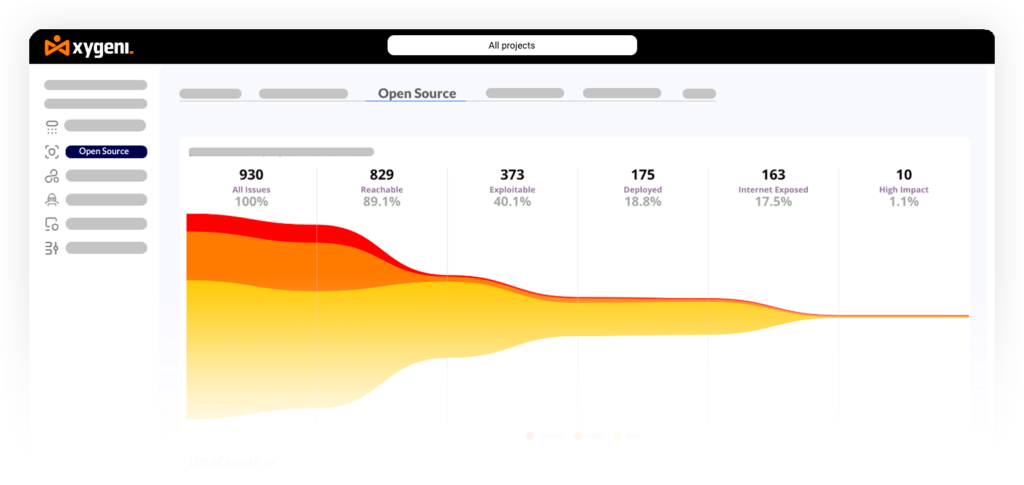
- נראות מרכזית: כל הממצאים: SAST, SCA, IaC, וסודות, מופיעים באחד מאוחד dashboardכתוצאה מכך, צוותי DevSecOps יכולים לעקוב אחר ההתקדמות, לתעדף לפי ניצול, ולצמצם את הרעש למינימום.
כיצד זה משלים בדיקות חדירה
למרות סריקת פגיעויות לעומת בדיקות חדירה נשמע לעתים קרובות כמו תחרות, שתי השיטות משלימות.
סורק מכסה רוחב ומהירות, בעוד ש- מבחן חדירה מספק הקשר ועומק.
עם סורק פגיעויות Xygeni, ניתן לשמור על סריקה רציפה ועדיין לאמת תוצאות באמצעות בדיקות ידניות או מתוזמנות.
לדוגמה:
- הפעל סריקות פגיעויות אוטומטיות על כל pull request.
- אימות ממצאים מרכזיים באמצעות מבחני עט קלים בשלבים.
- תיקונים אוטומטיים עם בוט Xygeni לתיקון מהיר ובטוח.
תהליך עבודה זה מבטיח שהדיון בין בדיקות חדירה לעומת סריקת פגיעויות נעלמת, כי אתה מרוויח גם וגם: מהירות מסריקה וגם ביטחון מהבדיקה.
סיכום: מדוע בדיקות חדירה לעומת סריקת פגיעויות עובדות בצורה הטובה ביותר יחד
לסיכום, השיחה סביב בדיקות חדירה לעומת סריקת פגיעויות זה לא אמור להיות עניין של לבחור את האחד או את השני, אלא של שילוב חכם של שניהם.
סריקת פגיעויות לעומת בדיקות חדירה הופך יעיל רק כאשר נראות אוטומטית ואימות בעולם האמיתי מתקיימים יחד.
כאשר משולבים עם כלים כמו סורק פגיעויות Xygeni, האיזון הופך חלק:
- סרוק ברציפות כדי למנוע רגרסיות.
- בדיקה תקופתית כדי לאשר את עמידות הגוון.
- תיקון אוטומטי כדי לשמור על מהירות האספקה.
יתר על כן, מודל משולב זה מבטיח שכל סריקת פגיעויות לעומת בדיקת חדירה משלימים זה את זה. סריקה מספקת תובנות מתמשכות, בעוד שבדיקות מאשרות את ניצול בפועל.
בסופו של דבר, בדיקות חדירה לעומת סריקת פגיעויות יחד עוזרים לצוותי פיתוח להגן על כל SDLC, מקוד המקור ועד לייצור, מבלי לאבד את הזריזות.
על המחבר
נכתב על ידי פטימה Said, מנהל שיווק תוכן המתמחה באבטחת אפליקציות ב אבטחת קסיגני.
פאטימה יוצרת תוכן ידידותי למפתחים, מבוסס מחקר, ב-AppSec, ASPM, ו-DevSecOps. היא מתרגמת מושגים טכניים מורכבים לתובנות ברורות ומעשיות המחברות חדשנות בתחום אבטחת הסייבר עם השפעה עסקית.