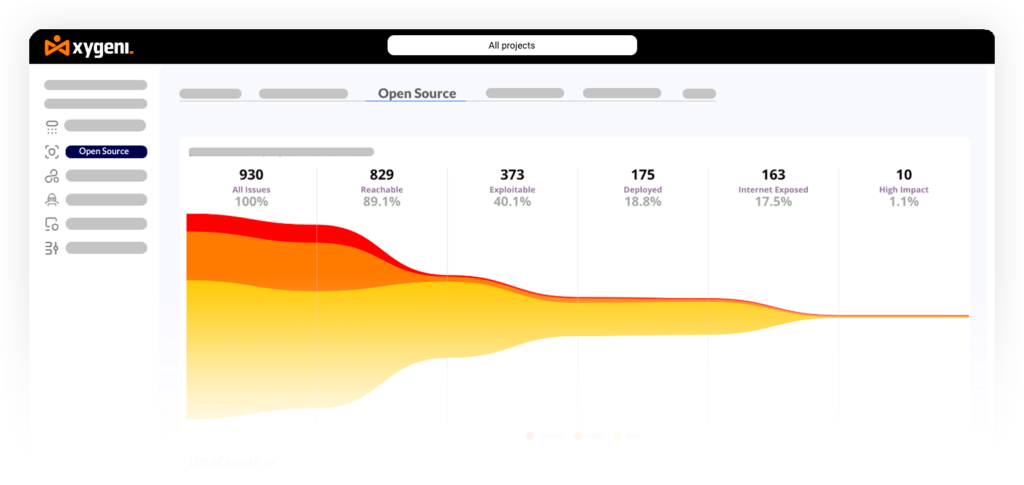
امنیت نور د وروسته پاتې فکر نه شي کېدای — په ځانګړي توګه د نن ورځې په ګړندۍ وده کې pipelines، د برید سطحې مخ په زیاتیدو دي، او د ګړندي بار وړلو لپاره دوامداره فشار. یعني، DevSecOps په چټکۍ سره رامینځته کیږي نوي standard. تر بل هر وخت زیات، دا یوازې د کیڼ اړخ ته د تګ په اړه نه ده؛ بلکې، دا د امنیت د ځای پر ځای کولو په اړه ده چې تاسو یې په هر هغه څه کې کوئ، له لومړي څخه commit تولید ته. د دې په پام کې نیولو سره، سم وسایل ټول توپیر رامینځته کوي. نو، که تاسو د کوډ خوندي کولو کې د مرستې لپاره د DevSecOps وسیلو یو قوي لیست په لټه کې یاست، pipelines، او زیربنا پرته له شکه، تاسو په سم ځای کې یاست. لاندې، موږ نن ورځ شتون لرونکي ځینې خورا عملي او پیاوړي DevSecOps امنیتي وسایل ماتوو.
په DevSecOps امنیتي وسیلو کې د څه لپاره وګورئ
د DevSecOps د امنیت د سمې وسیلې غوره کول یوازې د ځانګړتیاوو د چک کولو په اړه ندي، بلکه دا د هغه څه موندلو په اړه دي چې په ریښتیا سره ستاسو سره مناسب وي د ټیم ورځنی کاري جریان. د دې په پام کې نیولو سره، دلته هغه مهم ځانګړتیاوې دي چې باید لومړیتوب ورکړل شي:
- بې خوبه CI/CD سره یوځای کیدل
وسیله باید په طبیعي ډول ستاسو په CI/CD pipelineد پرمختګ معمولونه، پرته له ځنډ یا ستونزمن حل لارو څخه. - له پای څخه تر پایه پوښښ
په بل عبارت، د هغو وسایلو لپاره هدف ولرئ چې د کوډ څخه تر زیربنا پورې هرڅه خوندي کړي، نه یوازې ستاسو د سټیک یوه طبقه. - فعال کشف او ځواب
په مثالي توګه، د ګواښ کشف او اتوماتیک ځواب باید له پیل څخه چمتو شي، نه دا چې وروسته یې بیا تنظیم شي. - د پراختیا کونکو لپاره د کارولو وړتیا
بالاخره، امنیتي وسایل یوازې هغه وخت کار کوي چې پراختیا ورکوونکي یې په حقیقت کې وکاروي. روښانه غبرګون او د شرایطو بصیرت کلیدي دي. - سکالبل
که ... تاسو یو واحد ریپو یا لسګونه کوچني خدمات چلوئ یا نه، سمه وسیله باید ستاسو د جوړښت سره اندازه شي.
د DevSecOps وسیلو ډولونه چې تاسو به یې په خپل سټیک کې وغواړئ
د DevSecOps وسیلو لیست ټیمونو سره مرسته کوي چې امنیت په کې ځای په ځای کړي SDLC، له لومړي ځای څخه، نه له وروستي څخه. د وضاحت لپاره، دلته دي مهمې کټګورۍ عصري ټیمونه په لاندې ډول تکیه کوي:
- د کوډ تحلیل وسیلې
دا کړۍ او زیان منونکي ژر کشفوي. د مثال په توګه، جامد (SAST) او متحرک (DAST) وسایل د ژوندۍ کیدو دمخه د نیمګړتیاوو په پیژندلو کې مرسته کوي. - د خلاصې سرچینې انحصاري سکینرونه
څرنګه چې ډیری غوښتنلیکونه په خلاصې سرچینې پورې اړه لري، دا وسایل زیان منونکي یا زاړه برخې ژر نیسي. - د کانټینر امنیت وسایل
په ځانګړې توګه که تاسو ډاکر یا کوبرنیټس کاروئ، نو تاسو به داسې سکینرونه وغواړئ چې انځورونه او د چلولو وخت چلند معاینه کړي. - د کوډ په توګه زیربنا (IaC) امنیت
IaC وسیلې په Terraform، CloudFormation، او Kubernetes کې د غلطو ترتیباتو نښه کوي، مخکې لدې چې ځای پرځای کول ستونزې رامینځته کړي. - د چلولو وخت د غوښتنلیک ځان ساتنه (RASP)
دا وسایل د چلولو په وخت کې کار کوي او په فعاله توګه ګواښونه بندوي، په ځانګړې توګه، د صفر ورځې او منطق پر بنسټ کارونې. - د ګواښ ماډلینګ وسایل
په بل عبارت، دوی ستاسو په سیسټم کې د خطرونو په لیدلو کې مرسته کوي او له پیل څخه د امنیت په پام کې نیولو سره ډیزاین کوي. - دوامداره څارنه او د پیښې غبرګون
دا په ورته وخت کې د ریښتیني وخت لید او د پیښو د رامینځته کیدو په وخت کې اتوماتیک کمښت دواړه وړاندې کوي.
د DevSecOps ۷ غوره وسایل پرتله کول: لنډه کتنه
| وسیله | لومړني تمرکز | کلیدي ځواک | اصلي سکین کول | د مالویر کشف | د نرخ ماډل | غوره لپاره |
|---|---|---|---|---|---|---|
| ژیګیني | بشپړ سټیک DevSecOps + ASPM + د مصنوعي ذهانت امنیت | متحد پلیټ فارم پوښښ SAST, SCA، DAST، رازونه، CI/CD, IaC، کانټینرونه، مالویر، او د AI برید سطحه | هو — ټول ماډلونه اصلي دي | هو — په ریښتیني وخت کې، د MEW له لارې مخکې لاسلیک | ټول په یوه کې $33/میاشت، نامحدود رپو او مرسته کوونکي | هغه ټیمونه چې په یوه واحد پلیټ فارم کې د سافټویر رسولو سلسلې بشپړ محافظت ته اړتیا لري |
| سینک | لومړی پراختیا کونکی SCA, SAST، کانټینر، IaC | د خطر پر بنسټ لومړیتوب سره د IDE او Git ژور ادغام | هو — د هر محصول لپاره ماډلر | نه | په هر ماډل کې، لګښتونه د اندازې سره زیاتیږي | د پراختیا کونکي لومړي ټیمونه دمخه د سنیک ایکوسیستم وسیلې کاروي |
| د آوا امنیت | د کلاوډ اصلي غوښتنلیک محافظت (CNAPP) | د CSPM سره د کانټینر او کوبرنیټس د چلولو وخت امنیت | هو — کانټینر او کلاوډ متمرکز | محدود | یوازې دودیز نرخ | د کلاوډ اصلي ټیمونه چې په څو کلاوډ چاپیریالونو کې د کانټینر شوي کاري بارونو خوندي کوي |
| چیکمارکس | Enterprise اپ سیک — SAST, SCA، API، IaC | د AppSec پراخه پوښښ سره ASPM او د پراختیا ورکوونکو روزنه | هو — په هر پوړ کې ماډلر | محدود — یوازې پیژندل شوي پیکجونه | دودیز نرخ، د پلان له مخې ځانګړتیا لرونکی | لوی enterpriseد اطاعت راپور ورکولو سره د AppSec پراخه پوښښ ته اړتیا لري |
| سایکوډ | ASPM د کوډ-ټو-کلاؤډ تعقیب وړتیا سره | د شرایطو استخباراتي ګراف چې په ۱۰۰+ وسیلو کې د موندنو سره تړاو لري | هو — اصلي او د دریمې ډلې اخیستل | نه | د ګمرکونو enterprise نرخونه، ماډلر لګښتونه | Enterpriseد څو AppSec وسیلو یوځای کول په یوه واحد پوست لید کې |
| arnica | Pipelineد سرچینې لږ کنټرول ASPM | Commit- د صفر سره د کچې سکین کول CI/CD ترتیب اړین دی | هو — یوازې د سرچینې کنټرول | نه | د هر پراختیا کونکي هویت، کلنی بلینګ | هغه ټیمونه چې د بدلون پرته د فوري سرچینې کنټرول پوښښ غواړي pipelines |
| ساکټ | د خلاصې سرچینې پورې تړلي اکمالاتي سلسلې امنیت | د نصبولو دمخه په npm او PyPI کڅوړو کې د چلند مالویر کشف | هو — یوازې انحصارونه | هو — چلند، npm او pip متمرکز | وړیا درجه محدوده؛ enterprise ځانګړتیاوې ګیټ شوي | د جاواسکریپټ او پایتون ټیمونو په ځانګړي ډول د خلاصې سرچینې اکمالاتي سلسلې خطر باندې تمرکز وکړ |
د غوره DevSecOps وسیلو لیست

تر ټولو پرمختللی SCA د DevSecOps لپاره وسیله
ته ځغلنده کتنه: ژیګیني دا یوازې د امنیت وسیلې څخه ډیر څه دي، په حقیقت کې، دا د DevSecOps بشپړ سټیک پلیټ فارم دی چې ستاسو د سافټویر پراختیا ټول ژوند دورې کې د غوښتنلیک امنیت ځای په ځای کولو لپاره ډیزاین شوی. که ... تاسو کوډ، انحصارونه، رازونه خوندي کوئ یا نه، IaC، یا کانټینرونه، ژیګیني هرڅه په یوه متحد، پراختیا کونکي دوستانه تجربه کې سره یوځای کوي.
د پوائنټ حلونو برعکس چې یوازې د CVEs لپاره سکین کوي، Xygeni تاسو سره ستاسو د سافټویر رسولو سلسله له پای څخه تر پایه دفاع کې مرسته کوي. سربیره پردې، د اتوماتیک سکین کولو، ریښتیني وخت څارنې، او جوړ شوي ترمیم سره، دا امنیتي ټیمونو او پراختیا کونکو ته ځواک ورکوي چې پرته له شکه او پرته له ګډوډۍ همکاري وکړي.
له pull request د تولید لپاره، ژیګیني مستقیم ستاسو سره مدغم کیږي CI/CD pipelines. په همدې اساس، دا خطرونه ژر تر ژره نیسي او په اتوماتيک ډول امنیتي پالیسۍ پلي کوي، پرته له دې چې ستاسو د ټیم کاري جریان ته ځنډ یا خنډ رامنځته کړي.
کلیدي مشخصات:
- د سافټویر جوړښت تحلیل (SCA)
د لاسرسي وړتیا، EPSS سکور کولو، او مالویر کشف سره ژور انحصاري سکین کول، نو تاسو هغه څه حل کوئ چې واقعیا مهم دي. - د جامد کوډ تحلیل (SAST)
د کوډ چټک، دقیق سکین کول د پراختیا ورک فلو سره مدغم شوي ترڅو د لیکلو پرمهال زیانمننې ومومي. - د رازونو کشف
د سرچینې کوډ په اوږدو کې د افشا شویو اسنادو لپاره په ریښتیني وخت کې سکین کول، CI/CD، او IaC دوتنې - د کوډ په توګه زیربنا (IaC) امنیت
مخکې له دې چې تاسو یې ځای پر ځای کړئ، په Terraform، Kubernetes، او CloudFormation کې غلط ترتیبونه په نښه کوي. - CI/CD Pipeline سختول
ستاسو په DevOps کې لاسوهنه، نه تعقیب شوي وسایل، او بې نظمۍ کشف کوي pipelineد اکمالاتي سلسلې ګواښونو د بندولو لپاره. - SBOM د اطاعت اتومات کول
د سافټویر موادو لایحه تولیدوي او په اتوماتيک ډول د جواز ورکولو او تنظیمي پالیسیو پلي کول. - لومړیتوب ورکول او اصلاح کول
شدت، استحصال، او سوداګریز اغیز سره یوځای کوي ترڅو هغه څه چې واقعیا اصلاح ته اړتیا لري، او وړاندیز کوي چې څنګه.
د DevSecOps ټیمونو لپاره جوړ شوی
- متحد AppSec سټیک
له هرڅه څخه SCA ته IaC په یوه ځای کې، نه د وسایلو پراخوالی، نه د پوښښ تشې. - پراختیا کونکی-مرکز
د عامه اړیکو سکین کول، د CLI وسایل، او دننه-pipeline فیډبیک امنیت د کاري جریان برخه جوړوي، نه خنډونکی. - د ریښتیني وخت لید
Dashboardهغه خبرتیاوې او خبرتیاوې چې په حقیقت کې معنی لري. په ریښتیني وخت کې خپل امنیتي حالت وڅارئ. - تعمیل ته چمتو دی
د OWASP، NIST، او لویو تنظیمي چوکاټونو لپاره له بکس څخه بهر ملاتړ. - د اکمالاتو سلسله دفاع
د انحصار ګډوډۍ، مالویر، او لاسوهنې شوي جوړښتونو لپاره د مخکینۍ خبرتیا سیسټمونه.
💲 د بیې*:
- په پیل کې $ 33 / میاشت لپاره ټول په یوه کې پلیټ فارم بشپړ کړئ، د اړینو امنیتي ځانګړتیاو لپاره هیڅ اضافي فیس نشته.
- شامل دي: SCA, SAST, CI/CD امنیت، د رازونو کشف، IaC Security، او د کانټینر سکین کول، هرڅه په یوه پلان کې!
- نامحدود ذخیرې، نامحدود ونډه اخیستونکي، د هر څوکۍ لپاره هیڅ قیمت نشته، هیڅ محدودیت نشته، هیڅ حیرانتیا نشته!
۲. د Snyk DevSecOps وسیلې
ته ځغلنده کتنه: سینک د DevSecOps یوه مشهوره وسیله ده، چې په عمده توګه د پراختیا کونکي-لومړي چلند لپاره پیژندل کیږي. دا د مشهور IDEs، Git پلیټ فارمونو، او سره ژور ادغام وړاندې کوي. CI/CD pipelines. په پایله کې، دا ټیمونو ته دا توان ورکوي چې د کوډ، خلاصې سرچینې انحصارونو، کانټینرونو، او زیربنا په اوږدو کې زیان منونکي وپیژني او سم کړي لکه کوډ (IaC) په مستقیم ډول د دوی د پراختیا کاري جریان کې.
که څه هم دا ممکن ریښتیا وي، سنیک ګټورې ځانګړتیاوې لکه د لاسرسي تحلیل او د خطر سکور معرفي کړي چې د بلوغت او سوداګرۍ اغیزې څخه ګټه پورته کوي. سره له دې، پرمختللي وړتیاوې - لکه د ریښتیني وخت مالویر کشف او بشپړ CI/CD pipeline د بشپړتیا څارنه، ډیری وختونه بهرني وسایلو یا اضافي تشکیلاتو ته اړتیا لري.
کلیدي مشخصات:
- د مدغم پراختیا کاري جریان: په IDEs، Git زیرمو، او کې په بې ساري ډول کار کوي CI/CD pipelineد زیان منونکو لومړنیو کشفولو لپاره.
- د خطر پر بنسټ لومړیتوب ورکول: د خطر نمرې کاروي چې د لاسرسي وړتیا فکتور کوي، د بشپړتیا، EPS، او سوداګرۍ اغیزې څخه ګټه پورته کوي ترڅو مسلو ته لومړیتوب ورکړي.
- اتوماتیک درملنه: د حل وړاندیزونه او اتوماتیک چمتو کوي pull requests ترڅو د حل پروسې ګړندۍ شي.
- د جواز د اطاعت مدیریت: په ټولو پروژو کې د خلاصې سرچینې جواز پالیسیو اداره کولو او پلي کولو لپاره وسایل وړاندې کوي.
له بندڅخه:
- د مالویر کشف: اوس مهال، سنیک د خلاصې سرچینې کڅوړو لپاره د ریښتیني وخت مالویر سکینینګ وړاندیز نه کوي.
- د اکمالاتي سلسلې جامع امنیت: ممکن د بشپړ لاسته راوړلو لپاره د اضافي وسیلو سره یوځای کولو ته اړتیا وي CI/CD pipeline بشپړتیا او بې نظمۍ کشف.
- د نرخ جوړښت: ځانګړتیاوې ماډلر دي، د جلا قیمت سره SCA, SAST، کانټینر، او IaC سکین کول، کوم چې کولی شي د اړتیاوو د زیاتوالي سره لګښتونه زیات کړي.
💲 بیه*:
- په میاشت کې د ۲۰۰ ازموینو سره پیل کیږي د ټیم پلان لاندې.
- SCA، کانټینر ، IaC، او نور محصولات چې په جلا توګه پلورل کیږي، د خپلواکو وسیلو په توګه شتون نلري.
- د پلان قیمت په هر ماډل کې توپیر لري، او ټول باید د ورته بلینګ جوړښت لاندې سره یوځای شي.
- Enterprise پلانونه دودیز نرخونو ته اړتیا لري، د محدود شفافیت او ګړندي مخ په زیاتیدونکي لګښتونو سره
۳. د ایکوا امنیت DevSecOps وسیلې

ته ځغلنده کتنه: د آوا امنیت د کلاوډ اصلي غوښتنلیک ساتنې یو پیاوړی پلیټ فارم (CNAPP) وړاندې کوي، چې په څرګنده توګه د مختلفو کلاوډ چاپیریالونو کې د تولید له لارې د پراختیا څخه غوښتنلیکونو خوندي کولو لپاره ډیزاین شوی. د مثال په توګه، د دې ځانګړتیا سیټ د کانټینر امنیت، د چلولو وخت محافظت، او د کلاوډ امنیت پوست مدیریت (CSPM) پوښي، چې موخه یې د کلاوډ اصلي کاري بارونو لپاره له پای څخه تر پایه محافظت وړاندې کول دي.
په هرصورت، د پلیټ فارم پراخوالی کولی شي پیچلتیا رامینځته کړي. پدې حالت کې، د ځانګړتیاوو او ترتیبونو ګڼوالی ممکن د زده کړې یو سخت منحني پایله ولري. په ورته وخت کې، ځینې ټیمونه ممکن د موجوده DevSecOps کاري فلو سره د Aqua یوځای کول په ځانګړي ډول ننګونکي ومومي.
کلیدي مشخصات:
- د کانټینر او کوبرنیټس امنیت: د کانټینر شوي غوښتنلیکونو او کوبرنیټس کلسترونو لپاره د زیان مننې سکیننګ او د چلولو وخت محافظت چمتو کوي.
- د کلاوډ امنیت د حالت مدیریت (CSPM): د ډیری کلاوډ چمتو کونکو په اوږدو کې د کلاوډ ترتیباتو او د اطاعت حالت کې لید وړاندې کوي.
- د کوډ په توګه زیربنا (IaC) سکین کول: د غلطو ترتیبونو او زیان منونکو موندلو لپاره د ټریوي په څیر وسایل کاروي IaC کينډۍ.
- د چلولو وخت ساتنه: د غوښتنلیک اجرا کولو پرمهال په ریښتیني وخت کې د ګواښونو کشف او کمولو لپاره د چلند تحلیل کاروي.
- د موافقت راپور ورکول: د پلټنې او راپور ورکولو ملاتړ کوي standardلکه PCI DSS، HIPAA، او GDPR.
له بندڅخه:
- پیچلي ترتیب: د ځانګړتیاوو پراخه سیټ ممکن د مؤثره تنظیم او مدیریت لپاره د پام وړ هڅو ته اړتیا ولري.
- د ادغام ننګونې: د اکوا وسایلو د موجوده وسیلو سره سمون ورکول CI/CD pipelines او DevSecOps کړنې ممکن اضافي تنظیم ته اړتیا ولري.
- د زده کړی کیرنۍ: کاروونکي ممکن د پلیټ فارم وړتیاو څخه په بشپړه توګه ګټه پورته کولو لپاره د پام وړ روزنې ته اړتیا ولري.
💲 بیه*:
- یوازې دودیز قیمتونه → اکوا په خپل سایټ کې د نرخونو ځانګړي درجې نه لیست کوي. ټول پلانونه د دودیز نرخ لپاره د پلور سره اړیکه نیولو ته اړتیا لري.
- د استعمال پر بنسټ → قیمتونه معمولا د فکتورونو لکه د زیرمو شمیر، کانټینر عکسونو، او کلاوډ کاري بارونو لخوا ټاکل کیږي.
- هیڅ شفاف پلان نشته → د نورو وسیلو برعکس، اکوا د مخکینۍ بیې یا د ځان خدمت درجې نه وړاندې کوي، چې د لګښتونو اټکل یې په پیل کې ستونزمن کوي.
۴. د چیکمارکس DevSecOps وسیلې

ته ځغلنده کتنه: چیکمارکس د AppSec یو میراثي چمتو کونکی دی، په ځانګړې توګه یو پراخه پلیټ فارم وړاندې کوي چې پکې شامل دي SAST, SCA، د API امنیت، IaC سکین کول، د کانټینر امنیت، او نور ډیر څه. په ټولیز ډول، د دې ماډلر جوړښت د لوی ملاتړ لپاره ډیزاین شوی enterpriseپه ټوله کې د پراخ پوښښ په لټه کې دي SDLC.
سره له دې، د دې پراخوالي سره سره، چیکمارکس کولی شي د DevSecOps ټیمونو لپاره د ساده، مدغم وسیلو په لټه کې د ډیر فشار احساس وکړي. د مثال په توګه، ډیری کلیدي ځانګړتیاوې د ډیری قیمتونو درجو تر شا تړل شوي دي. سربیره پردې، د ریښتیني وخت امنیتي وړتیاوې، لکه CI/CD د بې نظمۍ کشف یا د مالویر محافظت، لاهم محدود دي یا د اضافو پرته شتون نلري.
کلیدي مشخصات:
- جامع AppSec سویټ → وړاندیزونه SAST, SCA، API، IaC، او د کانټینر امنیت په ډیری پلانونو کې.
- ASPM د ریپو روغتیا → د اپلیکیشن امنیتي حالت او د ذخیره کولو حفظ الصحې کې لید اضافه کوي.
- رازونه او ناوړه بسته ساتنه → هارډ کوډ شوي رازونه او پیژندل شوي ناوړه تړاوونه کشف کوي.
- د کوډ باشنګ ادغام → د خوندي کوډ کولو کړنو لپاره د پراختیا کونکي روزنې ماډلونه شامل دي.
له بندڅخه:
- ماډلر او پیچلي بسته بندي → ځانګړتیاوې لکه IaC، DAST، او د رازونو کشف د لوړو پلانونو یا اضافو تر شا تړل شوي دي.
- هیڅ ریښتیني وخت نشته Pipeline د څارنې → فعال نه دی CI/CD د بې نظمۍ کشف یا د چلولو وخت د اکمالاتو سلسلې محافظت.
- د DevOps-First ټیمونو لپاره دروند → په عمده توګه د امنیتي ټیمونو لپاره جوړ شوی؛ د ګړندي حرکت کونکي DevOps کې د ځای پرځای کولو لپاره هڅې ته اړتیا لري pipelines.
- مبهم قیمت → دودیز نرخونو ته اړتیا لري؛ د انفرادي ماډلونو یا کارونې درجو لپاره د لګښتونو شفاف تحلیل نشته.
💲 بیه*:
- یوازې دودیز نرخ → چیکمارکس عامه نرخونه نه لیست کوي.
- د پلان له مخې د فیچر ګیټینګ → اړین، مسلکي، او Enterprise په درجو کې د وسایلو مختلف ترکیبونه شامل دي.
- اضافه کول اړین دي → ډیری کلیدي وړتیاوې (DAST، رازونه، د مالویر محافظت) د اختیاري اضافي په توګه پلورل کیږي.
۵. د سایکوډ DevSecOps وسیلې

ته ځغلنده کتنه: سایکوډ په کې یو ښه ثابت شوی کاندید دی د DevSecOps وسیلو لیستد دې لپاره پیژندل شوی Application Security Posture Management (ASPM) وړتیاوې. دا د بصیرت سره یوځای کوي SAST, SCA, IaC، د کانټینر سکین کول، او د رازونو کشف په یو متحد خطر ګراف کې. سربیره پردې، دا د دودیز پالیسۍ پلي کولو ملاتړ کوي، CI/CD حکومتداري، او د ConnectorX له لارې د دریمې ډلې امنیتي وسیلو سره ادغام.
سره له دې، د پراخ پوښښ سره سره، د سایکوډ چلند کولی شي عملیاتي پیچلتیا معرفي کړي، په ځانګړې توګه د هغو ټیمونو لپاره چې په کلکه مدغم شوي، پراختیا کونکي-لومړی کاري جریان غواړي. ځینې اصلي وړتیاوې، لکه په-pipeline د مالویر چلند اصلاح یا د ریښتیني وخت کشف کول، په اصلي ډول شامل ندي. سربیره پردې، د دې ماډلر قیمت جوړښت ممکن د مخ پر ودې ټیمونو کې د لګښتونو د زیاتوالي څخه مخنیوي لپاره محتاط پلان جوړولو ته اړتیا ولري.
کلیدي مشخصات:
- ASPM Dashboard چې پایلې سره یوځای کوي له SAST, SCAرازونه، IaC، او د کانټینر سکین کول.
- د لاسرسي تحلیل دا په ګوته کوي چې ایا یو زیان منونکی فعالیت په حقیقت کې کارول شوی دی.
- د خطر پر بنسټ لومړیتوب ورکول د هوښیار ټریج لپاره د CVSS، EPSS، KEV، او سوداګرۍ اغیزو کارول.
- CI/CD د حکومتدارۍ د کشف سره pipeline ډرافټ، هارډ کوډ شوي رازونه، او د رول غلط ترتیبونه.
- د انعطاف وړ ادغام ماډل د دریمې ډلې سکینرونو او دودیز کاري فلو لپاره د ConnectorX له لارې.
- د اطاعت نقشه کول د NIST SSDF، SLSA، او OWASP SAMM په څیر چوکاټونو ته.
له بندڅخه:
- پداسې حال کې چې پوښښ پراخ دی، سایکوډ یې کوي د مالویر چلند کشف شامل نه دی د انحصار لپاره یا CI/CD شتمني.
- د اتوماتیک ترمیم کاري جریان د ډیرو پراختیا کونکو متمرکز وسیلو په پرتله محدود دي، په ځانګړي توګه د ریښتیني وخت د حل وړاندیزونو په اړه pull requests.
- د پالیسۍ ترتیب او د اړیکو منطق ممکن د شاملیدو هڅې ته اړتیا ولري، په ځانګړې توګه د کوچنیو ټیمونو لپاره.
- د د نرخ جوړښت ماډلر دی، نو لګښتونه ممکن د پام وړ وده وکړي ځکه چې ټیمونه د کارونې ډیرې قضیې اضافه کوي.
💲 بیه*:
- د ګمرکي نرخ ټاکل اړین دي: ASPM د RIG (د خطر استخباراتو ګراف) سره تړلي وړتیاوې او بشپړ اتومات یوازې د دې له لارې شتون لري enterprise نرخونه
- لوړ ټول لګښت: کلیدي ASPM ځانګړتیاوې، لکه د مرکزي خطر حالت، د نښلونکي ادغام، او CI/CD د پوست سکور کول، پرمختللي اضافه ګڼل کیږي، چې د اساس لګښتونه لوړوي.
- د اندازه کولو ننګونې: کلني جواز ورکول او د هرې څوکۍ قیمت د لویو انجینرۍ ټیمونو کې اندازه کول پیچلي کوي، په ځانګړي توګه کله چې اضافي ماډلونه لکه CSPM یا اطاعت اضافه شي.
۶. د ارنیکا ډیو سیک اپس وسیلې

ته ځغلنده کتنه: arnica د DevSecOps وسیلو لیست کې یو نوی اضافه ده، چې وړاندې کوي a pipelineلږ چلند Application Security Posture Management (ASPM). دا د هر کوډ پش ریښتیني وخت سکین کول ترسره کوي او pull request په GitHub، GitLab، Bitbucket، او Azure Repos کې، پوښښ SCA, SAST, IaC غلط ترتیبونه، د رازونو افشا کول، د جواز اطاعت، او د بسته شهرت، پرته له تعدیل څخه CI/CD pipelines.
سره له دې، د هغې ساحه د سرچینې کنټرول فعالیت باندې متمرکزه ده. پدې کې د کانټینر عکس سکین کول شامل ندي، CI/CD د کاري فلو محافظت، یا د چلولو وخت ګواښ کشف کول. په پایله کې، هغه سازمانونه چې د بشپړ سټیک لید په لټه کې دي، له pipeline د مالویر چلند سره بشپړتیا — ممکن د بشپړ پوښښ ترلاسه کولو لپاره د نورو DevSecOps امنیتي وسیلو سره ارنیکا بشپړولو ته اړتیا ولري.
کلیدي مشخصات:
- Commit- د صفر ترتیب سره د کچې سکین کول اړین دي، پوښل SCA, SAST, IaC، رازونه، د جواز خطر، او د ټولو Git چمتو کونکو په منځ کې د بسته شهرت.
- د لاسرسي تحلیل + EPSS + د KEV لومړیتوب ورکول، یوازې هغه زیان منونکي طبقه بندي کول چې په حقیقت کې په شرایطو کې د ګټې اخیستنې وړ دي.
- د مصنوعي ذهانت په مرسته د درملنې لارښوونې، په مستقیم ډول د عامه اړیکو په نظرونو کې او د چیټ اپس (سلیک، ټیمونو) له لارې وړاندیز شوي اصلاحات او د لوړولو لارې وړاندې کوي؛ همدارنګه د ټکټونو جوړول او تړل اتومات کوي.
- د حفظ الصحې د پلي کولو رازونه، په ریښتیني وخت کې د هارډ کوډ شوي رازونو کشف او لرې کول، د Git کاري فلو سره مدغم شوي درملنې سره.
- د پراختیا کونکي-اصلي فیډبیک لوپ، ډاډ ترلاسه کول چې موندنې په هغه ځای کې راپورته کیږي چیرې چې پراختیا کونکي دمخه کار کوي ، پرته له جلا dashboardیا جبري logins
له بندڅخه:
- پداسې حال کې چې ارنیکا د سرچینې کنټرول قوي پوښښ چمتو کوي، دا د مالویر چلند کشف شامل نه دی یا د متحرک کڅوړې ګواښ تحلیل.
- پلیټ فارم سکین نه کوي CI/CD pipeline ترتیبونه یا د کار جریان بې نظمۍ کشف کړئ pipeline کچه
- دا نه لري د کانټینر انځور سکین کول او د چلولو وخت ګواښ کشف کول، د سرچینې کنټرول حالت پورې محدودیت.
- هغه سازمانونه چې بشپړ چلولو وخت یا د زیربنا لید ته اړتیا لري ممکن اضافي اړتیا ولري د DevSecOps امنیتي وسایل.
- پرمختللې حکومتولۍ او enterprise ځانګړتیاوې، حتی په ریښتیني وخت کې سکین کول، یوازې په تادیه شوي پلانونو کې شتون لري او د پلور ښکیلو کسانو ته اړتیا لري
💲 بیه*:
- عامه قیمت شتون لري → ارنیکا څلور واضح تعریف شوي پلانونه وړاندې کوي: وړیا، ټیم، سوداګرۍ، او Enterprise. د نورو پلورونکو برعکس، دا د ډیری درجو لپاره مخکینۍ نرخونه چمتو کوي.
- د پراختیا کونکي پیژندنې پر بنسټ → د هر هویت لپاره هر کال قیمت ورکول کیږي: ټیم په ۸۰ ډالرو، سوداګرۍ په ۱۵۰ ډالرو، او Enterprise په هر پراختیا کونکي کال کې $300.
- د ځانګړتیاو سره تړلي پلانونه → پرمختللي ځانګړتیاوې لکه د ریښتیني وخت سکین کول، د بلاک کولو پالیسۍ یوځای کول، د رازونو پالیسي پلي کول، او د پریم پر ځای ځای پرځای کول یوازې په سوداګرۍ او Enterprise پلانونه. اساسي وړتیاوې لکه SCA, SAST، او د رازونو سکین کول په ټیټه کچه کې شامل دي
۷. د ساکټ DevSecOps وسیلې

ته ځغلنده کتنه: ساکټ د DevSecOps وسیلو لیست کې یو متمرکز اضافه ده، چې د خلاصې سرچینې انحصارونو کې د ناوړه چلند کشف کولو سره د اکمالاتي زنځیر بریدونو مخنیوي لپاره ډیزاین شوې. د دې پرځای چې یوازې په CVEs تکیه وکړي، دا د نصب سکریپټونه، پټ کوډ، او شکمن شبکې فعالیت د کوډ تولید ته رسیدو دمخه بیرغ کوي.
دا د GitHub سره مدغم کیږي pull requests او د npm، Yarn، pnpm، او pip ملاتړ کوي، دا د جاواسکریپټ او پایتون پروژو لپاره یو پیاوړی انتخاب جوړوي. په هرصورت، د ساکټ محافظت د بسته بندۍ پرت کې ودریږي، پدې کې شامل ندي SAST, IaC سکین کول، د رازونو کشف کول، یا pipeline څارنه، کوم چې د سافټویر پراختیا د پراخ ژوند دورې په خوندي کولو کې د هغې ګټورتوب محدودوي.
کلیدي مشخصات:
- په انحصارونو کې د ریښتیني وخت مالویر کشف، په شمول د نصب سکریپټونه، د شبکې زنګونه، پټول، او د ټیلی میټری ناوړه ګټه اخیستنه.
- GitHub pull request د ساتنې، د زیان منونکو یا شکمنو کڅوړو د یوځای کولو دمخه پراختیا کونکو ته خبرداری ورکول.
- د اتوماتیک بسته بندولو قواعد، ټیمونو ته وړتیا ورکوي چې د پیژندل شوي خطرناکو کڅوړو د نصبولو مخه ونیسي.
- د امنیتي سیګنال نمرې ورکول، د لیکوال شهرت، د خپریدو تاریخ، د انحصار ونې ژوروالی، او د ډاونلوډ فعالیت پراساس.
- د څو ایکوسیستمونو ملاتړ، د جاواسکریپټ (npm، Yarn، pnpm) او پایتون (pip) په شمول، د Go او Rust په پراختیا کې.
له بندڅخه:
- ساکټ شامل نه دی SAST، د رازونو سکین کول، یا IaC د ناسم ترتیب کشف.
- دا د لید نشتوالی لري CI/CD pipeline security یا د زیربنا خطرونه.
- دلته ده د چلولو وخت تحلیل نشته، د بې نظمۍ کشف، یا د کانټینر عکس سکین کول.
- تمرکز یې محدود دی د خلاصې سرچینې انحصار چلند، نورو ته اړتیا لري د DevSecOps وسایل د پراخ پوښښ لپاره.
💲 بیه*:
- متمرکز پوښښ → قیمت د ساکټ محدود ساحه منعکس کوي: دا یوازې د انحصار خطر پوښي—نه SAST، د رازونو سکین کول ، CI/CD امنیت، یا IaC تحلیل.
- محدود وړیا کچه → وړیا پلان یوازې یو شخصي ریپو ملاتړ کوي او اتوماتیک یا د پالیسۍ پلي کولو نشتوالی لري.
- Enterprise- یوازې ځانګړتیاوې → کلیدي دندې لکه SSO، د خبرتیا تنظیم کول، او په پریم کې ځای پرځای کول د لوړې درجې شاته دي.
- د ژبې پوښښ محدودیتونه → د جاواسکریپټ او پایتون لپاره ډیزاین شوی؛ نور ایکوسیستمونه د اوس لپاره غیر ملاتړ شوي دي.
ولې د DevSecOps امنیتي وسایل مهم دي؟
په لومړي سر کې، دا یوازې کیڼ اړخ ته د تګ په اړه نه ده، دا د هوښیار، خوندي، او ډیر همکار سیسټمونو جوړولو په اړه ده. په همدې اساس، د DevSecOps سم امنیتي وسایل ریښتینې نړۍ ګټې وړاندې کوي لکه:
- ژر تر ژره زیان منونکي ومومئ
د وضاحت لپاره، دا وسایل تاسو سره د پراختیا په جریان کې د ستونزو په پیژندلو کې مرسته کوي، نه د ځای پرځای کولو وروسته، کله چې اصلاحات ګران او خطرناک شي. - په خوندي ډول اندازه کړئ
په پایله کې، تاسو کولی شئ تکراري دندې او د پالیسۍ پلي کول اتومات کړئ، په پیچلي چاپیریالونو کې ګړندي او خوندي پیمانه کول فعال کړئ. - دوامداره اطاعت وساتئ
له همدې امله، SBOMد جوازونو تایید، او تنظیمي سمون اداره کول او ساتل اسانه دي. - د پراختیا او ساتنې همکاري
په پایله کې، سیلوس ماتیږي. ټیمونه د امنیتي مسلو په اړه ګډ لید او شرایط ترلاسه کوي، او په ډیر اغیزمن ډول یې حل کوي.
وروستۍ مفکورې: DevSecOps یو کلتور دی، نه یوازې یو سټک
بې له شکه، د DevSecOps اصولو منل د سکینرونو د لګولو څخه ډیر څه معنی لري، دا پدې مانا ده چې بیا فکر وکړئ چې ټیمونه څنګه سافټویر جوړوي، ځای پر ځای کوي او خوندي کوي. د دې ارادې سره، د سم وسیلو غوره کول ستاسو لومړی ستراتیژیک اقدام دی.
په حقیقت کې، ستاسو په سټیک کې هر وسیله، د سرچینې کوډ څخه تر رن ټایم پورې، د خطر کمولو، پالیسۍ پلي کولو، او همکارۍ ښه کولو کې رول لوبوي. په لنډه توګه، که تاسو ګړندي جوړوئ او غواړئ خوندي پاتې شئ، نو د DevSecOps وسیلو لیست یو پیاوړی پیل ټکی وړاندې کوي.
پلیټ فارمونه لکه سنیک، اکوا، یا چیکمارکس ممکن ځانګړي اړتیاوې پوره کړي. سره له دې، دا خورا مهمه ده چې هغه یو غوره کړئ چې ستاسو د کاري جریان سره مناسب وي، ستاسو د ټیم سره اندازه کوي، او تاسو سره مرسته کوي چې خوندي سافټویر پرته له ځنډه ولیږدوي.
دادعا: نرخونه شاخصي دي او د عامه معلوماتو پر بنسټ دي. د دقیقو او تازه نرخونو لپاره، مهرباني وکړئ مستقیم له پلورونکي سره اړیکه ونیسئ.
FAQs
DevSecOps څه شی دی؟
DevSecOps د سافټویر پراختیا د ژوند دورې په هره مرحله کې د امنیت مدغم کولو عمل دی، له لومړي څخه commit د تولید ځای پرځای کولو لپاره. د خپریدو دمخه د امنیت د وروستۍ دروازې په توګه د درملنې پرځای، DevSecOps دا په مستقیم ډول د پراختیا او عملیاتي کاري جریان کې ځای په ځای کوي، امنیت د انجینرۍ، امنیت، او عملیاتي ټیمونو ترمنځ یو ګډ مسؤلیت ګرځوي.
د DevOps او DevSecOps ترمنځ څه توپیر دی؟
DevOps د سافټویر رسولو ګړندي کولو لپاره د پراختیا او عملیاتي ټیمونو ترمنځ همکارۍ باندې تمرکز کوي. DevSecOps دا د ورته کاري فلو کې د امنیتي کړنو د ځای په ځای کولو سره پراخوي، د اتوماتیک امنیت ازموینې، د زیان مننې سکین کولو، د پالیسۍ پلي کولو، او د تحویلي سرعت ورو کولو پرته د اطاعت چکونه اضافه کوي.
په DevSecOps سټک کې کوم ډول وسایل شامل دي؟
یو بشپړ DevSecOps سټیک معمولا پکې شامل وي SAST د کوډ تحلیل لپاره، SCA د خلاصې سرچینې انحصار سکین کولو لپاره، د چلولو وخت ازموینې لپاره DAST، د رازونو کشف، IaC security، د کانټینر امنیت، CI/CD pipeline ساتنه، او ASPM د متحد دریځ مدیریت لپاره. ترټولو اغیزمن ټیمونه دا د جلا ټکو حلونو اداره کولو پرځای په یوه واحد پلیټ فارم کې یوځای کوي.
د کوچنیو ټیمونو لپاره د DevSecOps غوره وسیله څه ده؟
کوچني ټیمونه د هغو وسیلو څخه ډیره ګټه پورته کوي چې پراخ پوښښ وړاندې کوي پرته له دې چې د دوی اداره کولو لپاره وقف شوي امنیتي سر شمیرنې ته اړتیا ولري. د شفاف قیمت، لامحدود زیرمو، او ټول په یوه پوښښ سره پلیټ فارمونه، لکه Xygeni، د ماډلر په پرتله د کوچنیو ټیمونو لپاره غوره دي. enterprise هغه وسایل چې د پام وړ ترتیب او د هر څوکۍ لګښتونو ته اړتیا لري.
د DevSecOps وسایل څنګه د خبرتیا ستړیا کموي؟
د DevSecOps غوره وسایل د لاسرسي تحلیل، د ګټې اخیستنې نمرې، او د سوداګرۍ اغیزې شرایطو سره یوځای کولو سره د خبرتیا ستړیا کموي ترڅو شور فلټر کړي او یوازې هغه څه ښکاره کړي چې په ریښتیا سره حل کولو ته اړتیا لري. د زرګونو خامو CVE موندنو سره ټیمونو ډکولو پرځای، دوی یو لومړیتوب لرونکی، د عمل وړ لیست وړاندې کوي چې په ریښتیني، ګټې اخیستنې وړ خطر تمرکز کوي.
په DevSecOps کې د اکمالاتي سلسلې امنیت څه شی دی؟
Software supply chain security په DevSecOps کې د سافټویر جوړولو لپاره کارول شوي اجزاو، وسیلو او پروسو ساتنه ته اشاره کوي، په شمول د خلاصې سرچینې انحصار، CI/CD pipelines، د جوړولو اثار، او د دریمې ډلې ادغام. دا د دودیز زیان منونکي سکین کولو هاخوا ځي ترڅو ناوړه کڅوړې، لاسوهنه شوي جوړښتونه، او کشف کړي pipeline مخکې له دې چې تولید ته ورسیږي جوړجاړی کوي.
ایا زه د هر DevSecOps وړتیا لپاره جلا وسیلې ته اړتیا لرم؟
ضروري نه ده. پداسې حال کې چې د نقطې حلونه لکه ساکټ (د انحصار امنیت) یا ارنیکا (د سرچینې کنټرول) ASPM) په ځانګړو برخو کې غوره والی لري، دوی د بشپړ پوښښ ترلاسه کولو لپاره تکمیلي وسیلو ته اړتیا لري. متحد پلیټ فارمونه لکه Xygeni پوښښ کوي SAST, SCA، DAST، رازونه، CI/CD, IaC، کانټینرونه، د مالویر دفاع، او ASPM په یوه واحد پلیټ فارم کې، د وسایلو پراخوالی کموي او د امنیتي عملیاتو ساده کوي.