විනිවිද යාම පරීක්ෂා කිරීම එදිරිව අවදානම් පරිලෝකනය: සංවර්ධකයින් දැනගත යුතු දේ
නවීන සංවර්ධනය වේගයෙන් ගමන් කරන අතර, ප්රහාරකයින් ද එසේමය. එහි ප්රතිඵලයක් වශයෙන්, ආරක්ෂක දුර්වලතා කලින් සොයා ගැනීම සහ නිවැරදි කිරීම තවදුරටත් විකල්පයක් නොවේ. තවමත්, බොහෝ කණ්ඩායම් මිශ්ර වේ විනිවිද යාමේ පරීක්ෂාව vs අවදානම් ස්කෑන් කිරීම, දෙකම එකම කාර්යය කරන බව උපකල්පනය කරයි. යථාර්ථයේ දී, ඔවුන් විවිධ ආරක්ෂක අවදානම් ස්ථර ආමන්ත්රණය කරන අතර එකිනෙකාට අනුපූරක වේ SDLC.
මෙම මාර්ගෝපදේශය මඟින් එක් එක් ක්රියා කරන ආකාරය, ඒවා භාවිතා කළ යුත්තේ කවදාද සහ නවීන DevSecOps කණ්ඩායම් අඛණ්ඩ ආරක්ෂක පරීක්ෂණ සමඟ දෙකම ස්වයංක්රීය කරන ආකාරය පැහැදිලි කරයි.
අවදානම් පරිලෝකනය යනු කුමක්ද?
A අවදානම් ස්කෑන් දන්නා දුර්වලතා සඳහා පද්ධති, කේත හෝ පරායත්තතා ස්වයංක්රීයව පරීක්ෂා කරයි.
එය අඛණ්ඩව ක්රියා කරයි health check, ඔබේ පරිසරය විශාල දත්ත සමුදායන් සමඟ සංසන්දනය කිරීම, උදාහරණයක් ලෙස එන්.ඩී.වී.
අවදානම් පරිලෝකන මෙවලම් සොයන්නේ:
- යල් පැන ගිය පුස්තකාල හෝ බහාලුම්
- අස්ථානගත වූ පැච් හෝ වැරදි වින්යාසයන්
- දන්නා CVE හෝ අධි අවදානම් පරායත්තතා
- දෘඪ කේතනය කළ රහස් හෝ අනාරක්ෂිත කේත රටා
මෙම ස්කෑන් කිරීම් ඉක්මනින් සහ නිතිපතා ක්රියාත්මක වන නිසා, ඒවා සංවර්ධකයින්ට ආසන්න තත්ය කාලීන ප්රතිපෝෂණ සපයයි. එපමණක් නොව, නවීන ස්කෑනිං වේදිකා සෘජුවම ඒකාබද්ධ වේ CI/CD pipelines, ගිට්හබ් ක්රියා, සහ IDEs.
කෙටියෙන්, අවදානම් ස්කෑන් කිරීම කණ්ඩායම් නිෂ්පාදනයට ළඟා වීමට පෙර, පොදු ගැටළු ඉක්මනින් හඳුනා ගැනීමට උපකාරී වේ.
විනිවිද යාම පරීක්ෂා කිරීම යනු කුමක්ද?
විනිවිද යාමේ පරීක්ෂණයඅනෙක් අතට, අනුකරණය කරන ලද ප්රහාරයකි.
දන්නා අඩුපාඩු හඳුනා ගැනීම වෙනුවට, පෑන පරීක්ෂකයින් (හෝ ස්වයංක්රීය මෙවලම්) ඒවායින් ප්රයෝජන ගැනීමට ක්රියාකාරීව උත්සාහ කරයි. ඉලක්කය වන්නේ සැබෑ ප්රහාරකයෙකු ඔබේ පරිසරය හරහා ගමන් කරන ආකාරය ඇගයීමයි.
A විනිවිද යාමේ පරීක්ෂණය ඇතුළත් විය හැකිය:
- අවදානමට ලක්විය හැකි API සූරාකෑමට උත්සාහ කිරීම
- සත්යාපනය සහ ප්රවේශ පාලනය පරීක්ෂා කිරීම
- පාර්ශ්වීය චලනය අනුකරණය කිරීම සඳහා බහු ගැටළු දාමගත කිරීම
- ව්යාපාර බලපෑම සහ දත්ත නිරාවරණය තක්සේරු කිරීම
අවදානම් ස්කෑන් කිරීම මෙන් නොව, විනිවිද යාමේ පරීක්ෂණයට මානව විශේෂඥතාව සහ සන්දර්භය අවශ්ය වේ. එබැවින්, එය අතින්, ආවර්තිතා සහ ඉලක්කගත, බොහෝ විට ප්රධාන නිකුතු හෝ අනුකූලතා විගණනවලට පෙර සිදු කරනු ලැබේ.
විනිවිද යාම පරීක්ෂා කිරීම එදිරිව අවදානම් පරිලෝකනය: ප්රධාන වෙනස්කම්
| අංශයක් | අවදානම් පරිලෝකනය | විනිවිද සම්බන්ධතා පරීක්ෂා කිරීම |
|---|---|---|
| ඉලක්කය | දන්නා දුර්වලතා ස්වයංක්රීයව සොයා ගන්න | සැබෑ ලෝක ප්රහාර අතින් අනුකරණය කරන්න |
| ප්රවේශය | ස්වයංක්රීය සහ අඛණ්ඩ | මානව මඟ පෙන්වීම සහ ඉලක්කගත |
| ගැඹුර | මතුපිට මට්ටමේ, පුළුල් ආවරණය | ගැඹුරු, අවධානය යොමු කළ සූරාකෑම |
| සංඛ්යාත | සතිපතා හෝ ඒකාබද්ධ එක් commit | කාර්තුමය හෝ ප්රධාන නිකුතු වලට පෙර |
| ප්රතිදාන | අනාවරණය වූ අවදානම් ලැයිස්තුව | සූරාකෑමේ සාක්ෂි, බලපෑම් වාර්තාව, අවම කිරීමේ උපදෙස් |
| හොඳම දේ | නිතිපතා අවදානම් හඳුනා ගැනීම සහ සනීපාරක්ෂාව | යථාර්ථවාදී අවදානම් වලංගුකරණය සහ අනුකූලතාවය |
මෙම වෙනස්කම් අර්ථකථනය කරන්නේ කෙසේද?
අවබෝධය විනිවිද යාමේ පරීක්ෂාව vs අවදානම් ස්කෑන් කිරීම සංකීර්ණ යන්ත්රයක් නඩත්තු කරනවා වගේ. ප්රවේශයන් දෙකම ඔබේ පද්ධතිය ආරක්ෂිතව ක්රියාත්මක වන පරිදි තබා ගන්න, එහෙත් ඔවුන් විවිධ අරමුණු සඳහා සේවය කරන්න සහ විවිධ ගැඹුරකින් වැඩ කරන්න.
අවදානම් ස්කෑන් එකක් සාමාන්ය පරීක්ෂාවක් මෙන් ක්රියා කරයි, වේගවත්, නැවත නැවත කළ හැකි සහ පොදු ගැටළු කලින් හඳුනා ගැනීමට පරිපූර්ණයි. එය නිෂ්පාදනයට ළඟා වීමට පෙර යල් පැන ගිය පරායත්තතා, නැතිවූ පැච් හෝ අනාරක්ෂිත වින්යාසයන් හඳුනා ගැනීමට ඔබට උපකාරී වේ. ඊට වෙනස්ව, විනිවිද යාමේ පරීක්ෂණයක් යනු සම්පූර්ණ ආතති පරීක්ෂණයක් වැනි ය, එය යෙදුම එහි සීමාවන්ට තල්ලු කරන අතර සැබෑ ප්රහාරක තත්වයන් යටතේ එය සැබවින්ම ප්රතික්රියා කරන ආකාරය හෙළි කරයි.
අවදානම් ස්කෑන් කිරීම ස්වයංක්රීයකරණය භාවිතා කරන අතර standardදිනපතා භාවිතය සඳහා සුදුසු වන පරිදි, සකස් කරන ලද ලකුණු පද්ධති DevSecOps pipelines. මේ අතර, විනිවිද යාමේ පරීක්ෂණය ස්වයංක්රීයකරණය මඟ හැරිය හැකි සැබෑ ලෝක ප්රහාරක මාර්ග අනුකරණය කිරීමට නිර්මාණශීලිත්වය සහ මානව තර්කනය එක් කරයි. එක්ව, ඒවා වේගය පෙර සමඟ මිශ්ර කරන තනි ක්රියාවලියක් සාදයි.cisඅයන.
නිවැරදිව සිදු කළ විට, අවදානම් ස්කෑන් කිරීම vs විනිවිද යාමේ පරීක්ෂණය අඛණ්ඩ ප්රතිපෝෂණ ලූපයක් බවට පත්වේ. ස්කෑන් කිරීම කේත පාදක හරහා පුළුල් දෘශ්යතාවක් සපයන අතර, පරීක්ෂාව මගින් සැබවින්ම ප්රයෝජනයට ගත හැකි අවදානම් තහවුරු කරයි. එම සමතුලිතතාවය කණ්ඩායම්වලට ප්රතික්රියාශීලී වීමට, කලින් හඳුනා ගැනීමට සහ ගැඹුරින් වලංගු කිරීමට වඩා ක්රියාශීලීව සිටීමට උපකාරී වේ.
අවසාන වශයෙන්, av බලන්න එපාඋල්නරබිලිටි ස්කෑන් vs විනිවිද යාමේ පරීක්ෂණය මෙවලම් අතර තේරීමක් ලෙස. ඒක හවුල්කාරිත්වයක්.: ස්වයංක්රීය ස්කෑන් මඟින් පරිමාණයෙන් අවදානම් හඳුනා ගන්නා අතර, පෑන පරීක්ෂණ මගින් නිවැරදි කිරීම් සැබවින්ම ක්රියාත්මක වන බව සහතික කරයි.
එක් එක් ක්රමයේ වාසි සහ අවාසි
ප්රවේශයන් දෙකටම ශක්තීන් සහ හුවමාරු කිරීම් ඇති අතර, ඒවා තේරුම් ගැනීම කණ්ඩායම්වලට එක් එක් ප්රවේශය ඵලදායී ලෙස යෙදිය යුත්තේ කවදාද සහ කෙසේද යන්න තීරණය කිරීමට උපකාරී වේ.
| ක්රමය | කිහිප දෙනකුගේ | අවාසි |
|---|---|---|
| අවදානම් පරිලෝකනය | ✅ වේගවත් සහ ස්වයංක්රීය ✅ ව්යාපෘති හරහා පහසුවෙන් පරිමාණය කළ හැක ✅ ඒකාබද්ධ වේ CI/CD ✅ අඛණ්ඩ ප්රතිපෝෂණ සඳහා කදිමයි | ⚠️ නොගැඹුරු සොයාගැනීම් ⚠️ ව්යාජ ධනාත්මක කරුණු ඇතුළත් විය හැක ⚠️ දන්නා අවදානම් වලට සීමා වේ |
| විනිවිද සම්බන්ධතා පරීක්ෂා කිරීම | ✅ යථාර්ථවාදී ප්රහාරක අනුකරණය ✅ සූරාකෑමේ හැකියාව තහවුරු කරයි ✅ පාලනයන් වලංගු කරයි සහ guardrails ✅ ව්යාපාරික සන්දර්භය සපයයි | ⚠️ මිල අධික සහ මන්දගාමී ⚠️ අඛණ්ඩව නොවේ ⚠️ පරීක්ෂක විශේෂඥතාව මත රඳා පවතී |
කෙටියෙන්, ස්කෑන් කිරීම මඟින් දුර්වලතා ස්වයංක්රීයව සොයා ගන්නා අතර, විනිවිද යාමේ පරීක්ෂණ මගින් සැබවින්ම වැදගත් වන්නේ කුමන ඒවාද යන්න ඔප්පු කරයි. ගැඹුරු ආරක්ෂාව සඳහා දෙකම අත්යවශ්ය වේ.
සංවර්ධකයින් දෙකම ඒකාබද්ධ කරන ආකාරය CI/CD
නවීන DevSecOps වැඩ ප්රවාහයන්හිදී, සංවර්ධකයින්ට ගොඩනැගීම් මන්දගාමී නොකර ශිල්පීය ක්රම දෙකම ඒකාබද්ධ කළ හැකිය.
යතුර ස්වයංක්රීයකරණය සහ ස්මාර්ට් වාද්ය වෘන්දයයි.
පියවරෙන් පියවර ඒකාබද්ධ කිරීම:
- කලින් සහ නිතර ස්කෑන් කරන්න: සෑම එකකම ස්වයංක්රීයව අවදානම් ස්කෑන් ක්රියාත්මක කරන්න pull request.
- අනාරක්ෂිත කේතය අවහිර කරන්න: භාවිත guardrails ඉහළ-තීව්රතා අවදානම් ඒකාබද්ධ වීම වැළැක්වීමට.
- ප්රහාර අනුකරණය කරන්න: හඳුනාගැනීමේ නීති වලංගු කිරීම සඳහා අදියර තුළ සැහැල්ලු පෑන පරීක්ෂණ කාලසටහන්ගත කරන්න.
- බුද්ධිමත්ව ප්රමුඛත්වය දෙන්න: ස්කෑන් දත්ත සූරාකෑමේ මිනුම් සමඟ ඒකාබද්ධ කරන්න ඊපීඑස්එස් හෝ ළඟා විය හැකිතා විශ්ලේෂණය.
- ස්වයංක්රීය නිවැරදි කිරීම්: ආරක්ෂිතව ක්රියාරම්භ කරන්න pull requests පැච් කරන ලද පරායත්තතා හෝ වින්යාස යාවත්කාලීන කිරීම් සමඟ.
එහි ප්රතිඵලයක් ලෙස, සංවර්ධන කණ්ඩායම් දෙකම පවත්වාගෙන යයි වේගය සහ ආරක්ෂාව, කාර්තුමය විගණන සඳහා බලා නොසිට.
උදාහරණයක්:
A CI/CD pipeline සයිජෙනිස් පවත්වාගෙන යයි SCA සහ SAST එක් එක් ස්කෑන් commit.
අවදානමක් ඇති වූ විට, වේදිකාව සූරාකෑමේ හැකියාව පරීක්ෂා කරයි, නිවැරදි PR එකක් නිර්මාණය කරයි, සහ සිදුවීම වාර්තා කරයි.
පසුව, කෙටි පෑන පරීක්ෂණයකින් තහවුරු වූයේ නිවැරදි කිරීම අවදානම වසා දැමූ බවයි.
මෙම ලූපය සෑම ස්ප්රින්ට් එකක් හරහාම ඔබගේ යෙදුම ආරක්ෂිතව තබා ගනී.
Xygeni අවදානම් ස්කෑනරය අඛණ්ඩ AppSec සරල කරන ආකාරය
ප්රායෝගිකව, බොහෝ කණ්ඩායම් තවමත් විවාද කරති විනිවිද යාමේ පරීක්ෂාව vs අවදානම් ස්කෑන් කිරීම, නමුත් සත්යය නම්, ස්වයංක්රීයකරණය පරතරය පියවන විට ඒවා එකට හොඳින්ම ක්රියා කිරීමයි.
සයිජෙනි හි අවදානම් ස්කෑනරය එම ස්වයංක්රීයකරණය ජීවයට ගෙන එයි. එය ඔබගේ කේතය, පරායත්තතා සහ අඛණ්ඩව නිරීක්ෂණය කරයි pipelines, කලක් අතින්, ආවර්තිතා උත්සාහයක් වූ දෙය වේගවත්, විශ්වාසදායක DevSecOps ක්රියාවලියක් බවට පරිවර්තනය කිරීම.
ප්රධාන හැකියාවන්
- Pipeline- ස්වදේශීය ස්වයංක්රීයකරණය: Xygeni සෘජුවම ඒකාබද්ධ වන්නේ CI/CD GitHub Actions, GitLab CI, Jenkins, හෝ Azure DevOps වැනි පරිසරයන්. එබැවින්, සෑම ගොඩනැගීමක්ම ස්වයංක්රීයව ක්රියාත්මක වේ a අවදානම් ස්කෑන් එදිරිව විනිවිද යාමේ පරීක්ෂණය මූලික පදනම, දන්නා CVE, වැරදි වින්යාස, රහස් සහ විවෘත මූලාශ්ර පැකේජ අවදානම් පරීක්ෂා කිරීම.
- සූරාකෑමේ බුද්ධිය: එපමණක් නොව, එය දත්ත සමඟ ප්රතිඵල පොහොසත් කරයි ඊපීඑස්එස්, CISකේ.ඊ.වී., සහ සැබෑ සහ සූරාකෑමට ලක්විය හැකි අවදානම් දෙකම හෙළි කිරීමට ළඟා විය හැකි විශ්ලේෂණය.
- Guardrails සංවර්ධකයින් සඳහා: එහි ප්රතිඵලයක් ලෙස, අවදානම් සහිත ඒකාබද්ධ කිරීම් හෝ යැපුම් යාවත්කාලීන කිරීම් ස්වයංක්රීයව අවහිර කරනු ලැබේ. සංවර්ධකයින්ට නිකුත් කිරීම් මන්දගාමී නොකර අනුකූලතාව බලාත්මක කරන ආරක්ෂක ප්රතිපත්ති සැකසිය හැක.
- ස්වයංක්රීය ප්රතිකර්මය: අතිරෙකව, සයිජෙනි බොට් ආරක්ෂිතව විවෘත කරයි pull requests ස්ථාවර අනුවාද හෝ වින්යාස පැච් සමඟ. එය සිදුවිය හැකි බිඳවැටීම් පවා සලකුණු කරයි ප්රතිකර්ම අවදානම නිෂ්පාදනයට බලපෑම් කිරීමට පෙර හඳුනා ගැනීම.
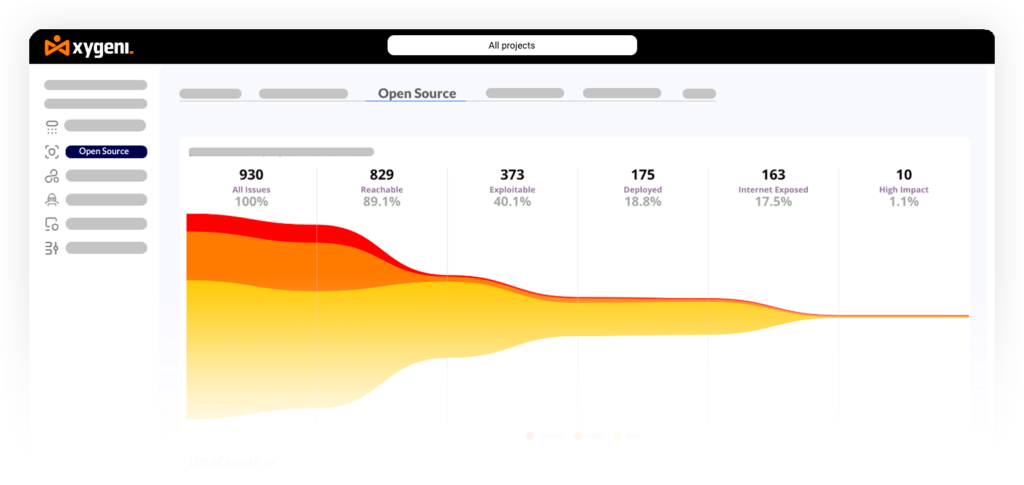
- මධ්යගත දෘශ්යතාව: සියලුම සොයාගැනීම්: SAST, SCA, IaC, සහ රහස්, එක ඒකාබද්ධව දිස්වේ dashboard. එහි ප්රතිඵලයක් ලෙස, DevSecOps කණ්ඩායම් වලට ප්රගතිය නිරීක්ෂණය කිරීමට, සූරාකෑමේ හැකියාව අනුව ප්රමුඛත්වය දීමට සහ ශබ්දය අවම මට්ටමක තබා ගැනීමට හැකිය.
එය විනිවිද යාමේ පරීක්ෂණයට අනුපූරක වන ආකාරය
නමුත් අවදානම් ස්කෑන් කිරීම vs විනිවිද යාම පරීක්ෂාව බොහෝ විට තරඟයක් ලෙස පෙනුනත්, ක්රම දෙකම අනුපූරක වේ.
ස්කෑනරයක් පළල සහ වේගය ආවරණය කරන අතර, a විනිවිද යාමේ පරීක්ෂණය සන්දර්භය සහ ගැඹුර සපයයි.
සමඟ සයිජෙනි අවදානම් ස්කෑනරය, ඔබට අඛණ්ඩ ස්කෑන් කිරීමක් පවත්වා ගත හැකි අතර අතින් හෝ කාලසටහන්ගත පරීක්ෂණ හරහා ප්රතිඵල වලංගු කළ හැකිය.
උදාහරණයක් වශයෙන්:
- සෑම අවස්ථාවකම ස්වයංක්රීය අවදානම් ස්කෑන් ක්රියාත්මක කරන්න pull request.
- වේදිකාගත කිරීමේදී සැහැල්ලු පෑන පරීක්ෂණ සමඟ ප්රධාන සොයාගැනීම් වලංගු කරන්න.
- සමඟ ස්වයංක්රීය නිවැරදි කිරීම් සයිජෙනි බොට් වේගවත්, ආරක්ෂිත ප්රතිකර්ම සඳහා.
මෙම කාර්ය ප්රවාහය අතර විවාදය සහතික කරයි විනිවිද යාමේ පරීක්ෂාව vs අවදානම් ස්කෑන් කිරීම අතුරුදහන් වේ, මන්ද ඔබට ස්කෑන් කිරීමෙන් වේගය සහ පරීක්ෂා කිරීමෙන් සහතික කිරීම යන දෙකම ලැබේ.
නිගමනය: විනිවිද යාම පරීක්ෂා කිරීම එදිරිව අවදානම් පරිලෝකනය එකට හොඳින් ක්රියා කරන්නේ ඇයි?
අවසාන වශයෙන්, අවට සංවාදය විනිවිද යාමේ පරීක්ෂාව vs අවදානම් ස්කෑන් කිරීම එකක් හෝ අනෙකක් තෝරා ගැනීම ගැන නොවේ, එය දෙකම බුද්ධිමත්ව ඒකාබද්ධ කිරීම ගැන ය.
අවදානම් ස්කෑන් කිරීම vs විනිවිද යාම පරීක්ෂාව ස්වයංක්රීය දෘශ්යතාව සහ සැබෑ ලෝක වලංගුකරණය සහජීවනයෙන් පවතින විට පමණක් ඵලදායී වේ.
වැනි මෙවලම් සමඟ ඒකාබද්ධ කළ විට සයිජෙනි අවදානම් ස්කෑනරය, ශේෂය සුමට වේ:
- අඛණ්ඩව ස්කෑන් කරන්න ප්රතිගමන වැළැක්වීම සඳහා.
- වරින් වර පරීක්ෂා කරන්න ඔරොත්තු දීමේ හැකියාව තහවුරු කිරීමට.
- ස්වයංක්රීයව නිවැරදි කරන්න බෙදා හැරීමේ වේගය පවත්වා ගැනීමට.
තවද, මෙම ඒකාබද්ධ ආකෘතිය සෑම අවදානම් ස්කෑන් එදිරිව විනිවිද යාමේ පරීක්ෂණය එකිනෙකාට අනුපූරක වේ. ස්කෑන් කිරීම අඛණ්ඩ අවබෝධයක් ලබා දෙන අතර, පරීක්ෂාව සැබෑ සූරාකෑමේ හැකියාව තහවුරු කරයි.
අවසානයේ, විනිවිද යාමේ පරීක්ෂාව vs අවදානම් ස්කෑන් කිරීම සංවර්ධන කණ්ඩායම්වලට ඔවුන්ගේ සම්පූර්ණ ආරක්ෂාව සඳහා එක්ව උදව් කරන්න SDLC, මූලාශ්ර කේතයේ සිට නිෂ්පාදනය දක්වා, කඩිසර බව නැති නොකර.
කර්තෘ ගැන
ලියන ලද්දේ ෆාතිමා Said, යෙදුම් ආරක්ෂාව පිළිබඳ විශේෂඥ අන්තර්ගත අලෙවිකරණ කළමනාකරු සයිජෙනි ආරක්ෂාව.
Fátima විසින් AppSec හි සංවර්ධක-හිතකාමී, පර්යේෂණ-පාදක අන්තර්ගතයන් නිර්මාණය කරයි, ASPM, සහ DevSecOps. ඇය සංකීර්ණ තාක්ෂණික සංකල්ප පැහැදිලි, ක්රියාකාරී තීක්ෂ්ණ බුද්ධියක් බවට පරිවර්තනය කරන අතර එමඟින් සයිබර් ආරක්ෂණ නවෝත්පාදනය ව්යාපාරික බලපෑම සමඟ සම්බන්ධ කරයි.