


Các doanh nghiệp phải đối mặt với nhiều mối đe dọa, từ rò rỉ dữ liệu đến các cuộc tấn công mạng, có thể làm lộ ra những điểm yếu về bảo mật. Đó là lý do tại sao công cụ quản lý lỗ hổng bảo mật trở nên thiết yếu – nó giúp các tổ chức xác định, đánh giá và khắc phục những điểm yếu này trước khi chúng bị khai thác. Với việc các ứng dụng hiện đại ngày càng dựa vào các thành phần mã nguồn mở, quản lý lỗ hổng bảo mật mã nguồn mở cũng trở nên quan trọng, đảm bảo rằng các phụ thuộc này không gây ra thêm rủi ro.
Chỉ trong 2023, hơn 29,000 lỗ hổng bảo mật (CVE) Các vụ tấn công mạng đã được báo cáo trên toàn cầu, tăng 15% so với năm trước. Điều thú vị là, chỉ có 0.5% trong số đó có mã khai thác có thể dùng làm vũ khí, cho thấy tầm quan trọng của việc tập trung vào các lỗ hổng có rủi ro cao. Thêm vào đó, 84% các công ty có lỗ hổng bảo mật rủi ro cao. Trên các vùng biên mạng của họ vào năm 2024, nhiều vấn đề trong số đó có thể đã được khắc phục bằng các bản cập nhật thường xuyên.
Quản lý lỗ hổng bảo mật là gì?
Quản lý lỗ hổng bảo mật Bảo mật bao gồm việc xác định, đánh giá và khắc phục các điểm yếu bảo mật trong hệ thống, ứng dụng và mạng của bạn. Đây là một quy trình liên tục, không phải là hoạt động một lần. Bằng cách liên tục quét tìm các lỗ hổng và khắc phục chúng kịp thời, bạn bảo vệ doanh nghiệp của mình khỏi các cuộc tấn công tiềm tàng.
Với việc ngày càng nhiều công ty sử dụng phần mềm mã nguồn mở, việc quản lý rủi ro liên quan đến các thành phần mã nguồn mở trở nên thiết yếu. Mã nguồn mở có thể đẩy nhanh quá trình phát triển, nhưng cũng có thể gây ra các lỗ hổng bảo mật nếu không được quản lý đúng cách. Điều này khiến việc quản lý lỗ hổng bảo mật mã nguồn mở trở thành một phần quan trọng của bất kỳ chiến lược bảo mật toàn diện nào.
Tìm hiểu thêm về nó đây.
Tại sao bạn cần một công cụ quản lý lỗ hổng bảo mật?
Công cụ quản lý lỗ hổng bảo mật tự động hóa việc phát hiện, theo dõi và khắc phục các lỗ hổng trên toàn bộ cơ sở hạ tầng của bạn. Các công cụ này quét các hệ thống, mạng và các thành phần phụ thuộc mã nguồn mở, cung cấp thông tin chi tiết theo thời gian thực về các lỗ hổng bảo mật. Tự động hóa các tác vụ này giúp bạn giảm thiểu rủi ro, tiết kiệm thời gian và bảo vệ doanh nghiệp khỏi các cuộc tấn công mạng.
Đây là lý do tại sao những công cụ này lại cần thiết:
- quét tự động Giảm thiểu công việc thủ công và sai sót của con người.
- Giám sát liên tục Giúp hệ thống của bạn luôn được cập nhật về các rủi ro tiềm ẩn.
- Ưu tiên Tập trung sự chú ý của bạn vào các lỗ hổng nghiêm trọng trước tiên.
- Báo cáo chi tiết Giúp theo dõi tiến độ và đảm bảo tuân thủ các quy định.
Các tính năng chính của một công cụ quản lý lỗ hổng bảo mật tốt
Khi lựa chọn công cụ quản lý lỗ hổng bảo mật mã nguồn mở, hãy cân nhắc những tính năng thiết yếu sau:
Quét tự động
Quét liên tục là yếu tố then chốt để xác định các lỗ hổng bảo mật trong thời gian thực. Việc quét thường xuyên đảm bảo rằng các điểm yếu được phát hiện sớm và vá lỗi trước khi chúng trở thành vấn đề nghiêm trọng.
Ưu tiên rủi ro
Không phải tất cả các lỗ hổng đều gây ra mức độ rủi ro như nhau. Các công cụ có ưu tiên rủi ro Giúp bạn giải quyết những vấn đề nguy hiểm nhất trước tiên, đảm bảo các lỗ hổng nghiêm trọng được khắc phục nhanh chóng.
Tích hợp với các công cụ bảo mật khác
Một công cụ quản lý lỗ hổng bảo mật mạnh mẽ cần tích hợp với cơ sở hạ tầng bảo mật hiện có của bạn, chẳng hạn như SIEM, tường lửa và hệ thống phát hiện xâm nhập. Điều này đảm bảo quy trình làm việc liền mạch và tư thế bảo mật tổng thể mạnh mẽ hơn.
Báo cáo và phân tích
Các báo cáo rõ ràng, dễ thực hiện giúp theo dõi các lỗ hổng, đánh giá rủi ro và đảm bảo tuân thủ các quy định về bảo mật. standardCác tiêu chuẩn như PCI-DSS và HIPAA. Báo cáo tùy chỉnh giúp dễ dàng đáp ứng các nhu cầu kinh doanh cụ thể.
Khả năng khắc phục
Hãy tìm kiếm các công cụ cung cấp khả năng tự động khắc phục hoặc đưa ra các đề xuất sửa lỗi. Điều này giúp đơn giản hóa quá trình khắc phục và đảm bảo các lỗ hổng được vá nhanh chóng.
Tuân thủ và hỗ trợ quy định
Nếu tổ chức của bạn hoạt động trong một ngành được quản lý chặt chẽ, công cụ của bạn cần hỗ trợ việc tuân thủ các quy định. standardnhư NIST, CISCác chứng nhận như PCI-DSS và OWASP giúp doanh nghiệp của bạn duy trì các nghĩa vụ pháp lý và an ninh.
Tăng cường SCA với Xygeni Open Source Security
Tải xuống bản tóm tắt của chúng tôi để xem cách chúng tôi bảo vệ các thư viện mã nguồn mở của bạn khỏi các lỗ hổng và mối đe dọa.
Tầm quan trọng của quản lý lỗ hổng bảo mật mã nguồn mở
Khi các tổ chức ngày càng áp dụng các thành phần mã nguồn mở để tăng tốc quá trình phát triển, họ cũng phải đối mặt với những rủi ro tiềm tàng liên quan đến các thành phần này. Quản lý lỗ hổng bảo mật mã nguồn mở là rất quan trọng để đảm bảo tổ chức của bạn không bị phơi nhiễm với các lỗ hổng bảo mật trong các thư viện hoặc các thành phần phụ thuộc của bên thứ ba. Các lỗ hổng mã nguồn mở có thể dẫn đến những vi phạm nghiêm trọng nếu không được quản lý hiệu quả, đó là lý do tại sao việc hiểu rõ các lỗ hổng phổ biến và áp dụng các biện pháp tốt nhất là điều cần thiết để giảm thiểu rủi ro.
Bằng cách thường xuyên quét các thành phần mã nguồn mở và tự động cập nhật bản vá, các tổ chức có thể bảo vệ hệ thống của mình khỏi các cuộc tấn công và đảm bảo rằng những lợi ích của phần mềm mã nguồn mở không phải trả giá bằng sự thiếu an toàn.
Công cụ quản lý lỗ hổng bảo mật của Xygeni: Một giải pháp toàn diện
XygeniCông cụ quản lý lỗ hổng bảo mật của Xygeni cung cấp khả năng hiển thị toàn diện, ưu tiên hóa và khắc phục sự cố trên toàn bộ môi trường phát triển và triển khai phần mềm của bạn. Dưới đây là lý do tại sao Xygeni nổi bật:
Phát hiện lỗ hổng toàn diện
Nền tảng của Xygeni quét nhiều lỗ hổng bảo mật, bao gồm cả các vấn đề nghiêm trọng như tấn công SQL injection và lỗ hổng giải mã dữ liệu. Nó hỗ trợ nhiều ngôn ngữ lập trình, chẳng hạn như Java, JavaScript, Python và PHP, đảm bảo phạm vi bao phủ rộng khắp hệ thống công nghệ của bạn.
Phân tích khả năng tiếp cận
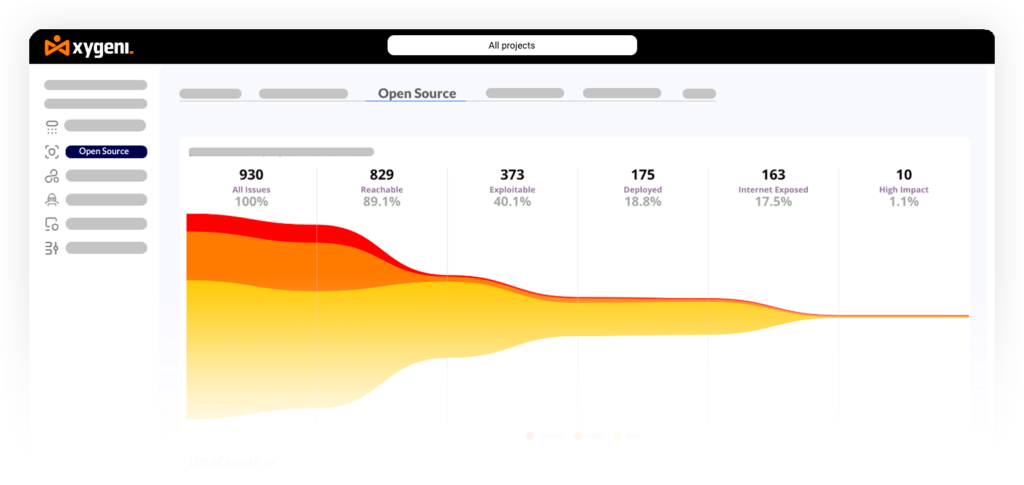
Công cụ của Xygeni bao gồm Phân tích khả năng tiếp cậnTính năng này giúp xác định xem một lỗ hổng có thể bị khai thác trong ngữ cảnh ứng dụng của bạn hay không. Nó giúp ưu tiên dựa trên rủi ro thực tế, nhờ đó nhóm của bạn tập trung vào các lỗ hổng cấp bách nhất. Nếu công cụ không thể xác định chắc chắn khả năng khai thác, nó sẽ khuyến nghị xem xét thủ công để đảm bảo không bỏ sót bất cứ điều gì.
Các khuyến nghị tự động khắc phục sự cố
Xygeni đơn giản hóa quá trình khắc phục bằng cách đưa ra các đề xuất Tự động Khắc phục cho các lỗ hổng được phát hiện. Nó đề xuất các phiên bản an toàn hơn của các thư viện (chẳng hạn như nâng cấp jackson-databind để ngăn chặn các cuộc tấn công SSRF) và tự động hóa quá trình vá lỗi khi có thể, tiết kiệm thời gian và giảm thiểu công sức thủ công.
Ưu tiên rủi ro dựa trên ngữ cảnh
Tính năng ưu tiên theo ngữ cảnh của Xygeni giúp nhóm của bạn tập trung vào các lỗ hổng quan trọng nhất dựa trên khả năng tiếp cận, khả năng khai thác và tác động đến hoạt động kinh doanh. Điều này giúp giảm thiểu tình trạng "mệt mỏi vì cảnh báo" và đảm bảo nhóm của bạn giải quyết các vấn đề có rủi ro cao nhất trước tiên.
Cảnh báo và giám sát thời gian thực
Nền tảng này cung cấp cảnh báo theo thời gian thực về các lỗ hổng mới hoặc các cuộc tấn công được phát hiện, đảm bảo nhóm của bạn có thể phản ứng ngay lập tức. Giám sát liên tục giúp bạn luôn đi trước các mối đe dọa mới nổi.
Thông tin chi tiết về các lỗ hổng bảo mật
Đối với mỗi lỗ hổng bảo mật, Xygeni cung cấp những phân tích chuyên sâu, bao gồm:
- CVSS và EPSS điểm để đánh giá mức độ nghiêm trọng và khả năng bị khai thác.
- Các danh mục CWE để hiểu rõ loại lỗ hổng bảo mật.
- Đánh giá tác động vì những rủi ro liên quan đến tính bảo mật, tính toàn vẹn và tính khả dụng.
- Liên kết đến tư vấn và nguồn Để nghiên cứu thêm.
Hội nhập với CI/CD Pipelines
Xygeni tích hợp liền mạch với CI/CD pipelinesNó cung cấp các kiểm tra bảo mật liên tục trong suốt vòng đời phát triển. Nó phát hiện các lỗ hổng sớm, cho phép các nhóm khắc phục chúng trước khi sản phẩm được đưa vào sử dụng, tiết kiệm thời gian và nguồn lực quý giá.
Tuân thủ và Báo cáo
Xygeni giúp các tổ chức đáp ứng các yêu cầu pháp lý như OWASP, CISNIST và PCI-DSS. Các công cụ báo cáo mạnh mẽ của nó giúp việc theo dõi các lỗ hổng và đảm bảo tuân thủ dễ dàng hơn, cung cấp cái nhìn rõ ràng về tình trạng bảo mật của bạn.
Quản lý lỗ hổng bảo mật phù hợp như thế nào với chiến lược an ninh của bạn?
Một công cụ quản lý lỗ hổng bảo mật mạnh mẽ đóng vai trò thiết yếu trong chiến lược bảo mật tổng thể của bạn. Bằng cách tích hợp quản lý lỗ hổng bảo mật với các công cụ khác, chẳng hạn như hệ thống SIEM, hệ thống phát hiện xâm nhập và tường lửa, bạn tạo ra một phương pháp toàn diện hơn để bảo vệ doanh nghiệp của mình. Những công cụ này bổ sung cho nhau, giúp bạn luôn đi trước các mối đe dọa tiềm tàng và đảm bảo tư thế bảo mật của bạn luôn vững chắc.
Các phương pháp tốt nhất để triển khai công cụ quản lý lỗ hổng bảo mật
Để tận dụng tối đa công cụ quản lý lỗ hổng bảo mật, hãy tuân theo các phương pháp tốt nhất sau:
Cập nhật công cụ thường xuyên
Hãy đảm bảo cơ sở dữ liệu lỗ hổng bảo mật của bạn luôn được cập nhật. Điều này giúp bạn nắm bắt được các mối đe dọa mới nhất và duy trì các bản quét toàn diện.
Giám sát liên tục
Hãy thiết lập công cụ của bạn để giám sát các lỗ hổng bảo mật liên tục. Điều này đảm bảo bạn phát hiện ra các rủi ro mới ngay khi chúng xuất hiện và phản ứng nhanh chóng.
Hợp tác giữa các nhóm
Phối hợp với các nhóm CNTT, bảo mật và phát triển để tối ưu hóa việc khắc phục lỗ hổng bảo mật. Sự hợp tác sớm giúp giải quyết các lỗ hổng trước khi chúng ảnh hưởng đến hoạt động sản xuất.
Cho Đào tạo liên tục
Thường xuyên đào tạo nhân viên về cách sử dụng công cụ và tầm quan trọng của việc quản lý lỗ hổng bảo mật. Việc cập nhật thông tin cho nhóm của bạn về các mối đe dọa mới sẽ giúp cải thiện an ninh mạng.
Cách chọn công cụ quản lý lỗ hổng bảo mật phù hợp cho doanh nghiệp của bạn
Dưới đây là danh sách kiểm tra giúp bạn chọn công cụ phù hợp với nhu cầu của mình:
Quy mô của tổ chức
- Đối với các doanh nghiệp nhỏ, hãy tìm một công cụ dễ triển khai và quản lý.
- Lớn hơn enterpriseNgười dùng sẽ được hưởng lợi từ các tính năng nâng cao như báo cáo chi tiết và khắc phục sự cố tự động.
Loại cơ sở hạ tầng
- Dựa trên đám mâyĐảm bảo công cụ hoạt động với AWS, Azure, hoặc là Google Cloud.
- On-premisesHãy chọn một công cụ tích hợp tốt với mạng nội bộ của bạn.
- Hỗn hợpĐảm bảo công cụ hỗ trợ cả hai môi trường để có phạm vi bảo mật nhất quán.
Yêu cầu quy định
Chọn một công cụ hỗ trợ việc tuân thủ các quy định. standardCác tiêu chuẩn như PCI-DSS, HIPAA hoặc NIST giúp bạn tuân thủ các quy định của ngành.
Ngân sách
So sánh các công cụ dựa trên mô hình định giá (theo người dùng, theo tài sản hoặc phí cố định) và đảm bảo chi phí phù hợp với các tính năng được cung cấp.
Hỗ trợ và Tài liệu
Hãy đảm bảo công cụ đó cung cấp dịch vụ hỗ trợ khách hàng mạnh mẽ, tài liệu đào tạo và hướng dẫn chi tiết để giúp nhóm của bạn nhanh chóng làm quen với công cụ mới.
Tăng cường bảo mật của bạn với công cụ quản lý lỗ hổng bảo mật phù hợp.
Quản lý lỗ hổng bảo mật Bảo mật mạng không còn là tùy chọn nữa—mà là yếu tố then chốt để giữ an toàn cho doanh nghiệp của bạn. Công cụ phù hợp giúp bạn luôn đi trước các mối đe dọa mạng, khắc phục các lỗ hổng nhanh chóng và duy trì sự tuân thủ các tiêu chuẩn ngành. standards.
Công cụ quản lý lỗ hổng bảo mật của Xygeni cung cấp mọi thứ bạn cần để bảo vệ doanh nghiệp của mình. Với các tính năng như giám sát thời gian thực, phân tích khả năng truy cập và khắc phục tự động, nó giúp tối ưu hóa quy trình bảo mật của bạn. Nó giảm thiểu công việc thủ công và đảm bảo nhóm của bạn tập trung vào các vấn đề quan trọng nhất.
Quản lý lỗ hổng bảo mật không chỉ đơn thuần là tìm kiếm rủi ro. Đó là việc hành động để bảo vệ doanh nghiệp của bạn trước khi kẻ tấn công ra tay. Với Xygeni, bạn có thể tăng cường khả năng phòng thủ, cải thiện sự hợp tác và bảo mật phần mềm mã nguồn mở cũng như phần mềm độc quyền của mình.
Bạn đã sẵn sàng nắm quyền kiểm soát an ninh của mình chưa?
Yêu cầu bản demo của Công cụ Quản lý Lỗ hổng Bảo mật của Xygeni Hãy tìm hiểu ngay hôm nay và xem nó có thể bảo vệ doanh nghiệp của bạn khỏi các mối đe dọa đang phát triển như thế nào.
Tải bản demo ngay! và bắt đầu xây dựng một tương lai an toàn hơn cho tổ chức của bạn!