





TL; កុង
CVE security is the practice of tracking, prioritizing and remediating vulnerabilities using CVE identifiers, the standardized IDs assigned to publicly known software flaws. The naming layer works. The analysis layer underneath it no longer keeps pace, and a growing share of real threats never enters the system at all.
- The volume outgrew the analysis. 48,185 CVEs were published in 2025, roughly 131 a day, and submissions grew 263% between 2020 and 2025. The identifiers scaled. The enrichment did not.
- NVD stopped enriching everything. Since April 2026, NIST enriches only CVEs meeting defined criteria. Around 29,000 backlogged records were reclassified as not scheduled. If your prioritization waits for an NVD CVSS score, a growing share of CVEs will never give you one.
- The funding scare closed, the dependency did not. CISA renewed the program after the April 2025 near-lapse, but the single-sponsor structure that caused the scare is unchanged, and the CVE Foundation exists because of it.
- Not every threat gets a CVE. A malicious package is an artifact published to cause harm, not a flaw in good-faith code. No advisory, no score, usually no identifier. A programme built on CVE ingestion is blind to it by design.
- Prioritize on context, not on the identifier. Reachability, exploit availability, EPSS and business impact rank a finding whether or not the CVE record ever arrives complete.
CVE security is the practice of tracking, prioritizing, and remediating vulnerabilities using CVE identifiers, the standardized IDs assigned to publicly known software flaws. It works because everyone uses the same names. It is under strain because the volume has outgrown the infrastructure: 48,185 CVEs were published in 2025, and as of April 2026 the National Vulnerability Database no longer enriches all of them.
This article covers what CVE security does well, where it now fails, and what to prioritize on when a CVE ID or a CVSS score is late, missing, or absent by design.
ទីមួយ៖ តើ CVE ក្នុងសន្តិសុខតាមអ៊ីនធឺណិតជាអ្វី?
នេះជាសំណួរសំខាន់មួយ៖ តើ cve ជាអ្វីនៅក្នុងសន្តិសុខតាមអ៊ីនធឺណិត?
CVE តំណាងឱ្យ Common Vulnerabilities and Exposures (ភាពងាយរងគ្រោះ និងការប៉ះពាល់ទូទៅ)។ វាគឺជា... standardឧបករណ៍កំណត់អត្តសញ្ញាណដែលបានកំណត់ទៅឱ្យភាពងាយរងគ្រោះនៃកម្មវិធីដែលគេស្គាល់។ ជំនួសឱ្យការធ្វើជាមូលដ្ឋានទិន្នន័យ ឬពិន្ទុហានិភ័យខ្លួនឯង CVE គ្រាន់តែផ្តល់ឱ្យភាពងាយរងគ្រោះសាធារណៈនីមួយៗនូវឧបករណ៍កំណត់អត្តសញ្ញាណតែមួយគត់ ដូចជា CVE-2025-XXXX។ នេះអនុញ្ញាតឱ្យមានការតាមដានជាប់លាប់នៅទូទាំងឧបករណ៍ ការណែនាំ និងលំហូរការងារជួសជុល។
បន្ទាប់មក តើ CVE នៅក្នុងសន្តិសុខតាមអ៊ីនធឺណិតជាអ្វី? ជាទូទៅ វាគឺជាអនុសញ្ញាដាក់ឈ្មោះដែលធានាថាក្រុមនីមួយៗនិយាយអំពីបញ្ហាដូចគ្នា និងប្រើភាសាដូចគ្នា។ នេះជារឿងសំខាន់នៅពេលសម្របសម្រួលការឆ្លើយតបនៅទូទាំងសន្តិសុខ ការអភិវឌ្ឍន៍ និងប្រតិបត្តិការ។ ប្រសិនបើអ្នកចង់បានបន្ថែម ចូលមើលសទ្ទានុក្រមរបស់យើង។
តួនាទីរបស់ CVE Security នៅក្នុង DevSecOps
នៅក្នុង DevSecOps, pipelines និងឧបករណ៍ត្រូវតែធ្វើការរួមគ្នាដើម្បីកំណត់ និងដោះស្រាយភាពងាយរងគ្រោះ នៅពេលដែលកូដផ្លាស់ទីពីការអភិវឌ្ឍន៍ទៅផលិតកម្ម។ តើអ្វីជាកាវសម្រាប់ប្រព័ន្ធអេកូឡូស៊ីនេះ? សុវត្ថិភាព CVE៖
- ម៉ាស៊ីនស្កេនភាពងាយរងគ្រោះ៖ រកឃើញចំណុចខ្វះខាត ហើយផ្គូផ្គងពួកវាទៅនឹងឧបករណ៍កំណត់អត្តសញ្ញាណ CVE
- ប្រព័ន្ធគ្រប់គ្រងបំណះ៖ ពួកគេប្រើលេខសម្គាល់ CVE ដើម្បីធ្វើស្វ័យប្រវត្តិកម្មការកែតម្រូវ
- វេទិកាស៊ើបការណ៍សម្ងាត់គំរាមកំហែង៖ វេទិកាទាំងនោះពង្រឹង CVE ជាមួយនឹងទិន្នន័យកេងប្រវ័ញ្ច ភាពធ្ងន់ធ្ងរ និងសកម្មភាព។
- ការរាយការណ៍អំពីការអនុលោមតាមច្បាប់៖ ពួកគេពឹងផ្អែកលើការតាមដានការប៉ះពាល់ទៅនឹង CVE ជាក់លាក់
បើគ្មានឧបករណ៍កំណត់អត្តសញ្ញាណដែលបានចែករំលែកទេ ឧបករណ៍ទាំងនេះនឹងបរាជ័យក្នុងការទំនាក់ទំនងប្រកបដោយប្រសិទ្ធភាព។ នេះធ្វើឱ្យសុវត្ថិភាព CVE មិនត្រឹមតែមានប្រយោជន៍ប៉ុណ្ណោះទេ ប៉ុន្តែវាក៏ចាំបាច់សម្រាប់ការធ្វើសមាហរណកម្ម និងការផ្តល់ជូនជាបន្តបន្ទាប់ផងដែរ។
វិបត្តិគ្រប់គ្រងភាពងាយរងគ្រោះ៖ បញ្ហាជាមួយ CVE
គោលគំនិតនៃ CVE ក្នុងសន្តិសុខតាមអ៊ីនធឺណិតគឺរឹងមាំ ប៉ុន្តែការអនុវត្តកាន់តែផុយស្រួយ។ CSA ថ្មីៗនេះបានគូសបញ្ជាក់ពីចំណុចនេះនៅក្នុងប្លក់មួយដែលមានចំណងជើងថា A វិបត្តិគ្រប់គ្រងភាពងាយរងគ្រោះ៖ បញ្ហាជាមួយ CVE។ ការវិភាគនេះបង្ហាញពីបញ្ហាសំខាន់ៗចំនួនបី៖
- ការពន្យារពេល និងភាពមិនស៊ីសង្វាក់គ្នា៖ កម្មវិធី CVE ពិបាកក្នុងការកំណត់អត្តសញ្ញាណឲ្យបានរហ័ស ជាពិសេសសម្រាប់ ចំណុចខ្សោយប្រភពបើកចំហ។ ជាលទ្ធផល ក្រុមនានាច្រើនតែខ្វះឧបករណ៍កំណត់អត្តសញ្ញាណទាន់ពេលវេលា ដែលធ្វើឱ្យការតម្រៀប និងការបិទភ្ជាប់មានល្បឿនយឺត។
- ការគ្របដណ្តប់មិនពេញលេញ៖ ចំណុចខ្សោយជាច្រើនមិនត្រូវបានរាយបញ្ជីនៅក្នុងមូលដ្ឋានទិន្នន័យ CVE ទេ។ នេះបន្សល់ទុកចន្លោះប្រហោងក្នុងការរកឃើញ និងបើកឱកាសឱ្យអង្គការនានាប្រឈមមុខនឹងហានិភ័យដែលមិនបានត្រួតពិនិត្យ។
- ភាពផុយស្រួយនៃការពឹងផ្អែក៖ ប្រព័ន្ធអេកូឡូស៊ីបានពឹងផ្អែកខ្លាំងពេកលើចំណុចពិតតែមួយ។ នៅពេលដែលការចាត់តាំង CVE ត្រូវបានពន្យារពេល ឬមិនអាចប្រើបាន ការគ្រប់គ្រងភាពងាយរងគ្រោះទាំងមូល pipeline ត្រូវបានរំខាន
បញ្ហាជាប្រព័ន្ធទាំងនេះជាមួយសន្តិសុខ CVE បង្ហាញពីរឿងសំខាន់មួយ៖ តម្រូវការបន្ទាន់សម្រាប់ការធ្វើទំនើបកម្ម និងវិធីសាស្រ្តជំនួសផ្សេងទៀត។ ការយល់ដឹងអំពីដែនកំណត់ទាំងនេះជួយក្រុមសន្តិសុខជៀសវាងចំណុចខ្វះខាត និងអភិវឌ្ឍការអនុវត្តដ៏រឹងមាំជាងមុន។ ទស្សនាការសន្ទនាពាក់ព័ន្ធរបស់យើងនៅលើ YouTube!
បញ្ហាប្រឈមជាមួយ CVE ក្នុងសន្តិសុខតាមអ៊ីនធឺណិត
ភាពស្មុគស្មាញកាន់តែខ្លាំងឡើងនៃការអភិវឌ្ឍន៍កម្មវិធីបានលើសពីសមត្ថភាពនៃប្រព័ន្ធ CVE ប្រពៃណី។ បញ្ហាប្រឈមជាច្រើនឥឡូវនេះកំណត់ទេសភាពនៃ CVE ក្នុងសន្តិសុខតាមអ៊ីនធឺណិត៖
- កម្រិតសម្លេង: CVE was designed for a smaller ecosystem. The program published 48,185 new vulnerabilities in 2025, a 20.6% increase on 2024’s 40,009, and the number of CVE Numbering Authorities reached 484 by January 2026. That is roughly 131 disclosures a day. The naming layer has scaled. The analysis layer has not.
- ចន្លោះប្រហោងបរិបទ៖ CVE ជាច្រើនខ្វះទិន្នន័យអំពីភាពអាចកេងប្រវ័ញ្ច ឬការកំណត់រចនាសម្ព័ន្ធដែលរងផលប៉ះពាល់ ដែលធ្វើឱ្យវាពិបាកក្នុងការកំណត់អាទិភាព។
- ប្រព័ន្ធដាក់ពិន្ទុហួសសម័យ៖ CVSS ដែលជាក្របខ័ណ្ឌដាក់ពិន្ទុដែលភ្ជាប់ទៅនឹង CVE ជាច្រើន ជារឿយៗមិនឆ្លុះបញ្ចាំងពីហានិភ័យក្នុងពិភពពិតទេ។
- Funding and governance: នៅខែមេសា 2025, CISA executed a contract option the night before មីត្រេ agreement expired, after MITRE had notified the CVE board that the government did not intend to renew it. Funding has since been renewed, and CISA now describes the program as fully funded and modernizing. The governance questions have not closed: the CVE board functions largely as an advisory body while MITRE retains final decision-making authority, and requests for access to the MITRE-CISA contract, including a FOIA request, have gone unanswered. The episode also produced the CVE Foundation, a non-profit launched by board members to pursue independence from a single government sponsor.
- Enrichment is no longer universal. On 15 April 2026, NIST changed how the NVD operates. It now enriches only CVEs that meet defined criteria; the rest are listed but marked lowest priority and are not immediately enriched. All backlogged records with an NVD publish date before 1 March 2026 were moved to “Not Scheduled”. That reclassified roughly 29,000 CVEs. NIST’s explanation is arithmetic rather than policy: it enriched nearly 42,000 CVEs in 2025, 45% more than any prior year, and submissions still outpaced it. If your prioritization pipeline waits for an NVD CVSS score, a growing share of new CVEs will never hand you one.
ទាំងអស់នេះផ្ញើសារច្បាស់លាស់មួយមកយើង៖ សុវត្ថិភាព CVE តែមួយមុខលែងគ្រប់គ្រាន់ទៀតហើយ។
Not Every Threat Gets a CVE
The CVE conversation assumes the thing you are tracking is a flaw in code somebody wrote in good faith. A malicious package is not that. It is an artifact built and published to cause harm, and nobody files an advisory against it: there is no CVE, no CVSS score, and usually no identifier at all. It is live for minutes to hours, then removed.
The consequence is uncomfortable. “Does this have a CVE?” returns the same answer for a clean package and for a credential stealer published an hour ago. A programme built entirely on CVE ingestion, severity scoring, and patch windows is structurally blind to an entire attack class, and it is the fastest-growing one.
Detection has to sit at publication rather than at disclosure. Xygeni’s Malware Early Warning analyses newly published packages across npm, PyPI, Maven and other registries at the moment they appear, using behavioural and anomaly analysis rather than waiting for a signature.
តើក្រុម DevSecOps អាចពង្រឹងការអនុវត្តសន្តិសុខ CVE យ៉ាងដូចម្តេច?
ទោះបីជាមានដែនកំណត់ក៏ដោយ CVE ក្នុងសន្តិសុខតាមអ៊ីនធឺណិតនៅតែជា standardប៉ុន្តែក្រុម DevSecOps ត្រូវតែបន្តទៅមុខទៀត។ នៅទីនេះ អ្នកនឹងឃើញយុទ្ធសាស្ត្រចំនួន ៥ ដើម្បីកែលម្អភាពធន់របស់អ្នក៖
- Diversify your sources: Do not build a pipeline with a single point of failure. Alongside NVD and MITRE, use the GitHub Advisory Database, OSV, the EU Vulnerability Database operated by ENISA, and CISA’s KEV catalogue. For European organizations under NIS2, DORA, or CRA reporting duties, a non-US primary source is increasingly a governance question rather than a preference.
- ប្រើការដាក់ពិន្ទុតាមបរិបទ៖ បង្កើនទិន្នន័យ CVE ជាមួយ KEV (ភាពងាយរងគ្រោះដែលគេកេងប្រវ័ញ្ចដែលគេស្គាល់) និង EPSS (ប្រព័ន្ធវាយតម្លៃការព្យាករណ៍ការកេងប្រវ័ញ្ច) ដើម្បីយល់កាន់តែច្បាស់អំពីហានិភ័យ
- ស្វ័យប្រវត្តិកម្មជាមួយ Precision: បង្កើតស្វ័យប្រវត្តិកម្មដែលមិនត្រឹមតែទទួលយក CVE ប៉ុណ្ណោះទេ ប៉ុន្តែអនុវត្តតក្កវិជ្ជាដោយផ្អែកលើការប្រើប្រាស់ ការប៉ះពាល់ និងការរិះគន់។
- ក្រុមអភិវឌ្ឍន៍អប់រំ៖ អ្នកអភិវឌ្ឍន៍ត្រូវដឹងមិនត្រឹមតែ CVE ជាអ្វីនៅក្នុងសន្តិសុខតាមអ៊ីនធឺណិតប៉ុណ្ណោះទេ ប៉ុន្តែថែមទាំងរបៀបបកស្រាយ និងធ្វើសកម្មភាពលើទិន្នន័យ CVE នៅក្នុងលំហូរការងាររបស់ពួកគេផងដែរ។
- ចូលរួមចំណែកដល់ការបើក Standards: អង្គការនានាអាចជួយកែលម្អសុវត្ថិភាព CVE ដោយក្លាយជាអាជ្ញាធរលេខរៀង CVE (CNAs) ឬចូលរួមចំណែកដល់មូលដ្ឋានទិន្នន័យបើកចំហ។
ឡូហ្គូសមឺរដូសអង្គុយនៅលើអែប។ Ut elit tellus, luctus nec ullamcorper mattis, pulvinar dapibus leo ។
អនាគតរបស់ CVE នៅក្នុងពិភព DevSecOps
បញ្ហាប្រឈមជាមួយ CVE ក្នុងសន្តិសុខតាមអ៊ីនធឺណិតមិនមានន័យថាប្រព័ន្ធនេះហួសសម័យនោះទេ។ អ្វីដែលពួកគេបង្ហាញគឺជាតម្រូវការសម្រាប់ការវិវត្តន៍។ ថ្នាក់ដឹកនាំសន្តិសុខ និងអ្នកអនុវត្ត DevSecOps ត្រូវយល់ទាំងពីរ៖ អំណាច និងគុណវិបត្តិនៃសន្តិសុខ CVE ដើម្បីបង្កើតយុទ្ធសាស្ត្រដ៏រឹងមាំ និងត្រៀមខ្លួនសម្រាប់អនាគត។
មិនថាតាមរយៈស្វ័យប្រវត្តិកម្មដ៏ឆ្លាតវៃជាងមុន បរិបទគំរាមកំហែងដ៏សម្បូរបែប ឬការចូលរួមក្នុងកិច្ចខិតខំប្រឹងប្រែងរបស់សហគមន៍នោះទេ ផ្លូវឆ្ពោះទៅមុខគឺអាស្រ័យលើការទទួលស្គាល់ថា អ្វីដែលជា CVE ក្នុងសន្តិសុខតាមអ៊ីនធឺណិតគឺគ្រាន់តែជាការចាប់ផ្តើមប៉ុណ្ណោះ។ គោលបំណងពិតប្រាកដគឺដើម្បីបង្កើតប្រព័ន្ធដែលផ្លាស់ប្តូរពីការកំណត់អត្តសញ្ញាណទៅជាការការពារតាមបរិបទ និងពេលវេលាជាក់ស្តែង។
How Xygeni Strengthens CVE Security
ស៊ីហ្គេនី does not assume the CVE record will arrive complete or on time.
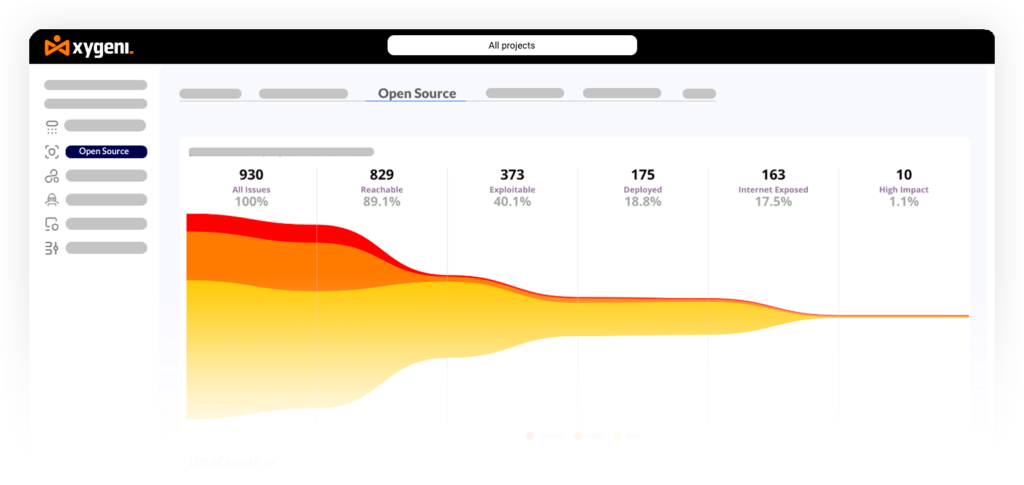
- Prioritization that does not depend on NVD enrichment. Reachability analysis at the function level determines whether execution in your application can actually reach the vulnerable code, which cuts false positives by up to 70%. Exploit availability, EPSS, and business context sit alongside it as configurable stages in a prioritization funnel, up to eight of them. A finding with no NVD CVSS score still gets ranked.
- Coverage for what has no CVE. Malware Early Warning detects malicious packages at publication, before a signature or an advisory exists.
- One queue, including tools you already run. ASPM ingests findings from third-party scanners and applies the same triage, explanation, and remediation to them as to native findings. You are not replacing a stack to gain prioritization.
- Remediation with the consequences visible. For every vulnerable dependency, Xygeni shows which vulnerabilities the upgrade resolves, which new ones it introduces, and whether the version jump breaks your code, then opens the pull request.
- Evidence for the regulation. SBOM and VDR output in SPDX and CycloneDX, the artifacts CRA, NIS2, and DORA ask for.
សេចក្តីសន្និដ្ឋាន៖ ការការពារអនាគតរបស់អ្នកជាមួយនឹងយុទ្ធសាស្ត្រការពារ CVE ដ៏ឆ្លាតវៃជាងមុន
សន្តិសុខ CVE នឹងនៅតែជាចំណុចកណ្តាលនៃការតាមដានភាពងាយរងគ្រោះ និងការសម្របសម្រួលនៅទូទាំងក្រុមនានា។ អ្នកលក់ និងឧបករណ៍គ្រប់គ្រងភាពងាយរងគ្រោះ។ គ្មានការសង្ស័យទេអំពីរឿងនោះ។ ប៉ុន្តែប្រព័ន្ធនេះ ដូចដែលវាឈរនៅសព្វថ្ងៃនេះ គឺផុយស្រួយ ងាយនឹងខ្វះចន្លោះថវិកា ការពន្យារពេលការចាត់តាំង និងបរិបទមិនពេញលេញ។ ការទទួលស្គាល់ដែនកំណត់នៃ CVE ក្នុងសន្តិសុខតាមអ៊ីនធឺណិត គឺជាជំហានដំបូងឆ្ពោះទៅរកការគ្រប់គ្រងភាពងាយរងគ្រោះដែលកាន់តែធន់ និងឆ្លាតវៃ។
ក្នុងនាមជាអ្នកជំនាញសន្តិសុខ អ្នកត្រូវតែធ្វើលើសពីការសួរថា CVE ជាអ្វីនៅក្នុងសន្តិសុខតាមអ៊ីនធឺណិត។ អ្នកត្រូវតែវាយតម្លៃពីរបៀបដែលឧបករណ៍ ដំណើរការ និងមនុស្សពឹងផ្អែកលើវា និងរបៀបវិវត្តប្រព័ន្ធទាំងនោះ។ តាមរយៈការធ្វើពិពិធកម្មប្រភពទិន្នន័យ ការពង្រឹងបរិបទភាពងាយរងគ្រោះ និងការកសាងស្វ័យប្រវត្តិកម្មដែលគិតគូរពីភាពខុសប្លែកគ្នា ក្រុម DevSecOps អាចពង្រឹងឥរិយាបថរបស់ពួកគេ និងការពារបានកាន់តែប្រសើរឡើងនូវអ្វីដែលសំខាន់ ដូចដែលយើងបាននិយាយពីមុន។
What is CVE security?
CVE security is the practice of tracking, prioritizing, and remediating vulnerabilities using CVE identifiers, the standardized IDs assigned to publicly known software flaws. A CVE is not a database or a risk score. It is a shared name that lets scanners, patch management, threat intelligence, and compliance reporting refer to the same issue.
Why do some CVEs have no CVSS score?
Because the National Vulnerability Database no longer enriches every record. Since April 2026, NIST has added severity scores and product details only to CVEs meeting defined criteria; the rest are published but marked as lowest priority. Roughly 29,000 backlogged records were reclassified as not scheduled. A missing score means unanalysed, not low risk.
Do all vulnerabilities get a CVE?
No. Many open-source flaws are never assigned one, and an entire threat class sits outside the system by design. Malicious packages are artifacts published to cause harm rather than mistakes in legitimate code, so nobody files an advisory against them. They typically carry no CVE, no score, and no identifier at all.