
Нэвтрэлтийн тест ба эмзэг байдлын сканнер: Хөгжүүлэгчид юу мэдэх хэрэгтэй вэ
Орчин үеийн хөгжил хурдацтай хөгжиж байгаа бөгөөд халдагчид ч мөн адил. Үүний үр дүнд аюулгүй байдлын сул талыг эрт илрүүлж, засах нь сонголт биш болсон. Гэсэн хэдий ч олон багууд холилддог нэвтрэлтийн тест ба эмзэг байдлын сканнер, хоёулаа ижил ажил хийдэг гэж үзвэл. Бодит байдал дээр тэдгээр нь аюулгүй байдлын эрсдэлийн өөр өөр давхаргыг авч үздэг бөгөөд бие биенээ нөхдөг SDLC.
Энэхүү гарын авлагад тус бүр нь хэрхэн ажилладаг, хэзээ ашиглах, орчин үеийн DevSecOps багууд хоёуланг нь тасралтгүй аюулгүй байдлын туршилтаар хэрхэн автоматжуулдаг талаар тайлбарласан болно.
Эмзэг байдлын сканнер гэж юу вэ?
A эмзэг байдлын скан мэдэгдэж буй сул талуудыг систем, код эсвэл хамаарлуудыг автоматаар шалгадаг.
Энэ нь тасралтгүй ажилладаг шиг ажилладаг health checkгэх мэт томоохон мэдээллийн сангуудтай орчингоо харьцуулж байна. NDV.
Эмзэг байдлыг сканнердах хэрэгслүүд дараах зүйлсийг хайдаг:
- Хуучирсан номын сангууд эсвэл контейнерууд
- Нөхөөсүүд дутуу эсвэл буруу тохиргоо
- Мэдэгдэж буй CVE буюу өндөр эрсдэлтэй хамаарал
- Хатуу кодлогдсон нууц эсвэл аюултай кодын хэв маяг
Эдгээр сканнерууд хурдан бөгөөд тогтмол ажилладаг тул хөгжүүлэгчдэд бараг бодит цагийн санал хүсэлтийг өгдөг. Түүнээс гадна, орчин үеийн сканнердах платформууд нь шууд нэгтгэгддэг CI/CD pipelines, GitHub үйлдлүүдболон IDE-үүд.
Товчоор хэлбэл, эмзэг байдлын сканнер багуудад нийтлэг асуудлуудыг үйлдвэрлэлд орохоос нь өмнө эрт илрүүлэхэд тусалдаг.
Нэвтрэх тест гэж юу вэ?
Нэвтрэх шалгалтнөгөө талаас, нь дуураймал халдлага юм.
Зөвхөн мэдэгдэж буй алдаануудыг тодорхойлохын оронд үзэг туршигчид (эсвэл автоматжуулсан хэрэгслүүд) тэдгээрийг идэвхтэй ашиглахыг оролддог. Зорилго нь жинхэнэ халдагч таны орчинд хэрхэн нэвтэрч болохыг үнэлэх явдал юм.
A нэвтрэлтийн туршилт дараахыг агуулж болно:
- Эмзэг API-г ашиглахыг оролдож байна
- Баталгаажуулалт болон хандалтын хяналтыг турших
- Хажуугийн хөдөлгөөнийг дуурайлган олон асуудлыг гинжлэх
- Бизнесийн нөлөөлөл болон өгөгдлийн хүртээмжийг үнэлэх
Эмзэг байдлын сканнердахаас ялгаатай нь нэвтрэлтийн тест нь хүний мэргэжлийн ур чадвар, нөхцөл байдлыг шаарддаг. Тиймээс энэ нь ихэвчлэн байдаг гарын авлага, үечилсэн болон зорилтот, ихэвчлэн томоохон хувилбарууд эсвэл нийцлийн аудитын өмнө хийгддэг.
Нэвтрэлтийн тест ба эмзэг байдлын сканнер: Гол ялгаанууд
| асуудал | Эмзэг байдал | Нүдний шинжилгээ хийх |
|---|---|---|
| Зорилго | Мэдэгдэж буй сул талуудыг автоматаар олох | Бодит ертөнцийн дайралтыг гараар дуурайлган хийх |
| арга барил | Автоматжуулсан ба тасралтгүй | Хүний удирдлагатай, зорилтот |
| Гүн | Гадаргуугийн түвшин, өргөн хүрээтэй хамрах хүрээ | Гүнзгий, төвлөрсөн мөлжлөг |
| давтамж | Долоо хоног бүр эсвэл нэгдсэн commit | Улирал тутам эсвэл томоохон хувилбаруудын өмнө |
| гаралтын | Илэрсэн эмзэг байдлын жагсаалт | Ашиглалтын нотолгоо, нөлөөллийн тайлан, бууруулах зөвлөгөө |
| Хамгийн сайн нь | Тогтмол эрсдэл илрүүлэх болон эрүүл ахуй | Бодит эрсдэлийн баталгаажуулалт ба нийцэл |
Эдгээр ялгааг хэрхэн тайлбарлах вэ
ойлгох нь нэвтрэлтийн тест ба эмзэг байдлын сканнер нарийн төвөгтэй машиныг засвар үйлчилгээ хийхтэй адил юм. Хоёр арга хоёулаа системээ аюулгүй ажиллуулж байгаарай, гэхдээ тэд өөр өөр зорилгоор үйлчилдэг болон өөр өөр гүнд ажиллах.
Эмзэг байдлын скан нь ердийн үзлэг шиг ажилладаг, хурдан, давтагдах боломжтой бөгөөд нийтлэг асуудлуудыг эрт илрүүлэхэд төгс төгөлдөр юм. Энэ нь хуучирсан хамаарал, дутуу засварууд эсвэл аюултай тохиргоог үйлдвэрлэлд гарахаас нь өмнө илрүүлэхэд тусалдаг. Үүний эсрэгээр, нэвтрэлтийн тест нь бүрэн стрессийн тесттэй илүү төстэй бөгөөд програмыг хязгаарт нь хүргэж, бодит халдлагын нөхцөлд хэрхэн хариу үйлдэл үзүүлж байгааг харуулдаг.
Эмзэг байдлыг сканнердах нь автоматжуулалтыг ашигладаг ба standardөдөр тутмын хэрэглээнд тохиромжтой болгодог онооны системүүд DevSecOps програмууд pipelineҮүний зэрэгцээ, нэвтрэлтийн туршилт нь автоматжуулалт алдаж болзошгүй бодит ертөнцийн довтолгооны замыг дуурайлган бүтээлч байдал болон хүний сэтгэхүйг нэмдэг. Тэд хамтдаа хурдыг урьдчилсан байдлаар хослуулсан нэг үйл явцыг бүрдүүлдэг.cisион.
Зөв хийгдсэн тохиолдолд эмзэг байдлын сканнердах болон нэвтрэлтийн тестийг тасралтгүй хариу үйлдлийн давталт болгон хувиргадаг. Сканнердах нь кодын суурийн дагуу өргөн хүрээг хамардаг бол туршилт нь ямар эмзэг байдлыг үнэхээр ашиглаж болохыг баталгаажуулдаг. Энэхүү тэнцвэр нь багуудад хариу үйлдэл үзүүлэхийн оронд урьдчилан сэргийлэх, эрт илрүүлэх, гүнзгий баталгаажуулахад тусалдаг.
Эцэст нь, av-г бүү үзэмзэг байдлын скан ба нэвтрэлтийн тест хэрэгслүүдийн хоорондох сонголт болгон. Энэ бол түншлэлАвтомат сканнер нь эрсдэлийг хэмжээнд нь илрүүлдэг бөгөөд үзэгний туршилт нь засварууд нь үнэхээр чухал үед нь ажиллаж байгааг баталгаажуулдаг.
Арга тус бүрийн давуу болон сул талууд
Хоёр арга хоёулаа давуу болон буулттай байдаг бөгөөд тэдгээрийг ойлгох нь багуудад хэзээ, хэрхэн үр дүнтэй хэрэгжүүлэхээ шийдэхэд тусалдаг.
| арга | Давуу тал | Байг |
|---|---|---|
| Эмзэг байдал | ✅ Хурдан бөгөөд автоматжуулсан ✅ Төслүүдийг хялбархан хуваарилдаг ✅ Нэгтгэдэг CI/CD ✅ Тасралтгүй санал хүсэлт өгөхөд тохиромжтой | ⚠️ Өнгөцхөн олдворууд ⚠️ Хуурамч эерэг үр дүн гарч болзошгүй ⚠️ Мэдэгдэж буй эмзэг байдлуудаар хязгаарлагдсан |
| Нүдний шинжилгээ хийх | ✅ Бодит довтолгооны симуляци ✅ Ашиглах чадварыг баталгаажуулна ✅ Хяналтыг баталгаажуулдаг ба guardrails ✅ Бизнесийн орчныг бүрдүүлнэ | ⚠️ Илүү үнэтэй бас удаан ⚠️ Үргэлжилсэн биш ⚠️ Туршилтын мэргэжилтнээс хамаарна |
Товчоор хэлбэл, Сканнердах нь сул талуудыг автоматаар илрүүлдэг бол нэвтрэлтийн туршилт нь аль нь үнэхээр чухал болохыг баталдаг. Хоёулаа гүнзгий хамгаалалтын хувьд чухал юм.
Хөгжүүлэгчид хоёуланг нь хэрхэн хослуулдаг вэ CI/CD
Орчин үеийн DevSecOps ажлын урсгалд хөгжүүлэгчид угсралтын ажлыг удаашруулахгүйгээр хоёр аргыг хоёуланг нь нэгтгэж чаддаг.
Гол нь автоматжуулалт болон ухаалаг зохион байгуулалт юм.
Алхам алхмаар нэгтгэх:
- Эрт болон ойр ойрхон сканнердах: Эмзэг байдлын сканыг тус бүр дээр автоматаар ажиллуулна уу pull request.
- Аюултай кодыг хаах: ашиглах guardrails өндөр ноцтой эмзэг байдлыг нэгтгэхээс урьдчилан сэргийлэх.
- Довтолгоог дуурайлган хийх: Илрүүлэлтийн дүрмийг баталгаажуулахын тулд хөнгөн үзэгний туршилтыг үе шаттайгаар төлөвлөөрэй.
- Ухаалгаар эрэмбэлэх: Сканнердсан өгөгдлийг ашиглах чадварын үзүүлэлтүүдтэй хослуулах EPSS эсвэл хүрэх боломжтой байдлын шинжилгээ.
- Автомат засварууд: Аюулгүй байдлыг идэвхжүүлэх pull requests засварласан хамаарлууд эсвэл тохиргооны шинэчлэлтүүдтэй.
Үүний үр дүнд хөгжүүлэлтийн багууд хоёуланг нь хадгалдаг хурд ба аюулгүй байдалулирлын аудитыг хүлээхгүйгээр.
Жишээ нь:
A CI/CD pipeline Xygeni-г ажиллуулдаг SCA болон SAST тус бүр дээр сканнердах commit.
Эмзэг байдал гарч ирэхэд платформ нь ашиглалтын чадварыг шалгаж, засварын PR үүсгэж, үйл явдлыг бүртгэдэг.
Хожим нь богино үзэгний тест нь засвар нь эрсдэлийг хаасныг баталгаажуулдаг.
Энэ давталт нь таны програмыг спринт бүрт аюулгүй байлгадаг.
Xygeni эмзэг байдлын сканнер нь тасралтгүй AppSec-ийг хэрхэн хялбарчилдаг вэ
Практикт олон багууд мэтгэлцсээр байна нэвтрэлтийн тест ба эмзэг байдлын сканнер, гэхдээ үнэндээ тэд автоматжуулалт нь зөрүүг арилгах үед хамгийн сайн хамтдаа ажилладаг.
Xygeni-ийн эмзэг байдлын сканнер автоматжуулалтыг амьдралд авчирдаг. Энэ нь таны код, хамаарал болон бусад зүйлсийг тасралтгүй хянадаг. pipelines нь нэгэн цагт гарын авлагын, үечилсэн хүчин чармайлтыг хурдан, найдвартай DevSecOps процесс болгон хувиргаж байна.
Гол чадварууд
- Pipeline- уугуул автоматжуулалт: Xygeni нь шууд нэгтгэгддэг CI/CD GitHub Actions, GitLab CI, Jenkins, эсвэл Azure DevOps зэрэг орчнуудыг ашигладаг. Тиймээс угсралт бүр автоматаар ажилладаг эмзэг байдлын скан болон нэвтрэлтийн тест суурь, мэдэгдэж буй CVE, буруу тохиргоо, нууцлал болон нээлттэй эхийн багцын эрсдэлийг шалгах.
- Ашиглалтын оюун ухаан: Түүнээс гадна, энэ нь үр дүнг өгөгдлөөр баяжуулдаг EPSS, CISKEV, мөн аль эмзэг байдал нь бодит бөгөөд ашиглах боломжтой болохыг илрүүлэхийн тулд хүрэх боломжийн шинжилгээ хийх.
- Guardrails хөгжүүлэгчдэд зориулсан: Үүний үр дүнд эрсдэлтэй нэгтгэл эсвэл хамаарлын шинэчлэлтүүд автоматаар хаагддаг. Хөгжүүлэгчид хувилбаруудыг удаашруулахгүйгээр нийцлийг хангах аюулгүй байдлын бодлогыг тохируулж болно.
- Автоматжуулсан нөхөн сэргээлт: Нэмж хэлэхэд, Xygeni Bot аюулгүй нээгдэнэ pull requests засварласан хувилбарууд эсвэл тохиргооны засваруудтай. Энэ нь бүр болзошгүй өөрчлөлтүүдийг тэмдэглэдэг Засварлах эрсдэл үйлдвэрлэлд нөлөөлөхөөс өмнө илрүүлэх.
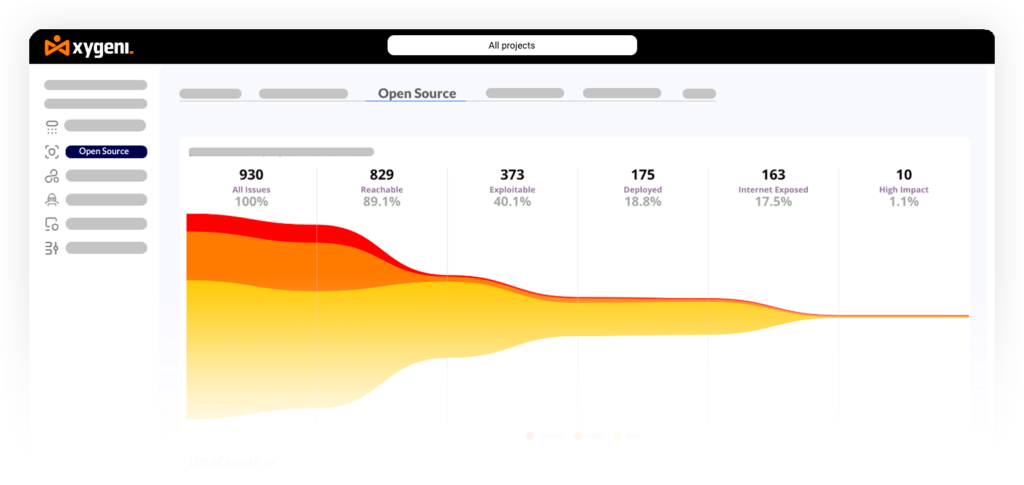
- Төвлөрсөн харагдах байдал: Бүх олдворууд: SAST, SCA, IaCболон Нууцууд нь нэгдмэл байдлаар гарч ирдэг dashboardҮүний үр дүнд DevSecOps багууд ахиц дэвшлийг хянаж, ашиглах чадвараар нь эрэмбэлж, дуу чимээг хамгийн бага хэмжээнд байлгаж чадна.
Энэ нь нэвтрэлтийн туршилтыг хэрхэн нөхдөг вэ
Хэдийгээр эмзэг байдлын сканнердах болон нэвтрэлтийн тест ихэвчлэн өрсөлдөөн шиг сонсогддог ч хоёр арга хоёулаа нөхөж байдаг.
Сканнер нь өргөн цар хүрээ болон хурдыг хамардаг бол нэвтрэлтийн туршилт нөхцөл байдал болон гүнийг өгдөг.
Хамтран Xygeni Эмзэг байдлын Сканнер, та тасралтгүй сканнердах ажиллагааг үргэлжлүүлж, гараар эсвэл хуваарьт туршилтаар үр дүнг баталгаажуулж чадна.
Жишээлбэл:
- Автоматаар эмзэг байдлын сканнерыг өдөр бүр ажиллуулна уу pull request.
- Хөнгөн үзэгний туршилтаар гол олдворуудыг баталгаажуул.
- Автомат засварууд Xygeni Bot хурдан, найдвартай засвар хийх зориулалттай.
Энэхүү ажлын урсгал нь хоорондох мэтгэлцээнийг баталгаажуулдаг нэвтрэлтийн тест ба эмзэг байдлын сканнер алга болдог, учир нь та сканнердах хурд болон туршилтаас баталгаа авах хоёрыг хоёуланг нь авдаг.
Дүгнэлт: Нэвтрэлтийн тест болон эмзэг байдлын сканнердах нь яагаад хамтдаа хамгийн сайн ажилладаг вэ
Эцэст нь хэлэхэд, эргэн тойрон дахь яриа нэвтрэлтийн тест ба эмзэг байдлын сканнер аль нэгийг нь сонгох тухай биш, харин хоёуланг нь ухаалгаар хослуулах тухай юм.
Эмзэг байдлын сканнердах болон нэвтрэлтийн тестийн харьцуулалт автоматжуулсан харагдах байдал болон бодит ертөнцийн баталгаажуулалт зэрэгцэн орших үед л үр дүнтэй болдог.
гэх мэт хэрэгслүүдтэй нэгтгэсэн үед Xygeni Эмзэг байдлын Сканнер, тэнцвэр нь жигд болно:
- Тасралтгүй сканнердах регрессээс урьдчилан сэргийлэх зорилгоор.
- Үе үе турших уян хатан чанарыг баталгаажуулахын тулд.
- Автоматаар засах хүргэлтийн хурдыг хадгалахын тулд.
Цаашилбал, энэхүү нэгдсэн загвар нь бүх зүйлийг баталгаажуулдаг эмзэг байдлын скан болон нэвтрэлтийн тест бие биенээ нөхөж байдаг. Сканнердах нь тасралтгүй ойлголтыг өгдөг бол туршилт нь бодит ашиглалтын чадварыг баталгаажуулдаг.
Эцэст нь, нэвтрэлтийн тест ба эмзэг байдлын сканнер хөгжүүлэлтийн багуудад хамтдаа бүхэл бүтэн хамгаалалтаа хамгаалахад нь тусалдаг SDLC, эх кодоос үйлдвэрлэл хүртэл, уян хатан чанараа алдалгүйгээр.
Зохиогчийн Тухай
Бичигдсэн Фатима Said, Контент маркетингийн менежер, програмын аюулгүй байдлын чиглэлээр мэргэшсэн Xygeni Security.
Фатима нь AppSec дээр хөгжүүлэгчдэд ээлтэй, судалгаанд суурилсан контент бүтээдэг. ASPM, болон DevSecOps. Тэрээр кибер аюулгүй байдлын инновацийг бизнесийн нөлөөлөлтэй холбосон нарийн төвөгтэй техникийн ойлголтуудыг тодорхой, хэрэгжүүлэх боломжтой ойлголт болгон хөрвүүлдэг.