
Namso gen is one of the most searched fake credit card generators online, and it’s also one of the most abused. Most developers and QA testers who search for it just want fake card numbers to test a payment flow. Attackers know that, and they’ve turned that search into bait: clone the tool, wrap it around malware, and wait for someone in a hurry to install it.
In this post: how malware hides inside namso gen and similar fake generators, why that matters for your SDLC, and how to stop it before it reaches production.
How Fake Generators Like Namso Gen Spread Malware
A tool like namso gen looks simple on the surface: generate fake credit card numbers to test a payment system. Attackers exploit that simplicity by cloning legitimate-looking sites or repos and embedding malware inside ZIP files, browser extensions, or JavaScript payloads. Developers searching for test-data tools in a hurry often grab and run these utilities without inspecting the code first, which is exactly what attackers are counting on.
Some cloned versions lean on social engineering, “no detection,” “premium access,” “instant results,” to push users toward a download button. Once clicked, that triggers a silent infection: a backdoor, an info-stealer, or a cryptocurrency miner. The malware itself is usually hidden in obfuscated scripts, dependencies, or post-install hooks, which is exactly what lets it slip past surface-level scans.
Because fake generators target developer workflows directly, they can enter your software development lifecycle (SDLC) unnoticed. A compromised namso gen clone may:
- Get cloned into a repo already used in your CI/CD pipeline
- Get bundled into test environments through container layers
- Shandisa zvakavanzika kana zviratidzo zvakachengetwa mumagadzirirwo asina kurongeka
Muenzaniso: Kuvimba Nengozi mu package.json
Mavhairasi ane hukasha eNamso Gen Hide Malware, obfuscated payloads, kana kuti postinstall scripts dzinoshanda mushure mekunge waisa package, kunyangwe kana chishandiso ichi chichiita sechisina njodzi.
The same risk shows up in a dockerfile:
That single line fetches and runs code in one step, a serious blind spot in most CI/CD pipelines. Ma scanner echinyakare often miss it, especially when the payload only activates under specific conditions.
🔧 Tora woenda nazvo: treat namso gen, and any fake credit card generator, as untrusted code by default. Verify the source, inspect the content, and scan it automatically before it enters your workflow.
Real Malware Payloads Found in Namso Gen Clones
Fake generators like namso gen aren’t just sketchy tools, they’ve been documented as real malware delivery channels. Researchers have found multiple cases where fake credit card generators were used specifically to target developer machines, and the compromise often goes unnoticed until the damage is already done.
- Info-stealers. Once active, these scripts search for GitHub tokens, AWS credentials stored in
.aws/or environment variables, and passwords saved in local browser storage. The stolen data typically gets exfiltrated through Discord webhooks kana mabhoti eTelegram. - Cryptominers. Some namso gen clones hide cryptominers that use your machine’s CPU or GPU the moment they execute, often delaying activation or checking for a sandbox environment first to dodge detection.
- RATs (Remote Access Trojans). Other fake namso gen tools install full remote-access backdoors capable of uploading or downloading files, running system commands, logging keystrokes, and recording your screen, giving an attacker the ability to steal source code, modify pipelines, kana kufamba-famba munzvimbo yako.
- Malicious lookalike packages. Attackers also publish fake packages to npm or PyPI under names similar to namso gen, packed with obfuscated post-install scripts, encoded payloads, or commands like
curl | bashorrm -rf /. These run silently during the build process, usually without any visible warning.

How Xygeni Detects Namso Gen Malware and Blocks It Early
A single compromised fake credit card generator can infect a developer machine, leak secrets, or inject a backdoor into your pipeline, pasina kumbobata kugadzirwa. Xygeni is built to catch that the moment it enters your repo, container, or CI script, not after the fact.
- Inoongorora zvinoenderana, inovaka zvinyorwa, uye midziyo pa commit nguva, stopping fake generators like namso gen before they spread.
- Inovhara malware yakavanzika, including base64 payloads, post-install scripts, and suspicious CLI calls.
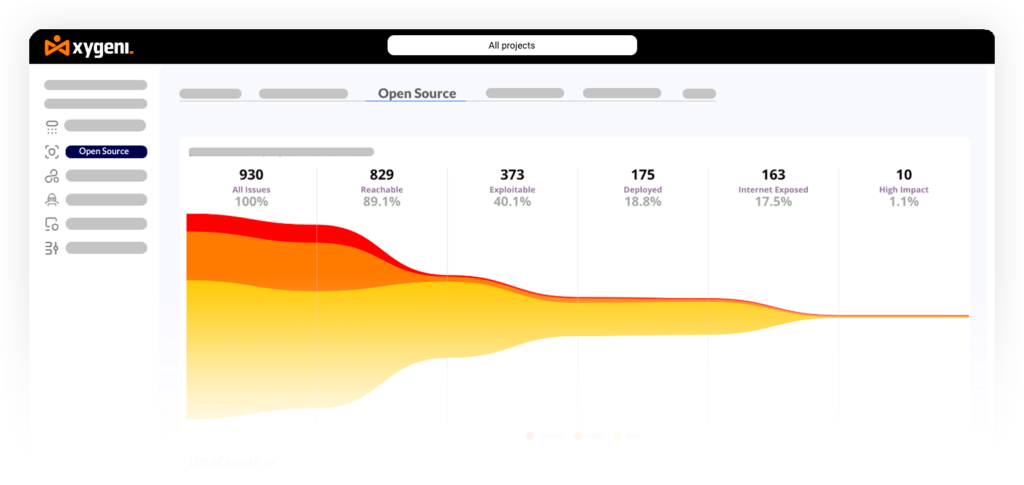
- Inoongorora kushandiswa kwemari, so alerts are limited to malware that’s actually reachable in your code, not noise.
- Inotarisa maforogo, vabatsiri, uye ma repos asina kuteverwa, flagging when a cloned fake credit card generator enters your organization.
- Inoona pipeline anomalies, sekuchinja kwefaira re namso gen kamwe kamwe kana kuti ma script akaiswa muma CI configs ako.
FAQ
Is namso gen malware?
Namso gen itself started as a simple fake credit card number generator for testing payment flows. The risk comes from cloned or forked versions circulating online, many of which bundle malware, obfuscated payloads, or post-install scripts inside what looks like the same tool.
Can a fake credit card generator really infect a developer’s machine?
Yes. Researchers have documented fake credit card generators used specifically to deliver info-stealers, cryptominers, and remote access trojans (RATs) to developer machines, often through cloned repos, browser extensions, or malicious npm/PyPI packages using a similar name.
How do I know if a namso gen tool I downloaded is safe?
Treat it as untrusted code by default: verify the source, inspect the contents before running it, and scan it automatically rather than relying on a visual check. Malicious versions are built specifically to look identical to the legitimate tool.
Can traditional scanners catch malware hidden in fake generators like namso gen?
Not reliably. Payloads are frequently obfuscated or conditionally triggered, which lets them bypass surface-level scans. Detection needs to happen at commit time and account for exploitability, not just presence.
Maitiro ekupedzisira
- Check every tool, even for test data. Don’t install or run code from unknown sources, not even a namso gen clone that looks identical to the original.
- Malware doesn’t need production access. One compromised developer machine is enough to leak secrets or infect a build.
- Fake generators are part of your attack surface. Treat them like any other untrusted dependency or third-party script.
- Detect and block early. Xygeni scans for malware downloads, flags suspicious behavior, and gives full visibility across your repos before namso gen-style threats reach production.