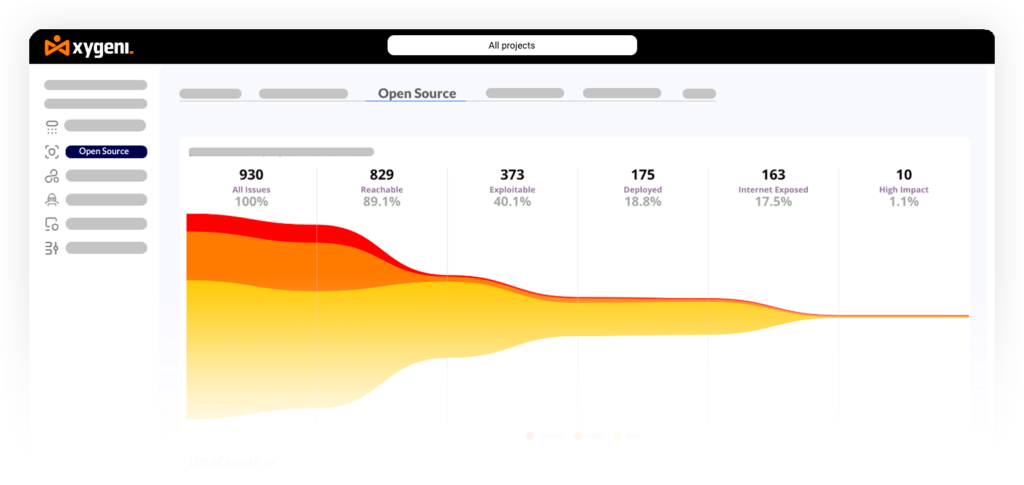
Segurtasuna ezin da bigarren mailako kontua izan, batez ere gaur egungo egoera azkar aldatzen ari den honetan. pipelines, eraso-azalera gero eta handiagoak eta azkarrago bidaltzeko etengabeko presioa. Hau da, DevSecOps azkar bihurtzen ari da berria standardInoiz baino gehiago, ez da ezkerretara joatea bakarrik; baizik eta segurtasuna egiten duzun guztian txertatzea da, hasieratik bertatik. commit ekoizpenera. Hori kontuan hartuta, tresna egokiek aldea eragiten dute. Beraz, kodea ziurtatzen laguntzeko DevSecOps tresnen zerrenda sendo baten bila bazabiltza, pipelines, eta azpiegitura zalantzarik gabe, leku egokian zaude. Jarraian, gaur egun eskuragarri dauden DevSecOps segurtasun tresnarik praktiko eta indartsuenetako batzuk aztertzen ditugu.
Zer bilatu behar da DevSecOps segurtasun tresnetan
DevSecOps segurtasun tresna egokia aukeratzea ez da soilik ezaugarriak egiaztatzea, baizik eta zure beharretara egokitzen den zerbait aurkitzea. taldearen eguneroko lan-fluxuaHori kontuan hartuta, hona hemen lehentasuna eman beharreko ezaugarri nagusiak:
- Seamless CI/CD Integrazioa
Tresna naturalki egokitu beharko litzateke zuregana CI/CD pipelineeta garapen-errutinak, atzerapenik edo konponbide traketsak behartu gabe. - Muturretik muturrerako estaldura
Beste era batera esanda, bilatu kodetik azpiegituraraino dena babesten duten tresnak, ez zure pilaren geruza bat bakarrik. - Detekzio eta erantzun proaktiboa
Idealena, mehatxuen detekzioa eta erantzun automatizatua hasieratik txertatuta egon beharko lirateke, ez ondoren konponketak egin. - Erabilgarritasuna garatzaileentzat
Azken finean, segurtasun tresnek garatzaileek benetan erabil baditzakete bakarrik funtzionatzen dute. Feedback argia eta testuinguruaren ikuspegiak funtsezkoak dira. - eskalagarritasuna
Biltegi bakarra edo dozenaka mikrozerbitzu exekutatzen ari zaren ala ez, tresna egokiak zure arkitekturarekin eskalatu beharko luke.
Zure multzoan nahi izango dituzun DevSecOps tresna motak
DevSecOps tresnen zerrendak taldeei segurtasuna txertatzen laguntzen die SDLC, lehenik eta behin, ez azkenik. Argiago esateko, hona hemen kategoria nagusiak Gaur egungo taldeek honako hauetan oinarritzen dira:
- Kodearen analisi tresnak
Hauek akatsak eta ahultasunak goiz detektatzen dituzte. Adibide gisa, estatikoa (SAST) eta dinamiko (DAST) tresnak akatsak martxan jarri aurretik identifikatzen laguntzen dute. - Kode irekiko mendekotasun eskanerrak
Aplikazio gehienak kode irekikoen menpe daudenez, tresna hauek osagai zaurgarriak edo zaharkituak goiz detektatzen dituzte. - Edukiontzien Segurtasun Tresnak
Batez ere Docker edo Kubernetes erabiltzen baduzu, irudiak eta exekuzio-denboraren portaera ikuskatu dezaketen eskanerrak beharko dituzu. - Azpiegitura Kode gisa (IaC) Segurtasuna
IaC tresnek Terraform, CloudFormation eta Kubernetes-en konfigurazio okerrak markatzen dituzte, inplementazioak arazoak sortu aurretik. - Aplikazioen exekuzio-denbora autobabesa (RASP)
Tresna hauek exekuzio-garaian funtzionatzen dute eta mehatxuak aktiboki blokeatzen dituzte, bereziki, zero-day eta logikan oinarritutako ustiapenak. - Mehatxuen Modelizazio Tresnak
Beste era batera esanda, zure sistemaren arriskuak bistaratzen eta hasieratik segurtasuna kontuan hartuta diseinatzen laguntzen dute. - Jarraipen Jarraitua eta Intzidenteen Erantzuna
Hauek denbora errealeko ikusgarritasuna eta arintze automatizatua eskaintzen dituzte aldi berean gertakariak gertatzen direnean.
7 DevSecOps tresna nagusiak alderatuta: ikuspegi laburra
| Tool | Lehen mailako fokua | Gako indarra | Eskaneatzea bertakoa | Malware detekzioa | Prezioen Eredua | Best For |
|---|---|---|---|---|---|---|
| Xigenoa | DevSecOps osoko pilaketa + ASPM + AI Segurtasuna | Plataforma bateratuaren estaldura SAST, SCA, DAST, sekretuak, CI/CD, IaC, edukiontziak, malwarea eta IA eraso-azalera | Bai — modulu guztiak jatorrizkoak | Bai — denbora errealean, aldez aurretiko sinadura MEW bidez | Guztia batean 33 $/hiletik aurrera, gordailu eta kolaboratzaile mugagabeak | Plataforma bakarrean softwarearen hornikuntza-katearen babes osoa behar duten taldeek |
| Snyk | Garatzaileentzat lehena SCA, SAST, edukiontzia, IaC | IDE eta Git integrazio sakona, arriskuetan oinarritutako lehentasunekin | Bai — produktu bakoitzeko modularra | Ez | Modulu bakoitzeko, kostuak eskalarekin batera hazten dira | Garatzaileen lehen mailako taldeek dagoeneko Snyk ekosistemaren tresnak erabiltzen dituzte |
| Aqua Security | Hodeiko aplikazio natiboaren babesa (CNAPP) | Edukiontzi eta Kubernetes exekuzio-denboraren segurtasuna CSPMrekin | Bai — edukiontzi eta hodeiari arreta jarrita | Limited | Aurrekontu pertsonalizatua soilik | Hodeiko talde natiboak hainbat hodeiko ingurunetan edukiontzietan banatutako lan-kargak babesten dituzte |
| checkmarx | Enterprise Aplikazioen Segurtasuna — SAST, SCA, APIa, IaC | AppSec estaldura zabala honekin ASPM eta garatzaileen prestakuntza | Bai — maila bakoitzeko modularra | Mugatua — ezagutzen diren paketeak bakarrik | Aurrekontu pertsonalizatua, planaren arabera mugatua | Large enterprisebetetze-txostenekin batera AppSec estaldura zabala behar du |
| Zikodea | ASPM kodetik hodeirako trazabilitatearekin | Testuinguruaren Adimen Grafikoak 100 tresna baino gehiagoren aurkikuntzak korrelatzen ditu | Bai — bertakoa gehi hirugarrenen ingesta | Ez | Custom enterprise prezioak, kostu modularrak | EnterpriseAppSec tresna ugari jarrera-ikuspegi bakarrean bateratzea |
| Arnica | Pipelineiturri-kontrol gutxiago ASPM | Commitzero mailako eskaneatzea CI/CD konfigurazio beharrezkoa | Bai — iturburu-kontrola soilik | Ez | Garatzaile-identitate bakoitzeko, urteko fakturazioa | Aldaketarik gabe berehalako iturburu-kontrolaren estaldura nahi duten taldeek pipelines |
| Socket | Kode irekiko menpekotasun hornidura-katearen segurtasuna | npm eta PyPI paketeetan malware portaerazko detekzioa instalatu aurretik | Bai — mendekotasunak bakarrik | Bai — jokabidean, npm eta pip-ean zentratuta | Doako maila mugatua; enterprise Ezaugarri itxiak | JavaScript eta Python taldeek bereziki kode irekiko hornidura-katearen arriskuan jarri zuten arreta. |
DevSecOps tresna onenen zerrenda

Aurreratuena. SCA DevSecOps-erako tresna
Orokorra: Xigenoa segurtasun tresna bat baino gehiago da, izan ere, DevSecOps plataforma osoa da, aplikazioen segurtasuna software garapenaren bizi-ziklo osoan txertatzeko diseinatua. Kodea, mendekotasunak, sekretuak babesten ari zaren ala ez, IaC, edo edukiontziak, Xygeni-k dena elkartzen du esperientzia bateratu eta garatzaileentzako egokian.
CVEak soilik eskaneatzen dituzten puntu-irtenbideek ez bezala, Xygeni-k zure softwarearen hornikuntza-katea muturretik muturrera defendatzen laguntzen dizu. Gainera, eskaneatze automatizatuarekin, denbora errealeko monitorizazioarekin eta barneratutako konponketarekin, segurtasun-taldeei eta garatzaileei zalantzarik gabe eta marruskadurarik gabe lankidetzan aritzeko ahalmena ematen die.
aurrera pull request ekoizpenera, Xygeni zuzenean integratzen da zure CI/CD pipelines. Horrenbestez, arriskuak goiz detektatzen ditu eta segurtasun-politikak automatikoki ezartzen ditu, zure taldearen lan-fluxua atzeratu edo eten gabe.
Key Ezaugarriak:
- Softwarearen Konposizioaren Azterketa (SCA)
Mendekotasunen eskaneatzea sakonki, irisgarritasunarekin, EPSS puntuazioarekin eta malwarearen detekzioarekin, benetan garrantzitsua dena konpontzeko. - Kode Estatikoaren Analisia (SAST)
Kode-eskaneatzea azkarra eta zehatza garapen-lan-fluxuetan integratuta, idazten duzun bitartean ahultasunak detektatzeko. - Sekretuen detekzioa
Iturburu-kodean zehar kredentzial agerian daudenak denbora errealean eskaneatzea, CI/CD, eta IaC fitxategiak. - Azpiegitura Kode gisa (IaC) Segurtasuna
Terraform, Kubernetes eta CloudFormation-en konfigurazio okerrak markatzen ditu, zabaldu aurretik. - CI/CD Pipeline Gogortua
Zure DevOps-etan manipulazioak, jarraitu gabeko tresnak eta anomaliak detektatzen ditu. pipelinehornikuntza-kateko mehatxuak geldiarazteko. - SBOM eta Betetze Automatizazioa
Softwarearen materialen zerrenda sortzen du eta lizentzia eta araudi politikak automatikoki betearazten ditu. - Lehentasunak eta konponketak
Larria, ustiagarritasuna eta negozio-eragina konbinatzen ditu benetan konpondu behar dena azaleratzeko, eta nola egin iradokitzen du.
DevSecOps taldeentzat eraikia
- AppSec pila bateratua
Dena SCA to IaC leku bakarrean, ez tresnarik zabalduta, ez estaldura-hutsunerik. - Garatzaile-zentrikoa
PR eskaneatzea, CLI tresnak eta barne-pipeline feedback-ak segurtasuna lan-fluxuaren parte bihurtzen du, ez oztopo. - Denbora errealeko ikusgarritasuna
DashboardBenetan zentzua duten alertak. Zure segurtasun-jarrera denbora errealean kontrolatu. - Betetzeko prest
OWASP, NIST eta araudi-esparru nagusietarako laguntza prest egotea. - Hornikuntza-katearen defentsa
Mendekotasunen nahasmenerako, malwarerako eta eraikuntza manipulatuetarako alerta goiztiar sistemak.
💲 Prezioak*:
- Hasi da at $ 33 / hileko egiteko PLATAFORMA OSOA, GUZTIA BAKARREAN, segurtasun-ezaugarri funtsezkoengatik ez da gehigarririk kobratzen.
- Barne hartzen ditu: SCA, SAST, CI/CD Segurtasuna, Sekretuen Detekzioa, IaC Security, eta Edukiontzi eskaneatzea, dena plan bakarrean!
- Biltegi mugagabeak, kolaboratzaile mugagabeak, ez eserleku bakoitzeko preziorik, ez mugarik, ezta sorpresarik ere!
2. Snyk DevSecOps tresnak
Orokorra: Snyk DevSecOps tresna nabarmena da, batez ere garatzaileengan lehenesten duen ikuspegiagatik ezaguna. Integrazio sakonak eskaintzen ditu IDE, Git plataforma eta ezagunekin. CI/CD pipelines. Ondorioz, taldeei kodearen, kode irekiko menpekotasunen, edukiontzien eta azpiegituren ahultasunak identifikatu eta konpontzeko aukera ematen die kode gisa (IaC) zuzenean beren garapen-lan-fluxuen barruan.
Egia izan daitekeen arren, Snyk-ek ezaugarri lagungarriak aurkeztu ditu, hala nola irisgarritasun-analisia eta Arrisku-puntuazioa, ustiapen-heldutasuna eta negozio-inpaktua barne hartzen dituena. Hala ere, gaitasun aurreratuak —hala nola, malwarearen detekzioa denbora errealean eta...— CI/CD pipeline osotasunaren monitorizazioak, askotan kanpoko tresnak edo konfigurazio gehigarriak behar ditu.
Key Ezaugarriak:
- Garapen Integratuko Lan-fluxuaIDEetan, Git biltegietan eta beste hainbatetan funtzionatzen du modu ezin hobean. CI/CD pipelineahultasunak goiz detektatzeko.
- Arriskuetan oinarritutako lehentasunaArrisku Puntuazio bat erabiltzen du, irisgarritasuna, ustiapen-heldutasuna, EPSS eta negozio-eragina kontuan hartzen dituena arazoak lehenesteko.
- Konponketa automatizatuaKonponketa-iradokizunak eta automatizazioa eskaintzen ditu pull requests ebazpen prozesua bizkortzeko.
- Lizentzien Betetze Kudeaketa: Proiektuetan zehar kode irekiko lizentzia-politikak kudeatzeko eta betearazteko tresnak eskaintzen ditu.
Cons:
- Malware detekzioaGaur egun, Snyk-ek ez du denbora errealeko malware eskaneatzea eskaintzen kode irekiko paketeetarako.
- Hornikuntza-katearen segurtasun integralaTresna gehigarriekin integrazioa behar izatea gerta daiteke guztiz lortzeko CI/CD pipeline osotasuna eta anomalia detekzioa.
- Prezioen egituraEzaugarriak modularrak dira, prezio bereiziekin SCA, SAST, Edukiontzia eta IaC eskaneatzea, eta horrek kostuak handitzea ekar dezake beharrak hazten diren heinean.
💲 Prezioak*:
- Hilean 200 probarekin hasten da Talde planaren barruan.
- SCA, Edukiontzia, IaC, eta bereiz saltzen diren beste produktu batzuk, ez daude eskuragarri tresna independente gisa.
- Planaren prezioa moduluaren arabera aldatzen da, eta guztiak fakturazio-egitura beraren pean bildu behar dira.
- Enterprise planek aurrekontu pertsonalizatuak behar dituzte, gardentasun mugatuarekin eta kostuen hazkunde azkarrarekin
3. Aqua Security DevSecOps tresnak
Orokorra: Aqua Security -k Cloud Native Application Protection Platform (CNAPP) sendoa eskaintzen du, aplikazioak garapenetik ekoizpenera babesteko espresuki diseinatua, hainbat hodeiko ingurunetan. Adibide gisa, bere funtzio multzoak edukiontzien segurtasuna, exekuzio-denboraren babesa eta hodeiko segurtasun-jarreraren kudeaketa (CSPM) hartzen ditu barne, hodeiko lan-kargen muturretik muturrerako babesa eskaintzea helburu duena.
Hala ere, plataformaren zabalerak konplexutasuna ekar dezake. Kasu honetan, funtzio eta konfigurazio ugari izateak ikaskuntza-kurba malkartsua ekar dezake. Aldi berean, talde batzuek Aqua DevSecOps lan-fluxuetan integratzea bereziki zaila izan dezakete.
Key Ezaugarriak:
- Edukiontzi eta Kubernetes SegurtasunaAhultasunen eskaneatzea eta exekuzio-denbora babestea eskaintzen du edukiontzietan banatutako aplikazioetarako eta Kubernetes klusterretarako.
- Hodeiko segurtasun jarreraren kudeaketa (CSPM): Hodeiko konfigurazioen eta hainbat hodeiko hornitzaileren betetze-egoeraren ikusgarritasuna eskaintzen du.
- Azpiegitura Kode gisa (IaC) EskaneatzeaTrivy bezalako tresnak erabiltzen ditu konfigurazio okerrak eta ahultasunak detektatzeko. IaC txantiloiak.
- Exekuzio-denboraren babesaAplikazioa exekutatzen den bitartean mehatxuak denbora errealean detektatu eta arintzeko portaeraren analisia erabiltzen du.
- Betetze-txostenakAuditoria eta txostenak onartzen ditu standardhala nola PCI DSS, HIPAA eta GDPR.
Cons:
- Konfigurazio konplexuaEzaugarri multzo zabalak ahalegin handia eska dezake eraginkortasunez konfiguratzeko eta kudeatzeko.
- Integrazio ErronkakAquaren tresnak daudenekin lerrokatzea CI/CD pipelines eta DevSecOps praktikak pertsonalizazio gehigarria behar izan dezake.
- Ikasteko kurbaErabiltzaileek prestakuntza handia behar izan dezakete plataformaren gaitasunak guztiz aprobetxatzeko.
💲 Prezioak*:
- Prezio pertsonalizatuak soilik → Aquak ez ditu prezio-maila zehatzak zerrendatzen bere webgunean. Plan guztiek salmenta-sailarekin harremanetan jartzea eskatzen dute aurrekontu pertsonalizatua lortzeko.
- Erabileran oinarrituta → Prezioak normalean faktore batzuek zehazten dituzte, hala nola biltegi kopuruak, edukiontzien irudiek eta hodeiko lan-kargek.
- Plan gardenik ez → Beste tresnek ez bezala, Aquak ez du aurrez zehaztutako preziorik edo autozerbitzuko mailarik eskaintzen, eta horrek zaildu egiten du kostuak hasieratik kalkulatzea.
4. Checkmarx DevSecOps tresnak

Orokorra: checkmarx AppSec hornitzaile zaharra da, eta bereziki plataforma zabala eskaintzen du, besteak beste: SAST, SCA, API segurtasuna, IaC eskaneatzea, edukiontzien segurtasuna eta gehiago. Oro har, bere arkitektura modularra tamaina handikoak onartzeko diseinatuta dago enterpriseestaldura zabala bilatzen ari da mundu osoan SDLC.
Hala ere, bere zabalera gorabehera, Checkmarx gaindiezina izan daiteke tresna integratu eta erraztuak bilatzen dituzten DevSecOps taldeentzat. Adibidez, funtsezko funtzio gehienak hainbat prezio-mailaren atzean daude. Horrez gain, denbora errealeko segurtasun-gaitasunak, hala nola... CI/CD anomalia detekzioa edo malwarearen aurkako babesa oraindik mugatuak edo erabilgarri ez daude gehigarririk gabe.
Key Ezaugarriak:
- AppSec Suite osoa → Eskaintzak SAST, SCA, APIa, IaC, eta edukiontzien segurtasuna hainbat planetan zehar.
- ASPM & Repo Osasuna → Aplikazioen segurtasun-jarreraren eta biltegien higienearen ikusgarritasuna gehitzen du.
- Sekretuen eta Pakete Gaiztoen Babesa → Gogor kodetutako sekretuak eta ezagunak diren mendekotasun gaiztoak detektatzen ditu.
- Codebashing integrazioa → Kodeketa-jardunbide seguruetarako garatzaileentzako prestakuntza-moduluak barne hartzen ditu.
Cons:
- Ontziratze Modularrak eta Konplexuak → Ezaugarriak, hala nola IaC, DAST eta sekretuen detekzioa plan edo gehigarri handiagoen atzean daude.
- Denbora errealekorik ez Pipeline Jarraipena → Proaktibotasun falta du CI/CD anomalia detekzioa edo exekuzio-denbora hornidura-katearen babesa.
- DevOps-Lehen Taldeentzat Astuna → Batez ere segurtasun taldeentzat eraikia; ahalegina eskatzen du DevOps azkar eboluzionatzen ari direnetan txertatzeko pipelines.
- Prezio opakoak → Aurrekontu pertsonalizatuak behar ditu; ez dago kostuen banaketa gardenik banakako moduluetarako edo erabilera-mailetarako.
💲 Prezioak*:
- Aurrekontu pertsonalizatua soilik → Checkmarx-ek ez ditu prezio publikoak zerrendatzen.
- Ezaugarrien ateak planaren arabera → Ezinbestekoak, Profesionalak eta Enterprise mailak tresnen konbinazio desberdinak biltzen ditu.
- Beharrezko gehigarriak → Funtsezko gaitasun asko (DAST, sekretuak, malwarearen aurkako babesa) aukerako gehigarri gisa saltzen dira.
5. Cycode DevSecOps tresnak

Orokorra: Zikodea lehiakide sendoa da DevSecOps tresnen zerrenda, bere ezaguna Application Security Posture Management (ASPM) gaitasunak. Informazioa bateratzen du SAST, SCA, IaC, edukiontzien eskaneatzea eta sekretuen detekzioa arrisku-grafo bateratu batean. Horrez gain, politika pertsonalizagarrien betearazpena onartzen du, CI/CD gobernantza eta hirugarrenen segurtasun tresnekin integrazioak ConnectorX-en bidez.
Hala ere, bere estaldura zabala izan arren, Cycode-ren ikuspegiak funtzionamendu-konplexutasuna ekar dezake, batez ere lan-fluxu oso integratuak eta garatzaileak lehenesten dituzten taldeentzat. Oinarrizko gaitasun batzuk, hala nola-pipeline konponketa edo malwarearen portaeraren detekzioa denbora errealean, ez daude barne hartzen. Gainera, bere prezioen egitura modularrak plangintza zaindua eska dezake hazten ari diren taldeen artean kostuak igotzea saihesteko.
Key Ezaugarriak:
- ASPM Dashboard emaitzak bateratzen dituena. SAST, SCA, sekretuak, IaC, eta edukiontzien eskaneatzea.
- Irisgarritasun-analisia funtzio zaurgarri bat benetan abiarazi den ala ez zehazten duena.
- Arriskuetan oinarritutako lehentasunak ezartzea CVSS, EPSS, KEV eta negozio-eragina erabiliz sailkapen adimentsuago bat lortzeko.
- CI/CD gobernua detektatzearekin batera. pipeline noraeza, sekretu gogor kodetuak eta rolen konfigurazio okerrak.
- Integrazio eredu malgua ConnectorX bidez hirugarrenen eskaner eta lan-fluxu pertsonalizatuetarako.
- Betetze-mapak NIST SSDF, SLSA eta OWASP SAMM bezalako esparruetara.
Cons:
- Estaldura zabala den arren, Cycode-k bai... ez barne hartzen malware portaeraren detekzioa mendekotasunetarako edo CI/CD aktibo.
- Konponketa-fluxu automatizatuak mugatuak dira garatzaileengan zentratutako tresnekin alderatuta, batez ere denbora errealeko konponketa iradokizunei dagokienez pull requests.
- Politika konfigurazioa eta korrelazio logikak integrazio ahalegina eska dezake, batez ere talde txikiagoentzat.
- The prezioen egitura modularra da, beraz, kostuak nabarmen hazi daitezke taldeek erabilera-kasu gehiago gehitzen dituzten heinean.
💲 Prezioak*:
- Prezio pertsonalizatuak beharrezkoak dira: ASPM RIG (Risk Intelligence Graph) eta automatizazio osoari lotutako gaitasunak honen bidez bakarrik daude eskuragarri: enterprise komatxoak.
- Kostu total handiagoa: Key ASPM ezaugarriak, hala nola arrisku-jarrera zentralizatua, konektoreen integrazioak eta CI/CD jarreraren puntuazioa, gehigarri aurreratutzat hartzen dira, oinarrizko kostuak puzten dituztenak.
- Eskalatzeko erronkak: Urteko lizentzien eta eserleku bakoitzeko prezioen arabera, eskalatzea zaildu egiten da ingeniaritza talde handietan, batez ere CSPM edo betetzea bezalako modulu gehigarriak gehitzen direnean.
6. Arnica DevSecOps tresnak

Orokorra: Arnica DevSecOps tresnen zerrendan gehigarri berri bat da, eta eskaintzen du pipelinehurbilketa gutxiago. Application Security Posture Management (ASPM). Kode-bultzada bakoitzaren denbora errealeko eskaneatzea egiten du eta pull request GitHub, GitLab, Bitbucket eta Azure Repos-en zehar, estaltzen duena SCA, SAST, IaC konfigurazio okerrak, sekretuen agerpena, lizentziaren betetzea eta paketeen ospea, aldatu gabe CI/CD pipelines.
Hala ere, bere esparrua iturri-kontrolaren jardueran zentratzen jarraitzen du. Ez ditu edukiontzien irudien eskaneatzea barne hartzen, CI/CD lan-fluxuen babesa edo exekuzio-denbora mehatxuen detekzioa. Ondorioz, ikusgarritasun osoa bilatzen duten erakundeek, pipeline malwarearen portaerarekiko osotasuna—Baliteke Arnica beste DevSecOps segurtasun tresnekin osatu behar izatea estaldura osoa lortzeko.
Key Ezaugarriak:
- Commitkonfiguraziorik behar ez duen eskaneatzea maila berean, estaldura SCA, SAST, IaC, sekretuak, lizentzia arriskua eta paketeen ospea Git hornitzaile guztietan.
- Irisgarritasun-analisia + EPSS + KEV lehentasuna, testuinguruan benetan ustia daitezkeen ahultasunak bakarrik sailkatuz.
- Adimen artifizialaren bidezko konponketa-gida, gomendatutako konponketak eta eguneratze bideak zuzenean PR iruzkinetan eta ChatOps bidez (Slack, Teams) eskainiz; gainera, txartelen sorrera eta itxiera automatizatzen ditu.
- Higiene betearazpen sekretuak, denbora errealean kode gogorreko sekretuak detektatu eta kenduz, konponketa Git lan-fluxuetan integratuta.
- Garatzaile-jatorrizko feedback begizta, aurkikuntzak garatzaileek dagoeneko lan egiten duten lekuetan azaleratzen direla ziurtatuz, bereizi gabe dashboards edo behartua logins
Cons:
- Arnicak iturri-kontrolaren estaldura sendoa eskaintzen duen arren, ez du barne hartzen malware portaeraren detekzioa edo paketeen mehatxuen analisi dinamikoa.
- Plataforma ez du eskaneatzen CI/CD pipeline konfigurazio edo lan-fluxuaren anomaliak detektatu pipeline maila.
- Falta zaio. edukiontzi irudien eskaneatzea eta exekuzio-denbora mehatxuen detekzioa, iturri-kontrolaren jarrerara mugatuz esparrua.
- Exekuzio-denbora osoa edo azpiegitura ikusgarritasuna behar duten erakundeek gehigarria behar izan dezakete DevSecOps segurtasun tresnak.
- Gobernantza aurreratua eta enterprise Ezaugarriak, baita denbora errealeko eskaneatzea ere, ordainpeko planetan bakarrik daude eskuragarri eta salmenta-konpromisoa behar dute
💲 Prezioak*:
- Prezio publikoak eskuragarri → Arnicak lau plan argi eta garbi definituak eskaintzen ditu: Doakoa, Taldekoa, Enpresakoa eta EnterpriseBeste saltzaile batzuek ez bezala, maila gehienetarako aurrez zehaztutako prezioak eskaintzen ditu.
- Garatzaileen identitateetan oinarrituta → Prezioak urtero fakturatzen dira identitate bakoitzeko: Taldea 80 $-tan, Enpresa 150 $-tan eta Enterprise 300 dolar garatzaile bakoitzeko urtean.
- Ezaugarri mugatuko planak → Denbora errealeko eskaneatzea, bateratze blokeatzeko politikak, sekretuen politikaren betearazpena eta tokiko inplementazioa bezalako funtzio aurreratuak Business eta Enterprise planak. Oinarrizko gaitasunak, hala nola SCA, SAST, eta sekretuen eskaneatzea beheko mailan sartzen dira
7. Socket DevSecOps tresnak

Orokorra: Socket DevSecOps tresnen zerrendari egindako gehigarri espezifikoa da, kode irekiko menpekotasunetan portaera gaiztoa detektatuz hornidura-katearen erasoak blokeatzeko diseinatua. CVEetan soilik oinarritu beharrean, instalazio-skriptak, kode nahasia eta sareko jarduera susmagarriak markatzen ditu kodea ekoizpenera iritsi aurretik.
GitHub-ekin integratzen da pull requests eta npm, Yarn, pnpm eta pip onartzen ditu, JavaScript eta Python proiektuetarako aukera sendoa bihurtuz. Hala ere, Socket-en babesa pakete geruzan amaitzen da, ez ditu barne hartzen SAST, IaC eskaneatzea, sekretuen detekzioa edo pipeline monitorizazioa, eta horrek softwarearen garapenaren bizi-ziklo zabalagoa ziurtatzeko duen erabilgarritasuna mugatzen du.
Key Ezaugarriak:
- Denbora errealeko malware detekzioa mendekotasunetan, instalazio-gidoiak, sare-deiak, nahasmena eta telemetria-abusua barne.
- GitHub pull request babesteko, garatzaileei ohartaraziz pakete zaurgarriak edo susmagarriak batu aurretik.
- Paketeen blokeatze automatikoaren arauak, taldeei arrisku handiko pakete ezagunak instalatzea eragozteko aukera emanez.
- Segurtasun-seinaleen puntuazioa, egilearen ospearen, argitalpenen historiaren, mendekotasun-zuhaitzaren sakoneraren eta deskargatze-jardueraren arabera.
- Ekosistema anitzentzako laguntza, JavaScript (npm, Yarn, pnpm) eta Python (pip) barne, Go eta Rust garapen fasean daudelarik.
Cons:
- Socket ez du barne hartzen SAST, sekretuen eskaneatzea, edo IaC konfigurazio okerraren detekzioa.
- Ikusgarritasun falta du CI/CD pipeline security edo azpiegituren arriskuak.
- Ez dago exekuzio-denboraren analisirik ez, anomalia detekzioa edo edukiontzien irudien eskaneatzea.
- Bere arreta mugatzen da kode irekiko mendekotasun portaera, beste batzuk behar dituelarik DevSecOps tresnak estaldura zabalagoa lortzeko.
💲 Prezioak*:
- Estaldura Fokatua → Prezioak Socket-en esparru estua islatzen du: mendekotasun arriskua bakarrik estaltzen du—ez SAST, sekretuen eskaneatzea, CI/CD segurtasuna, edo IaC analisia.
- Doako maila mugatua → Doako planak biltegi pribatu bakarra onartzen du eta ez du automatizaziorik edo politika betearazpenik.
- EnterpriseEzaugarriak bakarrik → SSO, alerten pertsonalizazioa eta tokiko hedapena bezalako funtzio gakoak maila gorenaren atzean daude.
- Hizkuntzaren estalduraren mugak → JavaScript eta Pythonerako diseinatua; beste ekosistemak ez dira oraingoz onartzen.
Zergatik diren garrantzitsuak DevSecOps segurtasun tresnak
Lehenik eta behin, ez da ezkerretara mugitzea bakarrik, sistema adimentsuagoak, seguruagoak eta lankidetzan aritzekoagoak eraikitzea baizik. Horrenbestez, DevSecOps segurtasun tresna egokiek benetako abantailak eskaintzen dituzte, hala nola:
- Ahultasunak lehenago antzeman
Argiago esateko, tresna hauek garapenean zehar arazoak identifikatzen laguntzen dizute, ez inplementazio ondoren, konponketak garestiagoak eta arriskutsuagoak bihurtzen direnean. - Eskalatu segurtasunez
Ondorioz, zeregin errepikakorrak eta politika-betearazpena automatizatu ditzakezu, ingurune konplexuetan eskalatze azkarra eta segurua ahalbidetuz. - Mantendu etengabeko betetzea
Horregatik, SBOMs, lizentzien baliozkotzeak eta araudiaren lerrokatzea errazago kudeatu eta mantentzen dira. - Bultzatu Garapen + Segurtasun Lankidetza
Ondorioz, siloak hautsi egiten dira. Taldeek segurtasun arazoei buruzko ikusgarritasun eta testuinguru partekatua lortzen dute, eta modu eraginkorragoan konpontzen dituzte.
Azken gogoetak: DevSecOps kultura bat da, ez pila bat soilik
Zalantzarik gabe, DevSecOps printzipioak hartzeak eskanerrak konektatzea baino gehiago esan nahi du, taldeek softwarea nola eraiki, zabaldu eta segurtatu birpentsatzea esan nahi du. Asmo horrekin, tresna egokiak aukeratzea da zure lehen mugimendu estrategikoa.
Izan ere, zure multzoko tresna bakoitzak, iturburu-kodetik hasi eta exekuzio-denboraraino, arriskua murrizteko, politikak betearazteko eta lankidetza hobetzeko zeregina betetzen du. Laburbilduz, azkar eraikitzen ari bazara eta seguru egon nahi baduzu, DevSecOps tresnen zerrenda honek abiapuntu sendoa eskaintzen du.
Snyk, Aqua edo Checkmarx bezalako plataformek beharrizan espezifikoak bete ditzakete. Hala ere, ezinbestekoa da zure lan-fluxura egokitzen dena, zure taldearekin batera eskalatzen dena eta software segurua atzerapenik gabe bidaltzen laguntzen dizuna aukeratzea.
Legezko oharra: Prezioak adierazgarriak dira eta publikoki eskuragarri dagoen informazioan oinarrituta daude. Aurrekontu zehatzak eta eguneratuak lortzeko, jarri harremanetan saltzailearekin zuzenean.
Maiz egiten diren galderak
Zer da DevSecOps?
DevSecOps segurtasuna softwarearen garapen-zikloaren etapa guztietan integratzeko praktika da, hasieratik hasita. commit ekoizpen-hedapenera. Segurtasuna kaleratu aurretiko azken ate gisa hartu beharrean, DevSecOps-ek zuzenean txertatzen du garapen eta eragiketa lan-fluxuetan, segurtasuna ingeniaritza, segurtasun eta eragiketa taldeen arteko erantzukizun partekatu bihurtuz.
Zein da DevOps eta DevSecOps arteko aldea?
DevOps-ek garapen eta eragiketa taldeen arteko lankidetzan jartzen du arreta softwarearen entrega bizkortzeko. DevSecOps-ek hori zabaltzen du segurtasun praktikak lan-fluxu berdinetan txertatuz, segurtasun probak automatizatuak, ahultasunen eskaneatzea, gidalerroen betearazpena eta betetze egiaztapenak gehituz, entrega-abiadura moteldu gabe.
Zer tresna mota sartzen dira DevSecOps pila batean?
DevSecOps pila oso batek normalean honako hauek ditu: SAST kodearen analisirako, SCA kode irekiko menpekotasunen eskaneatzeko, DAST exekuzio-denbora probatzeko, sekretuen detekziorako, IaC security, edukiontzien segurtasuna, CI/CD pipeline babesa, eta ASPM Jarrera bateratuaren kudeaketarako. Talde eraginkorrenek plataforma bakarrean bateratzen dituzte puntu bakarreko irtenbideak kudeatu beharrean.
Zein da DevSecOps tresnarik onena talde txikientzat?
Talde txikiek etekin handiena ateratzen dute estaldura zabala eskaintzen duten tresnetatik, segurtasun-langile dedikaturik behar izan gabe. Prezio gardenak, biltegi mugagabeak eta estaldura osoa duten plataformak, Xygeni bezala, talde txikiagoentzat egokiagoak dira plataforma modularrak baino. enterprise konfigurazio eta eserleku bakoitzeko kostu handiak behar dituzten tresnak.
Nola murrizten dute DevSecOps tresnek alerta-nekea?
DevSecOps tresnarik onenek alerta-nekea murrizten dute irisgarritasunaren analisia, ustiagarritasunaren puntuazioa eta negozio-inpaktuaren testuingurua konbinatuz, zarata iragazi eta benetan konpondu behar dena bakarrik azaleratzeko. Taldeak milaka CVE aurkikuntza gordinekin gainezka egin beharrean, benetako arrisku ustiagarrietan oinarritutako lehentasunezko zerrenda bat eskaintzen dute.
Zer da hornidura-katearen segurtasuna DevSecOps-en?
Software supply chain security DevSecOps-en, softwarea eraikitzeko erabiltzen diren osagaiak, tresnak eta prozesuak babesteari egiten dio erreferentzia, kode irekiko menpekotasunak barne. CI/CD pipelines, eraikitze-artefaktuak eta hirugarrenen integrazioak. Ohiko ahultasun-eskaneatzeaz haratago doa pakete gaiztoak, eraikitze manipulatuak eta detektatzeko. pipeline konpromisoak ekoizpenera iritsi aurretik.
DevSecOps gaitasun bakoitzerako tresna bereizi bat behar al dut?
Ez derrigorrez. Socket (mendekotasunen segurtasuna) edo Arnica (iturri-kontrola) bezalako puntu-irtenbideak ASPM) arlo espezifikoetan bikainak badira ere, estaldura osoa lortzeko tresna osagarriak behar dituzte. Xygeni bezalako plataforma bateratuek estaltzen dute SAST, SCA, DAST, sekretuak, CI/CD, IaC, edukiontziak, malwarearen aurkako defentsa eta ASPM plataforma bakarrean, tresnen hedapena murriztuz eta segurtasun-eragiketak sinplifikatuz.