2027ko zibersegurtasun tresnen zerrenda nagusiak

Discover the Best Cybersecurity and AppSec Tools to Secure Your Software in 2027

Xygeni’s cybersecurity tools lists compare the leading AppSec and software supply chain security tools by category, from SAST, SCA and DAST to SBOM, IaC, malware detection and AI security, so you can shortlist the right tools for your 2027 security stack in minutes.

Which list do you need?

If you need to...Irakurketak:
Find vulnerabilities in your own codeTop SAST tresnak
Check open-source dependencies for CVEs and licensesSoftwarearen Konposizioaren Azterketarako 10 Tresna Nagusiak
Test running apps and APIs like an attackerAplikazioen Segurtasun Dinamikorako Probak (DAST) egiteko Tresna Nagusiak
Find vulnerabilities across your apps and infrastructureTop 10 Vulnerability Scanning Tools
Detect malicious packages5 kode irekiko malware eskaner nagusiak
Generate and manage SBOMsGehien 6 SBOM tresnak
Secure Terraform and Kubernetes templatesGehien 7 IaC tresnak
Secure your DevOps toolchain10 DevOps Segurtasun Tresna Nagusiak
Secure AI models, agents and LLM appsTop AI Security Tools
Run automated, AI-driven penetration testsTop AI Pentesting Tools

How we evaluate tools

Each list compares tools on the same criteria: detection coverage, accuracy and false positives, fit with the developer workflow (IDE, pull requests, CI/CD), deployment options (SaaS, on-premises, air-gapped), integrations, and pricing transparency. We base our comparisons on vendor documentation, public pricing, and product testing where available, and we refresh each list for the new year and whenever the market changes.

sartzen ditugu Xigenoa in the categories where it competes, and we note this in each list so you can weigh our view accordingly.

Compare Xygeni

Already shortlisting tools for 2027? See how Xygeni compares side by side with the platforms you’re evaluating.

Zibersegurtasuneko Tresna Nagusien Zerrendetaz gain, baliabide hauek ere erabilgarriak izan daitezke...

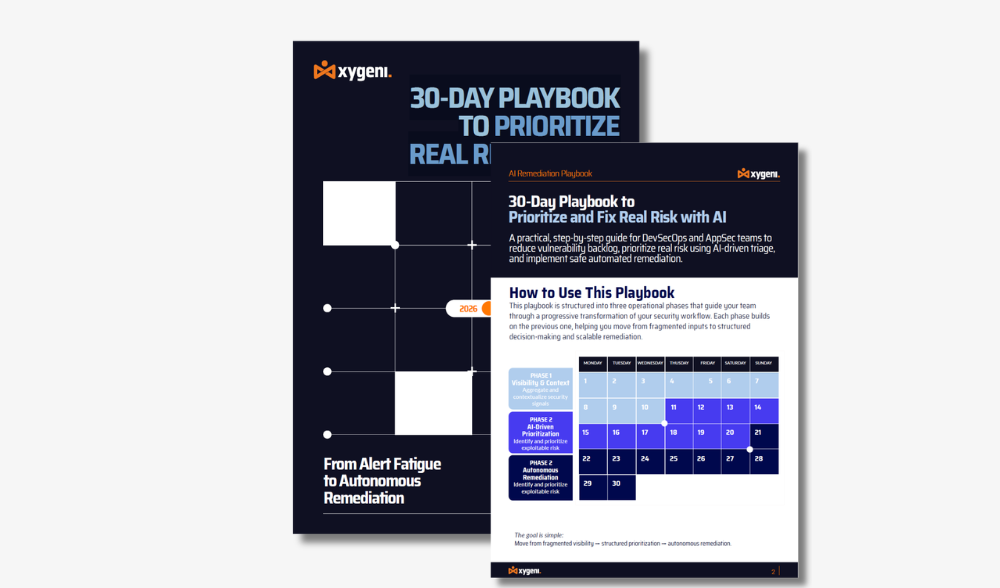
30 eguneko IA bidezko konponketa-gidaliburua

30 eguneko IA bidezko konponketa-liburua

30 eguneko koaderno praktiko honek DevSecOps eta AppSec taldeek zarata nola murriztu dezaketen, benetako ustiapen-arriskua lehenetsi eta IA bidezko konponketa modu seguruan nola sartu dezaketen erakusten du. SDLCEzagutu nola bateratu aurkikuntzak SAST, SCA, sekretuak, IaC, eta CI/CD, hobetu ahultasunen lehentasuna testuinguruaren araberako arriskuen analisiarekin, eta ezarri automatizazio kontrolatua ikusgarritasuna edo kontrola galdu gabe. Deskargatu eskuliburua eta ikasi nola igaro sailkapen erreaktibotik konponketa eskalagarri eta adimendunera 30 egunetan soilik.
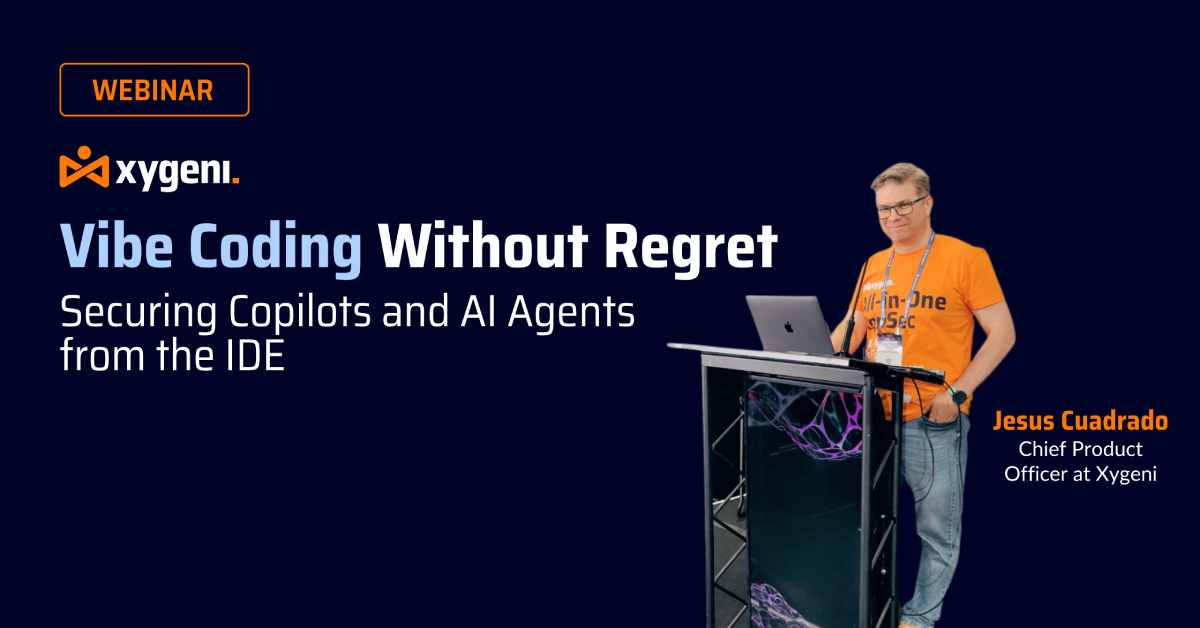
Damurik Gabeko Kodeketa Webinarra

Vibe kodeketa damurik gabe: kopilotoak eta adimen artifizialaren agenteak IDEtik babestea

Ikusi orain gure webinarra Vibe Coding Without Regret. Adimen artifizialak softwarea eraikitzeko modua eraldatzen ari da, kopilotoek eta adimen artifizialaren agenteek ekoizpen-kodearen zati gero eta handiagoa sortzen baitute. Saio honetan, ikusiko duzu nola ziurtatu adimen artifizialak sortutako kodea zuzenean IDEan, denbora errealeko ahultasunen detekzioaren bidez. guardrails Copilot-erako eta irisgarritasunean oinarritutako lehentasunak ezartzeko. Ezagutu nola IA bidezko konponketak garatzaileei arazoak modu eraginkorrean konpontzen eta software segurua eta IA bidezkoa eraikitzen laguntzen dien kontrola galdu gabe. Ikusi orain hasieratik software segurua eta IA bidezkoa nola eraiki ikasteko.
What changes in software security in 2027

Three shifts are reshaping how teams choose security tools for 2027. First, AI coding assistants and agents now write and change a large share of production code, so security has to run where that code is written, not weeks later. Second, software supply chain attacks keep growing, from malicious packages to compromised CI/CD pipelines, and regulations like NIS2, DORA and the EU Cyber Resilience Act turn supply chain security into a compliance requirement. Third, AI is now part of the application itself, which adds a new attack surface: models, prompts, agents and MCP servers.

No single scanner covers all of it. That’s why teams combine several types of tools, and why choosing the right ones, and making them work together, matters as much as choosing the best one in each category.

What are the essential cybersecurity tools for software teams in 2027?

Most software teams need SAST to find flaws in their own code, SCA to check open-source dependencies, secrets detection to stop leaked credentials and DAST to test running applications. In 2027, more teams also add malware detection for open-source packages, CI/CD security and, if they build with AI, AI security tools.

Zein da aldea SAST, DAST eta SCA?

SAST analyzes your source code without running it, to find vulnerabilities such as SQL injection early. DAST tests the running application from the outside, the way an attacker would. SCA checks the open-source dependencies you import for known vulnerabilities, license issues and, in some tools, malicious packages.

Do I need separate tools or one platform?

Many teams start with separate tools, then struggle with duplicated alerts and no shared view of risk. An Application Security Posture Management (ASPM) platform brings findings from every scanner, including third-party tools you already use, into one prioritized view, so you can consolidate without ripping anything out.

How often are these lists updated?

We refresh each list for the new year and update it whenever vendors release major capabilities, change pricing or new tools enter the category. Each list shows the date of its last update.

Ready to secure your software in 2027?

Xygeni Produktu Suite-k lagun zaitzake!