


Aféierung: Firwat et wichteg ass, d'Bekämpfung vu Schwachstelle ze prioritéieren
Vulnerabilitéit Sanéierung ass méi wéi nëmmen d'Feeler ze reparéieren - et geet drëm ze wëssen, wat als éischt ze reparéieren ass. Ouni richteg Schwachstelle Prioritéit, Sécherheetséquipen kéinten Zäit verschwenden fir Problemer mat nidderegem Risiko unzegoen, wouduerch kritesch Geforen net méi geléist ginn. wéi ee Schwachstellebehebung prioritär behandelt garantéiert, datt d'Équipen sech op Schwachstelle konzentréieren, déi de gréisste Risiko fir Produktiounssystemer duerstellen. Ausserdeem, Automatiséierung vun der Behënnerung vu Schwachstelle beschleunegt d'Sécherheetsreaktioun, wouduerch Applikatioune geschützt bleiwen ouni d'Entwécklung ze verlangsamen.
Als Resultat vun, Xygeni bitt eng komplett Sanéierungsléisung a hëlleft den Équipen:
- Prioritéit Schwachstelle baséiert op realen Risikofaktoren.
- Automatiséiere vun Sanéierungsworkflows fir den manuellen Opwand ze minimiséieren.
- Schwachstelle méi séier reparéieren wärend d'Sécherheet an DevSecOps Workflows integréiert gëtt.
Dëse Guide erkläert, wéi een d'Sanéierung vu Schwachstelle prioritär behandelt a wéi den Automatiséierungs-éischt-Usaz vun Xygeni eng effizient, risikobaséiert Sanéierung garantéiert.
Wéi ee Schwachstellebehebung prioritär behandelt
D'Erausfuerderung ass net nëmmen Behiewen vu Schwachstelle mä déi richteg als éischt korrigéieren. Fir dëst z'erreechen, Sécherheetséquipen brauchen e systematesch Approche dat berücksichtegt:
- Ausbeutbarkeet: Gëtt dës Schwachstelle aktiv ausgenotzt?
- Impakt: Wat geschitt wann en Ugräifer dës Schwachstelle ausnotzt?
- Erreechbarkeet: Kann en externen Ugräifer Zougang zu der vulnérabeler Komponent kréien?
- Geschäftskontext: Betrëfft dat kritesch Systemer oder sensibel Donnéeën?
1. EPSS fir eng méi intelligent Prioritéierung vu Schwachstelle benotzen
d' Exploit Prediction Scoring System (EPSS) ass eng Industrie-standard Kader, deen predizéiert d'Wahrscheinlechkeet, datt eng Schwachstelle ausgenotzt gëtt bei Attacken an der realer Welt.
- Héich EPSS-Scores = Direkt Reparatur néideg
- Niddreg EPSS Scores = Kann fir spéider Reparaturen geplangt ginn
Duerch d'Integratioun vun EPSS-baséierter Prioriséierung erméiglecht Xygeni Sécherheetsteams sech op déi Schwachstelle ze konzentréieren, déi am wahrscheinlechsten ausgenotzt kënne ginn, wat onnéideg Aarbecht un theoretesche Risiken verhënnert.
2. Sanéierung mat Geschäftsprioritéiten ofstëmmen
Net all Schwachstelle sinn d'selwecht. Dofir sollten d'Équipen hir Sanéierungsmoossnamen op Schwachstelle konzentréieren, déi folgend Auswierkungen hunn:
- Clientorientéiert Applikatiounen déi Benotzerdaten kéinte verroden.
- Finanz- a Bezuelungssystemer wou e Sécherheetsverletzung katastrophal kéint sinn.
- Kritesch Geschäftsinfrastruktur déi Operatiounen a Konformitéit ënnerstëtzt.
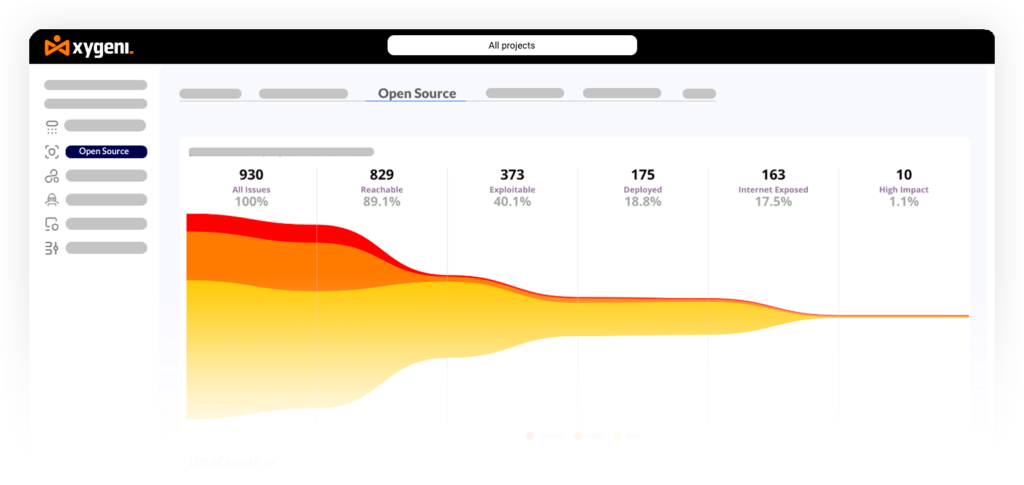
Mat Hëllef vun den automatiséierte Prioriséierungsfunnelen vun Xygeni kënnen d'Teams Schwachstelle sou behiewen, datt Sécherheetsrisiken mat operationeller Effizienz am Gläichgewiicht bleiwen.
Wéi Xygeni CVE, CVSS an EPSS fir eng méi intelligent Sanéierung benotzt
Fir Schwachstelle effektiv ze verwalten, brauche Sécherheetsteams méi wéi nëmmen eng Lëscht vu bekannte Problemer - si brauchen eng intelligent Method fir richteg Bedrohungen ze bewäerten an drop ze reagéieren. Dofir kombinéiert Xygeni CVE, CVSS, an EPSS fir e komplette a risikoorientéierte Wee fir d'Behuelung vu Schwachstelle ze bidden.
Hei ass, wéi se funktionéiert:
- CVE identifizéiert bekannt Schwachstellen, sou datt d'Équipen sech iwwer Sécherheetslücken an hirer Software an Ofhängegkeeten bewosst sinn.
- CVSS hëlleft d'Gravitéit ze bewäerten, andeems d'Équipen e numeresche Risikoscore kréien, fir Schwachstelle ze klassifizéieren.
- EPSS predizéiert d'Ausnotzung an der realer Welt, sou datt d'Teams prioritär kënne sinn, wat d'Attackeuren am wahrscheinlechsten als Zil hunn.
Dofir hëlleft Xygeni Sécherheetsteams konzentréiert Iech op déi wichtegst Schwachstelle a se méi séier ze reparéieren. Ausserdeem, andeems dës Bewäertungsmethoden derbäigesat ginn automatesch Workflows, Xygeni reduzéiert manuell Aarbecht an hält d'Équipen virun Sécherheetsbedrohungen.
Duerch Kombinatioun Bedrohungsinformatioun, Automatiséierung an DevSecOps-frëndlech Sanéierung, Xygeni mécht Sécherheet einfach, effektiv a séier- ouni d'Entwécklung ze verlangsamen.
Xygeni seng automatiséiert Léisunge fir d'Bekämpfung vu Schwachstelle
Schwachstelle identifizéieren ass just den Ufank -se séier an effizient ze reparéieren ass wat wierklech wichteg ass. Xygeni automatiséiert d'Bekämpfung vu Schwachstelle un:
1. Automatiséierung vun der Behënnerung vu Schwachstelle mat sécherem Patching
D'manuell Behiewe vu Schwachstelle ass lues an ineffizient, besonnesch wann verschidde Problemer déiselwecht Codebasis betreffen. eng kloer Strategie fir d'Prioriséierung vu Schwachstelle, Sécherheetséquipen kéinte sech op Problemer mat nidderegem Risiko konzentréieren, während méi kritesch Gefore bleiwen ongeléist. Dëse Mangel u strukturéiert Schwachstelleprioritéit kann zu Verspéidungen, Sécherheetslücken an onnéidegen Ustrengungen féieren. Fir dëst ze verhënneren, Xygeni automatiséiert d'Bekämpfung vu Schwachstelle, wat Sécherheetsreparaturen méi séier a méi einfach ze verwalten mécht.
Xygeni automatiséiert d'Prioriséierung a Sanéierung vu Schwachstelle andeems:
- Detektioun a Behiewe vu Schwachstelle an Open-Source-Ofhängegkeeten, déi mat CVE-Alarme verbonne sinn, mat Hëllef vu Analyse vun der Softwarekompositioun (SCA).
- generéieren pull requests mat sécheren Ofhängegkeetsupdates fir GitHub an GitLab, sou datt d'Reparaturen séier a mat minimalem Effort ugewannt ginn.
- Empfehlungen fir sécher Coden ubidden Statesch Applikatiounssécherheetstester (SAST) Erkenntnisser, déi Entwéckler hëllefen, Sécherheetslücken virum Asaz ze léisen.
- Ubidde vu Bulk-Auto-Reparaturméiglechkeeten, sou datt d'Teams kënnen verschidde Schwachstelle behiewen amplaz se direkt manuell ze behandelen.
Duerch automatiséieren Schwachstelleprioritéit a -behandlung, Xygeni mécht Open-Source- a code security méi einfach a méi efficaceAusserdeem kënnen d'Équipen sech drop konzentréieren Behënnerung vu Schwachstelle déi reell Risiken duerstellen, anstatt onnéideg Zäit ze verbréngen fir Patches ze verwalten.
2. Fréiwarnsystem fir Nulldagsbedrohungen
Heiansdo hunn Sécherheetséquipen keen direkten Patch verfügbar. Wann dat passéiert, musse se séier handelen, fir ze verhënneren, datt Schwachstelle ausgenotzt ginn. effektiv Prioriséierung vu Schwachstelle, kéinten Équipen héichrisikobedrohungen iwwersinn, déi dréngend Opmierksamkeet brauchen. Fir dëst ze hëllefen, blockéiert Xygeni Bedrohungen ier se Schued verursaachen.
Xygeni stäerkt d'Prioriséierung vu Schwachstelle a Zero-Day-Sécherheet duerch:
- Detektioun a Blockéierung Null-Dag Malware ier et an d'Entwécklung kënnt pipeline.
- Verdächteg Ofhängegkeeten a Quarantän setzen, fir ze verhënneren, datt béiswëlleg Pakete Software beaflossen.
- Echtzäitalarmer schécken, sou datt d'Équipen reagéiere kënnen, ier en Ugrëff geschitt.
Dës proaktiv Approche garantéiert, datt Sécherheetsteams sech op d'Behiewe vu Schwachstelle konzentréiere kënnen, déi dat direktst Risiko duerstellen. Mat Xygeni säi Frühwarnsystem, kënnen Organisatiounen Sécherheetsbedrohungen am Viraus bleiwen, och wann nach keng Patches verfügbar sinn.
3. Workflow-Integratioun fir automatiséiert Schwachstellebehandlung
Sécherheetsteams hunn dacks Schwieregkeeten, Schwachstelle séier ze verfollegen, zouzeweisen a ze léisen. richteg Prioriséierung vu Schwachstelle, d'Reaktiounszäite ginn méi lues, a kritesch Sécherheetsproblemer kéinte vernoléissegt ginn. Nach méi schlëmm ass, datt d'Équipen ze vill Zäit mat Schwachstelle mat geréngem Risiko iwwerdeems kritesch Bedrohungen bleiwen onverännert.
Fir d'Prioriséierung vu Schwachstelle ze verbesseren an d'Sanéierung vu Schwachstelle ze rationaliséieren, integréiert sech Xygeni direkt an d'Entwécklungsworkflows:
- Automatesch Zouweisung vun Sanéierungsaufgaben iwwer Jira, GitHub, a GitLab, sou datt Entwéckler Reparaturen ouni Verspéidungen kréien.
- Fortschrëtter vun der Sanéierung verfollegen mat dashboards an Schwachstelle-Prioriséierungsfunnelen, fir sécherzestellen, datt Sécherheetséquipen wëssen, wéi eng Schwachstelle dréngend Opmierksamkeet brauchen.
- Schwachstelle kontinuéierlech iwwerwaachen fir ze vermeiden héichriskante Sécherheetsbedrohungen, déi duerch d'Rëss rutschen.
Duerch Embedding Prioriséierung vu Schwachstelle a Behënnerung vu Schwachstelle an CI/CD pipelinesXygeni garantéiert, datt d'Sécherheet natierlech an den Entwécklungsprozess integréiert gëtt. Dofir mussen d'Teams d'Innovatioun net méi ënnerbriechen, fir sech mat Sécherheetsproblemer ausenanerzesetzen - d'Fixer geschéien am Hannergrond, wouduerch d'Applikatioune sécher bleiwen, ouni d'Entwécklung ze verlangsamen.
Wéi Xygeni DevSecOps fir méi séier Léisunge verbessert
Sécherheet sollt eng Top-Prioritéit sinn, awer si sollt d'Entwécklung net verlangsamen. Aus dësem Grond mécht Xygeni Prioriséierung vu Schwachstelle a Behënnerung vu Schwachstelle en integréierten Deel vun DevSecOps Workflows, fir sécherzestellen, datt d'Sécherheet skalierbar an effizient ass.
1. Agebaute Sécherheet fir CI/CD Pipelines
- Pre-commit scannen erkennt Schwachstelle ier se an d'Produktioun kommen.
- CI/CD Sécherheet Gates blockéieren nëmmen Asätz wann Schwachstelle mat héijem Risiko entdeckt ginn.
- Echtzäit-Sécherheetsalarmer informéieren d'Entwéckler ouni d'Aarbechtsflëss ze stéieren.
2. Prioriséierung vu Schwachstelle vum komplette Softwareliewenszyklus
Fir sécherzestellen kontinuéierlech SécherheetXygeni prioritéiert Schwachstelle bei all Entwécklungsphase andeems:
- Installéiere vu Sécherheetsgatteren an CI/CD pipelines ophalen Schwachstelle beim Erreeche vun der Produktioun.
- benotzt EPSS an Analyse vu Geschäftsrisiken ze garantéieren Schwachstelle mat héijem Impakt ginn als éischt behuewen.
- Iwwerwaachung an Tracking vun nei entdeckte Schwachstelle fir d'Sécherheetséquipen informéiert ze halen.
Duerch Embedding Prioriséierung vu Schwachstelle a Behënnerung vu Schwachstelle Iwwer de ganze Softwareliewenszyklus hëlleft Xygeni Organisatiounen, sécher ze bleiwen, ouni d'Softwareliwwerung ze verlangsamen.
Konklusioun: Dat Wichtegst méi séier reparéieren
Am Beräich vun der Sécherheet ass et net realistesch, all Schwachstelle ze behiewen - awer et ass essentiell, als éischt déi richteg ze behiewen. Ouni eng kloer Strategie verschwenden d'Équipen Zäit mat Problemer mat nidderegem Risiko, während richteg Bedrohungen nach ëmmer fir Attacke oppe bleiwen. Dofir brauchen Organisatiounen e méi intelligenten, méi automatiséierten Usaz, fir de Sécherheetsrisiken e Schrëtt viraus ze sinn.
Do mécht Xygeni en Ënnerscheed. Amplaz vun Alarmer ze iwwerschwemmen, kréien d'Sécherheetséquipen e strukturéiert Manéier fir Prioritéiten ze setzen, automatiséieren a Schwachstelle behiewen - ouni d'Entwécklung ze stéieren. Ausserdeem garantéiert Xygeni, andeems Sécherheet an existent Workflows integréiert gëtt, datt d'Teams sech op d'Liwwerung vu sécherer Software ouni zousätzlech Komplexitéit konzentréiere kënnen.
Xygeni garantéiert datt d'Bekämpfung vu Schwachstelle folgend ass:
- Fokusséiert op reelle Risiko benotzt EPSS, Erreechbarkeetsanalyse, an Affär Impakt fir als éischt dat ze korrigéieren, wat wierklech wichteg ass.
- Automatiséiert bei SDLC Etapp, vu sécher Patches an virtuelle Fixéierungen op CI/CD Integratioun, d'Reduktioun vun der manueller Aarbecht.
- Optiméiert fir Effizienz, eliminéieren alert Middegkeet wärend séchergestallt gëtt, datt kritesch Schwachstelle séier reparéiert.
Dofir transforméiert Xygeni d'Sécherheet vun engem Engpässe an en Erméiglecher. Ausserdeem kënnen d'Sécherheetsteams, andeems se Remediatioun an DevSecOps integréieren, Risiken reduzéieren an d'Entwécklung gläichzäiteg séier an agil halen.
Bereet opzehalen, falschen Alarmer ze verfollegen a richteg Sécherheetsrisiken ze behiewen?
Loosst eis Sécherheet séier, effizient a fir Entwéckler gëeegent maachen. Kontaktéiert Xygeni haut fir méi intelligent a méi séier Schwachstellebehebungen ze automatiséieren.