


如果您在 DevOps 工作流程中管理漏洞,那么了解 CWE 和 CVE 之间的区别不仅仅是理论上的(它是有效优先级排序的基础。仅在 2025 年上半年就披露了超过 23,000 个 CVE),而且 CVE 的数量同比增长了 16%,已编目的弱点和正在被利用的漏洞之间的差距正在以前所未有的速度缩小。本指南将解释 CWE 和 CVE 之间的关系,CVSS 和 EPSS 等评分系统如何帮助您确定优先级,以及如何在 DevOps 工作流程中使用它们。 pipeline 解决真正重要的问题。
基础知识:什么是 CWE 和 CVE?
什么是 CWE?
CWE(常见弱点枚举) 是一份结构化的软件缺陷列表——可以将其视为编码和设计缺陷的目录。由 迈特,CWE 有助于识别如果不加以解决就可能导致安全漏洞的模式。
- 目的: 防止在开发过程中弱点进入代码。
- 计费示例: CWE-89 指的是 SQL 注入——一种为数据库漏洞打开大门的设计缺陷。
- 观众: 主要为开发人员、安全架构师和培训师。
什么是 CVE?
另一方面, CVE(常见漏洞和暴露) 识别已在使用的软件中的特定漏洞。每个漏洞都分配有一个唯一的 CVE ID,以便于跟踪和修复。
- 目的: 管理和修复现有的安全问题。
- 计费示例: CVE-2023-12345 可能描述了一个广泛使用的库中的缓冲区溢出。
- 观众: DevOps 工程师、SOC 团队和安全分析师。
CVE 与 CWE:了解差异
关于 CVE 与 CWE 的争论经常发生,因为两者密切相关,但用途却截然不同。虽然 CWE(常见弱点枚举)会记录代码设计中的潜在缺陷,但 CVE 专注于在实际软件中发现的特定漏洞。了解常见弱点枚举和常见漏洞和暴露有助于弥合开发和运营之间的差距,确保主动和被动的安全措施都到位。
| CWE | CVE | |
|---|---|---|
| 它是什么 | 一种软件缺陷 | 一个具体的漏洞实例 |
| 维护者 | 迈特 | MITRE/CVE编号机构 |
| 目的 | 防止开发过程中出现缺陷 | 跟踪并修复已知漏洞 |
| 例如: | CWE-89:SQL注入(弱点类型) | CVE-2021-44228:Log4Shell(特定漏洞利用) |
| 目的 | 开发人员、建筑师、培训师 | DevOps、SOC团队、安全分析师 |
| 关系 | 一个 CWE 可能是数千个 CVE 的根本原因。 | 每个 CVE 都对应一个主要 CWE。 |
| 何时使用 | 左移、代码审查 SAST | 补丁管理, SCA事件响应 |
评分的作用:优先考虑重要事项
一旦确定了弱点 (CWE) 或漏洞 (CVE),确定优先级就成为下一个挑战。工程师经常在没有明确路线图的情况下同时使用多个评分系统(如 CVSS 和 EPSS)。因此,了解这些评分的工作原理至关重要。
CVSS 评分
通用漏洞评分系统(CVSS) 根据漏洞的严重程度对其进行评估,使用可利用性和影响等指标。因此,分数范围从 0(低风险)到 10(严重)。
- 强度: 得到普遍认可且详细。
- 弱点: 缺乏实时背景,导致优先级过高。
EPSS 评分
漏洞预测评分系统(每股收益)预测现实世界中被利用的可能性,帮助您关注最有可能被攻击者利用的漏洞。
- 强度: 情境感知且动态。
- 弱点: 对 CVSS 进行补充,但不是独立的替代品。
2026 年,领先的平台将 CVSS 和 EPSS 与可达性分析相结合,不仅根据严重性或可能性筛选结果,还根据漏洞代码是否实际在应用程序中被调用来筛选结果。这种三层方法目前已成为行业标准。 standard 用于减少大型代码库中的漏洞噪音。
将 CWE 映射到 CVE
常见弱点列举 这些条目通常与 CVE 相关联,弥补了潜在弱点与其在现实世界中的表现之间的差距。例如:
- CWE-79 (XSS) → CVE-2023-56789(Web应用程序中的XSS漏洞)。
因此,了解 CVE 与 CWE 可以让工程师追踪漏洞的根本原因并实施更好的设计保障措施。
找到适合 CWE 和 CVE 管理的工具
1. 探索 CWE 目录和工具
CWE 目录是软件弱点的结构化列表。此外,它对于在开发早期预防漏洞非常有用。
- 访问 CWE 网站: 按类别或与您的堆栈的相关性探索 CWE 弱点。
- CWE 映射到 CVE: 使用 MITRE 的工具将常见弱点链接到特定的 CVE,从而弥合设计缺陷与可利用的漏洞之间的差距。
专业提示: 使用 CWE 作为代码审查的基准或与 CI/CD Xygeni 等工具用于自动检测和预防编码缺陷。
2. 实时搜索和跟踪 CVE
CVE 数据库列出了软件中已存在的漏洞,从而可以更快地进行修复。此外,自动化此过程可以节省大量时间。
- 按产品或供应商搜索 CVE: 使用 NVD CVE 数据库 找到已知的漏洞。
- 自动警报: Xygeni 等工具将 CVE 跟踪集成到您的 CI/CD pipelines,确保立即对关键漏洞发出警报。
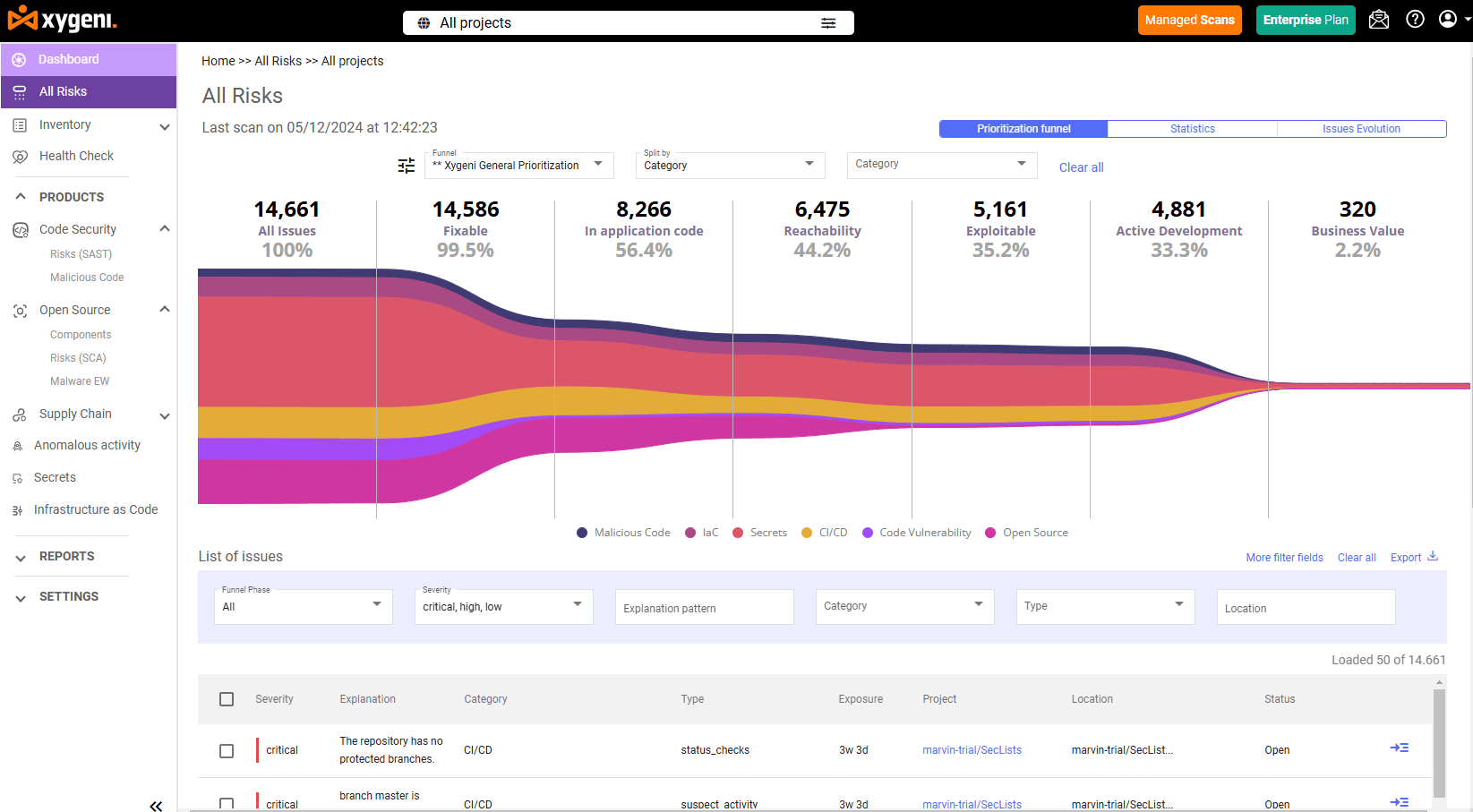
Xygeni 的优先级排序漏斗如何工作
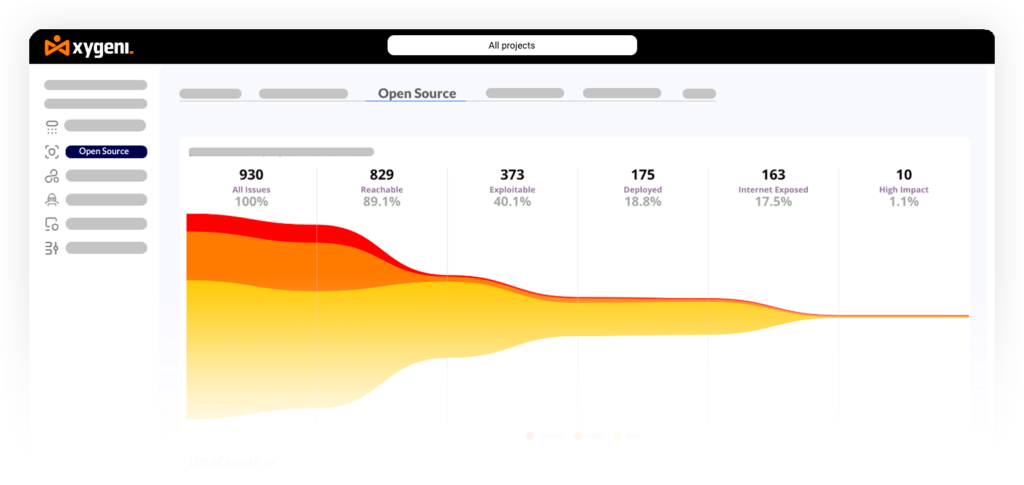
Xygeni 通过提供优先级排序漏斗简化了 CVE 与 CWE 的管理,使您的工作重点集中在可操作的风险上。通过分析常见弱点枚举条目以及 CVE 漏洞,Xygeni 可确保您的团队专注于修复最重要的问题。
主要特征:
- 开箱即用的漏斗
Xygeni 提供预定义的漏斗,例如“Xygeni 优先级”和“Xygeni 可达性”。- 例如:通过结合 EPSS、可达性、业务影响和互联网暴露情况,筛选出优先级较低的问题,将 28,000 个漏洞减少到少数几个可操作的漏洞。Xygeni 的 ASPM 平台 CWE 和 CVE 研究结果的相关性 SAST, SCA将 DAST 和第三方扫描器整合到一个优先排序的风险视图中,这样您的团队就可以修复重要的漏洞,而不仅仅是 CVSS 评分最高的漏洞。
- 自定义漏斗以实现精细控制
构建适合您组织的自定义渠道。例如:- 可达性: 您的应用程序中是否实际调用了存在漏洞的代码?
- 可利用性: 该漏洞被利用的可能性有多大?
- 集成的 CWE 和 CVE 上下文
- CWE 映射有助于识别根本原因,如编码弱点(例如,CWE-89:SQL 注入)。
- CVE 洞察通过 EPSS 和 CVSS 分数丰富,根据实际风险对漏洞进行优先排序。
为什么这对 DevOps 和安全团队如此重要
管理 CVE 与 CWE 不仅仅是修复漏洞,而是修复正确的漏洞。因此,Xygeni 的工具可让您:
- 关注可触及的弱点 常见弱点列举 名单。
- 根据实际影响对 CVE 进行优先排序。
- 使修复与业务优先级保持一致。
立即简化 CVE 和 CWE 管理
大规模管理 CVE 与 CWE 不仅仅是跟踪标识符,还意味着关联弱点、评估实际可利用性,并修复环境中真正重要的问题。Xygeni 的 一体化应用安全平台 结合 SAST, SCA, ASPM以及人工智能驱动的优先级排序,以消除漏洞噪音,从而使您的团队能够减少分类时间,将更多时间用于交付安全代码。
常见问题解答
CWE和CVE有什么区别?
CWE(通用弱点枚举)描述了一种软件弱点类型,它是漏洞背后的根本原因类别。CVE(通用漏洞披露)则标识了特定产品中的特定漏洞实例。一个 CWE 可能是数千个 CVE 的根本原因。
CWE 与 CVE 的区别是什么?
CWE-89 将 SQL 注入描述为一种弱点类型。CVE-2021-44228 (Log4Shell) 是 Apache Log4j 中一个具体的、可利用的漏洞。Log4Shell 对应于一个 CWE 根本原因,但它是一个独立的、可追踪的 CVE,拥有自己的补丁和严重性评分。
CWE 和 CVE 哪个更重要?
两者用途不同,但配合使用效果最佳。CWE 有助于在开发过程中预防漏洞。CVE 有助于修复生产环境中已知的漏洞。成熟的安全程序会在代码审查期间使用 CWE,并且 SAST 扫描和 CVE 跟踪期间 SCA 以及补丁管理。
CVSS是什么?它与CVE有什么关系?
CVSS(通用漏洞评分系统)是用于对 CVE 进行 0-10 分等级评分的严重性评分框架。它有助于确定优先修复哪些 CVE,但它缺乏实时可利用性上下文,因此大多数团队现在将其与 EPSS 分数结合使用。
什么是EPSS?它为什么重要?
EPSS(漏洞利用预测评分系统)预测 CVE 在未来 30 天内被实际利用的可能性。结合 CVSS 严重性和可达性分析,EPSS 是目前减少漏洞噪音、将修复工作集中在攻击者实际目标的最有效方法。
Xygeni 如何帮助管理 CWE 和 CVE?
Xygeni 的优先级排序漏斗结合了 CVSS、EPSS、可达性、互联网暴露情况和业务影响,将数千个原始 CVE 发现结果精简为少数真正可操作的风险。CWE 映射能够识别根本原因,使团队能够修复潜在弱点,而不仅仅是修补个别实例。