
Introduzione: Perchè i testi di sicurezza di l'applicazione sò impurtanti
Sè vo custruite un software, sicurezza per u sviluppu di software ùn hè micca solu un aghjuntu - hè un must. Mentre e minacce cibernetiche si evolvunu ogni ghjornu, i testi di sicurezza di l'applicazione ghjocanu un rolu cruciale per rilevà e vulnerabilità in anticipu, assicurendu un sviluppu di software più sicuru. Tuttavia, rilevà i prublemi hè solu a mità di a battaglia. U più impurtante, cumu li riparate ? Per risponde à questu, esploreremu diverse tippi di teste di sicurezza di l'applicazione, e migliori pratiche in i testi di sicurezza in u sviluppu di software, è strategie di rimediazione chì vi aiuterà à spedisce codice sicuru in modu efficiente.
Tipi di test di sicurezza di l'applicazione
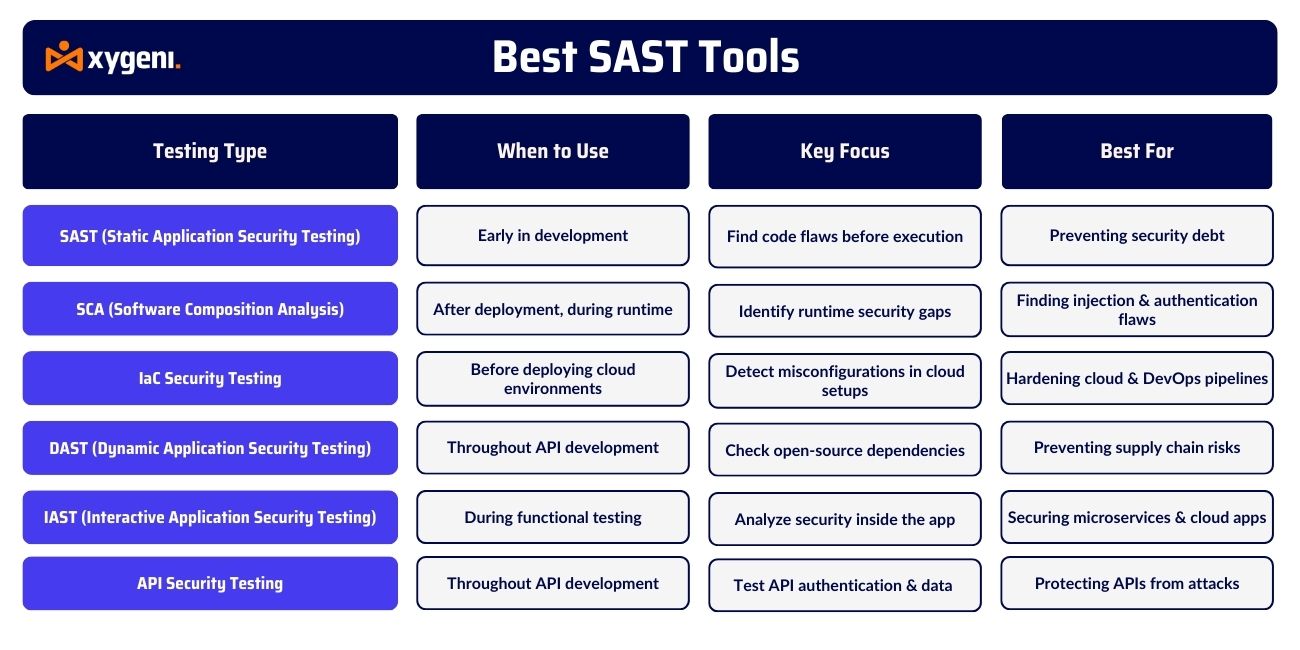
A sicurità per u sviluppu di software richiede più cà un solu approcciu di prova. A sicurità di l'applicazioni ùn hè micca un prucessu unicu per tutti. Invece, diversi metudi di prova di sicurezza di l'applicazioni aiutanu à scopre vulnerabilità in diversi livelli. tappe di u ciclu di vita di u sviluppu di u software (SDLC).
Superpunendu sti approcci di sicurezza, e squadre ponu rinfurzà l'applicazioni, riduce i risichi di sicurezza è prevene e vulnerabilità prima chì l'attaccanti li sfruttinu. Ogni metudu ghjoca un rolu unicu in a sicurezza di u software, assicurendu a prutezzione da u sviluppu di u codice à a implementazione.
Fighjemu più da vicinu i tipi più efficaci di test di sicurezza di l'applicazioni è cumu aiutanu e squadre à custruisce software più sicuru.
1. Analisi di a Cumposizione di u Software (SCA)
In più di l'analisi di u codice pruprietariu, l'applicazioni muderne si basanu assai nantu à e biblioteche open-source. Mentre chì sti cumpunenti ponu esse benefichi, ponu ancu introduce risichi per a sicurezza. Eccu induve Analisi di Cumpusizione di Software vene in - aiuta e squadre à monitorà continuamente e dipendenze di terze parti per vulnerabilità è prublemi di licenza.
Quandu Aduprà: Continuamente, à traversu u SDLC.
Cumu Funziunamentu: Scansiona e dipendenze open-source per vulnerabilità cunnisciute è cumpunenti obsoleti.
U megliu per: Prevenzione di l'attacchi à a catena di furnimentu è garanzia di cunfurmità cù a sicurezza standards.
2. Test di Sicurezza di l'Applicazione Statica (SAST)
Prima di tuttu, hè cruciale di rilevà i difetti di sicurezza à l'iniziu di u sviluppu. SAST permette à i sviluppatori d'identificà e vulnerabilità prima ancu chì u codice sia eseguitu, assicurendu chì i prublemi sianu risolti prima ch'elli diventinu prublemi costosi.
Quandu Aduprà: À l'iniziu di u sviluppu (sicurezza shift-left).
Cumu Funziunamentu: Scansiona u codice prima di l'esecuzione, rilevendu vulnerabilità in u codice surghjente, in u bytecode o in i binari.
U megliu per: Identificà i difetti à livellu di codice prima di u implementazione.
3. Infrastruttura cum'è Codice (IaC) Test di sicurezza
Cù l'adopzione rapida di l'ambienti cloud, a sicurità di e cunfigurazioni di l'infrastruttura hè altrettantu impurtante chè a sicurità di u codice di l'applicazione. IaC security I testi assicuranu chì i sbagli di cunfigurazione sò rilevati è curretti prima di u spiegamentu.
Quandu Aduprà: Prima di implementà ambienti cloud.
Cumu Funziunamentu: Scansioni Terraform, Formazione di nuvola, Kubernetes, e Docker i schedari per i risichi di sicurezza.
U megliu per: Assicurà applicazioni native di u cloud è DevOps sicure pipelines.
4. Test di Sicurezza di l'Applicazione Dinamica (DAST)
Ô cuntrariu SAST, chì analizeghja u codice staticu, DAST adotta un approcciu diversu testendu l'applicazioni mentre sò in esecuzione. Simulendu attacchi in u mondu reale, DAST identifica e lacune di sicurezza chì appariscenu solu durante l'esecuzione.
Quandu Aduprà: Dopu à u spiegamentu, durante l'esecuzione.
Cumu Funziunamentu: Attacca l'app cum'è un pirate informaticu, rilevendu debulezze di sicurezza in un ambiente in diretta.
U megliu per: Truvà attacchi d'iniezione, difetti d'autentificazione è cunfigurazioni errate.
5. Test di Sicurezza di l'Applicazione Interattiva (IAST)
Certe vulnerabilità ponu passà per e prove statiche è dinamiche. Per colmà u fossu, IAST furnisce analisi di sicurezza in tempu reale durante l'esecuzione di l'applicazione, permettendu à e squadre di rilevà e vulnerabilità dinamicamente pur cunservendu u cuntestu di u codice.
Quandu Aduprà: Durante e prove funziunali.
Cumu Funziunamentu: Utilizza l'analisi in tempu reale in l'applicazione per identificà i risichi di sicurezza.
U megliu per: Microservizii, applicazioni containerizzate è applicazioni native di u cloud.
6. Test di Sicurezza API
Mentre l'API diventanu a spina dorsale di l'applicazioni muderne, sò sempre più bersagli di ciberattacchi. I testi di sicurezza di l'API assicuranu chì i punti finali restanu prutetti da cunfigurazioni errate è da nisun accessu autorizatu.
Quandu Aduprà: In tuttu u sviluppu di l'API.
Cumu Funziunamentu: Scansione per l'autenticazione debule, cunfigurazioni improprie è l'esposizione di dati.
U megliu per: Prevenzione di minacce di sicurezza è fughe di dati relative à l'API.
E migliori pratiche in i test di sicurezza per u sviluppu di software
A sicurità di l'applicazioni ùn hè micca solu una questione di fà testi, ma di fà di a sicurità una parte naturale di u prucessu di sviluppu. Seguendu ste migliori pratiche, e squadre ponu rilevà e vulnerabilità in anticipu, automatizà i cuntrolli di sicurità è fucalizza nantu à a riparazione di e minacce reali senza rallentà u sviluppu.
1. Sposta a Sicurezza à Sinistra
A sicurità deve cumincià à l'iniziu di u ciclu di sviluppu, micca dopu à u spiegamentu.
- Run SAST e SCA scansioni appena u codice hè scrittu per impedisce chì i prublemi di sicurezza ghjunghjenu à a pruduzzione.
- Dà à i sviluppatori feedback attivu cusì ponu riparà e vulnerabilità prima ch'elle diventinu risichi maiò.
2. Automatizà a Sicurezza in CI/CD Pipelines
A sicurità deve travaglià à Velocità DevOps, micca rallentà.
- Integrate SAST, DAST, è SCA in u vostru CI/CD pipelines per scansà ogni codice commit automaticamente.
- U Paghjolu cuntrolli basati nantu à e pulitiche per impedisce chì u codice micca sicuru sia implementatu.
3. Prutegge e vostre dipendenze
Applicazioni muderne dipende da u software open-source, chì ponu introduce risichi di sicurezza nascosti.
- Automatizà SCA scanning per rilevà biblioteche di terze parti vulnerabili prima ch'elle diventinu un prublema.
- Eliminar dipendenze obsolete è applicà i patch appena diventanu dispunibili.
4. Priorità di e vulnerabilità per risicu
Micca tutte e vulnerabilità sò listesse - cuncentratevi nantu à riparà ciò chì veramente importa.
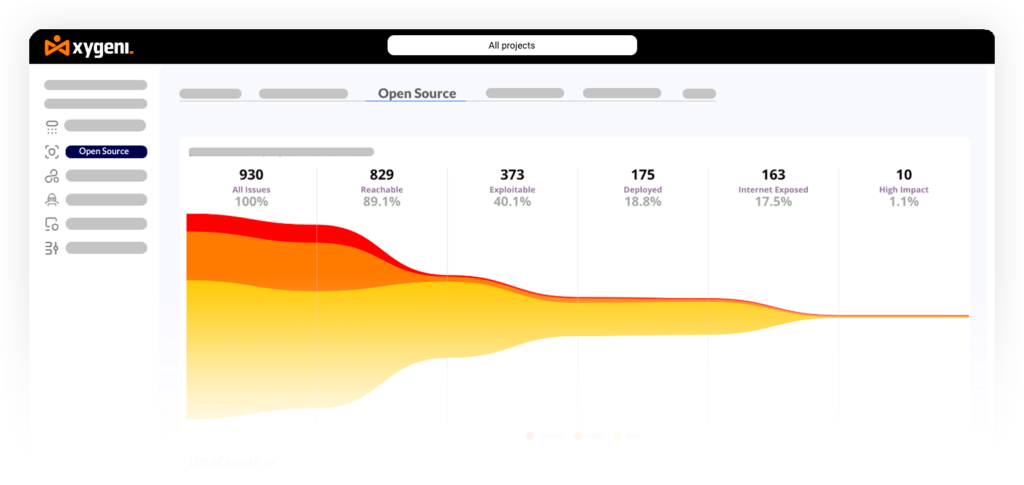
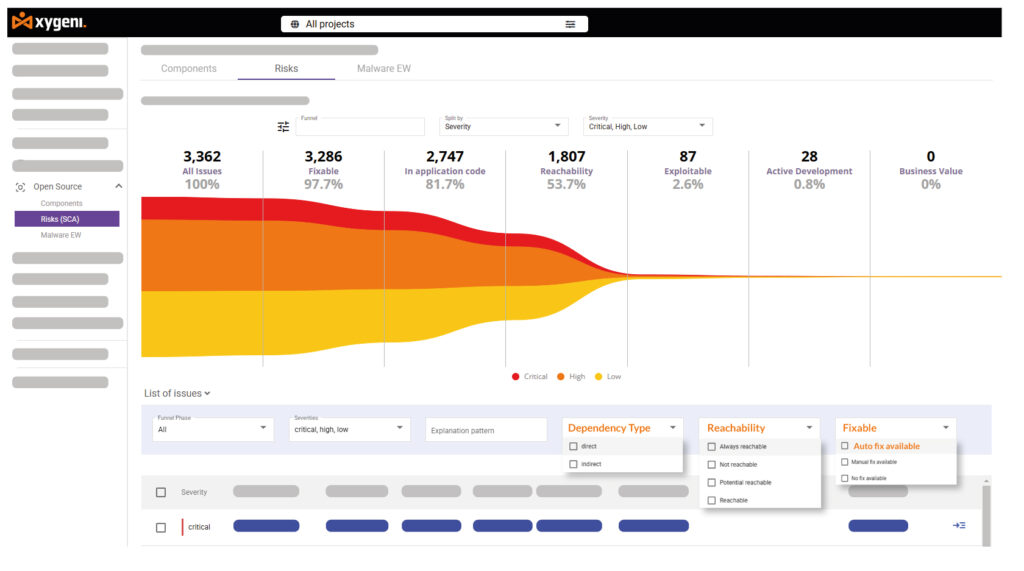
- U Paghjolu Puntuazione EPSS è analisi di raggiungibilità à priurità risichi sfruttabili annantu à prublemi minori.
- Reduce fatica alerta filtrendu l'avvertimenti di sicurezza à bassu impattu.
5. Monitorà l'anomalie in tempu reale
E minacce à a sicurità ùn si fermanu micca quandu u codice hè implementatuu monitoraghju cuntinuu hè chjave.
- U Paghjolu rilevazione di anomalie in tempu reale per seguità i cambiamenti micca autorizati in CI/CD pipelines è cunfigurazioni di nuvola.
- Pigliate è curregge e derive di sicurezza prima ch'elli portinu à una violazione.
Chì ghjè EPSS è perchè hè impurtante
Micca ogni vulnerabilità hè una vera minaccia, è e squadre di sicurezza ùn ponu micca riparà tuttu in una volta. U Sistema di Puntuazione di Previsione di Exploit (EPSS) aiuta à dà priorità à e vulnerabilità basate nantu à l'exploitabilità di u mondu reale, assicurendu chì e squadre si cuncentrinu nantu à l'attacchi più prubabili.
- Cumu Funziunamentu: Invece di trattà tutte e vulnerabilità di listessa manera, EPSS assigna un puntuazione di risicu basatu annantu à e tendenze attuali di l'exploit. Di cunsiguenza, e squadre ponu risolve prima i prublemi critichi prima chì l'attaccanti ne prufittinu.
- Perchè hè utile: Cù millaie di nuove vulnerabilità chì appariscenu ogni ghjornu, EPSS filtra l'alerte micca necessarie cusì e squadre ponu cuncentrazione nantu à i prublemi à altu risicu invece di passà u tempu à fà minacce minori.
- Cumu Xygeni l'usa: Per migliurà EPSS, Xygeni assicura chì l'analisi di raggiungibilità sia inclusa, furnisce squadre à riparà solu e vulnerabilità sfruttabili mentri evitendu l'alerte di bassu impattu.
Utilizendu EPSS, Xygeni aiuta e squadre di sicurezza è DevOps à risolve i prublemi ghjusti - in modu più veloce è più intelligente.
Strumenti di Test di Sicurezza di l'Applicazione Xygeni
À Xygeni, credemu chì a sicurità duveria empower sviluppu, micca rallentà lu. U nostru Soluzioni di test di sicurezza di l'applicazione sò custruiti per velocità, precisione è integrazione DevOps senza soluzione di continuitàEccu ciò chì distingue Xygeni:
- Best-in-Class SAST – Rileva e vulnerabilità prima di l'esecuzione di u codice è risolve i prublemi di sicurezza in anticipu per riduce u debitu tecnicu.
- Intelligente SCA – Monitorà e dipendenze open-source in tempu reale, impediscendu l'attacchi à a catena di furnimentu.
- Integrazione DevOps senza sforzu - Funziona cun Jenkins, Azzioni GitHub, GitLab CI/CD, Bitbucket Pipelines, è Azure DevOps per scansioni di sicurezza automatizate.
- Priorizazione intelligente, micca rumore – U puntuatu EPSS è l'analisi di raggiungibilità assicuranu e squadre Riparate ciò chì importa, micca falsi avvisi.
- Riparazioni più veloci cù l'automatizazione – L'orientazione di riparazione accelera a risoluzione, mantenendu i sviluppatori produttivi.
Cù Xygeni, e squadre custruisce un software sicuru senza cumplessità-cusì ponu spedisce più velocemente, cun fiducia.
Cunclusione: Sicurezza più intelligente per i test di sicurezza di l'applicazione
A sicurità per u sviluppu di software ùn hè micca solu di truvà vulnerabilità, ma di riparà li in modu efficiente senza rallentà e versioni. Usendu i tipi adatti di test di sicurezza di l'applicazione è e migliori pratiche in i test di sicurezza per u sviluppu di software, e squadre ponu fà di a sicurità una parte integrante di u so flussu di travagliu.
To simplificate a sicurità senza compromessi, e squadre devenu:
- Integrate a sicurità prestu per prevene e vulnerabilità prima ch'elle diventinu costose.
- Automatizà a sicurità in CI/CD pipelines per catturà i prublemi prima di u spiegamentu.
- Monitorà e dipendenze cù SCA per evità i risichi di a catena di furnimentu.
- Cuncentratevi nantu à e minacce reale usannu EPSS è analisi di raggiungibilità.
- API di prova è infrastruttura cuntinuamente per impedisce e lacune di sicurezza.
At Xygeni, a sicurità stà à u passu cù DevOps—rapidu, efficiente è custruitu per e squadre di sviluppu muderne.
Vulete assicurà u vostru software senza ostaculi? Cuntattate Xygeni oghje è migliurà a vostra strategia di sicurezza.