Vuoden 2027 parhaat kyberturvallisuustyökalut

Discover the Best Cybersecurity and AppSec Tools to Secure Your Software in 2027

Xygeni’s cybersecurity tools lists compare the leading AppSec and software supply chain security tools by category, from SAST, SCA and DAST to SBOM, IaC, malware detection and AI security, so you can shortlist the right tools for your 2027 security stack in minutes.

Which list do you need?

Jos sinun täytyy...Lue
Find vulnerabilities in your own codeylin SAST Työkalut
Check open-source dependencies for CVEs and licenses10 parasta ohjelmistokoostumuksen analysointityökalua
Test running apps and APIs like an attackerParhaat dynaamisen sovellusten tietoturvatestauksen (DAST) työkalut
Find vulnerabilities across your apps and infrastructureTop 10 Vulnerability Scanning Tools
Detect malicious packages5 parasta avoimen lähdekoodin haittaohjelmien skannausohjelmaa
Generate and manage SBOMsTop 6 SBOM Työkalut
Secure Terraform and Kubernetes templatesTop 7 IaC Työkalut
Secure your DevOps toolchain10 parasta DevOps-tietoturvatyökalua
Secure AI models, agents and LLM appsTop AI Security Tools
Run automated, AI-driven penetration testsTop AI Pentesting Tools

How we evaluate tools

Each list compares tools on the same criteria: detection coverage, accuracy and false positives, fit with the developer workflow (IDE, pull requests, CI/CD), deployment options (SaaS, on-premises, air-gapped), integrations, and pricing transparency. We base our comparisons on vendor documentation, public pricing, and product testing where available, and we refresh each list for the new year and whenever the market changes.

Olemme mukana Xygeni in the categories where it competes, and we note this in each list so you can weigh our view accordingly.

Compare Xygeni

Already shortlisting tools for 2027? See how Xygeni compares side by side with the platforms you’re evaluating.

Parhaat kyberturvallisuustyökalut -listojen lisäksi seuraavista resursseista voi olla hyötyä...

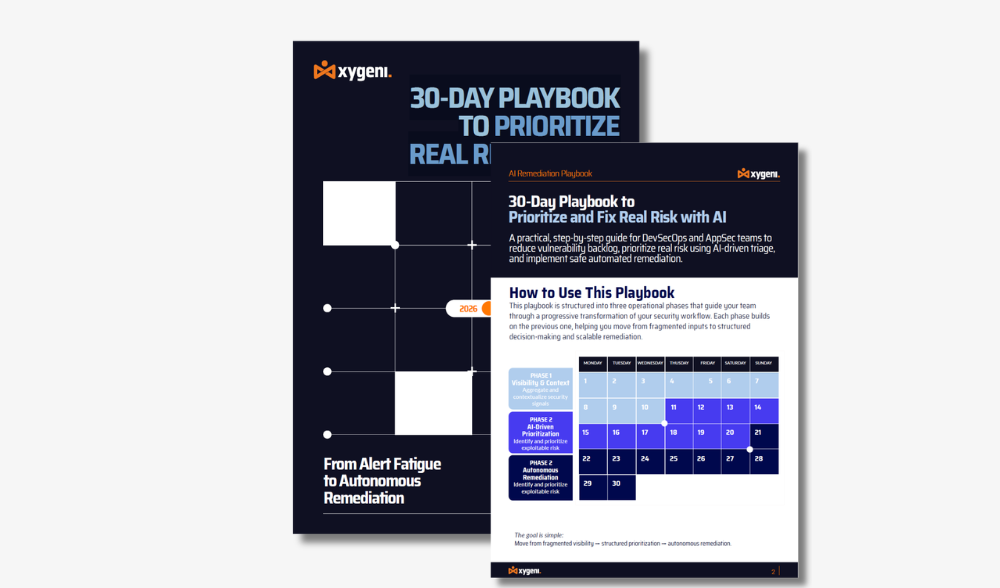
30 päivän tekoälyn korjausopas

30 päivän tekoälyn korjausopas

Tämä käytännöllinen 30 päivän käsikirja näyttää, kuinka DevSecOps- ja AppSec-tiimit voivat vähentää kohinaa, priorisoida todellisia hyödynnettävissä olevia riskejä ja ottaa tekoälyavusteisia korjaavia toimia turvallisesti käyttöön kaikkialla. SDLCTutustu siihen, miten voit yhdistää havaintoja eri puolilla SAST, SCA, salaisuuksia, IaCja CI/CD, paranna haavoittuvuuksien priorisointia kontekstuaalisen riskianalyysin avulla ja ota käyttöön hallittua automaatiota menettämättä näkyvyyttä tai hallintaa. Lataa käsikirja ja opi siirtymään reaktiivisesta triagesta skaalautuvaan, älykkääseen korjaavaan toimintaan vain 30 päivässä.
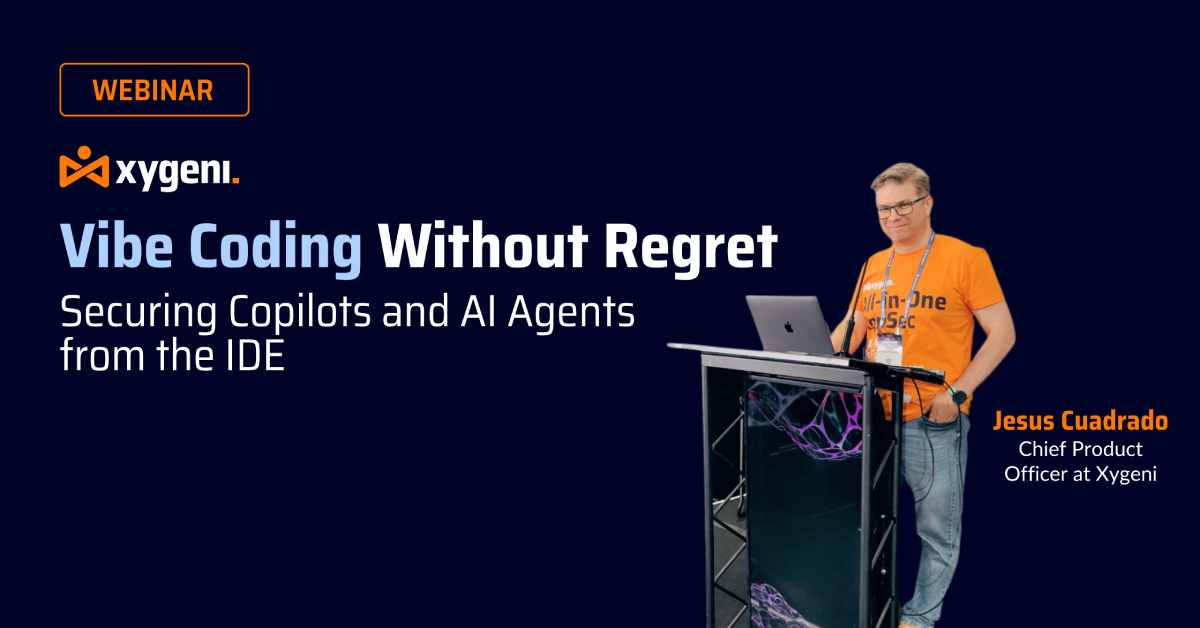
Tunnelmakoodaus ilman katumusta -webinaari

Vibe-koodausta ilman katumusta: Apukäyttäjien ja tekoälyagenttien suojaaminen IDE:ltä

Katso nyt webinaarimme Vibe Coding Without Regret. Tekoäly mullistaa ohjelmistojen rakentamista, sillä apukäyttäjät ja tekoälyagentit tuottavat yhä suuremman osan tuotantokoodista. Tässä sessiossa näet, miten tekoälyn luomaa koodia voidaan suojata suoraan IDE:ssä reaaliaikaisen haavoittuvuuksien tunnistuksen avulla. guardrails Copilotille ja saavutettavuuteen perustuvalle priorisoinnille. Tutustu siihen, miten tekoälyavusteinen korjaus auttaa kehittäjiä korjaamaan ongelmia tehokkaasti ja rakentamaan turvallista, tekoälypohjaista ohjelmistoa menettämättä hallintaa. Katso se nyt ja opi rakentamaan turvallista, tekoälypohjaista ohjelmistoa alusta alkaen.
What changes in software security in 2027

Three shifts are reshaping how teams choose security tools for 2027. First, AI coding assistants and agents now write and change a large share of production code, so security has to run where that code is written, not weeks later. Second, software supply chain attacks keep growing, from malicious packages to compromised CI/CD pipelines, and regulations like NIS2, DORA and the EU Cyber Resilience Act turn supply chain security into a compliance requirement. Third, AI is now part of the application itself, which adds a new attack surface: models, prompts, agents and MCP servers.

No single scanner covers all of it. That’s why teams combine several types of tools, and why choosing the right ones, and making them work together, matters as much as choosing the best one in each category.

What are the essential cybersecurity tools for software teams in 2027?

Most software teams need SAST to find flaws in their own code, SCA to check open-source dependencies, secrets detection to stop leaked credentials and DAST to test running applications. In 2027, more teams also add malware detection for open-source packages, CI/CD security and, if they build with AI, AI security tools.

Mikä ero on? SAST, DAST ja SCA?

SAST analyzes your source code without running it, to find vulnerabilities such as SQL injection early. DAST tests the running application from the outside, the way an attacker would. SCA checks the open-source dependencies you import for known vulnerabilities, license issues and, in some tools, malicious packages.

Do I need separate tools or one platform?

Many teams start with separate tools, then struggle with duplicated alerts and no shared view of risk. An Application Security Posture Management (ASPM) platform brings findings from every scanner, including third-party tools you already use, into one prioritized view, so you can consolidate without ripping anything out.

How often are these lists updated?

We refresh each list for the new year and update it whenever vendors release major capabilities, change pricing or new tools enter the category. Each list shows the date of its last update.

Ready to secure your software in 2027?

Xygeni Product Suite voi auttaa sinua!