Pengujian Penetrasi vs Pemindaian Kerentanan: Apa yang Perlu Diketahui Pengembang
Perkembangan teknologi modern bergerak cepat, begitu pula para penyerang. Akibatnya, menemukan dan memperbaiki kelemahan keamanan sejak dini bukanlah pilihan lagi. Namun, masih banyak tim yang mencampuradukkan hal ini. pengujian penetrasi vs pemindaian kerentanandengan asumsi keduanya melakukan pekerjaan yang sama. Pada kenyataannya, mereka menangani lapisan risiko keamanan yang berbeda dan saling melengkapi di berbagai bidang. SDLC.
Panduan ini menjelaskan cara kerja masing-masing, kapan harus menggunakannya, dan bagaimana tim DevSecOps modern mengotomatiskan keduanya dengan pengujian keamanan berkelanjutan.
Apa Itu Pemindaian Kerentanan?
A pemindaian kerentanan Secara otomatis memeriksa sistem, kode, atau dependensi untuk mengetahui kelemahan yang diketahui.
Cara kerjanya seperti kontinu health check, membandingkan lingkungan Anda dengan basis data besar seperti NDV.
Alat pemindaian kerentanan mencari:
- Pustaka atau kontainer yang sudah usang
- Patch yang hilang atau kesalahan konfigurasi
- Kerentanan CVE yang diketahui atau ketergantungan berisiko tinggi
- Rahasia yang dikodekan secara permanen atau pola kode yang tidak aman
Karena pemindaian ini berjalan cepat dan teratur, pemindaian ini memberikan umpan balik hampir secara real-time kepada pengembang. Selain itu, platform pemindaian modern terintegrasi langsung ke dalam CI/CD pipelines, Tindakan GitHub, dan IDE.
Singkatnya, pemindaian kerentanan Membantu tim mendeteksi masalah umum sejak dini, sebelum masalah tersebut mencapai tahap produksi.
Apa itu Pengujian Penetrasi?
Pengujian penetrasi, di sisi lain, adalah serangan simulasi.
Alih-alih hanya mengidentifikasi kelemahan yang diketahui, penguji penetrasi (atau alat otomatis) secara aktif mencoba mengeksploitasinya. Tujuannya adalah untuk mengevaluasi bagaimana penyerang sebenarnya dapat bergerak melalui lingkungan Anda.
A uji penetrasi dapat meliputi:
- Upaya mengeksploitasi API yang rentan
- Pengujian otentikasi dan kontrol akses
- Menggabungkan beberapa masalah untuk mensimulasikan gerakan lateral.
- Menilai dampak bisnis dan paparan data.
Berbeda dengan pemindaian kerentanan, pengujian penetrasi membutuhkan keahlian dan konteks manusia. Oleh karena itu, cenderung manual, berkala, dan tertarget, sering dilakukan sebelum perilisan besar atau audit kepatuhan.
Pengujian Penetrasi vs Pemindaian Kerentanan: Perbedaan Utama
| Aspek | Pemindaian Kerentanan | Pengujian Penetrasi |
|---|---|---|
| Tujuan | Temukan kelemahan yang diketahui secara otomatis. | Simulasikan serangan dunia nyata secara manual. |
| Pendekatan | Otomatis dan berkelanjutan | Dipandu dan ditargetkan oleh manusia |
| Kedalaman | Cakupan luas di permukaan. | Eksploitasi mendalam dan terfokus |
| Frekuensi | Mingguan atau terintegrasi per commit | Setiap tiga bulan sekali atau sebelum rilis besar. |
| Keluaran | Daftar kerentanan yang terdeteksi | Bukti eksploitasi, laporan dampak, saran mitigasi. |
| Terbaik untuk | Deteksi risiko dan kebersihan rutin | Validasi risiko dan kepatuhan yang realistis |
Bagaimana Menafsirkan Perbedaan-Perbedaan Ini?
Memahami pengujian penetrasi vs pemindaian kerentanan Ini seperti merawat mesin yang kompleks. Kedua pendekatan tersebut Jaga agar sistem Anda tetap berjalan dengan aman., tapi mereka melayani tujuan yang berbeda ke bekerja pada kedalaman yang berbeda.
Pemindaian kerentanan bekerja seperti inspeksi rutin, cepat, dapat diulang, dan sempurna untuk mendeteksi masalah umum sejak dini. Ini membantu Anda menemukan dependensi yang sudah usang, patch yang hilang, atau konfigurasi yang tidak aman sebelum mencapai tahap produksi. Sebaliknya, pengujian penetrasi lebih seperti pengujian beban penuh, ia mendorong aplikasi hingga batas kemampuannya dan mengungkap bagaimana aplikasi tersebut sebenarnya bereaksi dalam kondisi serangan nyata.
Pemindaian kerentanan menggunakan otomatisasi dan standardsistem penilaian yang terstruktur, sehingga ideal untuk penggunaan sehari-hari. DevSecOps pipelineSementara itu, pengujian penetrasi menambahkan kreativitas dan penalaran manusia untuk mensimulasikan jalur serangan dunia nyata yang mungkin terlewatkan oleh otomatisasi. Bersama-sama, keduanya membentuk satu proses yang menggabungkan kecepatan dengan ketelitian.cision.
Jika dilakukan dengan benar, pemindaian kerentanan versus pengujian penetrasi menjadi lingkaran umpan balik yang berkelanjutan. Pemindaian memberikan visibilitas luas di seluruh basis kode, sementara pengujian mengkonfirmasi kerentanan mana yang benar-benar dapat dieksploitasi. Keseimbangan tersebut membantu tim untuk tetap proaktif alih-alih reaktif, mendeteksi sejak dini dan memvalidasi secara mendalam.
Pada akhirnya, jangan melihat avpemindaian kerentanan vs uji penetrasi sebagai pilihan di antara berbagai alat. Ini adalah kemitraanPemindaian otomatis mendeteksi risiko dalam skala besar, dan pengujian penetrasi memastikan perbaikan benar-benar berfungsi saat dibutuhkan.
Pro dan Kontra dari Setiap Metode
Kedua pendekatan tersebut memiliki kekuatan dan kelemahan, dan memahaminya akan membantu tim untuk memutuskan kapan dan bagaimana menerapkan masing-masing pendekatan secara efektif.
| metode | Kelebihan | Kekurangan |
|---|---|---|
| Pemindaian Kerentanan | ✅ Cepat dan otomatis ✅ Mudah diskalakan di berbagai proyek ✅ Terintegrasi ke dalam CI/CD ✅ Ideal untuk umpan balik berkelanjutan | ⚠️ Temuan dangkal ⚠️ Mungkin termasuk hasil positif palsu ⚠️ Terbatas pada kerentanan yang diketahui |
| Pengujian Penetrasi | ✅ Simulasi serangan realistis ✅ Memastikan kerentanan dapat dieksploitasi ✅ Memvalidasi kontrol dan guardrails ✅ Memberikan konteks bisnis | ⚠️ Mahal dan lebih lambat ⚠️ Tidak berkelanjutan ⚠️ Bergantung pada keahlian penguji |
Singkatnya, Pemindaian secara otomatis menemukan kelemahan, sementara pengujian penetrasi membuktikan kelemahan mana yang benar-benar penting. Keduanya sangat penting untuk pertahanan berlapis.
Bagaimana Pengembang Menggabungkan Keduanya dalam CI/CD
Dalam alur kerja DevSecOps modern, pengembang dapat mengintegrasikan kedua teknik tersebut tanpa memperlambat proses build.
Kuncinya adalah otomatisasi dan orkestrasi cerdas.
Integrasi langkah demi langkah:
- Lakukan pemindaian sedini mungkin dan sesering mungkin: Jalankan pemindaian kerentanan secara otomatis pada setiap pull request.
- Blokir kode yang tidak aman: penggunaan guardrails untuk mencegah penggabungan kerentanan dengan tingkat keparahan tinggi.
- Simulasikan serangan: Jadwalkan pengujian penetrasi ringan di lingkungan staging untuk memvalidasi aturan deteksi.
- Prioritaskan dengan bijak: Gabungkan data pemindaian dengan metrik kemampuan eksploitasi seperti EPS atau analisis keterjangkauan.
- Otomatiskan perbaikan: Pemicu aman pull requests dengan perbaikan dependensi atau pembaruan konfigurasi.
Akibatnya, tim pengembang memelihara keduanya. kecepatan dan keamanantanpa menunggu audit triwulanan.
Contoh:
A CI/CD pipeline menjalankan Xygeni SCA ke SAST pemindaian pada masing-masing commit.
Ketika kerentanan muncul, platform memeriksa kemungkinan eksploitasi, membuat permintaan perubahan (PR) perbaikan, dan mencatat kejadian tersebut.
Kemudian, pengujian penetrasi singkat memvalidasi bahwa perbaikan tersebut telah menutup risiko.
Siklus ini menjaga aplikasi Anda tetap aman di setiap sprint.
Bagaimana Xygeni Vulnerability Scanner Menyederhanakan Keamanan Aplikasi Berkelanjutan
Dalam praktiknya, banyak tim masih memperdebatkan hal ini. pengujian penetrasi vs pemindaian kerentananNamun kenyataannya, keduanya bekerja paling baik bersama-sama ketika otomatisasi menjembatani kesenjangan tersebut.
Pemindai Kerentanan Xygeni menghidupkan otomatisasi tersebut. Ia terus memantau kode, dependensi, dan pipelinemengubah apa yang dulunya merupakan upaya manual dan berkala menjadi proses DevSecOps yang cepat dan andal.
Kemampuan Utama
- Pipeline-otomatisasi asli: Xygeni terintegrasi langsung ke dalam CI/CD lingkungan seperti GitHub Actions, GitLab CI, Jenkins, atau Azure DevOps. Oleh karena itu, setiap build secara otomatis menjalankan sebuah pemindaian kerentanan vs pengujian penetrasi sebagai dasar, memeriksa kerentanan CVE yang diketahui, kesalahan konfigurasi, rahasia, dan risiko paket sumber terbuka.
- Intelijen kerentanan eksploitasi: Selain itu, hal ini memperkaya hasil dengan data dari EPS, CISSeorang KEVdan analisis keterjangkauan untuk mengungkap kerentanan mana yang nyata dan dapat dieksploitasi.
- Guardrails untuk pengembang: Akibatnya, penggabungan atau pembaruan dependensi yang berisiko diblokir secara otomatis. Pengembang dapat menetapkan kebijakan keamanan yang menegakkan kepatuhan tanpa memperlambat rilis.
- Perbaikan otomatis: Selain itu, Bot Xygeni membuka dengan aman pull requests dengan versi tetap atau tambalan konfigurasi. Bahkan menandai kemungkinan perubahan yang merusak melalui Risiko Perbaikan deteksi sebelum berdampak pada produksi.
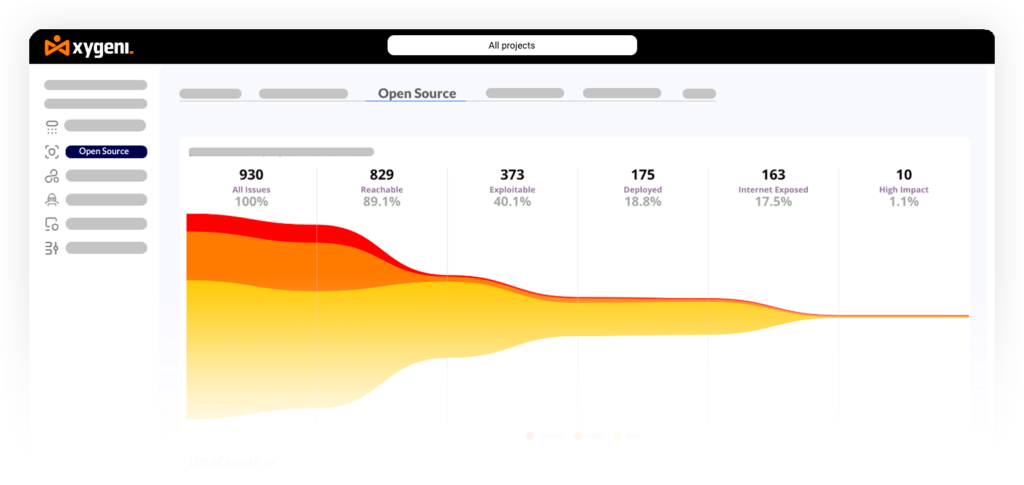
- Visibilitas terpusat: Semua temuan: SAST, SCA, IaC, dan Rahasia, muncul dalam satu kesatuan dashboardOleh karena itu, tim DevSecOps dapat melacak kemajuan, memprioritaskan berdasarkan potensi eksploitasi, dan meminimalkan gangguan.
Bagaimana Hal Ini Melengkapi Pengujian Penetrasi
Meskipun pemindaian kerentanan vs pengujian penetrasi Meskipun sering terdengar seperti kompetisi, kedua metode tersebut saling melengkapi.
Pemindai mencakup cakupan dan kecepatan, sedangkan uji penetrasi Memberikan konteks dan kedalaman.
Dengan Pemindai Kerentanan XygeniAnda dapat melakukan pemindaian terus-menerus dan tetap memvalidasi hasilnya melalui pengujian manual atau terjadwal.
Sebagai contoh:
- Jalankan pemindaian kerentanan otomatis pada setiap pull request.
- Validasi temuan utama dengan pengujian penetrasi ringan di lingkungan staging.
- Otomatiskan perbaikan dengan Bot Xygeni untuk perbaikan yang cepat dan aman.
Alur kerja ini memastikan bahwa perdebatan antara pengujian penetrasi vs pemindaian kerentanan Hal itu hilang, karena Anda mendapatkan keduanya: kecepatan dari pemindaian dan kepastian dari pengujian.
Kesimpulan: Mengapa Pengujian Penetrasi vs Pemindaian Kerentanan Bekerja Paling Baik Bersama-sama
Kesimpulannya, percakapan seputar pengujian penetrasi vs pemindaian kerentanan Ini bukan tentang memilih salah satu atau yang lain, melainkan tentang menggabungkan keduanya secara cerdas.
Pemindaian kerentanan vs pengujian penetrasi Hal ini hanya akan efektif jika visibilitas otomatis dan validasi di dunia nyata dapat berjalan bersamaan.
Saat diintegrasikan dengan alat-alat seperti Pemindai Kerentanan Xygeni, keseimbangan menjadi sempurna:
- Lakukan pemindaian terus menerus. untuk mencegah regresi.
- Lakukan pengujian secara berkala. untuk menegaskan ketahanan.
- Perbaiki secara otomatis untuk menjaga kecepatan pengiriman.
Selain itu, model terintegrasi ini memastikan bahwa setiap pemindaian kerentanan vs pengujian penetrasi Saling melengkapi. Pemindaian memberikan wawasan berkelanjutan, sementara pengujian mengkonfirmasi potensi eksploitasi yang sebenarnya.
Pada akhirnya, pengujian penetrasi vs pemindaian kerentanan bersama-sama membantu tim pengembang melindungi seluruh SDLC, dari kode sumber ke produksi, tanpa kehilangan kelincahan.
tentang Penulis
Ditulis oleh Fatima Said, Manajer Pemasaran Konten yang berspesialisasi dalam Keamanan Aplikasi di Keamanan Xygeni.
Fátima membuat konten berbasis riset yang ramah bagi pengembang tentang Keamanan Aplikasi (AppSec). ASPMdan DevSecOps. Dia menerjemahkan konsep teknis yang kompleks menjadi wawasan yang jelas dan dapat ditindaklanjuti yang menghubungkan inovasi keamanan siber dengan dampak bisnis.