
សេចក្តីផ្តើម៖ ហេតុអ្វីបានជាការធ្វើតេស្តសុវត្ថិភាពកម្មវិធីមានសារៈសំខាន់
ប្រសិនបើអ្នកបង្កើតកម្មវិធី, សុវត្ថិភាពសម្រាប់ការអភិវឌ្ឍន៍កម្មវិធី មិនមែនគ្រាន់តែជាកម្មវិធីបន្ថែមនោះទេ—វាជាកត្តាចាំបាច់។ ដោយសារការគំរាមកំហែងតាមអ៊ីនធឺណិតវិវត្តជារៀងរាល់ថ្ងៃ ការធ្វើតេស្តសុវត្ថិភាពកម្មវិធីដើរតួនាទីយ៉ាងសំខាន់ក្នុងការចាប់ចំណុចខ្សោយបានទាន់ពេលវេលា ដែលធានាថាការអភិវឌ្ឍន៍កម្មវិធីមានសុវត្ថិភាពជាងមុន។ ទោះជាយ៉ាងណាក៏ដោយ ការរកឃើញបញ្ហាគឺគ្រាន់តែពាក់កណ្តាលនៃសមរភូមិប៉ុណ្ណោះ។ សំខាន់ជាងនេះទៅទៀត, តើអ្នកជួសជុលវាដោយរបៀបណា? ដើម្បីឆ្លើយសំណួរនេះ យើងនឹងស្វែងយល់ពីចំណុចផ្សេងៗ ប្រភេទនៃការធ្វើតេស្តសុវត្ថិភាពកម្មវិធី, ការអនុវត្តល្អបំផុតក្នុងការធ្វើតេស្តសុវត្ថិភាព ក្នុងការអភិវឌ្ឍកម្មវិធី និង យុទ្ធសាស្រ្តដោះស្រាយ ដែលនឹងជួយអ្នកឱ្យផ្ញើលេខកូដសុវត្ថិភាពប្រកបដោយប្រសិទ្ធភាព។
ប្រភេទនៃការធ្វើតេស្តសុវត្ថិភាពកម្មវិធី
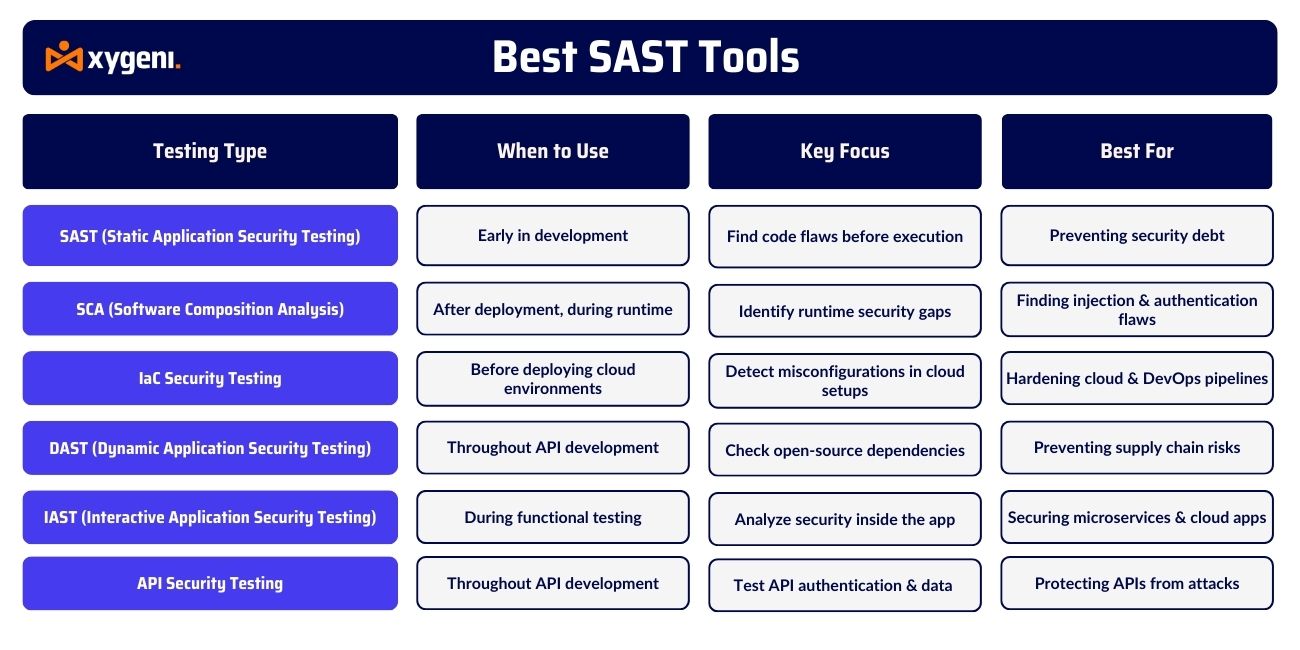
សុវត្ថិភាពសម្រាប់ការអភិវឌ្ឍកម្មវិធីតម្រូវឱ្យមានច្រើនជាងវិធីសាស្រ្តធ្វើតេស្តតែមួយ។ ការធានាសុវត្ថិភាពកម្មវិធីមិនមែនជាដំណើរការតែមួយដែលសមនឹងទាំងអស់នោះទេ។ ផ្ទុយទៅវិញ វិធីសាស្រ្តធ្វើតេស្តសុវត្ថិភាពកម្មវិធីផ្សេងៗជួយស្វែងរកចំណុចខ្សោយនៅកន្លែងផ្សេងៗគ្នា។ ដំណាក់កាលនៃវដ្តជីវិតនៃការអភិវឌ្ឍន៍កម្មវិធី (SDLC).
តាមរយៈការដាក់បញ្ចូលវិធីសាស្រ្តសុវត្ថិភាពទាំងនេះជាស្រទាប់ៗ ក្រុមនានាអាចពង្រឹងកម្មវិធី កាត់បន្ថយហានិភ័យសុវត្ថិភាព និងការពារភាពងាយរងគ្រោះមុនពេលអ្នកវាយប្រហារកេងប្រវ័ញ្ចពួកវា។ វិធីសាស្រ្តនីមួយៗដើរតួនាទីពិសេសក្នុងការធានាសុវត្ថិភាពកម្មវិធី ដោយធានាការការពារចាប់ពីការអភិវឌ្ឍកូដរហូតដល់ការដាក់ពង្រាយ។
ចូរយើងពិនិត្យមើលឱ្យកាន់តែច្បាស់អំពីប្រភេទនៃការធ្វើតេស្តសុវត្ថិភាពកម្មវិធីដែលមានប្រសិទ្ធភាពបំផុត និងរបៀបដែលវាជួយក្រុមបង្កើតកម្មវិធីដែលមានសុវត្ថិភាពជាងមុន។
២. ការវិភាគសមាសភាពកម្មវិធី (SCA)
បន្ថែមពីលើការវិភាគកូដដែលមានកម្មសិទ្ធិ កម្មវិធីទំនើបៗពឹងផ្អែកយ៉ាងខ្លាំងទៅលើបណ្ណាល័យប្រភពបើកចំហ។ ខណៈពេលដែលសមាសធាតុទាំងនេះអាចមានប្រយោជន៍ ពួកវាអាចនាំមកនូវហានិភ័យសុវត្ថិភាព។ នោះហើយជាកន្លែងដែល ការវិភាគសមាសភាពកម្មវិធី ចូលមក - វាជួយក្រុមនានាតាមដានជាបន្តបន្ទាប់នូវភាពអាស្រ័យរបស់ភាគីទីបីសម្រាប់ភាពងាយរងគ្រោះ និងបញ្ហាអាជ្ញាប័ណ្ណ។
ពេលវេលាត្រូវប្រើ៖ ជាបន្តបន្ទាប់ នៅទូទាំង SDLC.
របៀបដែលវាដំណើរការ: ស្កេនភាពអាស្រ័យប្រភពបើកចំហសម្រាប់ភាពងាយរងគ្រោះដែលគេស្គាល់ និងសមាសធាតុហួសសម័យ។
ល្អបំផុតសម្រាប់៖ ការទប់ស្កាត់ការវាយប្រហារខ្សែសង្វាក់ផ្គត់ផ្គង់ និងធានាការអនុលោមតាមសុវត្ថិភាព standards.
១. ការធ្វើតេស្តសុវត្ថិភាពកម្មវិធីឋិតិវន្ត (SAST)
ជាដំបូង និងសំខាន់បំផុត ការរកឃើញចំណុចខ្វះខាតផ្នែកសុវត្ថិភាពតាំងពីដំណាក់កាលអភិវឌ្ឍន៍គឺមានសារៈសំខាន់ណាស់។ SAST អនុញ្ញាតឱ្យអ្នកអភិវឌ្ឍន៍កំណត់អត្តសញ្ញាណចំណុចខ្សោយមុនពេលកូដត្រូវបានប្រតិបត្តិ ដោយធ្វើឱ្យប្រាកដថាបញ្ហាត្រូវបានដោះស្រាយមុនពេលវាក្លាយជាបញ្ហាថ្លៃ។
ពេលវេលាត្រូវប្រើ៖ ដំណាក់កាលដំបូងនៃការអភិវឌ្ឍន៍ (សុវត្ថិភាពប្តូរទៅឆ្វេង)។
របៀបដែលវាដំណើរការ: ស្កេនកូដមុនពេលប្រតិបត្តិ ដោយរកឃើញចំណុចខ្សោយនៅក្នុងកូដប្រភព កូដបៃ ឬកូដគោលពីរ។
ល្អបំផុតសម្រាប់៖ ការកំណត់អត្តសញ្ញាណចំណុចខ្វះខាតកម្រិតកូដមុនពេលដាក់ពង្រាយ។
៥. ហេដ្ឋារចនាសម្ព័ន្ធជាកូដ (IaC) ការធ្វើតេស្តសុវត្ថិភាព
ជាមួយនឹងការទទួលយកយ៉ាងឆាប់រហ័សនៃបរិស្ថានពពក ការធានាសុវត្ថិភាពការកំណត់រចនាសម្ព័ន្ធហេដ្ឋារចនាសម្ព័ន្ធគឺមានសារៈសំខាន់ដូចគ្នានឹងការធានាសុវត្ថិភាពកូដកម្មវិធីដែរ។ IaC security ការធ្វើតេស្តធានាថាការកំណត់រចនាសម្ព័ន្ធមិនត្រឹមត្រូវត្រូវបានរកឃើញ និងកែតម្រូវមុនពេលដាក់ពង្រាយ។
ពេលវេលាត្រូវប្រើ៖ មុនពេលដាក់ពង្រាយបរិស្ថានពពក។
របៀបដែលវាដំណើរការ: ស្កេន Terraform, CloudFormation, Kubernetesនិង Dockers ឯកសារសម្រាប់ហានិភ័យសុវត្ថិភាព។
ល្អបំផុតសម្រាប់៖ ធានាបាននូវកម្មវិធី cloud-native និង DevOps ដែលមានសុវត្ថិភាព pipelines.
៤. ការធ្វើតេស្តសុវត្ថិភាពកម្មវិធីថាមវន្ត (DAST)
មិនដូច SASTដែលវិភាគកូដឋិតិវន្ត DAST ប្រើវិធីសាស្រ្តផ្សេង ដោយការធ្វើតេស្តកម្មវិធីខណៈពេលដែលពួកវាដំណើរការ។ ដោយការក្លែងធ្វើការវាយប្រហារក្នុងពិភពពិត ស្ងួត កំណត់អត្តសញ្ញាណចន្លោះប្រហោងសុវត្ថិភាពដែលលេចឡើងតែក្នុងអំឡុងពេលប្រតិបត្តិប៉ុណ្ណោះ។
ពេលវេលាត្រូវប្រើ៖ បន្ទាប់ពីការដាក់ពង្រាយ អំឡុងពេលដំណើរការ។
របៀបដែលវាដំណើរការ: វាយប្រហារកម្មវិធីដូចជាពួក Hacker ធ្វើដែរ ដោយរកឃើញចំណុចខ្សោយសុវត្ថិភាពនៅក្នុងបរិយាកាសផ្ទាល់។
ល្អបំផុតសម្រាប់៖ ការស្វែងរកការវាយប្រហារដោយការចាក់បញ្ចូល ចំណុចខ្វះខាតនៃការផ្ទៀងផ្ទាត់ និងការកំណត់រចនាសម្ព័ន្ធមិនត្រឹមត្រូវ។
៥. ការធ្វើតេស្តសុវត្ថិភាពកម្មវិធីអន្តរកម្ម (IAST)
ចំណុចខ្សោយមួយចំនួនអាចរអិលឆ្លងកាត់ការធ្វើតេស្តឋិតិវន្ត និងថាមវន្ត។ ដើម្បីបំពេញចន្លោះប្រហោងនេះ IAST ផ្តល់នូវការវិភាគសុវត្ថិភាពពេលវេលាជាក់ស្តែងក្នុងអំឡុងពេលប្រតិបត្តិកម្មវិធី ដែលអនុញ្ញាតឱ្យក្រុមរកឃើញចំណុចខ្សោយដោយថាមវន្ត ខណៈពេលដែលរក្សាបរិបទកូដ។
ពេលវេលាត្រូវប្រើ៖ ក្នុងអំឡុងពេលធ្វើតេស្តមុខងារ។
របៀបដែលវាដំណើរការ: ប្រើប្រាស់ការវិភាគតាមពេលវេលាជាក់ស្តែងនៅក្នុងកម្មវិធី ដើម្បីកំណត់ហានិភ័យសុវត្ថិភាព។
ល្អបំផុតសម្រាប់៖ សេវាកម្មខ្នាតតូច កម្មវិធីដែលមានកុងតឺន័រ និងកម្មវិធីដើមលើពពក។
៦. ការធ្វើតេស្តសុវត្ថិភាព API
ដោយសារ API ក្លាយជាឆ្អឹងខ្នងនៃកម្មវិធីទំនើបៗ ពួកវាកាន់តែត្រូវបានកំណត់គោលដៅដោយការវាយប្រហារតាមអ៊ីនធឺណិត។ ការធ្វើតេស្តសុវត្ថិភាព API ធានាថាចំណុចបញ្ចប់នៅតែត្រូវបានការពារពីការកំណត់រចនាសម្ព័ន្ធមិនត្រឹមត្រូវ និងការចូលប្រើដែលគ្មានការអនុញ្ញាត។
ពេលវេលាត្រូវប្រើ៖ ពេញមួយការអភិវឌ្ឍន៍ API។
របៀបដែលវាដំណើរការ: ស្កេនរកការផ្ទៀងផ្ទាត់ខ្សោយ ការកំណត់រចនាសម្ព័ន្ធមិនត្រឹមត្រូវ និងការលាតត្រដាងទិន្នន័យ។
ល្អបំផុតសម្រាប់៖ ការទប់ស្កាត់ការគំរាមកំហែងសុវត្ថិភាពទាក់ទងនឹង API និងការលេចធ្លាយទិន្នន័យ។
ការអនុវត្តល្អបំផុតក្នុងការធ្វើតេស្តសុវត្ថិភាពសម្រាប់ការអភិវឌ្ឍន៍កម្មវិធី
ការធានាសុវត្ថិភាពកម្មវិធីមិនមែនគ្រាន់តែជាការដំណើរការការធ្វើតេស្តនោះទេ—វាគឺអំពីការធ្វើឱ្យសុវត្ថិភាពក្លាយជាផ្នែកធម្មជាតិនៃដំណើរការអភិវឌ្ឍន៍។ ដោយអនុវត្តតាមការអនុវត្តល្អបំផុតទាំងនេះ ក្រុមនានាអាចរកឃើញភាពងាយរងគ្រោះតាំងពីដំបូង ធ្វើឱ្យការត្រួតពិនិត្យសុវត្ថិភាពដោយស្វ័យប្រវត្តិ និងផ្តោតលើការជួសជុលការគំរាមកំហែងពិតប្រាកដដោយមិនធ្វើឱ្យការអភិវឌ្ឍន៍យឺតយ៉ាវ។
៥. ប្តូរលេខសុវត្ថិភាពទៅឆ្វេង
សន្តិសុខគួរតែចាប់ផ្តើម នៅដើមដំបូងនៃវដ្តជីវិតនៃការអភិវឌ្ឍន៍មិនមែនបន្ទាប់ពីការដាក់ពង្រាយទេ។
- Run SAST និង SCA ស្កេន ដរាបណាកូដត្រូវបានសរសេរ ដើម្បីការពារបញ្ហាសុវត្ថិភាពពីការឈានដល់ផលិតកម្ម។
- ផ្តល់ឱ្យអ្នកអភិវឌ្ឍន៍ មតិប្រតិកម្មដែលអាចអនុវត្តបាន។ ដូច្នេះពួកគេអាចជួសជុលចំណុចខ្សោយមុនពេលវាក្លាយជាហានិភ័យធំ។
2. ស្វ័យប្រវត្តិកម្មសុវត្ថិភាពនៅក្នុង CI/CD Pipelines
សន្តិសុខគួរតែធ្វើការនៅ ល្បឿន DevOpsកុំបន្ថយល្បឿន។
- បញ្ចូល SAST, DAST និង SCA ចូលទៅក្នុងរបស់អ្នក CI/CD pipelines ដើម្បីស្កេនលេខកូដនីមួយៗ commit ដោយស្វ័យប្រវត្តិ។
- ការប្រើ ការគ្រប់គ្រងផ្អែកលើគោលនយោបាយ ដើម្បីបញ្ឈប់កូដដែលមិនមានសុវត្ថិភាពពីការត្រូវបានដាក់ពង្រាយ។
៣. ធានាសុវត្ថិភាពនៃការពឹងផ្អែករបស់អ្នក
កម្មវិធីទំនើប ពឹងផ្អែកលើកម្មវិធីប្រភពបើកចំហដែលអាចនាំមកនូវហានិភ័យសុវត្ថិភាពដែលលាក់កំបាំង។
- ស្វ័យប្រវត្តិ SCA ការស្កេន។ ដើម្បីរកឃើញបណ្ណាល័យភាគីទីបីដែលងាយរងគ្រោះ មុនពេលវាក្លាយជាបញ្ហា។
- Remove ការពឹងផ្អែកហួសសម័យ ហើយអនុវត្តបំណះភ្លាមៗនៅពេលដែលវាអាចប្រើបាន។
៤. ផ្តល់អាទិភាពដល់ភាពងាយរងគ្រោះតាមហានិភ័យ
មិនមែនចំណុចខ្សោយទាំងអស់សុទ្ធតែដូចគ្នានោះទេ - ផ្តោតលើការជួសជុលអ្វីដែល ពិតជាសំខាន់.
- ការប្រើ ការដាក់ពិន្ទុ EPSS និង ការវិភាគលទ្ធភាពទៅដល់ ដើម្បីផ្តល់អាទិភាព ហានិភ័យដែលអាចកេងប្រវ័ញ្ចបាន លើបញ្ហាតូចតាច។
- បន្ថយ ដាស់តឿនភាពអស់កម្លាំង ដោយត្រងចេញនូវការព្រមានសុវត្ថិភាពដែលមានផលប៉ះពាល់ទាប។
៥. តាមដានភាពមិនប្រក្រតីក្នុងពេលវេលាជាក់ស្តែង
ការគំរាមកំហែងផ្នែកសុវត្ថិភាពមិនឈប់នៅពេលដែលកូដត្រូវបានដាក់ពង្រាយទេ—ការតាមដានជាបន្តបន្ទាប់គឺជាគន្លឹះសំខាន់.
- ការប្រើ ការរកឃើញភាពមិនប្រក្រតីតាមពេលវេលាជាក់ស្តែង ដើម្បីតាមដានការផ្លាស់ប្តូរដែលគ្មានការអនុញ្ញាតនៅក្នុង CI/CD pipelines និងការកំណត់រចនាសម្ព័ន្ធពពក។
- ចាប់ និង ជួសជុលកំហុសសុវត្ថិភាព មុនពេលពួកគេនាំឱ្យមានការបំពាន។
តើ EPSS ជាអ្វី ហើយហេតុអ្វីវាសំខាន់?
មិនមែនគ្រប់ចំណុចខ្សោយទាំងអស់សុទ្ធតែជាការគំរាមកំហែងពិតប្រាកដនោះទេ ហើយក្រុមសន្តិសុខមិនអាចជួសជុលអ្វីៗគ្រប់យ៉ាងក្នុងពេលតែមួយបានទេ។ ប្រព័ន្ធដាក់ពិន្ទុព្យាករណ៍ការកេងប្រវ័ញ្ច (EPSS) ជួយផ្តល់អាទិភាពដល់ភាពងាយរងគ្រោះដោយផ្អែកលើលទ្ធភាពកេងប្រវ័ញ្ចក្នុងពិភពពិត ដោយធ្វើឱ្យប្រាកដថាក្រុមផ្តោតលើការវាយប្រហារដែលទំនងបំផុត។
- របៀបដែលវាដំណើរការ: ជំនួសឲ្យការដោះស្រាយភាពងាយរងគ្រោះទាំងអស់ដូចគ្នា EPSS ផ្តល់ឲ្យនូវ ពិន្ទុហានិភ័យ ដោយផ្អែកលើនិន្នាការកេងប្រវ័ញ្ចជាក់ស្តែង។ ជាលទ្ធផល ក្រុមនានាអាច ជួសជុលបញ្ហាសំខាន់ៗជាមុនសិន មុនពេលអ្នកវាយប្រហារទាញយកប្រយោជន៍ពីពួកគេ។
- ហេតុអ្វីបានជាវាមានប្រយោជន៍៖ ជាមួយនឹងចំណុចខ្សោយថ្មីៗរាប់ពាន់ដែលលេចឡើងជារៀងរាល់ថ្ងៃ EPSS ត្រងការជូនដំណឹងដែលមិនចាំបាច់ចេញ ដូច្នេះក្រុមនានាអាច ផ្តោតលើបញ្ហាដែលមានហានិភ័យខ្ពស់ ជំនួសឱ្យការចំណាយពេលលើការគំរាមកំហែងតូចតាច។
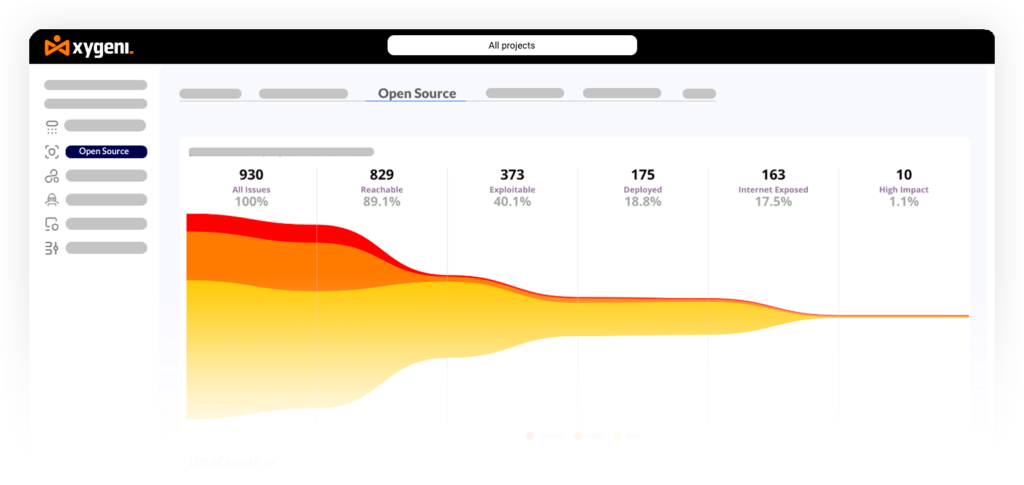
- របៀបដែល Xygeni ប្រើប្រាស់វា៖ ដើម្បីកែលម្អ EPSS, Xygeni ធ្វើឱ្យប្រាកដថាការវិភាគលទ្ធភាពទៅដល់ត្រូវបានរួមបញ្ចូល, ផ្តល់ជូនក្រុមនានា ជួសជុលតែចំណុចខ្សោយដែលអាចកេងប្រវ័ញ្ចបាន ខណៈពេល ការជៀសវាងការជូនដំណឹងដែលមានផលប៉ះពាល់ទាប.
តាមរយៈការប្រើប្រាស់ EPSS ក្រុមហ៊ុន Xygeni ជួយក្រុមសន្តិសុខ និង DevOps ដោះស្រាយបញ្ហាត្រឹមត្រូវ - លឿនជាងមុន និងឆ្លាតវៃជាងមុន។
ឧបករណ៍សាកល្បងសុវត្ថិភាពកម្មវិធី Xygeni
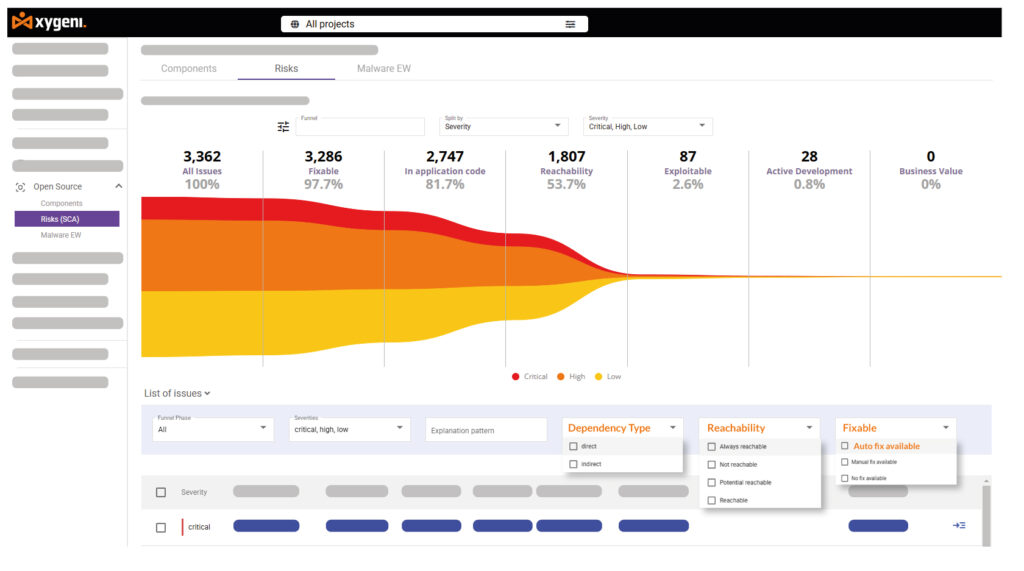
នៅ Xygeni យើងជឿជាក់ថាសន្តិសុខគួរតែ ផ្តល់សិទ្ធិអំណាចដល់ ការអភិវឌ្ឍ មិនមែនធ្វើឱ្យវាយឺតយ៉ាវនោះទេ។ របស់យើង ដំណោះស្រាយសាកល្បងសុវត្ថិភាពកម្មវិធី ត្រូវបានសាងសង់សម្រាប់ ល្បឿន ភាពត្រឹមត្រូវ និងការរួមបញ្ចូល DevOps យ៉ាងរលូននេះជាអ្វីដែលធ្វើឱ្យ Xygeni លេចធ្លោ៖
- ល្អបំផុតក្នុងថ្នាក់ SAST - រកឃើញចំណុចខ្សោយ មុនពេលកូដដំណើរការ និងជួសជុលបញ្ហាសន្តិសុខឱ្យបានឆាប់ដើម្បីកាត់បន្ថយបំណុលបច្ចេកទេស។
- ឆ្លាត SCA - តាមដានការពឹងផ្អែកប្រភពបើកចំហ នៅក្នុងពេលវេលាជាក់ស្តែងការទប់ស្កាត់ការវាយប្រហារខ្សែសង្វាក់ផ្គត់ផ្គង់។
- ការរួមបញ្ចូល DevOps ដ៏ងាយស្រួល - ធ្វើការជាមួយ Jenkins, សកម្មភាព GitHub, GitLab CI/CD, ប៊ីតប៊ុកឃីត Pipelines និង Azure DevOps សម្រាប់ការស្កេនសុវត្ថិភាពដោយស្វ័យប្រវត្តិ។
- ការផ្តល់អាទិភាពឆ្លាតវៃ មិនមែនសំឡេងរំខានទេ – ការវិភាគពិន្ទុ EPSS និងលទ្ធភាពទៅដល់ ធានាបាននូវក្រុមនានា ជួសជុលអ្វីដែលសំខាន់ មិនមែនការជូនដំណឹងមិនពិតទេ.
- ការជួសជុលលឿនជាងមុនជាមួយនឹងស្វ័យប្រវត្តិកម្ម - ការណែនាំអំពីការជួសជុលជួយពន្លឿនការដោះស្រាយ រក្សាអ្នកអភិវឌ្ឍន៍ឱ្យមានផលិតភាព.
ជាមួយ Xygeni ក្រុមនានា បង្កើតកម្មវិធីដែលមានសុវត្ថិភាពដោយគ្មានភាពស្មុគស្មាញ- ដូច្នេះពួកគេអាច ដឹកជញ្ជូនលឿនជាងមុន ដោយមានទំនុកចិត្ត.
សេចក្តីសន្និដ្ឋាន៖ សុវត្ថិភាពឆ្លាតវៃជាងមុនសម្រាប់ការធ្វើតេស្តសុវត្ថិភាពកម្មវិធី
សុវត្ថិភាពសម្រាប់ការអភិវឌ្ឍកម្មវិធីមិនមែនគ្រាន់តែជាការស្វែងរកចំណុចខ្សោយនោះទេ—វាគឺអំពីការជួសជុលវាឱ្យមានប្រសិទ្ធភាពដោយមិនធ្វើឱ្យការចេញផ្សាយយឺត។ ដោយប្រើប្រាស់ប្រភេទការធ្វើតេស្តសុវត្ថិភាពកម្មវិធីត្រឹមត្រូវ និងការអនុវត្តល្អបំផុតក្នុងការធ្វើតេស្តសុវត្ថិភាពសម្រាប់ការអភិវឌ្ឍកម្មវិធី ក្រុមអាចធ្វើឱ្យសុវត្ថិភាពក្លាយជាផ្នែកមួយដ៏រលូននៃលំហូរការងាររបស់ពួកគេ។
ទៅ ធ្វើឱ្យសុវត្ថិភាពមានភាពសាមញ្ញដោយគ្មានការសម្របសម្រួល, ក្រុមនានាគួរតែ៖
- រួមបញ្ចូលសុវត្ថិភាពជាមុនសិន ដើម្បីការពារភាពងាយរងគ្រោះមុនពេលវាក្លាយជាថ្លៃដើម។
- ស្វ័យប្រវត្តិកម្មសុវត្ថិភាពនៅក្នុង CI/CD pipelines ដើម្បីចាប់បញ្ហា មុនពេលដាក់ពង្រាយ.
- ការពឹងផ្អែកត្រួតពិនិត្យ ជាមួយ SCA ដើម្បីជៀសវាងហានិភ័យខ្សែសង្វាក់ផ្គត់ផ្គង់។
- ផ្តោតលើការគំរាមកំហែងពិតប្រាកដ ការប្រើ ការវិភាគ EPSS និងលទ្ធភាពទៅដល់.
- សាកល្បង API និងហេដ្ឋារចនាសម្ព័ន្ធ ជាបន្តបន្ទាប់ ដើម្បីការពារគម្លាតសុវត្ថិភាព។
At Xygeni សន្តិសុខបន្តជាមួយ DevOps— លឿន មានប្រសិទ្ធភាព និងបង្កើតឡើងសម្រាប់ក្រុមអភិវឌ្ឍន៍ទំនើប។
ចង់ធានាសុវត្ថិភាពកម្មវិធីរបស់អ្នកដោយគ្មានឧបសគ្គទេ? ទាក់ទង Xygeni ថ្ងៃនេះ ហើយបង្កើនយុទ្ធសាស្ត្រសុវត្ថិភាពរបស់អ្នក។