
Ujian Penembusan vs Pengimbasan Kerentanan: Apa yang Perlu Diketahui oleh Pembangun
Pembangunan moden bergerak pantas, begitu juga penyerang. Akibatnya, mencari dan memperbaiki kelemahan keselamatan lebih awal bukan lagi pilihan. Namun begitu, banyak pasukan yang keliru ujian penembusan vs pengimbasan kerentanan, dengan mengandaikan kedua-duanya melakukan tugas yang sama. Pada hakikatnya, ia menangani lapisan risiko keselamatan yang berbeza dan saling melengkapi merentasi SDLC.
Panduan ini menerangkan cara setiap satu berfungsi, bila hendak menggunakannya dan bagaimana pasukan DevSecOps moden mengautomasikan kedua-duanya dengan ujian keselamatan berterusan.
Apakah Pengimbasan Kerentanan?
A imbasan kerentanan menyemak sistem, kod atau kebergantungan secara automatik untuk kelemahan yang diketahui.
Ia berfungsi seperti berterusan health check, membandingkan persekitaran anda dengan pangkalan data besar seperti NDV.
Alat pengimbasan kerentanan mencari:
- Pustaka atau bekas yang ketinggalan zaman
- Tampalan atau konfigurasi yang salah hilang
- CVE yang diketahui atau kebergantungan berisiko tinggi
- Rahsia berkod keras atau corak kod yang tidak selamat
Oleh kerana imbasan ini berjalan dengan pantas dan kerap, ia memberikan maklum balas hampir masa nyata kepada pembangun. Selain itu, platform imbasan moden disepadukan terus ke dalam CI/CD pipelines, Tindakan GitHub, dan IDE.
Secara ringkas, pengimbasan kelemahan membantu pasukan mengesan masalah biasa lebih awal, sebelum ia mencapai tahap pengeluaran.
Apakah Ujian Penembusan?
Ujian penembusan, sebaliknya, adalah serangan simulasi.
Daripada hanya mengenal pasti kelemahan yang diketahui, penguji pen (atau alat automatik) secara aktif cuba mengeksploitasinya. Matlamatnya adalah untuk menilai bagaimana penyerang sebenar mungkin bergerak melalui persekitaran anda.
A ujian penembusan boleh termasuk:
- Percubaan untuk mengeksploitasi API yang terdedah
- Menguji pengesahan dan kawalan akses
- Menghubungkan pelbagai isu untuk mensimulasikan pergerakan sisi
- Menilai impak perniagaan dan pendedahan data
Tidak seperti pengimbasan kerentanan, ujian penembusan memerlukan kepakaran dan konteks manusia. Oleh itu, ia cenderung manual, berkala dan bersasar, sering dilakukan sebelum keluaran utama atau audit pematuhan.
Ujian Penembusan vs Pengimbasan Kerentanan: Perbezaan Utama
| Aspek | Pengimbasan Kerentanan | Ujian Penembusan |
|---|---|---|
| Matlamat | Cari kelemahan yang diketahui secara automatik | Simulasikan serangan dunia sebenar secara manual |
| Pendekatan | Automatik dan berterusan | Dipandu manusia dan disasarkan |
| Mendalam | Paras permukaan, liputan luas | Eksploitasi yang mendalam dan tertumpu |
| Kekerapan | Mingguan atau bersepadu setiap commit | Setiap suku tahun atau sebelum keluaran utama |
| Output | Senarai kelemahan yang dikesan | Bukti eksploitasi, laporan impak, nasihat mitigasi |
| Terbaik untuk | Pengesanan risiko dan kebersihan rutin | Pengesahan dan pematuhan risiko yang realistik |
Cara Mentafsir Perbezaan Ini
persefahaman ujian penembusan vs pengimbasan kerentanan adalah seperti menyelenggara mesin yang kompleks. Kedua-dua pendekatan pastikan sistem anda berjalan dengan selamat, malah mereka melayani tujuan yang berbeza dan bekerja pada kedalaman yang berbeza.
Imbasan kerentanan berfungsi seperti pemeriksaan rutin, pantas, boleh diulang dan sesuai untuk mengesan isu biasa lebih awal. Ia membantu anda mengesan kebergantungan yang ketinggalan zaman, tampalan yang hilang atau konfigurasi yang tidak selamat sebelum ia mencapai pengeluaran. Sebaliknya, ujian penembusan lebih seperti ujian tekanan penuh, ia mendorong aplikasi ke hadnya dan mendedahkan bagaimana ia sebenarnya bertindak balas di bawah keadaan serangan sebenar.
Pengimbasan kerentanan menggunakan automasi dan standardsistem pemarkahan tersusun, menjadikannya sesuai untuk kegunaan harian DevSecOps pipelines. Sementara itu, ujian penembusan menambah kreativiti dan penaakulan manusia untuk mensimulasikan laluan serangan dunia sebenar yang mungkin terlepas daripada automasi. Bersama-sama, ia membentuk satu proses tunggal yang menggabungkan kelajuan dengan pra-cision.
Apabila dilakukan dengan betul, pengimbasan kerentanan vs ujian penembusan menjadi gelung maklum balas yang berterusan. Pengimbasan memberikan keterlihatan yang luas merentasi pangkalan kod, manakala pengujian mengesahkan kerentanan yang benar-benar boleh dieksploitasi. Keseimbangan itu membantu pasukan kekal proaktif dan bukannya reaktif, mengesan awal dan mengesahkan secara mendalam.
Akhirnya, jangan tonton avimbasan ulnerabiliti vs ujian penembusan sebagai pilihan antara alatan. Ia satu perkongsian: imbasan automatik mengesan risiko pada skala besar dan ujian pen memastikan pembaikan benar-benar berfungsi apabila diperlukan.
Kebaikan dan Keburukan Setiap Kaedah
Kedua-dua pendekatan mempunyai kekuatan dan keseimbangan, dan memahaminya membantu pasukan memutuskan bila dan bagaimana untuk mengaplikasikan setiap satu dengan berkesan.
| kaedah | Kelebihan | Kekurangan |
|---|---|---|
| Pengimbasan Kerentanan | ✅ Pantas dan automatik ✅ Boleh diskalakan dengan mudah merentasi projek ✅ Berintegrasi ke dalam CI/CD ✅ Sesuai untuk maklum balas berterusan | ⚠️ Penemuan yang cetek ⚠️ Mungkin termasuk positif palsu ⚠️ Terhad kepada kelemahan yang diketahui |
| Ujian Penembusan | ✅ Simulasi serangan yang realistik ✅ Mengesahkan keboleheksploitasian ✅ Mengesahkan kawalan dan guardrails ✅ Menyediakan konteks perniagaan | ⚠️ Mahal dan lebih perlahan ⚠️ Tidak berterusan ⚠️ Bergantung pada kepakaran penguji |
Secara ringkas, Pengimbasan mengesan kelemahan secara automatik, manakala ujian penembusan membuktikan kelemahan yang benar-benar penting. Kedua-duanya penting untuk pertahanan yang mendalam.
Bagaimana Pembangun Menggabungkan Kedua-duanya dalam CI/CD
Dalam aliran kerja DevSecOps moden, pembangun boleh mengintegrasikan kedua-dua teknik tanpa memperlahankan binaan.
Kuncinya ialah automasi dan orkestrasi pintar.
Integrasi langkah demi langkah:
- Imbas lebih awal dan kerap: Jalankan imbasan kerentanan secara automatik pada setiap pull request.
- Sekat kod yang tidak selamat: Penggunaan guardrails untuk mengelakkan penggabungan kerentanan tahap keterukan tinggi.
- Simulasikan serangan: Jadualkan ujian pen ringan dalam pementasan untuk mengesahkan peraturan pengesanan.
- Utamakan dengan bijak: Gabungkan data imbasan dengan metrik keboleheksploitasian seperti EPSS atau analisis kebolehcapaian.
- Automatikkan pembetulan: Pencetus selamat pull requests dengan kebergantungan yang ditambal atau kemas kini konfigurasi.
Hasilnya, pasukan pembangunan mengekalkan kedua-duanya kelajuan dan keselamatan, tanpa menunggu audit suku tahunan.
Contoh:
A CI/CD pipeline menjalankan Xygeni's SCA dan SAST imbasan pada setiap commit.
Apabila kerentanan muncul, platform akan menyemak keboleheksploitasian, mencipta pembetulan PR dan merekodkan peristiwa tersebut.
Kemudian, ujian pen pendek mengesahkan bahawa pembaikan itu menutup risiko.
Gelung ini memastikan aplikasi anda selamat sepanjang setiap pecutan.
Bagaimana Pengimbas Kerentanan Xygeni Memudahkan AppSec Berterusan
Dalam praktiknya, banyak pasukan masih berdebat ujian penembusan vs pengimbasan kerentanan, tetapi sebenarnya, kedua-duanya berfungsi dengan baik bersama apabila automasi merapatkan jurang.
Pengimbas Kerentanan Xygeni menghidupkan automasi itu. Ia sentiasa memantau kod, kebergantungan dan pipelines, mengubah apa yang dahulunya merupakan usaha manual dan berkala kepada proses DevSecOps yang pantas dan andal.
Keupayaan Utama
- Pipeline-automasi asli: Xygeni berintegrasi terus ke dalam CI/CD persekitaran seperti GitHub Actions, GitLab CI, Jenkins atau Azure DevOps. Oleh itu, setiap binaan secara automatik menjalankan imbasan kerentanan vs ujian penembusan garis dasar, menyemak CVE yang diketahui, salah konfigurasi, rahsia dan risiko pakej sumber terbuka.
- Kecerdasan eksploitasi: Selain itu, ia memperkayakan hasil dengan data daripada EPSS, CISKEV, dan analisis kebolehcapaian untuk mendedahkan kelemahan yang nyata dan boleh dieksploitasi.
- Guardrails untuk pemaju: Akibatnya, penggabungan berisiko atau kemas kini kebergantungan disekat secara automatik. Pembangun boleh menetapkan dasar keselamatan yang menguatkuasakan pematuhan tanpa memperlahankan keluaran.
- Pemulihan automatik: Di samping itu, Bot Xygeni membuka selamat pull requests dengan versi tetap atau tampalan konfigurasi. Ia juga menandakan kemungkinan perubahan yang boleh dipecahkan Risiko Pemulihan pengesanan sebelum ia memberi kesan kepada pengeluaran.
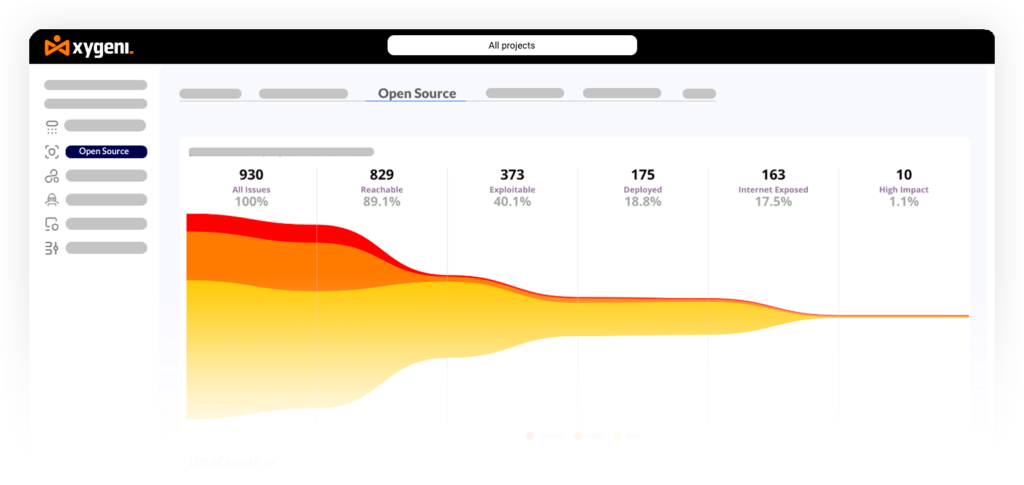
- Penglihatan berpusat: Semua penemuan: SAST, SCA, IaC, dan Rahsia, muncul dalam satu kesatuan dashboardOleh itu, pasukan DevSecOps boleh menjejaki kemajuan, mengutamakan mengikut keboleheksploitasian dan memastikan gangguan pada tahap minimum.
Bagaimana Ia Melengkapi Ujian Penembusan
Walaupun pengimbasan kerentanan vs ujian penembusan selalunya kedengaran seperti persaingan, kedua-dua kaedah adalah saling melengkapi.
Pengimbas merangkumi keluasan dan kelajuan, manakala ujian penembusan memberikan konteks dan kedalaman.
Dengan Pengimbas Kerentanan Xygeni, anda boleh mengekalkan pengimbasan berterusan dan masih mengesahkan keputusan melalui ujian manual atau berjadual.
Sebagai contoh:
- Jalankan imbasan kerentanan automatik pada setiap pull request.
- Sahkan dapatan penting dengan ujian pen ringan dalam pementasan.
- Automatikkan pembaikan dengan Bot Xygeni untuk pemulihan yang cepat dan selamat.
Aliran kerja ini memastikan perdebatan antara ujian penembusan vs pengimbasan kerentanan hilang, kerana anda mendapat kedua-duanya: kelajuan daripada pengimbasan dan jaminan daripada pengujian.
Kesimpulan: Mengapa Ujian Penembusan vs Pengimbasan Kerentanan Berfungsi Paling Baik Bersama
Kesimpulannya, perbualan di sekitar ujian penembusan vs pengimbasan kerentanan bukan sepatutnya tentang memilih salah satu, ia tentang menggabungkan kedua-duanya secara bijak.
Pengimbasan kerentanan vs ujian penembusan hanya menjadi berkesan apabila keterlihatan automatik dan pengesahan dunia sebenar wujud bersama.
Apabila disepadukan dengan alat seperti Pengimbas Kerentanan Xygeni, keseimbangan menjadi lancar:
- Imbas secara berterusan untuk mencegah regresi.
- Uji secara berkala untuk mengesahkan daya tahan.
- Pulihkan secara automatik untuk mengekalkan kelajuan penghantaran.
Tambahan pula, model bersepadu ini memastikan setiap imbasan kerentanan vs ujian penembusan saling melengkapi. Pengimbasan memberikan pandangan berterusan, manakala pengujian mengesahkan keboleheksploitasian sebenar.
akhirnya, ujian penembusan vs pengimbasan kerentanan bersama-sama membantu pasukan pembangunan melindungi keseluruhan mereka SDLC, daripada kod sumber kepada pengeluaran, tanpa kehilangan ketangkasan.
Mengenai Penulis
Ditulis oleh Fatima Said, Pengurus Pemasaran Kandungan pakar dalam Keselamatan Aplikasi di Keselamatan Xygeni.
Fátima mencipta kandungan berasaskan penyelidikan yang mesra pembangun di AppSec, ASPM, dan DevSecOps. Beliau menterjemahkan konsep teknikal yang kompleks kepada pandangan yang jelas dan boleh diambil tindakan yang menghubungkan inovasi keselamatan siber dengan impak perniagaan.