
שמירה על אבטחת אפליקציות היא קריטית יותר מתמיד. בשנת 2024, נגמר 54,000 CVEs חדשים פורסמו, מספר שובר שיאים. עלייה זו מראה כמה מהר גדל משטח ההתקפה, במיוחד ככל שאפליקציות מודרניות מסתמכות יותר על קוד פתוח וחבילות של צד שלישי. זו הסיבה ש- סקא נגד sast ויכוח אינו רק טכני, הוא אסטרטגי. במקום לבחור אחד על פני השני, צוותים בעלי תודעת אבטחה משתמשים בשניהם. SAST מזהה באגים ופגמים בקוד שלך מוקדם. SCA עוקב אחר בעיות בתלות לפני שהן מגיעות למצב הייצור. כלים שונים, שכבות שונות, אבל יחד, הם סוגרים פערים אמיתיים.
במדריך זה, נפרט את ההבדלים בין sast וסקא, כיצד הם פועלים זה לצד זה, וכיצד קסיגני מאחד אותם לפלטפורמה אחת שנבנתה עבור DevSecOps.
מה זה SAST?
בדיקת אבטחת יישומים סטטית (SAST) זה כמו מערכת התרעה מוקדמת לקוד הקנייני שלך. על ידי סריקת קוד מקור, קוד בייט וקבצים בינאריים, SAST מזהה פגיעויות הרבה לפני שהן הופכות לבעיה. לדוגמה, הוא מסמן בעיות כמו הזרקת SQL או סקריפטים בין אתרים (XSS) בזמן שהקוד עדיין בפיתוח.
היתרונות העיקריים של SAST:
- גילוי מוקדם: מאתר פגיעויות מוקדם, וחוסך זמן וכסף על תיקונים מאוחרים יותר.
- כיסוי מקיף: בודק את כל הקוד המותאם אישית ביסודיות, מוודא ששום דבר לא חסר.
- משוב בזמן אמתמנחה מפתחים בזמן כתיבתם, ומבטיח איכות קוד טובה יותר.
- שיפור איכות הקודמשפר את האבטחה תוך שיפור יכולת התחזוקה.
מודרני SAST כלים מתפתחים במהירות. כדי להישאר יעילים, עליהם לא רק לזהות בעיות כמו SQLi או XSS, אלא גם לתעדף את מה שבאמת ניתן לניצול ולספק הדרכה בזמן אמת למפתחים. כאן בולטים כלים כמו Xygeni, אך נכסה זאת בפירוט בהמשך.
מה זה SCA?
בינתיים, ניתוח הרכב תוכנה (SCA) עוסק בניהול סיכונים בתלות של צד שלישי וקוד פתוח. כאשר יישומים מודרניים מסתמכים במידה רבה על רכיבי קוד פתוח - לעתים קרובות עד 90% -SCA הופך להיות חיוני למעקב אחר פגיעויות ובעיות רישוי.
היתרונות העיקריים של SCA:
- ניהול תלותשומר את רשימת החומרים של התוכנה שלך (SBOM) מעודכן.
- זיהוי פגיעותמסמן בעיות באמצעות מסדי נתונים כמו NDV or OpenSSF.
- תאימות לרישיון: מסייע לעמוד בדרישות רישוי קוד פתוח.
- התראות יזומות: מאתר רכיבים מיושנים כדי להימנע מסיכונים נסתרים.
על ידי תיקון פגיעויות בתלות חיצוניות, SAST ו SCA לעבוד יחד היטב כדי לספק אבטחת יישומים חזקה. כמו כן, ההשוואה בין SCA vs SAST מראה כיצד כלים אלה תומכים זה בזה, ומטפלים ביעילות בחלקים שונים של אתגרי אבטחת יישומים.
SAST vs SCAהבדלים עיקריים באבטחת יישומים
| אספקט | SAST | SCA |
|---|---|---|
| מיקוד ראשוני | קוד מקור קנייני | תלויות בקוד פתוח ובצד שלישי |
| תזמון | מומלץ ליישם בשלב הפיתוח | ניטור רציף לפני ואחרי הפריסה |
| סוגי פגיעויות | מזהה פגמי קידוד (למשל, הזרקת SQL, XSS) | מזהה פגיעויות ידועות בספריות וחבילות חיצוניות |
| היקף | מנתח קוד מותאם אישית שנכתב באופן פנימי | סורק את כל התלויות הישירות והטרנזיטיביות בבסיס הקוד |
| מקרה השימוש הטוב ביותר | אבטחת יישומים קנייניים | ניהול סיכונים ברכיבי תוכנה בקוד פתוח ובתוכנה של צד שלישי |
| השפעה על פיתוח | משפר את שיטות הקידוד המאובטחות באמצעות משוב בזמן אמת | מבטיח תאימות ומפחית סיכונים ממקורות חיצוניים לא מאומתים |
כפי שמראה השוואה זו, SAST ו SCA משרתים שונים אך פועלים היטב יחד. שימוש משותף ביניהם מבטיח שלא יהיו פערים באסטרטגיית האבטחה שלכם.
למה אתה צורך שניהם SAST ו SCA
במקום לבחור בין SCA vs SAST, מינפו את שניהם כדי ליצור הגנה רב-שכבתית. הנה הסיבה:
- הגנה מקיפה: SAST מכסה קוד מותאם אישית, בעוד SCA מאבטח תלויות של צד שלישי.
- משטח התקפה מופחתיחד, הם מסירים נקודות תורפה ביישומים שלך.
- יְעִילוּתזרימות עבודה יעילות עוזרות לפתור פגיעויות מהר יותר.
לצפייה מעמיקה יותר בבניית יישומים מאובטחים, עיינו במדריך המפורט הזה מדריך נוהלי קידוד מאובטחים של OWASP, משאב חשוב לאנשי מקצוע בתחום DevSecOps. בנוסף, תוכלו לצפות בפרק SafeDev Talk שלנו ב SCA vs SAST - כיצד הם משלימים זה את זה לשיפור האבטחה?
למה SAST ו SCA עניין בשנת 2025: אבטחת יישומים מודרנית זקוקה להקשר
צוותי אבטחה כיום לא רק מתקנים באגים. הם מגנים על רכיבים קריטיים pipelineים, ניהול סיכונים בתלות בקוד פתוח, ושמירה על תאימות לתקנות הולכות וגדלות.
בתחילת 2025, מעל 80% מבסיסי הקוד מכילים פגיעויות ידועות בקוד פתוח, לפי דיווחים בתעשייה. ועם קידוד בסיוע בינה מלאכותית צפוי להוות 30-50% מהקוד החדש בחלק מהארגונים, קשה יותר ויותר לעקוב אחר מה מאובטח ומה לא.
בינתיים, תקנות כמו NIS2, DORA, וכללים חדשים של ה-SEC הופכים את יכולת המעקב האבטחה לחובה, לא סתם לדבר נחמד.
הוסיפו התקפות שרשרת אספקה מתוקשרות כמו xz Utils or ctx, וזה ברור: הדרך הישנה של ביצוע AppSec אינה מספיקה.
זו הסיבה סקה ו sast אינם אופציונליים. בשימוש משותף, הם נותנים לצוותים נראות הן לסיכונים קנייניים והן לסיכונים של צד שלישי. המפתח כעת הוא לשלב אותם לתוך תהליך עבודה שמפתחים משתמשים בו בפועל.
קסיגני: המאוחד SAST ו SCA פתרון
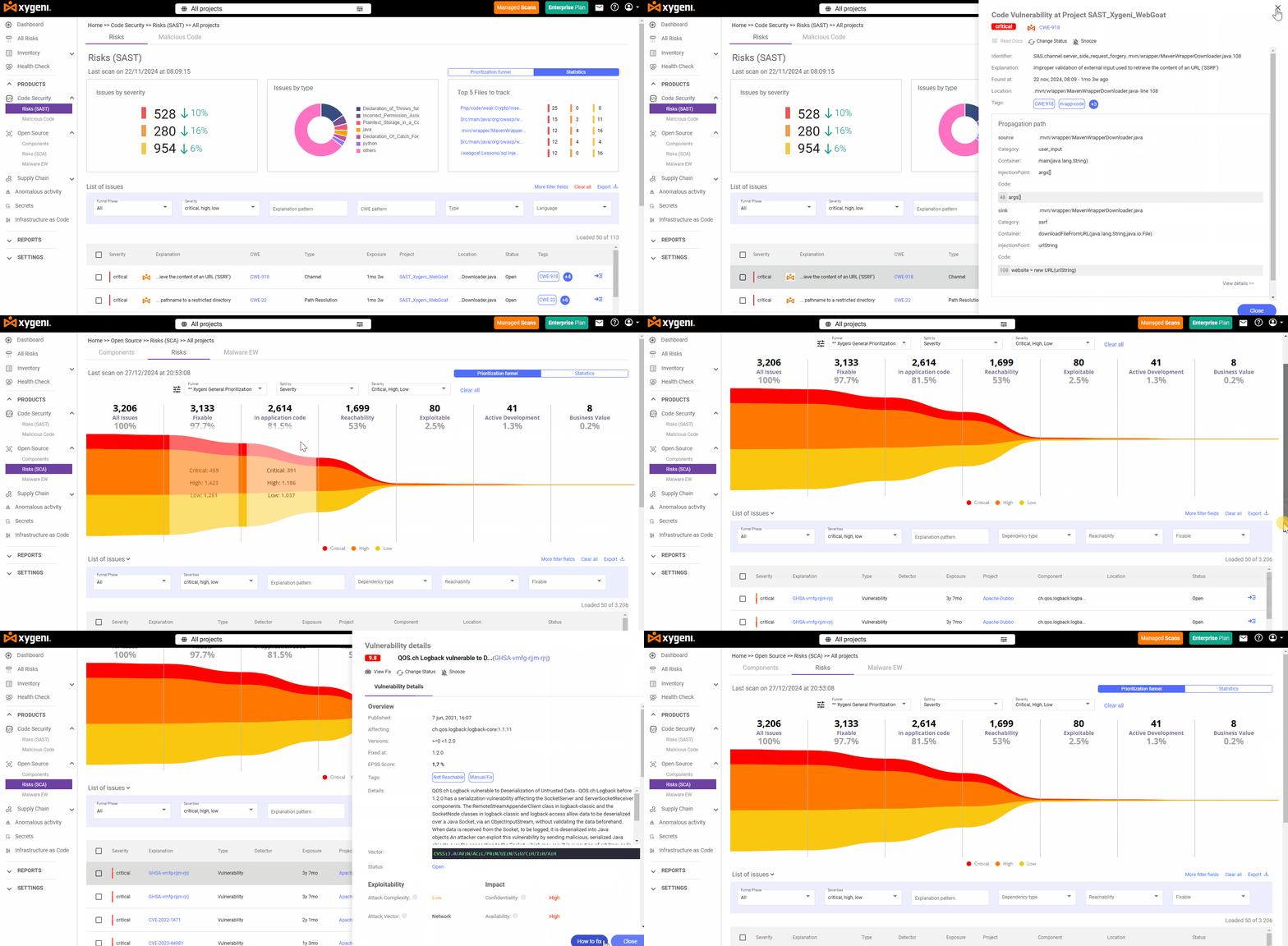
צוותי אבטחה מתקשים לעתים קרובות להחליט בין SAST vs SCA, אבל המציאות היא ששניהם חיוניים. SAST vs SCA זו לא תחרות, זו שותפות. אמנם SAST מנתח קוד קנייני לאיתור פגמי אבטחה, SCA סורק רכיבים בקוד פתוח ורכיבים של צד שלישי לאיתור פגיעויות ידועות.
שילובי Xygeni SAST ו SCA לפלטפורמה מאוחדת אחת, שנועדה להתאים לזרימות עבודה של DevSecOps. גישה זו מבטיחה אבטחה לאורך כל תהליך הפיתוח, החל מניתוח קוד מותאם אישית ועד לניהול סיכוני קוד פתוח.
פרואקטיבי SASTאבטחת קוד קנייני מההתחלה
בדיקות אבטחה סטטיות של יישומים של Xygeni (SAST) מנתח את הקוד הקנייני שלך מרגע כתיבתו, סורק את קוד המקור, קוד הבייט וקבצים בינאריים לאיתור פגמי אבטחה קריטיים.
האיומים העיקריים שזוהו כוללים:
- הזרקת SQL, סקריפטים בין אתרים (XSS) והזרקת פקודות
- שגיאות ניהול זיכרון כמו גלישות מאגר
- לוגיקת אימות לא מאובטחת וחשיפת נתונים
- קוד מטושטש או זדוני כגון תוכנות כופר, תוכנות ריגול או דלתות אחוריות
אבל מה שמייחד את Xygeni הוא לא רק זיהוי, אלא קביעת סדרי עדיפויות.
דיוק מוכח במבחן
חסיגני-SAST נבדק באמצעות הרשמי מדד OWASP, שם היא השיגה:
- 100% שיעור חיובי אמיתי בכל הקטגוריות העיקריות כמו SQLi ו-XSS
- A שיעור נמוך של 16.7% חיובי שגוי, ועולה על ביצועים טובים יותר מכלים כמו CodeQL, Semgrep ו-SonarQube
- ציונים מושלמים בתחומים קריטיים כמו הצפנה חלשה וזיהוי עוגיות לא מאובטח
תוצאות אלו מראות ש-Xygeni לוכד איומים אמיתיים, ונמנע מבזבוז זמן של הצוות שלך על רעש.
תיקון אוטומטי ו CI/CD אינטגרציה
כדי להאיץ את הרזולוציה, Xygeni מופעל על ידי בינה מלאכותית תיקון אוטומטי:
- מציע שינויי קוד מאובטחים בזמן אמת
- מייצר אוטומטית pull requests עם תיקונים מודעים להקשר
- פועל ישירות בתוך שלך CI/CD זרימות עבודה ללא חסימת שחרורים
משמעות הדבר היא שהצוות שלך מתקן פגיעויות מוקדם, לפני שהן מגיעות למצב הייצור, מבלי להאט את הפיתוח.
ידידותי למפתחים מבית העיצוב
- התקנה של ממשק שורת פקודה (CRI) בשורה אחת
- מלא SCM אינטגרציה (GitHub, GitLab, Azure DevOps, Bitbucket, Jenkins)
- פלט ב-JSON, SARIF, CSV, Markdown
- תמיכה בכללים מותאמים אישית ב-YAML
- הערות PR מוטבעות ו guardrails
עם קסיגני, SAST הופך לחלק חלק ממחזור חיי הפיתוח המאובטח שלך, משלב הזיהוי ועד לתיקון, ללא חיכוך.
אינטליגנטי SCAהגנה על תלויות בקוד פתוח
יישומים מודרניים מסתמכים על קוד פתוח יותר מתמיד, אך יחד עם זאת מגיע גם סיכון. מחקרים אחרונים מראים ש 74% מבסיסי הקוד מכילים רכיבי קוד פתוח בסיכון גבוה, וזה 91% מהרכיבים הללו מפגרים בלפחות 10 גרסאות. ללא נראות ובקרה נאותות, אתם עלולים לשלוח נקודות תורפה ישירות לתהליך הייצור.
ניתוח הרכב התוכנה של Xygeni (SCA) הרבה מעבר לרישום CVEs. הוא מספק שכבת הגנה חכמה בזמן אמת על פני המערכת האקולוגית של צד שלישי.
זיהוי מתקדם מעבר ל-CVEs
Xygeni סורק את כל התלויות, ישירות וטרנזיטיביות, ומסמן:
- פגיעויות ידועות באמצעות NVD, OSV, GitHub Advisory ואחרות
- חבילות מיושנות עם טלאים חסרים
- התנהגות חריגה או זדונית בסקריפטים של התקנת חבילה
- Tposposquatting, בלבול תלות, ו חבילות פנימיות לא מוגדרות
- דפוסים חשודים הקשורים ל תוכנות ריגול, תוכנות כופר ודלתות אחוריות
נגישות וניצול: התמקדות במה שחשוב
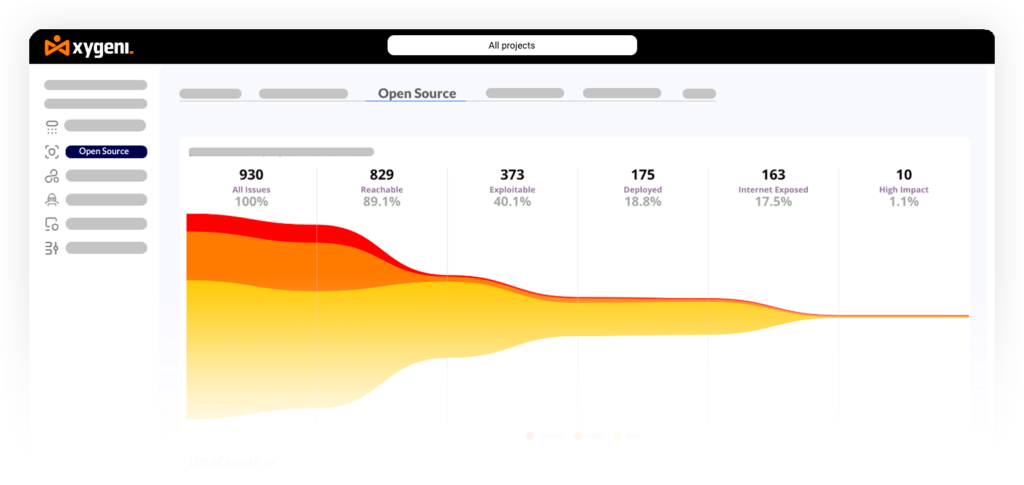
במקום להציף אתכם בהתראות, Xygeni משתמשת ב- ניתוח נגישות כדי להראות אילו נקודות תורפה הן באמת מְשׁוּמָשׁ ביישום שלך:
- מעקב אחר נתיבי ביצוע וגרפים של שיחות
- מתן עדיפות לפגיעויות על סמך EPSS (מערכת ניקוד חיזוי ניצול)
- מפחית תוצאות חיוביות שגויות עד 70%
- מבדיל בין נתיבי קוד נגישים לבין נתיבי קוד שאינם בשימוש
זה מאפשר לצוות שלך להתמקד רק ב סיכונים ניתנים לניצול, חיסכון בזמן והפחתת רעש.
תיקון אוטומטי ב CI/CD
תיקון תלויות פגיעות אינו חייב להיות ידני. Xygeni הופך את התהליך הזה לאוטומטי בעזרת:
- הצעות לתיקון מיידי ישירות בתהליך העבודה שלך
- תיקון אוטומטי בכמות גדולההחלת שדרוגי תלות מרובים בפעולה אחת
- מופעל אוטומטית pull requests עם גרסאות תיקון בטוחות
- מלא CI/CD אינטגרציה להגנה רציפה
לא עוד חיפוש ביומני עצים או ג'אגלינג בין גרסאות תיקון, רק תיקון מהיר וממוקד היכן שצריך.
זיהוי מוקדם של תוכנות זדוניות עבור OSS
Xygeni סורק באופן רציף רישומים ציבוריים (כגון NPM, PyPI, Maven) כדי לזהות:
- חבילות נגועות בתוכנה זדונית
- איומי אפס-יום
- סקריפטים של התקנה חשודים
- התנהגות המקושרת לתוכנות ריגול או דלתות אחוריות
אם משהו מסומן, Xygeni הסגר האיום, מתריע לצוות שלך, ואף עוזר להודיע לרישום כדי למנוע התפשטות נוספת. אתה מוגן לפני שחבילות זדוניות יגיעו אליך pipelines.
שקיפות מלאה ועמידה בתקנות SBOM
צריך להוכיח מה כתוב בקוד שלך? Xygeni יוצר אוטומטית SBOMs בפורמטים כמו SPDX ו CycloneDX, ומשלב דוחות גילוי פגיעויות (VDR) לצורך מעקב מלא.
- עומד בדרישות EO 14028, NIST SP 800-204D, DORA ו-FDA
- מעקב אחר סיכוני רישיון בכל הרכיבים
- עובד דרך ממשק שורת פקודה (CRI) או ממשק משתמש מקוון (WebUI), מוטמע במלואו בתוך ה-CI שלך pipelines
זה מבטיח שתעמדו בציפיות הרגולטוריות תוך שמירה על שרשרת האספקה שלכם מאובטחת וניתנת לביקורת.
SAST vs SCAתכונות אבטחה מתקדמות שמייחדות את Xygeni
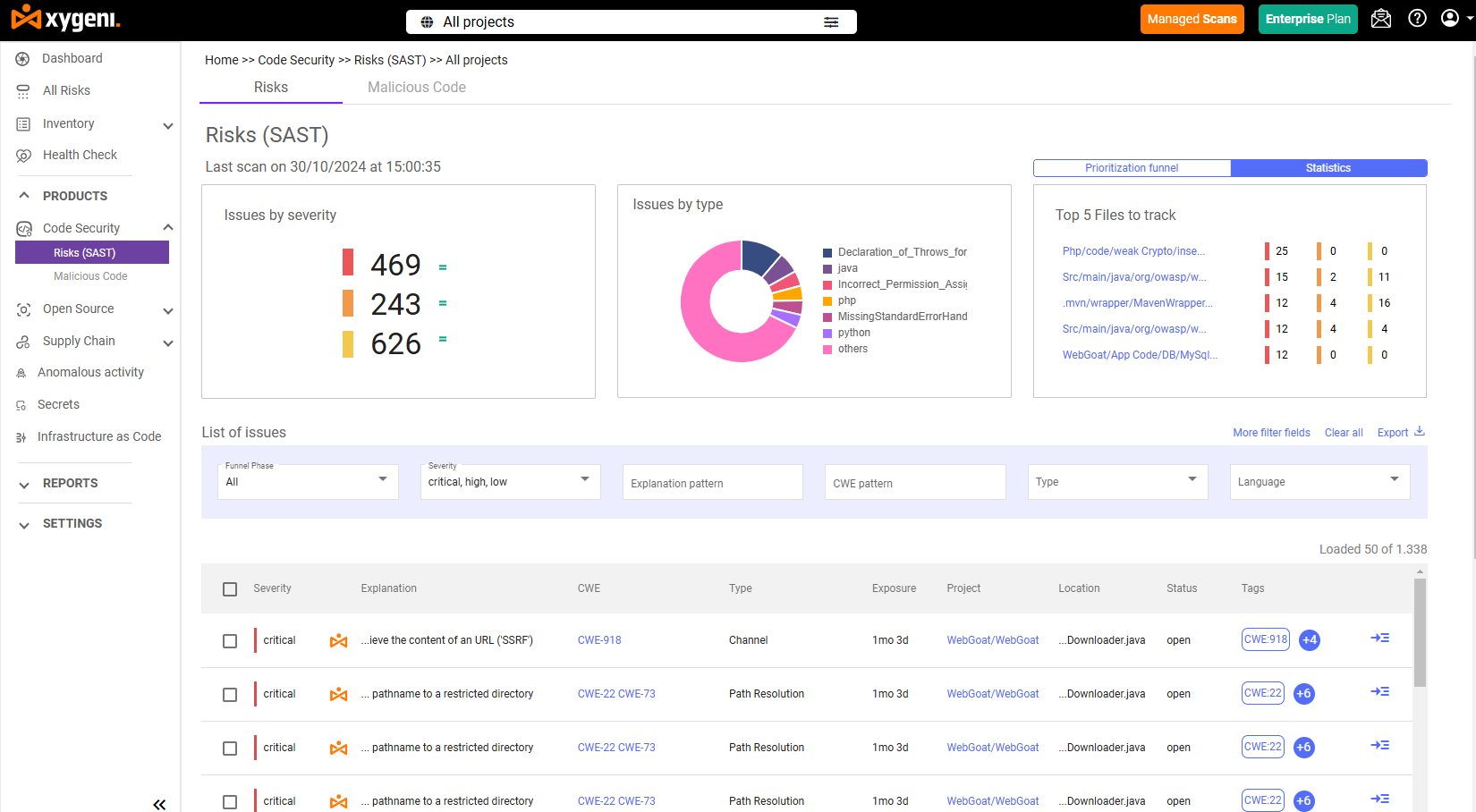
כשמשווים סקא נגד sast, זה לא רק מה שהם מזהים, זה כמה חכם הם עושים את זה. Xygeni הופכת כלי AppSec מסורתיים למערכת מאוחדת וחכמה שמבטלת רעשים ומאיצה את התיקון.
הנה איך קסיגני'ס SAST ו SCA לעבוד יחד כדי להשיג השפעה ביטחונית אמיתית:
ניצול והגעה: תנו עדיפות למה שאמיתי
רוב כלי האבטחה מציפים צוותים בהתראות לא רלוונטיות. Xygeni פותר זאת בעזרת פתרון מובנה ניתוח ניצול ו מעקב אחר נגישות:
- SAST הממצאים מסוננים על ידי ניתוח זרימת נתונים כדי לסמן רק פגמים הניתנים לניצול
- SCA פגיעויות מדורגות על סמך האם הקוד הפגיע נמצא בשימוש בפועל
- בשילוב עם ניקוד EPSS, הצוות שלך רואה מה חשוב קודם, ושום דבר אחר
זה מפחית באופן דרמטי את עייפות הערנות ומבטל את הרעש.
תיקון אוטומטי: תיקון שכותב את עצמו
Xygeni מאיצה את האבטחה על ידי ביטול תיקונים ידניים:
- תיקון אוטומטי המופעל על ידי בינה מלאכותית מייצר pull requests לשניהם SAST ו SCA בעיות
- התיקונים תואמים לשיטות עבודה מומלצות ומכוונים לבעיה האמיתית
- תיקון אוטומטי בכמות גדולה מחיל תיקונים מרובים בזרימה אחת
- כל השינויים הם CI/CDמוכן ומאושר על ידי המפתח
תיקון פגיעויות הופך לחלק חלק מתהליך הפיתוח - לא לחסם.
זיהוי מוקדם של תוכנות זדוניות בתלות
עם עלייה של למעלה מ-300% במספר חבילות קוד פתוח זדוניות משנה לשנה, זיהוי תוכנות זדוניות הוא כעת חובה in SCA כלים.
Xygeni סורק רישומים ציבוריים בזמן אמת (NPM, PyPI, Maven) כדי לזהות:
- טיפוסקווטינג, בלבול תלויות וסקריפטים חשודים
- דלתות אחוריות, תוכנות ריגול ותוכנות כופר בחבילות
- איומי אפס-יום לפני שהם פוגעים בך pipeline
אם מתגלה איום, הוא נחסם, מוכנס להסגר ומאותר במהירות.
הענות, SBOM, ו-VDR: מובנה
Xygeni הופך משימות ניהול מרכזיות לאוטומטיות בכל בנייה:
- מחולל SBOMבפורמטים של SPDX ו-CycloneDX
- תואם את הנחיות NIST SP 800-204D, DORA, EO 14028 וה-FDA
- כולל דוחות גילוי פגיעויות (VDR) לעקוב אחר סיכונים לאורך זמן
- משתלב בממשק שורת הפקודה (CLI) או בממשק המשתמש של האינטרנט, ללא צורך בכלים נוספים
תאימות היא כבר לא מחשבה שלאחר מעשה. היא מתמשכת, שקופה ומוכנה לביקורת.
פלטפורמה אחת, זרימה אחת
בניגוד לכלים מקוטעים, Xygeni מספקת:
- תוצאות מאוחדות עבור SAST ו SCA באחד dashboard
- CI/CD guardrails ומדיניות האוכפת אבטחה של shift-left
- התראות בזמן אמת עם הנחיות תיקון הקשריות
- עקיבות מלאה ממקומות פגיעים commit לתיקון פתור
בין אם אתם מאבטחים קוד קנייני או את שרשרת האספקה של מערכת ההפעלה (OSS), Xygeni מכסה הכל, עם פחות חיכוכים, פחות התראות ותוצאות מהירות יותר.
אבטחה היא לא רק כלים. זוהי ממשל.
אבטחת יישומים אינה רק עניין של איתור פגיעויות. למעשה, מדובר גם בידיעה למי הסיכון, מי מתקן אותו וכיצד פעולות אלו תואמות את מדיניות האבטחה הפנימית שלכם.
ככל שהארגון שלך גדל, נראות לבדה לא תספיקאתם צריכים עקיבות. זה אומר:
- מי הוסיף את התלות הפגיעה?
- מי אחראי על התיקון?
- האם התיקון תואם את מדיניות האבטחה שלכם?
כאן נפגשים כלים וניהול תקין. כשמשלבים SAST ו SCA כלים לתוך זרימות העבודה שלך בצורה הנכונה, הם לא רק מוצאים בעיות. במקום זאת, הם מסייעים באכיפת כללי האבטחה, להקצות אחריות ולהאיץ תיקונים בעזרת זרימות ברורות ואוטומטיות.
יתר על כן, בקנה מידה גדול, ניהול ממשל הופך לדבק המקשר בין גילוי לתיקון. בלעדיו, אתם רק אוספים התראות. בעזרתו, אתם נוקטים פעולה אמיתית.
זו הסיבה Xygeni מציעה שירותים מבוססי מדיניות guardrails, מטלות צוות מותאמות אישית, ו מעקב מלא לאורך מחזור חיי פיתוח התוכנה המאובטח שלךניתן לראות מי הציג סיכון, מי הבעלים של התיקון, והאם השינוי תואם את מודל הממשל שלכם.
בקיצור, אבטחה לא נעצרת בגילוי. היא הופכת ליעילה רק כאשר המערכת שלך מאפשרת לאדם הנכון לפעול במהירות בקלות.
מוכנים לאבטח את תהליך העבודה של הפיתוח שלכם בעזרת הכלים הנכונים?
עיינו ברשימות שלנו שנאספו על ידי מומחים כדי למצוא את הפתרונות הטובים ביותר עבור הצוות שלכם:
- 10 ניתוחי הרכב תוכנה מובילים (SCAכלים לצוותי DevSecOps
גלו את הכלים הטובים ביותר לניהול רכיבי קוד פתוח ולהגנת שרשרת האספקה של התוכנה שלכם. - חולצות SAST כלים לצוותי DevSecOps
השווה בין כלי ניתוח הקוד הסטטי המובילים כדי לזהות פגיעויות בשלב מוקדם של הפיתוח.
שאלות נפוצות אודות SCA vs SAST
מה ההבדל העיקרי בין SCA vs SAST?
SAST בוחן קוד קנייני לאיתור פגמי אבטחה, בעוד SCA מתמקד ברכיבים של צד שלישי וקוד פתוח כדי לזהות פגיעויות וסיכוני רישוי
פחית SAST ו SCA לשימוש יחד?
כן, משתמש SAST ו SCA יחד מספקים אבטחה מלאה על ידי כיסוי קוד קנייני וקוד של צד שלישי, תוך מזעור הסיכון הכולל.
אילו סוגי פגיעויות עושות SAST לזהות?
SAST מאתר בעיות קוד, כמו הזרקת SQL, גלישות מאגר ו-cross-site scripting (XSS), לפני פריסת האפליקציה.
למה SCA חשוב לאבטחת קוד פתוח?
SCA עוזר לצוותים לנהל סיכונים בתלות של צד שלישי, כמו ספריות ישנות, בעיות אבטחה ידועות ובעיות רישוי.
איזה יותר טוב: SAST or SCA?
אף אחד מהם אינו יעיל בפני עצמו. SAST ו SCA לעבוד יחד כדי לספק אבטחה מקיפה עבור קוד מותאם אישית וחיצוני כאחד
מה זה Xygeni, וכיצד הוא משתלב SAST ו SCA?
Xygeni מאחדת SAST ו SCA לפלטפורמה אחת, מה שהופך את ניהול הפגיעויות למהיר, חכם ויעיל יותר לאורך כל מחזור חיי הפיתוח.