

侵入テストと脆弱性スキャン:開発者が知っておくべきこと
現代の開発は急速に進んでおり、攻撃者も同様です。したがって、セキュリティ上の脆弱性を早期に発見して修正することは、もはや選択肢ではなく必須事項となっています。それでも、多くのチームは、 侵入テストと脆弱性スキャン両者が同じ仕事をしていると仮定した場合。実際には、両者はセキュリティリスクの異なる層に対処し、セキュリティ全体にわたって互いに補完し合います。 SDLC.
このガイドでは、それぞれの仕組み、使用すべきタイミング、そして現代のDevSecOpsチームが継続的なセキュリティテストによってこれら両方をどのように自動化しているかを説明します。
脆弱性スキャンとは何ですか?
A 脆弱性スキャン システム、コード、または依存関係における既知の脆弱性を自動的にチェックします。
連続的に機能します health check環境を、次のような大規模データベースと比較します。 NVD.
脆弱性スキャンツールは以下を探します。
- 古いライブラリまたはコンテナ
- パッチの欠落または設定ミス
- 既知のCVEまたは高リスクの依存関係
- ハードコードされた秘密情報または安全でないコードパターン
これらのスキャンは迅速かつ定期的に実行されるため、開発者にほぼリアルタイムのフィードバックを提供します。さらに、最新のスキャンプラットフォームは直接統合され、 CI/CD pipelines, GitHubアクション、そしてIDE。
要するに、 脆弱性スキャン チームがよくある問題を、本番環境に持ち込まれる前に早期に発見するのに役立ちます。
侵入テストとは?
侵入テスト一方、はシミュレーション攻撃である。
ペネトレーションテスター(または自動化ツール)は、既知の脆弱性を特定するだけでなく、積極的にそれらを悪用しようと試みます。その目的は、実際の攻撃者があなたの環境内をどのように移動するかを評価することです。
A 侵入テスト 含めることができます:
- 脆弱なAPIを悪用しようとする
- 認証とアクセス制御のテスト
- 複数の問題を連鎖させて横方向の動きをシミュレートする
- ビジネスへの影響とデータ漏洩リスクの評価
脆弱性スキャンとは異なり、侵入テストには人間の専門知識と状況認識が必要です。そのため、 手動、定期的、対象を絞った多くの場合、主要なリリースやコンプライアンス監査の前に実施されます。
侵入テストと脆弱性スキャン:主な違い
| 側面 | 脆弱性スキャン | 侵入テスト |
|---|---|---|
| 目標 | 既知の脆弱性を自動的に検出します | 実際の攻撃を手動でシミュレートする |
| アプローチ | 自動化され、継続的 | 人間が誘導し、ターゲットを絞った |
| 深さ | 表面的な広範囲なカバー | 深く集中した搾取 |
| 周波数 | 週単位または統合単位 commit | 四半期ごと、または主要リリース前に |
| 出力 | 検出された脆弱性の一覧 | 脆弱性の証明、影響報告、緩和策に関する助言 |
| ベスト | 定期的なリスク検出と衛生管理 | 現実的なリスク検証とコンプライアンス |
これらの違いをどのように解釈するか
理解する 侵入テストと脆弱性スキャン 複雑な機械のメンテナンスに似ている。どちらのアプローチも システムを安全に稼働させ続ける, 焙煎が極度に未発達や過発達のコーヒーにて、クロロゲン酸の味わいへの影響は強くなり、金属を思わせる味わいと乾いたマウスフィールを感じさせます。 彼ら 異なる目的を果たす (NAIST) と 異なる深さで作業する.
脆弱性スキャンは、ルーチン検査のように迅速かつ繰り返し実施でき、一般的な問題を早期に発見するのに最適です。古い依存関係、パッチの不足、安全でない設定などが本番環境に導入される前に発見するのに役立ちます。一方、侵入テストは本格的なストレステストのようなもので、アプリケーションを限界まで負荷をかけ、実際の攻撃条件下でどのように反応するかを明らかにします。
脆弱性スキャンは自動化と standard標準化されたスコアリングシステムにより、日常的に理想的です DevSecOps pipeline一方、侵入テストは、自動化では見落とされる可能性のある現実世界の攻撃経路をシミュレートするために、創造性と人間の推論を加えます。これらが組み合わさることで、スピードと事前対策を融合させた単一のプロセスが形成されます。cisイオン。
適切に実施すれば、脆弱性スキャンと侵入テストは継続的なフィードバックループとなります。スキャンによってコードベース全体を広く可視化できる一方、テストによって実際に悪用可能な脆弱性を特定できます。このバランスにより、チームは受動的ではなく能動的に行動し、早期発見と徹底的な検証を行うことができます。
最終的には、脆弱性スキャンと侵入テスト ツールの選択肢として。 それはパートナーシップです自動スキャンによって大規模なリスクが検出され、侵入テストによって、必要な時に修正策が実際に機能することが保証されます。
各方法の長所と短所
どちらのアプローチにも長所と短所があり、それらを理解することで、チームはそれぞれのアプローチをいつ、どのように効果的に適用するかを判断できるようになります。
| 方法 | メリット | デメリット |
|---|---|---|
| 脆弱性スキャン | ✅ 高速かつ自動化 ✅ プロジェクト間で容易に拡張可能 ✅ 統合する CI/CD ✅継続的なフィードバックに最適 | ⚠️浅い発見 ⚠️ 誤検出が含まれる場合があります ⚠️既知の脆弱性に限定されます |
| 侵入テスト | ✅ リアルな攻撃シミュレーション ✅ 悪用可能性を確認 ✅ コントロールを検証し、 guardrails ✅ ビジネスコンテキストを提供する | ⚠️ コストがかかり、時間がかかる ⚠️ 連続していません ⚠️ テスターの専門知識に依存します |
要するに、 スキャンは脆弱性を自動的に検出する一方、侵入テストはどの脆弱性が本当に重要かを明らかにします。どちらも多層防御には不可欠です。
開発者が両方を組み合わせる方法 CI/CD
最新のDevSecOpsワークフローでは、開発者はビルド速度を低下させることなく、両方の手法を統合できます。
鍵となるのは、自動化と高度なオーケストレーションです。
段階的な統合手順:
- 早めに、そして頻繁にスキャンしてください。 各脆弱性スキャンを自動的に実行 pull request.
- 安全でないコードをブロックする: guardrails 重大度の高い脆弱性が統合されるのを防ぐため。
- 攻撃をシミュレーションする: ステージング環境で軽量な侵入テストを実施し、検出ルールを検証する。
- 賢く優先順位をつける: スキャンデータと次のような悪用可能性指標を組み合わせる EPSS または到達可能性分析。
- 修正を自動化する: トリガーセキュア pull requests パッチ適用済みの依存関係、または構成の更新を含む。
その結果、開発チームは両方を維持します スピードとセキュリティ四半期ごとの監査を待たずに。
例:
A CI/CD pipeline Xygeniの SCA (NAIST) と SAST 各スキャン commit.
脆弱性が発見されると、プラットフォームは悪用可能性をチェックし、修正プルリクエストを作成し、そのイベントを記録します。
その後、簡単な侵入テストによって、修正によってリスクが解消されたことが検証された。
このループにより、アプリケーションの安全性が各スプリントを通して維持されます。
Xygeni脆弱性スキャナーが継続的なアプリケーションセキュリティを簡素化する方法
実際には、多くのチームが今でも議論を続けている 侵入テストと脆弱性スキャンしかし実際には、自動化によって両者のギャップが埋められたときに、両者は最も効果的に連携するのだ。
Xygeniの脆弱性スキャナー この自動化は、コード、依存関係、 pipelineこれにより、かつては手作業で定期的に行われていた作業が、迅速で信頼性の高いDevSecOpsプロセスへと変革されます。
主な機能
- Pipeline-ネイティブオートメーション: Xygeniは直接統合されます CI/CD GitHub Actions、GitLab CI、Jenkins、Azure DevOpsなどの環境。そのため、すべてのビルドは自動的に実行されます。 脆弱性スキャンと侵入テストの比較 ベースラインとして、既知のCVE、設定ミス、機密情報、オープンソースパッケージのリスクなどをチェックします。
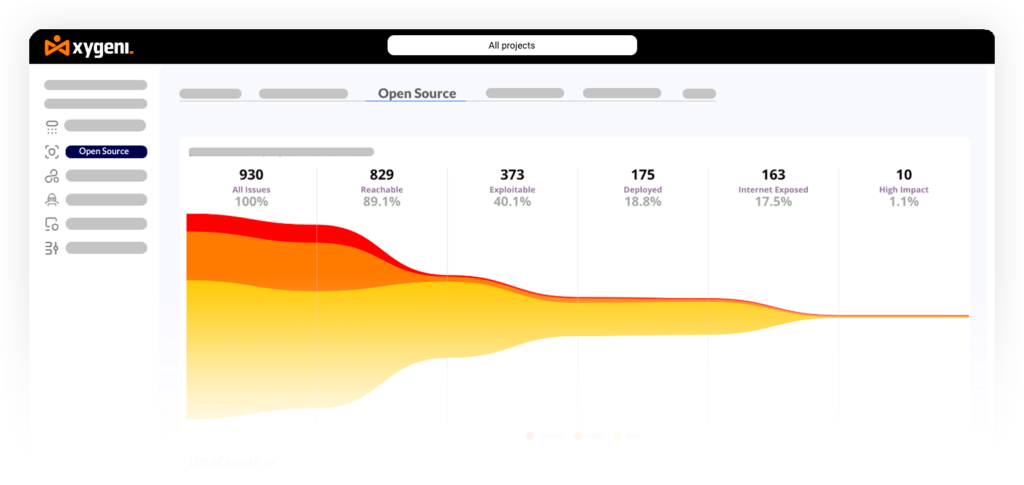
- 悪用可能性に関する情報: さらに、以下のデータで結果を充実させます。 EPSS, CISA KEVさらに、到達可能性分析によって、どの脆弱性が実際に存在し、かつ悪用可能であるかを明らかにする。
- Guardrails 開発者向け: その結果、リスクの高いマージや依存関係の更新は自動的にブロックされます。開発者は、リリース速度を低下させることなく、コンプライアンスを強制するセキュリティポリシーを設定できます。
- 自動修復: 加えて、 ザイジェニボット 安全に開く pull requests 修正バージョンまたは構成パッチを使用します。破壊的変更の可能性も警告します。 修復リスク 生産に影響が出る前に検知する。
- 一元化された可視性: 調査結果すべて: SAST, SCA, IaC、そしてシークレットは、統一された形で現れる dashboardその結果、DevSecOpsチームは進捗状況を追跡し、悪用可能性に基づいて優先順位を付け、ノイズを最小限に抑えることができます。
侵入テストをどのように補完するか
しかし 脆弱性スキャンと侵入テストの比較 しばしば競争のように聞こえるが、どちらの方法も相互補完的なものである。
スキャナーは幅と速度をカバーし、 侵入テスト 文脈と深みを提供する。
自律的AI Xygeni脆弱性スキャナー継続的なスキャンを維持しながら、手動またはスケジュールされたテストによって結果を検証することも可能です。
具体的な例を挙げますと、以下の通りです。
- すべての pull request.
- ステージング環境で軽量な侵入テストを実施し、主要な発見事項を検証する。
- 修正を自動化する ザイジェニボット 迅速かつ安全な修復のために。
このワークフローにより、議論が 侵入テストと脆弱性スキャン スキャンによるスピードとテストによる信頼性の両方が得られるため、問題は解消されます。
結論:侵入テストと脆弱性スキャンを組み合わせることで最高の効果が得られる理由
結論として、 侵入テストと脆弱性スキャン どちらか一方を選ぶのではなく、両方を賢く組み合わせることが重要だ。
脆弱性スキャンと侵入テスト 自動化された可視化と現実世界での検証が共存する場合にのみ効果を発揮する。
次のようなツールと統合すると Xygeni脆弱性スキャナーバランスがシームレスになる:
- 連続スキャン 退行を防ぐため。
- 定期的にテストする 回復力を確認するため。
- 自動的に修復する 配送速度を維持するため。
さらに、この統合モデルは、すべての 脆弱性スキャンと侵入テストの比較 両者は互いに補完し合う関係にある。スキャンは継続的な洞察を提供し、テストは実際の悪用可能性を確認する。
最終的には、 侵入テストと脆弱性スキャン 開発チームが全体を保護するのに協力します SDLCソースコードから本番環境まで、俊敏性を損なうことなく実現します。
著者について
著者 ファティマ Saidアプリケーションセキュリティを専門とするコンテンツマーケティングマネージャー Xygeni Security.
ファティマは、AppSecに関する開発者向けの調査に基づいたコンテンツを作成しています。 ASPMそしてDevSecOpsにも精通しています。彼女は複雑な技術的概念を、サイバーセキュリティの革新とビジネスへの影響を結びつける、明確で実行可能な洞察へと変換します。