
毎週、当社のマルウェア検出システムは、npmやPyPIなどの公開レジストリ全体で、数千もの新規および更新されたパッケージをスキャンしています。今週も例外ではありませんでした。 2026年7月17日から7月24日の間に165個の悪意のあるパッケージが発見されました。npmとPyPI全体にわたって、1つの高速キャンペーンといくつかの新しいなりすましクラスターが主導している。
最大の単一イベントは bingo-ai PyPI上でも同様の現象が見られました。7月21日の23分間に約85ものバージョンが確認されており、これは先週このパッケージで指摘した自動公開パターンと同じです。
また、以下の活動も確認しました。 gcli-control PyPI 上のパッケージ、私たちの研究チームが 今週は詳細に紹介されています: 攻撃者が所有するドメインではなく、無料の JSON ホスティング サービスである npoint.io を介してコマンド アンド コントロールを行う、フル機能の Windows RAT (キーロギング、ウェブカメラ/マイクのキャプチャ、クリップボードの監視、ブラウザの認証情報の窃盗、永続化)。最初のバースト (バージョン 0.1.0 から 0.7.1) は、7 月 21 ~ 22 日の約 13.5 時間で完全な機能にエスカレートしました。今週のダイジェストによると、キャンペーンはそこで止まらず、7 月 23 ~ 24 日にかけて、さらに 5 つのバージョン (0.8.0 から 0.12.0) がより安定したペースで続きました。
また、npm 上で 9 つのパッケージからなる Twilio なりすましクラスタを確認しました (twilio-serverless, twilio-functions, twilio-internal、その他)はすべて7月21日にバージョン番号を水増しして公開されており、これは典型的な依存関係の混乱パターンである。2番目のクラスターはnpm上の暗号通貨/DeFiツールをターゲットにしており、9つのパッケージが uniswap-sdk-v4, wagmi-react, ethers-secure7月23日公開。
規模は小さいが注目すべき点として、3つの異なるキャンペーンで「日付フォーマットユーティリティ」という命名テーマが繰り返されていること、そして n8n-nodes-pwn7月22日に確認された、疑わしい名前の automation-node パッケージ。
この週刊スナップショットは、継続的な取り組みの一環です。 悪意のあるコードの概要ここでは、新しい脅威を検証し、DevSecOps チームが保護するのに役立つ実用的なインテリジェンスを提供します。 pipeline被害が発生する前に。今週分かったことと、それがなぜ重要なのかを詳しく見ていきましょう。
1週間で165個以上の荷物。その数は増え続けるばかり。
今週のダイジェストも同じ軌跡を反映しています。攻撃者はレジストリが削除するよりも速く公開し、週ごとのスキャンで検出できるよりも速く公開しています。単一の PyPI パッケージ、 bingo-ai、最初のバージョンから約23分で85近い確定バージョンにまで達し、手動レビュープロセスでは到底及ばないスピードで自動公開を実現した。一方、 gcli-control これは、量だけがリスクではないことを示しています。フル機能のRATは、正体を隠すことなく、無料のJSONホスティングサービスであるnpoint.ioを介してコマンドを中継し、トラフィックを通常の開発者活動に紛れ込ませ、攻撃者が所有するドメインをブロックする必要がありませんでした。また、Twilioと暗号通貨/DeFiのなりすましクラスターは、まったく別のパターンを示しています。それは、内部パッケージ名との依存関係の混乱競争に勝つために、バージョン番号を水増しした協調的なマルチパッケージドロップです。
Xygeni早期マルウェア警告 npm、PyPI、その他のレジストリをリアルタイムで監視し、公開された時点で脅威を検知します。これは、ビルドに到達する前、AIエージェントが自律的にインストールする前、そして隠れたリレーや依存関係の混乱を引き起こすパッケージが実行される機会を得る前に行われます。 bingo-ai 30分以内に数十種類のバージョンを出荷、または gcli-control 既に送信ルールで許可されているサービスを経由してC2をルーティングするため、事後的に検出しても既に手遅れです。
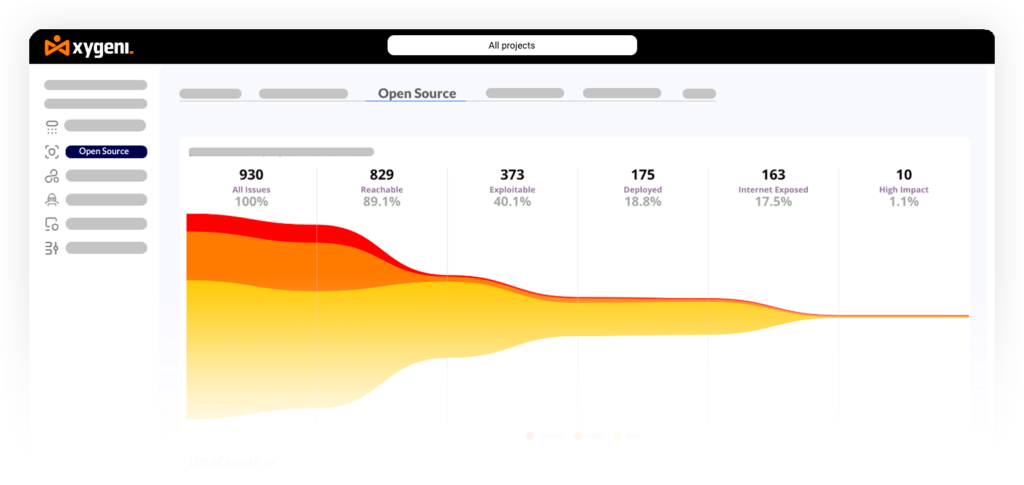
ザイジェニの Open Source Security プラットフォームは、DevSecOps チームに、協調的なサプライチェーンの圧力に先手を打つために必要なリアルタイムの検出と優先順位付けを提供します。 pipelineチームの作業効率を落とすことなく、清潔さを維持します。