



Pambuka: Apa Sebab Pengujian Keamanan Aplikasi Penting
Yen sampeyan nggawe piranti lunak, keamanan kanggo pangembangan piranti lunak ora mung tambahan—iku kudu. Amarga ancaman siber berkembang saben dina, uji coba keamanan aplikasi nduweni peran penting kanggo nangkep kerentanan luwih awal, njamin pangembangan piranti lunak sing luwih aman. Nanging, Ndeteksi masalah mung setengah perang. Sing luwih penting, kepriye carane ndandani? Kanggo njawab iki, kita bakal njelajah macem-macem jinis-jinis uji keamanan aplikasi, praktik paling apik ing uji coba keamanan ing pangembangan piranti lunak, lan strategi remediasi sing bakal mbantu sampeyan ngirim kode aman kanthi efisien.
Jinis-jinis Pengujian Keamanan Aplikasi
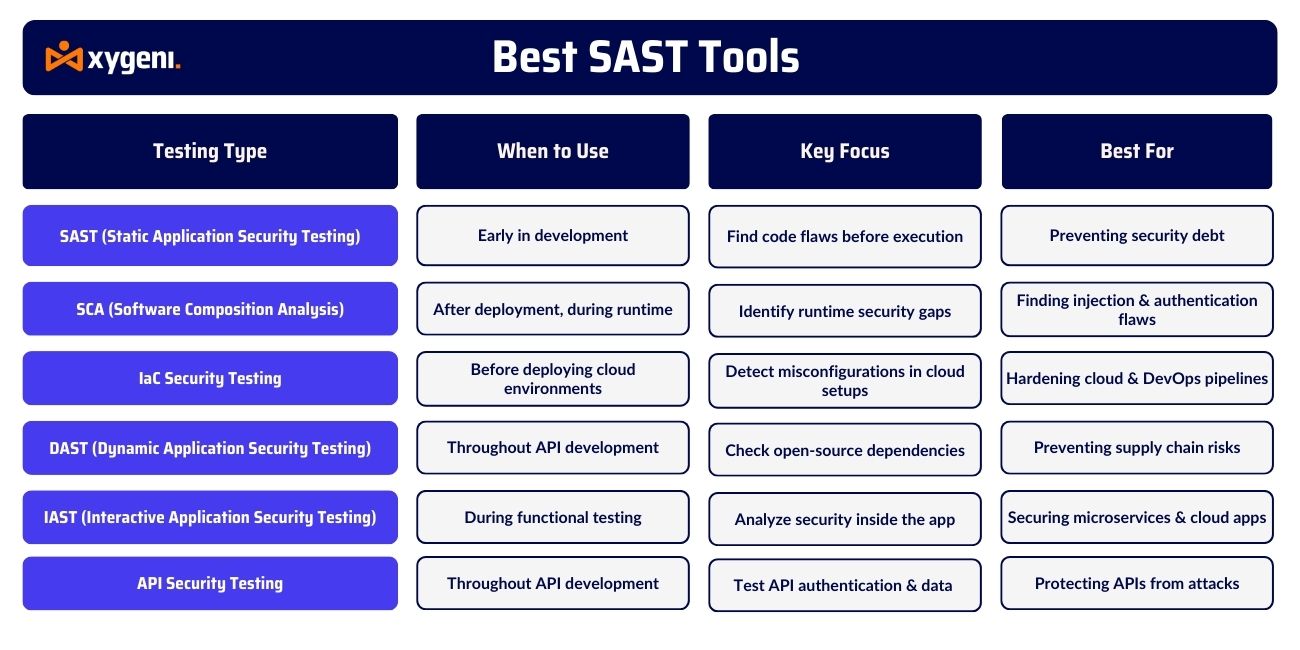
Keamanan kanggo pangembangan piranti lunak mbutuhake luwih saka mung pendekatan uji coba tunggal. Ngamanake aplikasi dudu proses siji-ukuran-cocok-kabeh. Nanging, macem-macem metode uji coba keamanan aplikasi mbantu nemokake kerentanan ing macem-macem cara. tahapan siklus urip pangembangan piranti lunak (SDLC).
Kanthi nglapisi pendekatan keamanan iki, tim bisa nguatake aplikasi, nyuda risiko keamanan, lan nyegah kerentanan sadurunge penyerang ngeksploitasi. Saben metode nduweni peran unik kanggo ngamanake piranti lunak, njamin perlindungan saka pangembangan kode nganti penyebaran.
Ayo dideleng luwih cetha jinis-jinis pangujian keamanan aplikasi sing paling efektif lan kepiye carane mbantu tim mbangun piranti lunak sing luwih aman.
1. Analisis Komposisi Piranti Lunak (SCA)
Saliyané nganalisis kode sing dipatenake, aplikasi modern uga gumantung banget marang pustaka sumber terbuka. Sanajan komponen iki bisa migunani, nanging bisa uga nggawa risiko keamanan. Ing kono Analisis Komposisi Piranti Lunak mlebu—iki mbantu tim terus-terusan ngawasi dependensi pihak katelu kanggo kerentanan lan masalah lisensi.
Nalika Gunakake: Terus-terusan, ing sadawane SDLC.
Cara Kerja: Mindhai dependensi sumber terbuka kanggo nemokake kerentanan sing dingerteni lan komponen sing wis lawas.
Paling Apike: Nyegah serangan rantai pasokan lan njamin kepatuhan karo keamanan standards.
2. Pengujian Keamanan Aplikasi Statis (SAST)
Kaping pisanan lan sing paling penting, ndeteksi cacat keamanan luwih awal ing pangembangan iku penting banget. SAST ngidini para pangembang ngenali kerentanan sadurunge kode kasebut dieksekusi, mesthekake yen masalah wis dirampungake sadurunge dadi masalah sing larang.
Nalika Gunakake: Ing wiwitan pangembangan (keamanan shift-kiwa).
Cara Kerja: Mindhai kode sadurunge dieksekusi, ndeteksi kerentanan ing sumber, bytecode, utawa binari.
Paling Apike: Ngenali cacat tingkat kode sadurunge penyebaran.
3. Infrastruktur minangka Kode (IaC) Tes Keamanan
Kanthi adopsi lingkungan maya sing cepet, ngamanake konfigurasi infrastruktur penting banget kaya ngamanake kode aplikasi. IaC security Pangujian njamin kesalahan konfigurasi dideteksi lan didandani sadurunge penyebaran.
Nalika Gunakake: Sadurunge nggunakake lingkungan maya.
Cara Kerja: Pindai Terraform, CloudFormation, Kubernetes, Lan docker file kanggo risiko keamanan.
Paling Apike: Njamin aplikasi asli maya lan DevOps sing aman pipelines.
4. Pengujian Keamanan Aplikasi Dinamis (DAST)
Boten kados SAST, sing nganalisis kode statis, DAST njupuk pendekatan sing beda kanthi nguji aplikasi nalika lagi mlaku. Kanthi simulasi serangan ing jagad nyata, DAST ngenali celah keamanan sing mung katon nalika eksekusi.
Nalika Gunakake: Sawisé diluncuraké, nalika runtime.
Cara Kerja: Nyerang aplikasi kaya sing ditindakake peretas, ndeteksi kelemahan keamanan ing lingkungan langsung.
Paling Apike: Nemokake serangan injeksi, cacat otentikasi, lan salah konfigurasi.
5. Pengujian Keamanan Aplikasi Interaktif (IAST)
Sawetara kerentanan bisa lolos saka uji coba statis lan dinamis. Kanggo ngatasi kesenjangan kasebut, IAST nyedhiyakake analisis keamanan wektu nyata sajrone eksekusi aplikasi, sing ngidini tim ndeteksi kerentanan kanthi dinamis nalika njaga konteks kode.
Nalika Gunakake: Sajrone uji fungsional.
Cara Kerja: Nggunakake analisis wektu nyata ing njero aplikasi kanggo ngenali risiko keamanan.
Paling Apike: Layanan mikro, aplikasi sing dikemas ing wadhah, lan aplikasi asli awan.
6. Pengujian Keamanan API
Amarga API dadi tulang punggung aplikasi modern, API saya dadi sasaran serangan siber. Pengujian keamanan API njamin yen endpoint tetep dilindhungi saka salah konfigurasi lan ora ana akses sing sah.
Nalika Gunakake: Sadawane pangembangan API.
Cara Kerja: Mindai kanggo nggoleki otentikasi sing ringkih, konfigurasi sing ora bener, lan paparan data.
Paling Apike: Nyegah ancaman keamanan lan kebocoran data sing ana gandhengane karo API.
Praktik Paling Apik ing Pengujian Keamanan kanggo Pengembangan Piranti Lunak
Ngamanake aplikasi ora mung babagan nglakokake tes—nanging babagan nggawe keamanan minangka bagean alami saka proses pangembangan. Kanthi ngetutake praktik paling apik iki, tim bisa nemokake kerentanan luwih awal, ngotomatisasi pamriksan keamanan, lan fokus ndandani ancaman nyata tanpa ngalangi pangembangan.
1. Geser Keamanan Ngiwa
Keamanan kudune diwiwiti ing awal siklus urip pangembangan, ora sawise disebarake.
- Run SAST lan SCA saiki bakal mindai sanalika kode ditulis kanggo nyegah masalah keamanan tekan produksi.
- Wenehana pangembang umpan balik sing bisa ditindakake supaya bisa ndandani kerentanan sadurunge dadi risiko gedhe.
2. Otomatisake Keamanan ing CI/CD Pipelines
Keamanan kudune bisa digunakake ing Kacepetan DevOps, aja nganti alon-alon.
- Nggabungake SAST, DAST, lan SCA menyang CI/CD pipelines kanggo mindhai saben kode commit kanthi otomatis.
- Gunakake kontrol adhedhasar kabijakan kanggo nyegah kode sing ora aman supaya ora disebarake.
3. Amanake Ketergantungan Sampeyan
Aplikasi modern gumantung marang piranti lunak sumber terbuka, sing bisa ngenalake risiko keamanan sing didhelikake.
- Nglakoni otomatis SCA mindhai kanggo ndeteksi pustaka pihak katelu sing rentan sadurunge dadi masalah.
- mbusak dependensi sing wis ketinggalan jaman lan pasang patch sanalika kasedhiya.
4. Prioritasake Kerentanan miturut Risiko
Ora kabeh kerentanan iku padha—fokusake ndandani apa sing bener prakara.
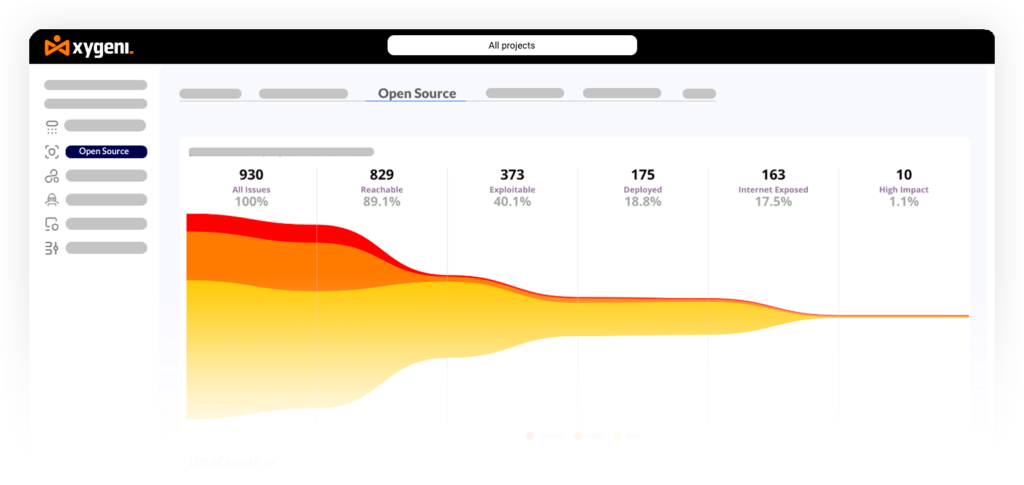
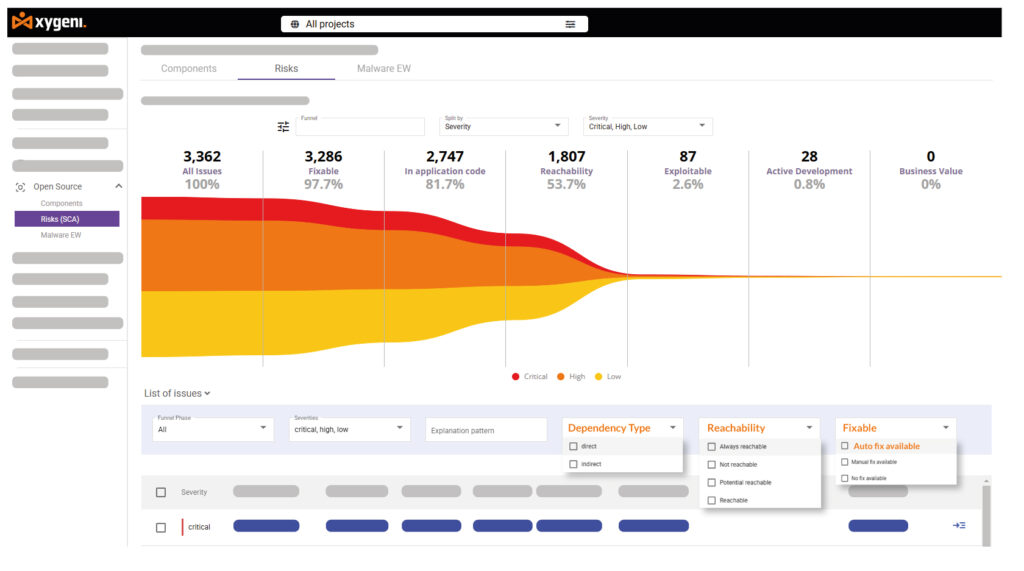
- Gunakake Skor EPSS lan analisis jangkauan kanggo prioritas risiko sing bisa dieksploitasi liwat masalah cilik.
- Ngurangi kesel waspada kanthi nyaring peringatan keamanan sing berdampak rendah.
5. Monitor Anomali kanthi Wektu Nyata
Ancaman keamanan ora mandheg nalika kode disebar—pemantauan terus-terusan iku penting.
- Gunakake deteksi anomali wektu nyata kanggo nglacak owah-owahan sing ora sah ing CI/CD pipelines lan konfigurasi méga.
- Nyekel lan ndandani gangguan keamanan sadurunge nyebabake pelanggaran.
Apa Kuwi EPSS lan Apa Sebabé Penting
Ora saben kerentanan minangka ancaman nyata, lan tim keamanan ora bisa ndandani kabeh sekaligus. Sistem Skor Prediksi Eksploitasi (EPSS) mbantu menehi prioritas kerentanan adhedhasar eksploitasi ing jagad nyata, mesthekake tim fokus ing serangan sing paling mungkin.
- Cara Kerja: Tinimbang nangani kabeh kerentanan kanthi padha, EPSS menehi skor resiko adhedhasar tren eksploitasi sing nyata. Akibate, tim bisa ndandani masalah kritis dhisik sadurunge para penyerang njupuk kauntungan saka dheweke.
- Apa Iku Migunani: Kanthi ewonan kerentanan anyar sing muncul saben dina, EPSS nyaring kabar sing ora perlu supaya tim bisa fokus ing masalah risiko dhuwur tinimbang ngentekake wektu kanggo ancaman cilik.
- Cara Panggunaan Xygeni: Kanggo ningkatake EPSS, Xygeni mesthekake yen analisis reachability kalebu, nyedhiyakake tim kanggo mung ndandani kerentanan sing bisa dieksploitasi nalika ngindhari bebaya sing kurang dampak.
Kanthi nggunakake EPSS, Xygeni mbantu tim keamanan lan DevOps ndandani masalah sing bener—luwih cepet lan luwih cerdas.
Piranti Pangujian Keamanan Aplikasi Xygeni
Ing Xygeni, kita percaya keamanan kudune nguatake pembangunan, ora ngalangi. Kita Solusi Pengujian Keamanan Aplikasi dibangun kanggo kacepetan, akurasi, lan integrasi DevOps sing lancarIki sing ndadekake Xygeni unggul:
- Paling apik ing kelas SAST - Ndeteksi kerentanan sadurunge kode mlaku lan ndandani masalah keamanan luwih awal kanggo ngurangi utang teknis.
- Cerdas SCA – Ngawasi dependensi sumber terbuka ing wektu nyata, nyegah serangan rantai pasokan.
- Integrasi DevOps sing Gampang - Dianggo karo Jenkins, GitHub Actions, GitLab CI/CD, Bitbucket Pipelines, lan Azure DevOps kanggo pindai keamanan otomatis.
- Prioritas sing Cerdas, Dudu Swara – Skor EPSS lan analisis jangkauan njamin tim ndandani sing penting, dudu kabar palsu.
- Perbaikan sing luwih cepet nganggo Otomatisasi - Pandhuan remediasi nyepetake resolusi, njaga para pengembang supaya tetep produktif.
Karo Xygeni, tim-tim mbangun piranti lunak sing aman tanpa kerumitan—supaya padha bisa kirim luwih cepet, kanthi yakin.

Dudutan: Keamanan sing Luwih Pinter kanggo Pengujian Keamanan Aplikasi
Keamanan kanggo pangembangan piranti lunak ora mung babagan nemokake kerentanan—nanging babagan ndandani kanthi efisien tanpa ngalangi rilis. Nggunakake Jinis Pengujian Keamanan Aplikasi sing tepat lan praktik paling apik ing pengujian keamanan kanggo pangembangan piranti lunak, tim bisa nggawe keamanan dadi bagean sing lancar saka alur kerja.
Kanggo nyederhanakake keamanan tanpa kompromi, tim kudu:
- Integrasikan keamanan sejak dini kanggo nyegah kerentanan sadurunge dadi larang regane.
- Otomatisake keamanan ing CI/CD pipelines kanggo nyekel masalah sadurunge penyebaran.
- Ketergantungan monitor karo SCA kanggo nyegah risiko rantai pasokan.
- Fokus ing ancaman nyata nggunakake Analisis EPSS lan reachability.
- API lan infrastruktur uji coba terus-terusan kanggo nyegah kesenjangan keamanan.
At Xygeni, keamanan tetep nguwasani DevOps—cepet, efisien, lan digawe kanggo tim pangembangan modern.
Pengin ngamanake piranti lunak sampeyan tanpa alangan? Hubungi Xygeni dina iki lan tingkatake strategi keamanan sampeyan.