| If you need to... | ອ່ານ |
|---|---|
| Find vulnerabilities in your own code | Top SAST ເຄື່ອງມື |
| Check open-source dependencies for CVEs and licenses | ເຄື່ອງມືວິເຄາະອົງປະກອບຊອບແວ 10 ອັນດັບຕົ້ນໆ |
| Test running apps and APIs like an attacker | ເຄື່ອງມືທົດສອບຄວາມປອດໄພຂອງແອັບພລິເຄຊັນແບບໄດນາມິກ (DAST) ອັນດັບຕົ້ນໆ |
| Find vulnerabilities across your apps and infrastructure | Top 10 Vulnerability Scanning Tools |
| Detect malicious packages | ເຄື່ອງສະແກນມັລແວຣ໌ແຫຼ່ງເປີດ 5 ອັນດັບຕົ້ນໆ |
| Generate and manage SBOMs | 6 Top SBOM ເຄື່ອງມື |
| Secure Terraform and Kubernetes templates | 7 Top IaC ເຄື່ອງມື |
| Secure your DevOps toolchain | ເຄື່ອງມືຄວາມປອດໄພ DevOps 10 ອັນດັບຕົ້ນໆ |
| Secure AI models, agents and LLM apps | Top AI Security Tools |
| Run automated, AI-driven penetration tests | Top AI Pentesting Tools |
Each list compares tools on the same criteria: detection coverage, accuracy and false positives, fit with the developer workflow (IDE, pull requests, CI/CD), deployment options (SaaS, on-premises, air-gapped), integrations, and pricing transparency. We base our comparisons on vendor documentation, public pricing, and product testing where available, and we refresh each list for the new year and whenever the market changes.
ພວກເຮົາປະກອບມີ ຊີເກນີ in the categories where it competes, and we note this in each list so you can weigh our view accordingly.
Already shortlisting tools for 2027? See how Xygeni compares side by side with the platforms you’re evaluating.

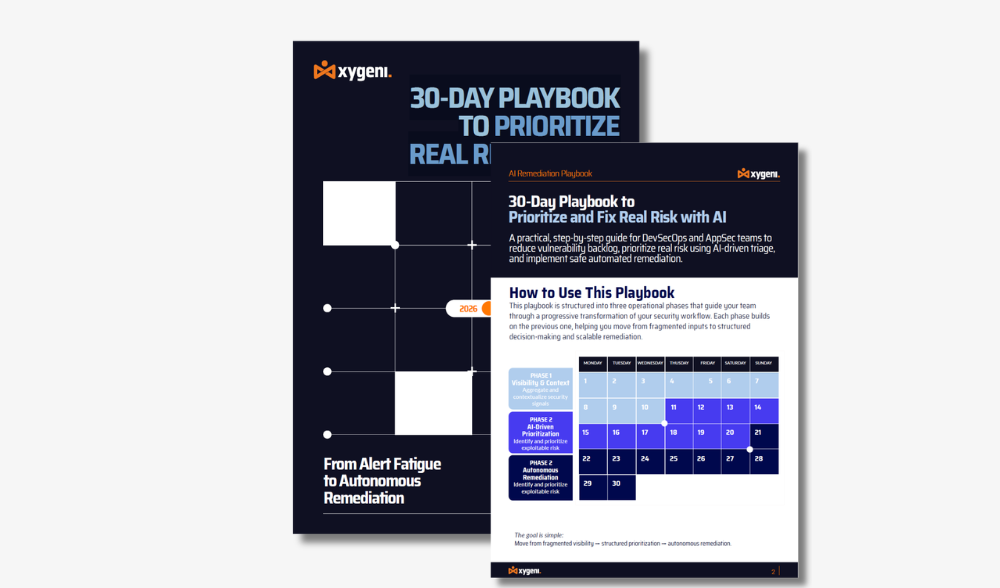
ປຶ້ມຄູ່ມືການປະຕິບັດຕົວຈິງ 30 ມື້ນີ້ສະແດງໃຫ້ເຫັນວ່າທີມງານ DevSecOps ແລະ AppSec ສາມາດຫຼຸດຜ່ອນສິ່ງລົບກວນ, ຈັດລຳດັບຄວາມສຳຄັນຂອງຄວາມສ່ຽງທີ່ສາມາດຂູດຮີດໄດ້ຢ່າງແທ້ຈິງ, ແລະ ນຳສະເໜີການແກ້ໄຂດ້ວຍ AI ຢ່າງປອດໄພໃນທົ່ວທຸກ... SDLCຄົ້ນພົບວິທີການລວມຜົນການຄົ້ນພົບເຂົ້າກັນ SAST, SCA, ຄວາມລັບ, IaC, ແລະ CI/CD, ປັບປຸງການຈັດລຳດັບຄວາມສຳຄັນຂອງຄວາມສ່ຽງດ້ວຍການວິເຄາະຄວາມສ່ຽງຕາມສະພາບການ, ແລະ ຈັດຕັ້ງປະຕິບັດລະບົບອັດຕະໂນມັດທີ່ຄວບຄຸມໄດ້ໂດຍບໍ່ສູນເສຍການເບິ່ງເຫັນ ຫຼື ການຄວບຄຸມ. ດາວໂຫຼດຄູ່ມື ແລະ ຮຽນຮູ້ວິທີການປ່ຽນຈາກການຈັດລຽງແບບປະຕິກິລິຍາໄປສູ່ການແກ້ໄຂແບບອັດສະລິຍະທີ່ສາມາດຂະຫຍາຍໄດ້ພາຍໃນ 30 ມື້.
ເຂົ້າຮ່ວມການສຳມະນາທາງເວັບ Vibe Coding Without Regret ຂອງພວກເຮົາດຽວນີ້. AI ກຳລັງປ່ຽນແປງວິທີການສ້າງຊອບແວ, ໂດຍມີ Copilots ແລະຕົວແທນ AI ສ້າງສ່ວນແບ່ງຂອງລະຫັດການຜະລິດທີ່ເພີ່ມຂຶ້ນ. ໃນກອງປະຊຸມນີ້, ທ່ານຈະເຫັນວິທີການຮັກສາຄວາມປອດໄພຂອງລະຫັດທີ່ສ້າງຂຶ້ນໂດຍ AI ໂດຍກົງໃນ IDE, ດ້ວຍການກວດຫາຊ່ອງໂຫວ່ໃນເວລາຈິງ, guardrails ສຳລັບ Copilot, ແລະການຈັດລຳດັບຄວາມສຳຄັນໂດຍອີງໃສ່ການເຂົ້າເຖິງ. ຄົ້ນພົບວິທີທີ່ການແກ້ໄຂດ້ວຍ AI ຊ່ວຍໃຫ້ນັກພັດທະນາແກ້ໄຂບັນຫາໄດ້ຢ່າງມີປະສິດທິພາບ ແລະ ສ້າງຊອບແວທີ່ປອດໄພ ແລະ ຂັບເຄື່ອນດ້ວຍ AI ໂດຍບໍ່ສູນເສຍການຄວບຄຸມ. ເບິ່ງມັນດຽວນີ້ເພື່ອຮຽນຮູ້ວິທີການສ້າງຊອບແວທີ່ປອດໄພ ແລະ ຂັບເຄື່ອນດ້ວຍ AI ຕັ້ງແຕ່ເລີ່ມຕົ້ນ.
Three shifts are reshaping how teams choose security tools for 2027. First, AI coding assistants and agents now write and change a large share of production code, so security has to run where that code is written, not weeks later. Second, software supply chain attacks keep growing, from malicious packages to compromised CI/CD pipelines, and regulations like NIS2, DORA and the EU Cyber Resilience Act turn supply chain security into a compliance requirement. Third, AI is now part of the application itself, which adds a new attack surface: models, prompts, agents and MCP servers.
No single scanner covers all of it. That’s why teams combine several types of tools, and why choosing the right ones, and making them work together, matters as much as choosing the best one in each category.
Most software teams need SAST to find flaws in their own code, SCA to check open-source dependencies, secrets detection to stop leaked credentials and DAST to test running applications. In 2027, more teams also add malware detection for open-source packages, CI/CD security and, if they build with AI, AI security tools.
SAST analyzes your source code without running it, to find vulnerabilities such as SQL injection early. DAST tests the running application from the outside, the way an attacker would. SCA checks the open-source dependencies you import for known vulnerabilities, license issues and, in some tools, malicious packages.
Many teams start with separate tools, then struggle with duplicated alerts and no shared view of risk. An Application Security Posture Management (ASPM) platform brings findings from every scanner, including third-party tools you already use, into one prioritized view, so you can consolidate without ripping anything out.
We refresh each list for the new year and update it whenever vendors release major capabilities, change pricing or new tools enter the category. Each list shows the date of its last update.