Geriausių kibernetinio saugumo įrankių sąrašai 2027 m.

Discover the Best Cybersecurity and AppSec Tools to Secure Your Software in 2027

Xygeni’s cybersecurity tools lists compare the leading AppSec and software supply chain security tools by category, from SAST, SCA and DAST to SBOM, IaC, malware detection and AI security, so you can shortlist the right tools for your 2027 security stack in minutes.

Which list do you need?

Jei jums reikia...skaityti
Find vulnerabilities in your own codeviršus SAST Ištekliai
Check open-source dependencies for CVEs and licenses10 geriausių programinės įrangos sudėties analizės įrankių
Test running apps and APIs like an attackerGeriausi dinaminio programų saugumo testavimo (DAST) įrankiai
Find vulnerabilities across your apps and infrastructureTop 10 Vulnerability Scanning Tools
Detect malicious packages5 geriausi atvirojo kodo kenkėjiškų programų skaitytuvai
Generate and manage SBOMsTop 6 SBOM Ištekliai
Secure Terraform and Kubernetes templatesTop 7 IaC Ištekliai
Secure your DevOps toolchain10 geriausių „DevOps“ saugumo įrankių
Secure AI models, agents and LLM appsTop AI Security Tools
Run automated, AI-driven penetration testsTop AI Pentesting Tools

How we evaluate tools

Each list compares tools on the same criteria: detection coverage, accuracy and false positives, fit with the developer workflow (IDE, pull requests, CI/CD), deployment options (SaaS, on-premises, air-gapped), integrations, and pricing transparency. We base our comparisons on vendor documentation, public pricing, and product testing where available, and we refresh each list for the new year and whenever the market changes.

Mes įtraukiame Ksigeni in the categories where it competes, and we note this in each list so you can weigh our view accordingly.

Compare Xygeni

Already shortlisting tools for 2027? See how Xygeni compares side by side with the platforms you’re evaluating.

Be geriausių kibernetinio saugumo įrankių sąrašų, taip pat gali praversti šie ištekliai...

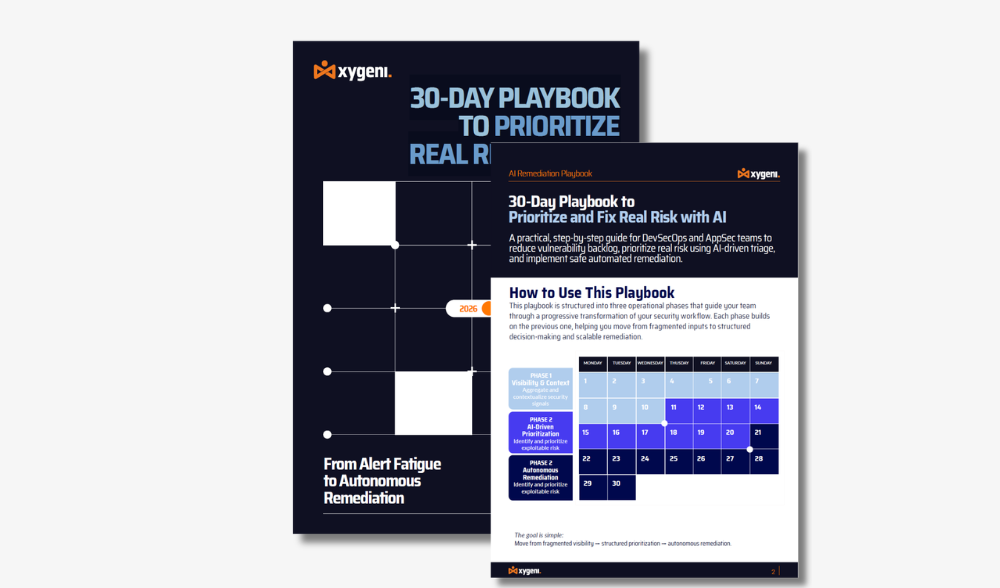
30 dienų dirbtinio intelekto taisymo vadovas

30 dienų dirbtinio intelekto taisymo vadovas

Šis praktinis 30 dienų vadovas parodo, kaip „DevSecOps“ ir „AppSec“ komandos gali sumažinti triukšmą, teikti pirmenybę realiai išnaudojamai rizikai ir saugiai įdiegti dirbtinio intelekto padedamas taisomąsias priemones visame... SDLCSužinokite, kaip suvienodinti išvadas SAST, SCA, paslaptys, IaCir CI/CD, pagerinkite pažeidžiamumų prioritetizavimą atlikdami kontekstinę rizikos analizę ir įdiekite kontroliuojamą automatizavimą neprarandant matomumo ar kontrolės. Atsisiųskite veiksmų vadovą ir sužinokite, kaip vos per 30 dienų pereiti nuo reaktyvaus triažo prie keičiamo dydžio, išmanaus taisymo.
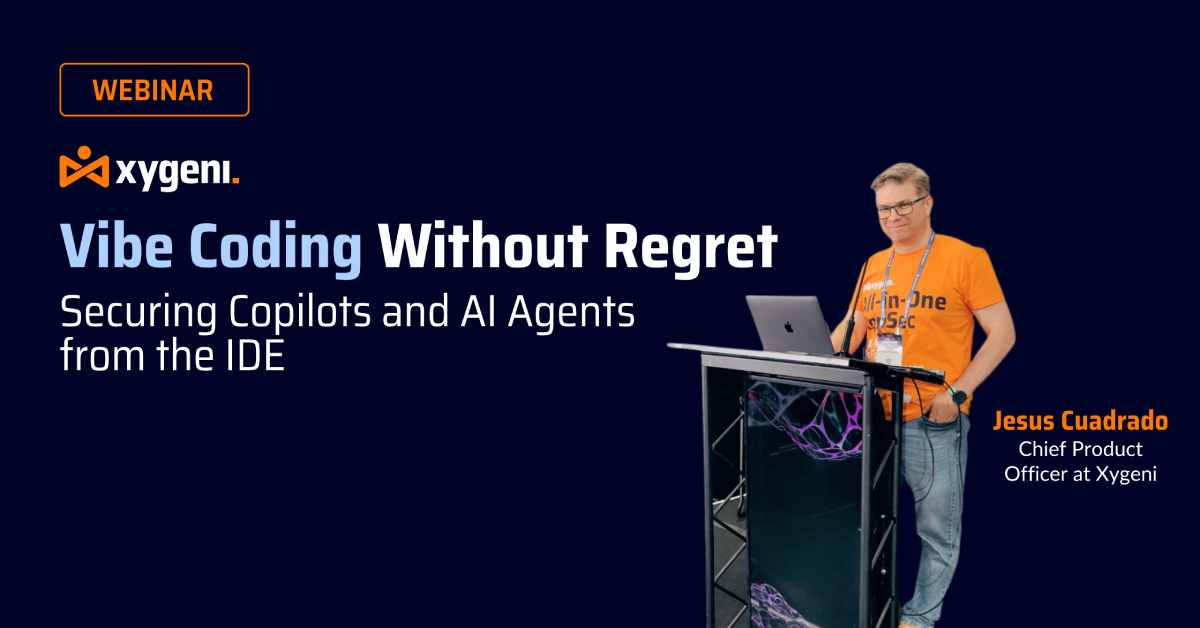
Internetinis seminaras „Vibe Coding Without Regret“

„Vibe“ kodavimas be gailesčio: antrųjų pilotų ir dirbtinio intelekto agentų apsauga nuo IDE

Žiūrėkite dabar mūsų internetinį seminarą „Vibe Coding Without Regret“. Dirbtinis intelektas keičia programinės įrangos kūrimo būdus, o antrosios pilotės ir dirbtinio intelekto agentai generuoja vis didesnę gamybinio kodo dalį. Šioje sesijoje sužinosite, kaip apsaugoti dirbtinio intelekto sugeneruotą kodą tiesiai IDE, naudojant pažeidžiamumų aptikimą realiuoju laiku. guardrails „Copilot“ ir pasiekiamumu pagrįstą prioritetų nustatymą. Sužinokite, kaip dirbtinio intelekto pagalba atliekamas taisymas padeda kūrėjams efektyviai spręsti problemas ir kurti saugią, dirbtinio intelekto valdomą programinę įrangą neprarandant kontrolės. Peržiūrėkite dabar ir sužinokite, kaip nuo pat pradžių kurti saugią, dirbtinio intelekto valdomą programinę įrangą.
What changes in software security in 2027

Three shifts are reshaping how teams choose security tools for 2027. First, AI coding assistants and agents now write and change a large share of production code, so security has to run where that code is written, not weeks later. Second, software supply chain attacks keep growing, from malicious packages to compromised CI/CD pipelines, and regulations like NIS2, DORA and the EU Cyber Resilience Act turn supply chain security into a compliance requirement. Third, AI is now part of the application itself, which adds a new attack surface: models, prompts, agents and MCP servers.

No single scanner covers all of it. That’s why teams combine several types of tools, and why choosing the right ones, and making them work together, matters as much as choosing the best one in each category.

What are the essential cybersecurity tools for software teams in 2027?

Most software teams need SAST to find flaws in their own code, SCA to check open-source dependencies, secrets detection to stop leaked credentials and DAST to test running applications. In 2027, more teams also add malware detection for open-source packages, CI/CD security and, if they build with AI, AI security tools.

Koks skirtumas SAST, DAST ir SCA?

SAST analyzes your source code without running it, to find vulnerabilities such as SQL injection early. DAST tests the running application from the outside, the way an attacker would. SCA checks the open-source dependencies you import for known vulnerabilities, license issues and, in some tools, malicious packages.

Do I need separate tools or one platform?

Many teams start with separate tools, then struggle with duplicated alerts and no shared view of risk. An Application Security Posture Management (ASPM) platform brings findings from every scanner, including third-party tools you already use, into one prioritized view, so you can consolidate without ripping anything out.

How often are these lists updated?

We refresh each list for the new year and update it whenever vendors release major capabilities, change pricing or new tools enter the category. Each list shows the date of its last update.

Ready to secure your software in 2027?

„Xygeni“ produktų rinkinys gali jums padėti!