
Cyber threats are any attempt to steal data, disrupt systems or gain unauthorized access by exploiting a weakness in people, processes or technology. Ask five security engineers to name the biggest one and you’ll get five answers, each describing the last incident that kept them up at night. Threat categories used to be simple: phishing, malware, a stolen password. Today, the attack surface includes the code your developers write, the open-source packages they import, the pipelines that build and ship that code, and the AI tools sitting inside the IDE itself.
บทความนี้จะวิเคราะห์ประเภทหลัก ๆ ของภัยคุกคามทางไซเบอร์ที่องค์กรพัฒนาซอฟต์แวร์สมัยใหม่ต้องเผชิญ โดยอิงจากวิธีการที่การโจมตีเกิดขึ้นจริงตลอดวงจรการพัฒนาซอฟต์แวร์ (SDLC) ไม่ใช่ในรายการทั่วไปที่คัดลอกมาจากพจนานุกรมเก่าเมื่อสิบปีก่อน
The main cyber threats facing software teams today are:
- มัลแวร์ในห่วงโซ่อุปทาน
- การรั่วไหลของความลับ
- Dependency attacks (typosquatting, dependency confusion, slopsquatting)
- CI/CD และสร้าง pipeline การโจมตี
- IaC การกำหนดค่าผิด
- ความเสี่ยงจากโค้ดที่สร้างโดย AI
- AI agent and MCP threats
- Insider and maintainer compromise
Classic cyber threats such as phishing, ransomware and DDoS still matter, but most modern breaches of software organizations start inside the software supply chain.
Why classic cyber threat lists miss today’s risks
เนื้อหาส่วนใหญ่เกี่ยวกับ “ประเภทของภัยคุกคามทางไซเบอร์” ยังคงมองว่าความปลอดภัยเป็นปัญหาที่ขอบเขตภายนอก เช่น ไฟร์วอลล์ อุปกรณ์ปลายทาง และอีเมลฟิชชิ่ง แนวคิดนั้นอาจเหมาะสมเมื่อซอฟต์แวร์ส่วนใหญ่ถูกพัฒนาภายในองค์กรและทยอยส่งมอบ แต่แนวคิดนี้ใช้ไม่ได้ผลอีกต่อไปแล้วเมื่อ:
- แอปพลิเคชันต่างๆ ถูกประกอบขึ้นจากส่วนประกอบโอเพนซอร์สหลายร้อยรายการ ซึ่งแต่ละรายการก็อาจถูกโจมตีได้
- โค้ดเคลื่อนที่ผ่าน CI/CD pipelineระบบที่ทำงานโดยมีสิทธิ์อนุญาตอย่างกว้างขวางและมีการกำกับดูแลจากมนุษย์น้อยมาก
- สัดส่วนของโค้ดที่สร้างขึ้นหรือใช้ AI ช่วยเหลือมีมากขึ้นเรื่อยๆ ซึ่งส่งผลให้ปริมาณและลักษณะของข้อผิดพลาดที่เกิดขึ้นเปลี่ยนแปลงไป
การเข้าใจภัยคุกคามในปัจจุบัน หมายถึงการเข้าใจว่าภัยคุกคามแต่ละอย่างมีต้นกำเนิดมาจากจุดใดในห่วงโซ่อุปทานซอฟต์แวร์ ไม่ใช่แค่เพียงว่ามันก่อให้เกิดความเสียหายอะไรในท้ายที่สุด
Common cyber threats: the classic types
These are the cyber threats most lists stop at. They still cause breaches every day.
| การคุกคาม | มันคืออะไร | ตัวอย่าง |
|---|---|---|
| มัลแวร์ | Malicious software that damages systems or steals data | A trojan hidden in a fake software update |
| ransomware | Malware that encrypts data and demands payment to release it | A hospital's files locked until a ransom is paid |
| ฟิชชิ่งและวิศวกรรมสังคม | Tricking people into handing over access or data | ของปลอม login page sent from a "vendor" email |
| การโจมตี DDoS | Flooding a service with traffic until it goes down | A botnet taking an online store offline |
| Man-in-the-กลาง | Intercepting traffic between two parties | Stealing session tokens on public Wi-Fi |
| การแทรก SQL | Injecting database commands through user input | A login form that dumps the user table |
| การหาประโยชน์จากศูนย์วัน | Attacks on a flaw the vendor has not patched yet | An exploit sold before any fix exists |
These cyber threats target the inbox, the endpoint and the network. Software organizations face a second set that starts much earlier, inside the code and the tools used to build it.
Each of these cyber threats, explained
1. มัลแวร์ในห่วงโซ่อุปทานซอฟต์แวร์
Supply chain malware is malicious code hidden in a component your software trusts: an open-source package, a GitHub Action, or a build artifact. It no longer arrives only through an infected email attachment. It increasingly arrives through an open-source package, a compromised GitHub Action, or a tampered build artifact. Attackers publish or hijack packages, inject backdoors and trojans into dependencies, and wait for developers to pull them in through routine install คำสั่ง
นี่คือเหตุผลที่การโจมตีห่วงโซ่อุปทานซอฟต์แวร์กลายเป็นหนึ่งในประเภทภัยคุกคามที่เติบโตเร็วที่สุด: พวกมันใช้ประโยชน์จากความไว้วางใจ นักพัฒนาไว้วางใจแหล่งจัดเก็บแพ็กเกจในลักษณะเดียวกับที่พวกเขาไว้วางใจโปรแกรมแก้ไขโค้ดของตนเอง และผู้โจมตีรู้เรื่องนี้
See the malicious packages we catch every week
The Malicious Code Digest breaks down real npm, PyPI and Maven attacks: how they hide, what they steal and how they were caught.
2. การรั่วไหลของความลับ
Secrets leakage is the exposure of passwords, API keys or tokens in source code, configuration files or CI/CD logs. It remains one of the most common and most preventable causes of breaches. GitGuardian found 28.65 million new secrets on public GitHub in 2025, up 34% in a year, and more than 64% of credentials confirmed valid in 2022 still worked in January 2026. Once a secret is committed, even to a private repository, it stays in version history long after anyone remembers it’s there.
3. ความเสี่ยงด้านการพึ่งพาและการใช้ซอฟต์แวร์โอเพนซอร์ส
Dependency attacks exploit the way developers, and now AI coding assistants, choose and install open-source packages. Beyond known CVEs, they include:
- การพิมพ์ดีดการเผยแพร่แพ็กเกจที่เป็นอันตรายโดยใช้ชื่อที่คล้ายคลึงกับแพ็กเกจที่เป็นที่นิยมอย่างหลอกลวง
- ความสับสนในการพึ่งพา: หลอกระบบสร้างโปรแกรมให้ดึงแพ็กเกจสาธารณะแทนที่จะเป็นแพ็กเกจภายในที่ตั้งใจไว้
- การนั่งยองๆ: การลงทะเบียนชื่อแพ็กเกจที่ผู้ช่วยเขียนโค้ด AI สร้างขึ้นและแนะนำ ทำให้คำแนะนำ "ที่เป็นประโยชน์" นั้นติดตั้งมัลแวร์แทนที่จะเป็นไลบรารีจริง
4. CI/CD และสร้าง pipeline การโจมตี
Pipelineระบบเหล่านี้ทำงานด้วยความเร็วของเครื่องจักร โดยมีสิทธิ์การเข้าถึงที่สูงขึ้น ซึ่งมักกำหนดขอบเขตไว้ไม่ดี และใช้ข้อมูลประจำตัวที่ไม่ใช่มนุษย์ ซึ่งแทบจะไม่ได้รับการตรวจสอบเหมือนกับบัญชีผู้ใช้ การผสมผสานดังกล่าวทำให้ระบบเหล่านี้เป็นเป้าหมายที่มีประสิทธิภาพสำหรับการแทรกโค้ดโดยไม่ได้รับอนุญาต การใช้ในทางที่ผิดของห่วงโซ่การพึ่งพาการควบคุมการเข้าถึงที่ไม่เพียงพอ และไฟล์สร้างโปรแกรมที่ถูกบุกรุก เป็นประเภทความเสี่ยงที่ระบุไว้อย่างชัดเจนในกรอบการทำงานต่างๆ เช่น NIST SP 800-204D และ OWASP Top 10 CI/CD ความเสี่ยงด้านความปลอดภัย การโจมตี GitHub Action เพียงครั้งเดียวอาจส่งผลให้เกิดการเรียกใช้งานในระบบหลายพันระบบ pipelineก่อนที่ใครจะสังเกตเห็น
5. โครงสร้างพื้นฐานในรูปแบบโค้ด (IaC) การกำหนดค่าที่ไม่ถูกต้อง
IaC misconfigurations are insecure settings in the templates that provision your infrastructure: Terraform, CloudFormation, Kubernetes and Helm. A public storage bucket, an open security group or a container running as root doesn’t stay a single mistake. It is copied to every environment, every time that template runs.
6. ความเสี่ยงจากโค้ดที่สร้างโดย AI
AI-generated code risk is the security debt that comes from code written by AI coding assistants. Assistants reproduce the insecure patterns they learned from, including authentication and access control flaws, and they produce code faster than most review processes were designed to handle. They leak secrets too: GitGuardian found that commits co-authored with Claude Code leaked secrets at 3.2%, more than double the 1.5% baseline. The risk isn’t the AI tool itself; it’s the volume and speed of what reaches the repository.
7. ภัยคุกคามจากเอเจนต์ AI และเลเยอร์ MCP
เมื่อ AI พัฒนาจากการเติมข้อความอัตโนมัติไปสู่เอเจนต์อิสระที่สามารถเข้าถึงเครื่องมือได้ ภัยคุกคามรูปแบบใหม่ก็เปิดขึ้นมา ได้แก่ การแทรกข้อความแจ้งเตือน การวางยาพิษเครื่องมือ (ซึ่งเอเจนต์ถูกหลอกด้วยคำอธิบายเครื่องมือที่เป็นอันตรายให้ดำเนินการที่ไม่พึงประสงค์) และช่องโหว่ในระบบ โมเดลบริบทโปรโตคอล (MCP) เซิร์ฟเวอร์ที่เชื่อมต่อเอเจนต์กับระบบจริง เลเยอร์นี้มองไม่เห็นสำหรับเครื่องมือ AppSec และเครื่องมือปลายทางแบบเดิม เนื่องจากมันทำงานอยู่ภายใน IDE และสภาพแวดล้อมการทำงานของเอเจนต์เองcisการสร้างไอออน ไม่ใช่ในไฟล์ที่สแกนแล้ว
8. ภัยคุกคามจากบุคคลภายในและการรั่วไหลของระบบผู้ดูแลระบบ
Insider threats and maintainer compromise come from people who already have trusted access. That covers a hijacked maintainer account, a new owner taking over a popular package, or an unreviewed change from a contributor nobody checked. That’s why tracking package ownership changes and maintainer reputation matters as much as scanning code.
The common thread across modern cyber threats
Look at the list above, and a pattern emerges. These cyber threats aren’t eight unrelated problems; they’re the same attack surface viewed from five layers of the SDLC: โค้ดที่นักพัฒนาเขียน, ไลบรารีที่พวกเขานำเข้า, pipelineระบบที่สร้างและจัดส่งนั้น ประกอบด้วยโมเดล AI และเอเจนต์ที่ฝังอยู่ในเวิร์กโฟลว์นั้น รวมถึงสภาพแวดล้อมการพัฒนาของนักพัฒนาเอง ผู้โจมตีไม่จำเป็นต้องเจาะทั้งห้าชั้น เพียงแค่ชั้นที่อ่อนแอชั้นเดียวก็มักจะเพียงพอแล้ว ซึ่งเป็นเหตุผลว่าทำไมการแยกสิ่งเหล่านี้ออกเป็นหมวดหมู่ที่ต่างหาก โดยมีเครื่องมือแยกต่างหากสำหรับแต่ละหมวดหมู่ จึงทำให้เกิดช่องว่างระหว่างกัน
How to detect these cyber threats from one platform
ไซเกนี secures all five of those layers from a single platform, rather than stitching together point tools for each cyber threat. Malware Defense detects malicious packages as soon as they are published, including zero-day malware with no known signature, which most scanners miss because they rely on existing detection rules. Secrets Security detects over 100 types of secrets and blocks them before they’re commitเท็ด CI/CD การรักษาความปลอดภัย Build Security และ IaC Security แข็ง pipelines and infrastructure templates. DevAI secures code as AI assistants write it, directly in the IDE. AI Security finds the models, agents, skills and MCP servers in your code and flags risks such as prompt injection and over-privileged tools. Shield protects the developer endpoint itself, blocking malicious packages and IDE extensions before they install.
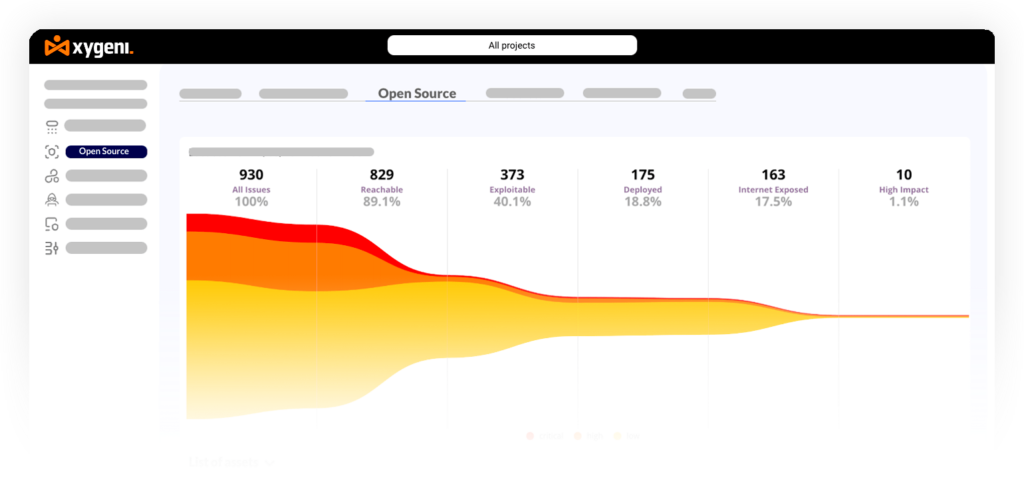
And because Xygeni’s ASPM layer ingests findings from third-party scanners too, the same AI-powered triage and prioritization applies whether a risk was found by Xygeni or by a tool you already run. The result is one prioritized view of what’s actually exploitable across code, dependencies, pipelines, AI tools and the developer environment. Keeping up with cyber threats isn’t about adding another tool for every new category; it’s about closing the gaps between the ones you already have.
คำถามที่พบบ่อย
ภัยคุกคามทางไซเบอร์กับช่องโหว่แตกต่างกันอย่างไร?
ช่องโหว่คือจุดอ่อน เช่น การพึ่งพาไลบรารีที่ล้าสมัย หรือการตั้งค่าที่ไม่ถูกต้อง pipelineภัยคุกคามทางไซเบอร์คือความพยายามที่จะใช้ประโยชน์จากจุดอ่อนนั้นจริง ๆ ซอฟต์แวร์อาจมีช่องโหว่นับพันรายการแต่กลับไม่พบภัยคุกคามใด ๆ หรือช่องโหว่เพียงช่องเดียวที่ถูกใช้ประโยชน์ก็อาจทำให้เกิดการละเมิดความปลอดภัยได้ ทีมรักษาความปลอดภัยที่นับเฉพาะช่องโหว่จะพลาดช่องโหว่ที่แท้จริงซึ่งกำลังถูกโจมตีอยู่
ภัยคุกคามทางไซเบอร์ประเภทใดที่ทีมพัฒนาซอฟต์แวร์ต้องเผชิญบ่อยที่สุดในขณะนี้?
การโจมตีห่วงโซ่อุปทานและการรั่วไหลของข้อมูลลับยังคงเป็นสองช่องทางเข้าถึงที่พบบ่อยที่สุด ส่วนใหญ่เป็นเพราะการโจมตีเหล่านี้ใช้ประโยชน์จากพฤติกรรมปกติของนักพัฒนา (เช่น การติดตั้งแพ็กเกจ) commit(โดยใช้โค้ดที่เชื่อถือได้) แทนที่จะต้องใช้ช่องโหว่ที่ซับซ้อน ผู้โจมตีไม่จำเป็นต้องบุกรุกหากเวิร์กโฟลว์ที่เชื่อถือได้อนุญาตให้พวกเขาเข้าถึงได้
ปัญญาประดิษฐ์ (AI) กำลังเปลี่ยนแปลงรูปแบบของภัยคุกคามทางไซเบอร์ที่ทีมรักษาความปลอดภัยต้องเผชิญอย่างไร?
AI เพิ่มช่องโหว่ภัยคุกคามใหม่สองอย่าง แทนที่จะมาแทนที่ช่องโหว่เดิม ประการแรก โค้ดที่สร้างโดย AI มักมีข้อบกพร่องมากกว่าโค้ดที่เขียนโดยไม่ได้รับความช่วยเหลือ ประการที่สอง ผู้ช่วยและเอเจนต์การเขียนโค้ดด้วย AI นำเสนอรูปแบบการโจมตีใหม่ทั้งหมด เช่น การแอบอ้างชื่อโดเมน (มัลแวร์ที่ฝังอยู่ภายใต้ชื่อแพ็กเกจที่ AI เข้าใจผิด) และการโจมตีด้วยการวางยาพิษเครื่องมือต่อเอเจนต์ AI ที่มีสิทธิ์เข้าถึง MCP ซึ่งทั้งสองอย่างนี้อยู่นอกเหนือสิ่งที่เครื่องมือ AppSec แบบดั้งเดิมถูกสร้างขึ้นมาเพื่อตรวจจับ
บริษัทสามารถป้องกันภัยคุกคามทางไซเบอร์ทุกประเภทเหล่านี้ได้ด้วยเครื่องมือเพียงชิ้นเดียวหรือไม่?
ไม่ใช่ด้วยสแกนเนอร์ที่มีวัตถุประสงค์เดียว เนื่องจากภัยคุกคามแต่ละประเภท (มัลแวร์ ข้อมูลลับ ความเสี่ยงด้านการพึ่งพา) pipeline การโจมตี (เช่น ความเสี่ยงจากโค้ด AI) มักจะถูกส่งไปยังเครื่องมือที่แตกต่างกัน สิ่งที่จะช่วยอุดช่องว่างนี้ได้คือแพลตฟอร์มที่ครอบคลุมทุกชั้นข้อมูลและจัดลำดับความสำคัญของสิ่งที่ค้นพบในทุกชั้นข้อมูล แทนที่จะเป็นการแจ้งเตือนแยกกันแปดรายการโดยไม่มีบริบทที่ใช้ร่วมกัน