
Ewlekirina sepanan ji her demê girîngtir e. Di sala 2024 de, bi dawî bû 54,000 CVE-yên nû hatin weşandin, hejmareke rekordşikêner. Ev zêdebûn nîşan dide ku rûbera êrîşê çiqas zû mezin dibe, nemaze ji ber ku sepanên nûjen bêtir xwe dispêrin koda çavkaniya vekirî û pakêtên partiya sêyemîn. Ji ber vê yekê ye ku sca li dijî sast Nîqaş ne tenê teknîkî ye, ew stratejîk e. Li şûna ku yekê li ser ya din hilbijêrin, tîmên ku li ser ewlehiyê difikirin herduyan bi kar tînin. SAST zû kêmasî û xeletiyên di kodê we de digire. SCA berî ku pirsgirêkên di girêdayîyan de bikevin hilberînê dişopîne. Amûrên cûda, tebeqeyên cûda, lê bi hev re, ew valahiyên rastîn digirin.
Di vê rêbernameyê de, em ê cûdahiyên di navbera sast û ska, ew çawa li kêleka hev dixebitin, û çawa Xygeni wan di platformek yekane de dike yek ku ji bo DevSecOps hatî çêkirin.
Çi ye SAST?
Testkirina Ewlekariya Serlêdana Statîk (SAST) mîna hebûna pergaleke hişyariya zû ji bo koda we ya taybet e. Bi şopandina koda çavkaniyê, bytecode, û pelên dualî, SAST lawaziyan demek dirêj berî ku bibin pirsgirêk destnîşan dike. Bo nimûne, ew pirsgirêkên wekî derzîkirina SQL an jî nîşan dide nivîsandina navmalperê (XSS) dema ku kod hîn jî di pêşveçûnê de ye.
Sûdên sereke yên SAST:
- Zehfkirina Zû: Zû lawaziyan dibîne, dem û pereyan li ser sererastkirinên paşê teserûf dike.
- Veşartina BerfirehHemû kodên xwerû bi baldarî kontrol dike, piştrast dike ku tiştek ji bîr neke.
- Bersivên Rast-Time: Dema nivîsandinê rêberiya pêşdebiran dike, û kalîteya kodê çêtir dike.
- Pêşkeftina Kalîteya KodêEwlehiyê zêde dike di heman demê de parastina wê jî baştir dike.
Rojane SAST Amûr bi lez pêşve diçin. Ji bo ku bibandor bimînin, divê ew ne tenê pirsgirêkên wekî SQLi an XSS tespît bikin, lê di heman demê de tiştên ku bi rastî têne bikar anîn jî bidin pêşiyê û rêbernameya rast-dem ji pêşdebiran re peyda bikin. Li vir amûrên wekî Xygeni derdikevin pêş, lê em ê li jêr bi berfirehî li ser vê yekê biaxivin.
Çi ye SCA?
Di vê navberê de, Analîzasyona Tevnebûna Nermalavê (SCA) hemî li ser birêvebirina rîskan di girêdayîbûnên partiya sêyemîn û çavkaniya vekirî de ye. Bi sepanên nûjen ên ku bi giranî xwe dispêrin pêkhateyên çavkaniya vekirî - pir caran heta %90 -SCA ji bo şopandina lawaziyan û pirsgirêkên lîsansê girîng dibe.
Sûdên sereke yên SCA:
- Birêvebiriya Baweriyê: Lîsteya Materyalên Nermalava we diparêze (SBOM) biroj.
- Tespîtkirina qelsbûnê: Pirsgirêkan bi karanîna databasan nîşan dide mîna NVD or OpenSSF.
- Lihevhatina License de: Alîkariya lihevhatina bi pêdiviyên lîsansê yên çavkaniya vekirî re dike.
- Alerts Proactive: Ji bo dûrketina ji rîskên veşartî, pêkhateyên kevnar dibîne.
Bi rastkirina qelsiyên di girêdayîbûnên derveyî de, SAST û SCA ji bo dabînkirina ewlehiya sepanê ya bihêz bi hev re baş dixebitin. Her wiha, berawirdkirina SCA vs SAST nîşan dide ka ev amûr çawa piştgiriyê didin hev, û beşên cûda yên pirsgirêkên ewlehiya serîlêdanê bi bandor çareser dikin.
SAST vs SCACûdahiyên Sereke di Ewlekariya Serlêdanê de
| aspect | SAST | SCA |
|---|---|---|
| Focus bingehîn | Koda çavkaniya taybet | Girêdayîbûnên çavkaniya vekirî û partiya sêyemîn |
| Demjimêr | Di qonaxa pêşveçûnê de çêtirîn tê sepandin | Çavdêriya berdewam berî û piştî bicihkirinê |
| Cureyên Lawaziyê | Xeletiyên kodkirinê tespît dike (mînak, derzîkirina SQL, XSS) | Qelsiyên naskirî di pirtûkxane û pakêtên derveyî de destnîşan dike |
| di çarçoveya | Koda xwerû ya ku di hundurê malperê de hatiye nivîsandin analîz dike | Hemû girêdayîbûnên rasterast û veguhêz di kodbase de dişopîne |
| Doza Bikaranîna Baştirîn | Ewlekirina sepanên taybet | Birêvebirina rîskan di pêkhateyên nermalava çavkaniya vekirî û yên partiya sêyemîn de |
| Bandora li ser Pêşketinê | Bi rêya bersivên demrast, pratîkên kodkirina ewle baştir dike | Pabendbûnê misoger dike û rîskên ji çavkaniyên derveyî yên nehatine verastkirin kêm dike. |
Wekî ku ev berawirdkirin nîşan dide, SAST û SCA xizmetê ji hev cuda dikin lê bi hev re baş dixebitin. Bikaranîna wan bi hev re misoger dike ku di stratejiya ewlehiya we de kêmasî çênebin.
Whyima Hûn divê Herdû SAST û SCA
Li şûna hilbijartina di navbera SCA vs SAST, herduyan jî bikar bînin da ku parastineke pirqatî biafirînin. Sedema vê ev e:
- Parastina Berfireh: SAST koda xwerû vedihewîne, di heman demê de SCA girêdayîbûnên partiya sêyemîn ewle dike.
- Rûbera Êrîşê KêmkirîBi hev re, ew xalên qels ên di sepanên we de ji holê radikin.
- Kêrhatîya bicîanînHerikînên xebatê yên hêsankirî dibin alîkar ku qelsiyên kêm zûtir werin çareser kirin.
Ji bo niqtandineke kûrtir di avakirina sepanên ewle de, vê berfireh bikolin Rêbernameya Pratîkên Kodkirina Ewle ya OWASP, çavkaniyek hêja ji bo pisporên DevSecOps. Her wiha, hûn dikarin li beşa me ya SafeDev Talk li ser binêrin. SCA vs SAST - Ew Çawa Ji Bo Ewlehiyek Xurttir Hevdu Temam Dikin?
Çima SAST û SCA Materyal di sala 2025an de: Pêdiviyên Ewlekariya Serlêdana Nûjen di Çarçoveya
Tîmên ewlehiyê îro ne tenê kêşan sererast dikin. Ew tiştên krîtîk diparêzin. pipelines, birêvebirina rîskê li seranserê girêdayîbûnên çavkaniya vekirî, û pabendbûna bi rêziknameyên mezinbûyî re.
Di destpêka 2025 de, zêdetirî 80% ji bingehên kodê qelsiyên çavkaniya vekirî yên naskirî dihewînin, li gorî raporên pîşesaziyê. Û bi Kodkirina bi alîkariya AI tê pêşbînîkirin ku ji sedî 30-50ê koda nû pêk bîne Li hin rêxistinan, şopandina tiştên ewle û yên ne ewle dijwartir dibe.
Di vê navberê de, rêziknameyên wekî NIS2, DORA, û rêzikên nû yên SEC şopandina ewlehiyê dikin pêdivîyek, ne tenê tiştek xweş e.
Êrîşên zincîra dabînkirinê yên profîla bilind ên wekî xz Utils or ctx, û eşkere ye: awayê kevn ê kirina AppSec têrê nake.
Li rê da ska û sast ne vebijarkî ne. Dema ku bi hev re werin bikar anîn, ew rê didin tîman ku hem xetera milkê taybet û hem jî ya aliyê sêyemîn bibînin. Niha mifte ew e ku wan di nav herikek xebatê de bikin yek ku pêşdebir bi rastî bikar bînin.
Xygeni: Yekbûyî SAST û SCA Çare
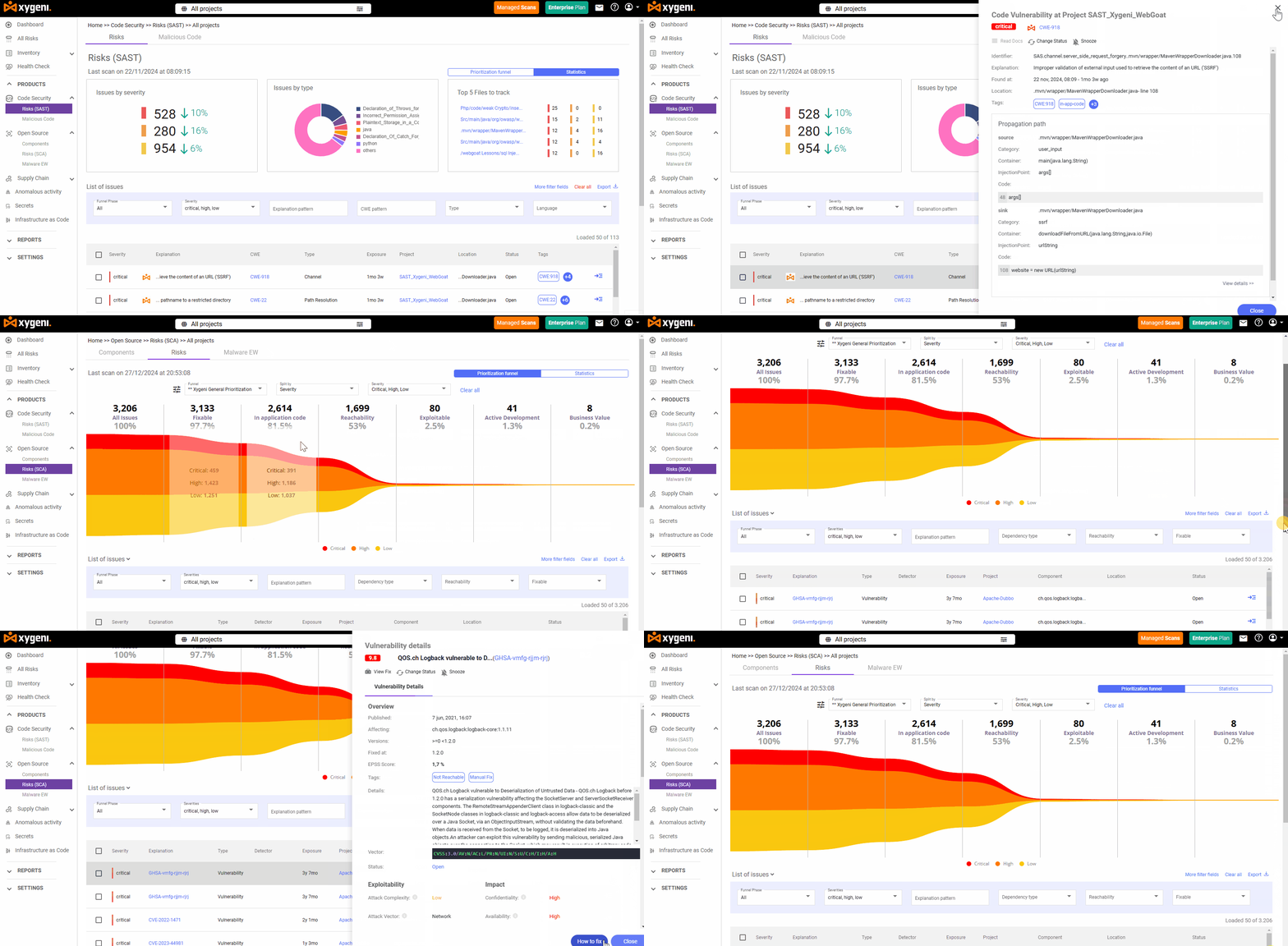
Tîmên ewlehiyê gelek caran di hilbijartina di navbera SAST vs SCA, lê rastî ev e ku her du jî girîng in. SAST vs SCA ne pêşbaziyek e, hevkariyek e. Her çend SAST koda taybet ji bo kêmasiyên ewlehiyê analîz dike, SCA pêkhateyên çavkaniya vekirî û yên partiya sêyemîn ji bo qelsiyên naskirî dişopîne.
Kombînasyonên Xygeni SAST û SCA di platformek yekgirtî de, ku ji bo bicîhkirina di nav herikên xebatê yên DevSecOps de hatîye sêwirandin. Ev rêbaz ewlehiyê di tevahiya pêvajoya pêşveçûnê de, ji analîzkirina koda xwerû bigire heya birêvebirina rîskên çavkaniya vekirî, misoger dike.
Proactive SAST: Parastina Koda Taybetmendî ji Destpêkê ve
Testa Ewlehiya Serlêdana Statîk a Xygeni (SAST) koda we ya taybet ji kêliya nivîsandinê ve analîz dike, koda çavkaniyê, bytecode, û pelên dualî ji bo kêmasiyên ewlehiyê yên krîtîk dişopîne.
Gefên sereke yên hatine tespîtkirin ev in:
- Derzîkirina SQL, skrîptkirina cross-site (XSS), û derzîkirina fermanan
- Xeletiyên rêveberiya bîranînê yên wekî overflowbûna tamponê
- Mantîqa pejirandinê ya ne ewle û eşkerekirina daneyan
- Kodên şaş an xerabkar ên wekî ransomware, spyware, an jî deriyên paşîn
Lê tiştê ku Xygeni cuda dike ne tenê tespîtkirin e, ew pêşanîdanîn e.
Rastbûna ku ji hêla pîvana pîvanê ve hatiye îspatkirin
Xygeni-SAST bi karanîna fermî ve hate ceribandin Pîvana OWASP, ku ew bi dest xist:
- Rêjeya Erênî ya Rastîn a %100 di hemî kategoriyên sereke de wekî SQLi û XSS
- A Rêjeya Erênî ya Derewîn a kêm 16.7%, ji amûrên wekî CodeQL, Semgrep, û SonarQube çêtir performans nîşan dide
- Pûanên bêkêmasî di warên krîtîk de wekî şîfrekirina qels û tespîtkirina cookie-yên ne ewle
Ev encam nîşan didin ku Xygeni gefên rastîn digire, û ji windakirina dema tîmê we li ser deng dûr dikeve.
Çareserkirina Otomatîk û CI/CD Pêxistinî
Ji bo lezandina çareseriyê, Xygeni bi hêza AI-ê ve tê xebitandin Çareserkirina Otomatîk:
- Guhertinên koda ewle di wextê rast de pêşniyar dike
- Bi awayekî otomatîkî çêdike pull requests bi paçên haydar ji rewşê
- Rasterast di hundirê we de dimeşe CI/CD herikên kar bêyî astengkirina berdanan
Ev tê vê wateyê ku tîma we bêyî ku pêşveçûnê hêdî bike, qelsiyên zû, berî ku ew bikevin hilberînê, rast dike.
Ji hêla sêwiranê ve Dostane ji bo Pêşvebirinê
- Sazkirina CLI ya yek-xetê
- Tije SCM entegrasyon (GitHub, GitLab, Azure DevOps, Bitbucket, Jenkins)
- Derxistin bi JSON, SARIF, CSV, Markdown
- Piştgiriya qaîdeyên xwerû di YAML de
- Têbînîyên PR yên hundirîn û guardrails
Bi Xygeni re, SAST dibe beşek bêqusûr a çerxa jiyana pêşkeftina we ya ewle, ji tespîtkirinê bigire heya sererastkirinê, bêyî astengiyan.
Reweşenbîr SCAParastina Girêdayîbûnên Çavkaniya Vekirî
Serlêdanên nûjen ji her demê bêtir xwe dispêrin çavkaniya vekirî, lê bi vê re xetere jî heye. Lêkolînên dawî nîşan didin ku %74ê kodên bingehîn pêkhateyên çavkaniya vekirî yên xetereya bilind dihewînin, Û ku %91ê wan pêkhateyan bi kêmî ve 10 guhertoyên li paş in. Bêyî dîtin û kontrola guncaw, hûn dikarin qelsiyên rasterast bişînin hilberînê.
Analîza Berhevkirina Nermalavê ya Xygeni (SCA) ji navnîşkirina CVEyan wêdetir diçe. Ew li seranserê ekosîstema partiya weya sêyemîn qatek parastinê ya rast-dem û jîr peyda dike.
Tesbîtkirina Pêşketî ji CVEyan Wêdetir
Xygeni hemû girêdayîbûnan, rasterast û veguhêzbar, dişopîne û nîşanên jêrîn nîşan dide:
- Lawaziyên naskirî bi karanîna NVD, OSV, GitHub Advisory û yên din
- Pakêtên kevnar bi lekeyên windabûyî
- Reftarên anormal an xerabkar skrîptên sazkirinê yên di pakêtê de
- typosquatting, tevliheviya girêdayîbûnê, û pakêtên navxweyî yên bê pîvan
- Şablonên gumanbar ên ku bi wan ve girêdayî ne spyware, ransomware, û deriyên paşîn
Gihîştin û Bikaranîn: Li ser Tiştên Girîng Balê Bidin
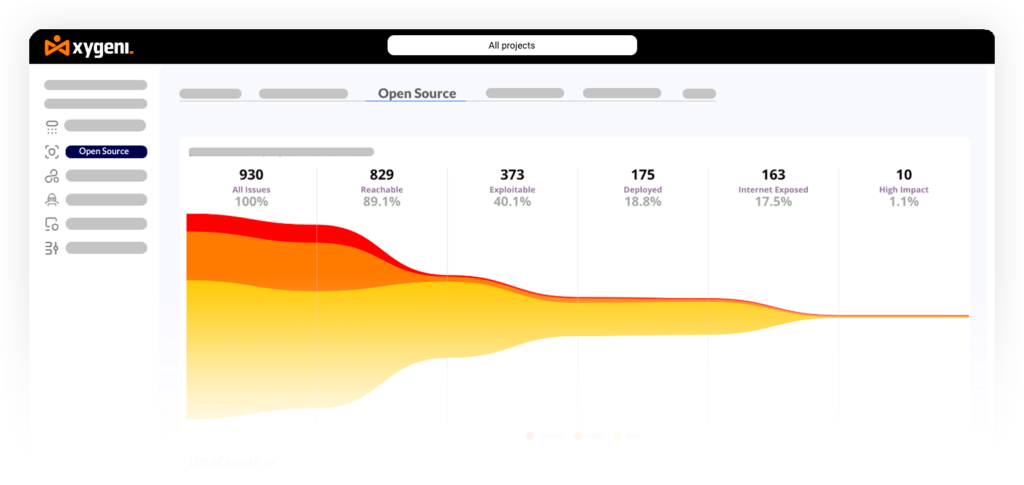
Li şûna ku we bi hişyariyan tijî bike, Xygeni bikar tîne Analîza Gihîştinê da ku nîşan bide ka kîjan qelsî bi rastî ne used di serlêdana we de:
- Rêyên bicîhanînê û grafîkên bangkirinê dişopîne
- Li gorî xalên lawaziyê pêşîniyê dide EPSS (Sîstema Pûankirina Pêşbîniya Îstîsmarkirinê)
- Erênîyên derewîn heta %70 kêm dike
- Cûdahiyê di navbera rêyên kodê yên gihîştî û yên nebikaranî de dike
Ev dihêle ku tîma we tenê li ser vê yekê bisekine rîskên bikêrhatî, demê teserûf dike û deng kêm dike.
Çakkirina Otomatîk li CI/CD
Çareserkirina girêdayîbûnên lawaz ne hewce ye ku bi destî be. Xygeni vê pêvajoyê bi van awayan otomatîk dike:
- Pêşniyarên çareserkirina tavilê rasterast di nav karê we de
- Çakkirina Otomatîk a Girseyî: gelek nûvekirinên girêdayîbûnê di yek çalakiyê de bicîh bînin
- Otomatîkî çêkirî pull requests bi guhertoyên patch ên ewle
- Tije CI/CD entegrasyon ji bo parastina berdewam
Êdî ne hewce ye ku meriv di nav têketinên tomarê de nêçîr bike an jî guhertoyên patch-an bizivirîne, tenê sererastkirinek bilez û armanckirî li cihê ku girîng e.
Tesbîtkirina Zû ya Malware ji bo OSS
Xygeni bi berdewamî qeydên giştî (wek NPM, PyPI, Maven) dişopîne da ku van tespît bike:
- Pakêtên bi malware vegirtî
- Gefên sifir-rojî
- Skrîptên sazkirinê yên gumanbar
- Reftarên ku bi sîxur an deriyên paşîn ve girêdayî ne
Eger tiştek were nîşankirin, Xygeni karantînan gefê, tîmê we hişyar dike, û heta dibe alîkar ku qeydê were agahdarkirin da ku pêşî li belavbûna bêtir bigire. Hûn berî ku pakêtên zirardar bigihîjin we têne parastin. pipelines.
Şefafî û pabendbûna tam bi SBOM
Pêdivî ye ku hûn îspat bikin ka di koda we de çi heye? Xygeni bixweber çêdike SBOMs di formatên wekî SPDX û CycloneDX, û entegre dike Raporên Eşkerekirina Lawaziyan (VDR) ji bo şopandina bêkêmasî.
- Li gorî pêdiviyên EO 14028, NIST SP 800-204D, DORA, û FDA ye
- Rîskên lîsansê li seranserê hemî pêkhateyan dişopîne
- Bi rêya CLI an WebUI dixebite, bi tevahî di CI-ya we de cih digire pipelines
Ev yek piştrast dike ku hûn li gorî bendewariyên rêziknameyî tevdigerin di heman demê de zincîra dabînkirina xwe ewle û kontrolkirî dihêlin.
SAST vs SCATaybetmendiyên Ewlehiyê yên Pêşketî yên ku Xygeni ji hev cuda dikin
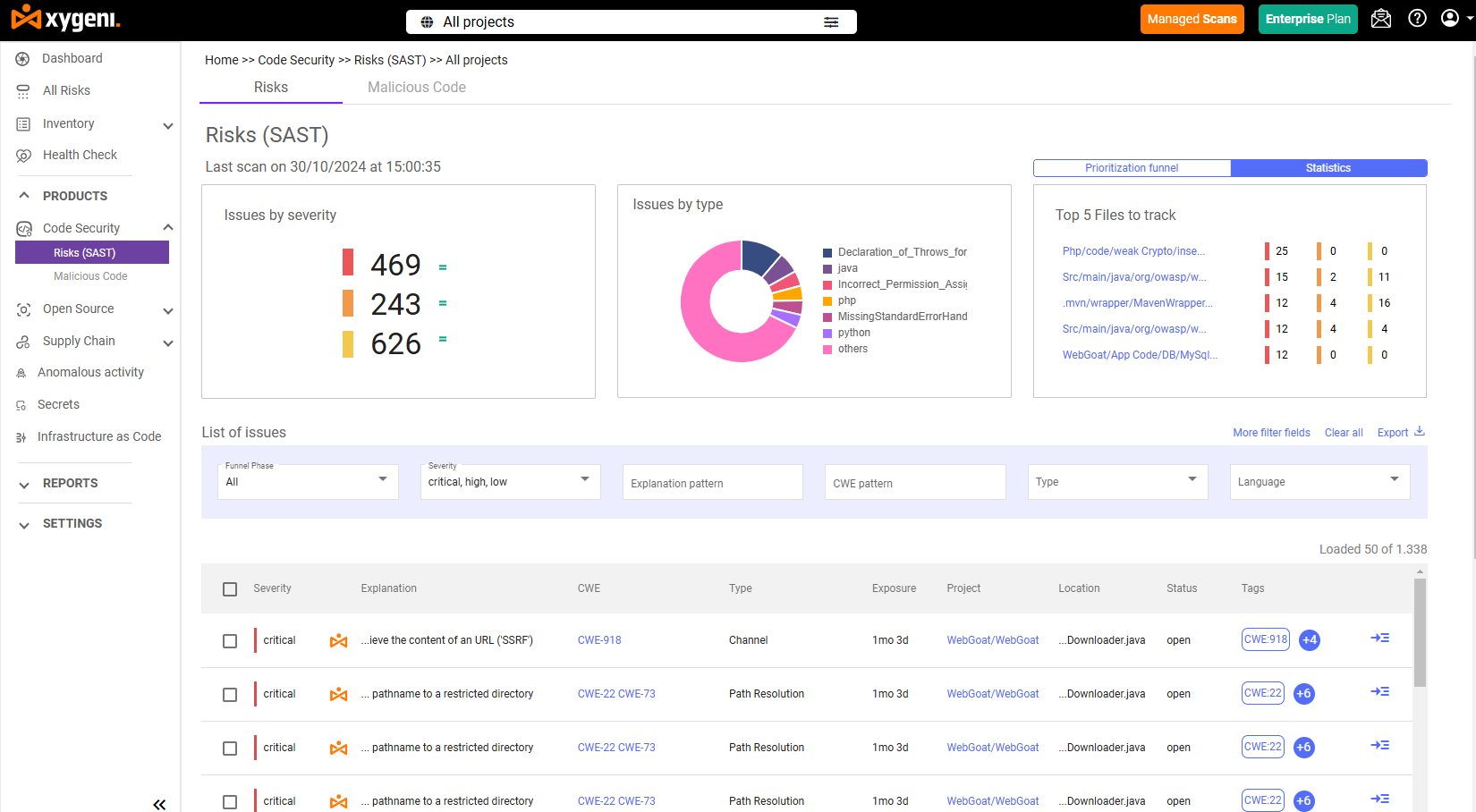
Dema ku berawird kirin sca li dijî sast, ne tenê li ser tiştên ku ew tesbît dikin, lê li ser wê yekê ye ku ew çiqas bi aqilmendî vê dikin. Xygeni amûrên kevneşopî yên AppSec vediguherîne pergalek yekgirtî û aqilmend ku deng ji holê radike û sererastkirinê leztir dike.
Li vir çawa ye Xygeni's SAST û SCA pêkhev karbikin ji bo ku bandorek ewlehiyê ya rastîn peyda bike:
Bikarînbarî û Gihîştin: Tiştên Rastîn Bidin Pêşîniyê
Piraniya amûrên ewlehiyê tîman bi hişyariyên bêwate tijî dikin. Xygeni vê yekê bi amûrên çêkirî çareser dike. analîza îstîsmarkirinê û şopandina gihîştinê:
- SAST dîtin bi analîza herikîna daneyan têne fîltrekirin da ku tenê kêmasiyên bikêrhatî werin destnîşankirin
- SCA lawazî li gorî ka koda lawaz bi rastî tê bikar anîn an na têne rêzkirin
- Digel puana EPSS, tîmê we tiştê ku pêşî girîng e dibîne, û ne tiştek din
Ev yek westandina hişyariyê bi girîngî kêm dike û deng jî kêm dike.
AutoFix: Çareserkirina ku Xwe Bi Xwe Dinivîse
Xygeni bi rakirina sererastkirinên destanî ewlehiyê zûtir dike:
- AutoFix bi hêza AI hilberîne pull requests ji bo herdu SAST û SCA pirsên
- Patches li gorî baştirîn pratîkan têne hevrêz kirin û li gorî pirsgirêka rastîn têne çêkirin.
- Çakkirina Otomatîk a Girseyî gelek çareseriyan di yek herikînê de bicîh tîne
- Hemû guhertin in CI/CD-amade û ji hêla pêşdebiran ve pejirandî
Çareserkirina lawaziyan dibe beşek bênavber a pêvajoya pêşdebiran - ne astengkerek.
Tesbîtkirina Zû ya Malware di Girêdayîyan de
Digel ku pakêtên çavkaniya vekirî yên zirardar sal bi sal ji %300 zêdetir zêde dibin, tespîtkirina malware niha pêdivî ye in SCA amûrên
Xygeni qeydên giştî di wextê rast de (NPM, PyPI, Maven) dişopîne da ku van tespît bike:
- Typosquatting, tevliheviya girêdayîbûnê, û skrîptên gumanbar
- Paşder, spyware, û ransomware di pakêtan de
- Gefên sifir-roj berî ku li we bidin pipeline
Heger tehdîdek were dîtin, ew zû tê astengkirin, karantînakirin û şopandin.
Bidilî, SBOM, û VDR: Çêkirî
Xygeni bi her avakirinê re erkên rêveberiyê yên sereke otomatîk dike:
- Dikeve SBOMs di formatên SPDX û CycloneDX de
- Li gorî rêbernameyên NIST SP 800-204D, DORA, EO 14028, û FDA ye
- di nav de Raporên Eşkerekirina Lawaziyan (VDR) ji bo şopandina rîskan di demê re
- Bi CLI an Web UI-ya we ve entegre dibe, amûrên zêde ne hewce ne
Pabendbûn êdî ne tiştekî paşîn e. Ew berdewam, şefaf û ji bo vekolînê amade ye.
Yek Platform, Yek Herikîn
Berevajî amûrên perçebûyî, Xygeni pêşkêş dike:
- Encamên yekgirtî ji bo SAST û SCA di yek dashboard
- CI/CD guardrails û polîtîkayên ku ewlehiya shift-çepê bicîh tînin
- Hişyariyên demrast bi rêbernameya sererastkirina kontekstî
- Şopandina tevahî ji lawazan commit ji bo çareserkirina rastkirinê
Çi hûn koda taybet an zincîra dabînkirina OSS-ya xwe ewle bikin, Xygeni hemîyan vedihewîne, bi kêmtir alozî, hişyariyên kêmtir, û encamên zûtir.
Ewlehî ne tenê amûrkirin e. Ewlehî rêveberî ye.
Ewlekariya sepanan ne tenê girtina qelsiyan e. Bi rastî, ew di heman demê de zanîna kê xwediyê rîskê ye, kê wê çareser dike, û ew kiryar çawa bi polîtîkayên ewlehiya we yên navxweyî re li hev dikin e.
Her ku rêxistina we mezin dibe, dîtin bi tena serê xwe têrê nakePêdivîya te bi şopandinê heye. Ev tê vê wateyê:
- Kê girêdayîbûna lawaz lê zêde kir?
- Kî berpirsiyarê sererastkirinê ye?
- Gelo sererastkirin li gorî polîtîkayên ewlehiya we ye?
Ev e cihê ku amûr û rêveberiya rast li hev tên. Dema ku hûn entegre bikin SAST û SCA Amûrên bi awayê rast bikevin nav karûbarên we, ew tenê pirsgirêkan nabînin. Di şûna wê de, ew alîkariya bicîhanîna qaîdeyên ewlehiyê dikin, berpirsiyariyê destnîşan bikin, û bi herikînên zelal û otomatîkî çareseriyan bileztir bikin.
Herwiha, di asta jor de, rêveberî dibe girêdana di navbera tespîtkirin û sererastkirinê de. Bêyî wê, hûn tenê hişyariyan berhev dikin. Bi wê re, hûn tedbîrên rastîn digirin.
Li rê da Xygeni li ser bingeha polîtîkayê pêşkêş dike guardrails, erkên tîmê yên xwerû, û şopandina tevahî li seranserê çerxa jiyana pêşkeftina nermalava we ya ewledarHûn dikarin bibînin ka kê rîskek danasîn, kê xwediyê çareseriyê ye, û gelo guhertin li gorî modela rêveberiya we ye.
Bi kurtasî, ewlehî bi tespîtkirinê ve namîne. Ew tenê wê demê bi bandor dibe dema ku pergala we ji bo kesê rast hêsan bike ku zû tevbigerin.
Amade ne ku hûn herikîna karê xwe ya pêşveçûnê bi amûrên rast ewle bikin?
Ji bo dîtina çareseriyên çêtirîn ji bo tîmê xwe, navnîşên me yên ji hêla pisporan ve hatine amadekirin bigerin:
- 10 Analîza Berhevoka Nermalavê ya Herî Baş (SCA) Amûrên ji bo Tîmên DevSecOps
Amûrên çêtirîn kifş bikin da ku pêkhateyên çavkaniya vekirî birêve bibin û zincîra dabînkirina nermalava xwe biparêzin. - Top SAST Amûrên ji bo Tîmên DevSecOps
Ji bo tespîtkirina qelsiyên di destpêka pêşveçûnê de, amûrên analîza koda statîk ên pêşeng bidin ber hev.
FAQs About SCA vs SAST
Cûdahiya sereke di navbera çi ye SCA vs SAST?
SAST koda taybet ji bo kêmasiyên ewlehiyê vedikole, di heman demê de SCA ji bo destnîşankirina qelsiyan û rîskên lîsansê li ser pêkhateyên sêyemîn û çavkaniya vekirî disekine
Qûtîk SAST û SCA bi hev re bên bikaranîn?
Erê, bi kar tînin SAST û SCA bi hev re bi veşartina kodên taybet û yên partiya sêyemîn ewlehiyek bêkêmasî peyda dike, û rîska giştî kêm dike.
Çi cureyên kêmasiyan çêdibin SAST kişfkirin?
SAST berî ku serîlêdan were bicîhkirin, pirsgirêkên kodê, wekî derzîkirina SQL, zêdebûna bufferê, û skrîptkirina cross-site (XSS) dibîne.
Çima ye SCA ji bo ewlehiya çavkaniya vekirî girîng e?
SCA alîkariya tîman dike ku rîskên di girêdayîbûnên partiya sêyemîn de, wekî pirtûkxaneyên kevin, pirsgirêkên ewlehiyê yên naskirî, û pirsgirêkên lîsansê birêve bibin.
Kîjan çêtir e: SAST or SCA?
Ne yek ji wan bi serê xwe bi bandor e. SAST û SCA bi hev re bixebitin da ku ewlehiyek berfireh ji bo kodên xwerû û derveyî peyda bikin
Xygeni çi ye, û ew çawa entegre dibe? SAST û SCA?
Xygeni yek dike SAST û SCA nav yek platformê, ku rêveberiya qelsiyan li seranserê tevahiya çerxa jiyanê ya pêşkeftinê zûtir, zîrektir û bibandortir dike.