| If you need to... | Xwendin |
|---|---|
| Find vulnerabilities in your own code | Top SAST Amûrên |
| Check open-source dependencies for CVEs and licenses | 10 Amûrên Analîza Berhevoka Nermalavê yên Herî Baş |
| Test running apps and APIs like an attacker | Amûrên Testkirina Ewlehiya Serlêdana Dînamîk (DAST) ên Top |
| Find vulnerabilities across your apps and infrastructure | Top 10 Vulnerability Scanning Tools |
| Detect malicious packages | 5 Skanerên Malware yên Çavkaniya Vekirî yên Herî Baş |
| Generate and manage SBOMs | Top 6 SBOM Amûrên |
| Secure Terraform and Kubernetes templates | Top 7 IaC Amûrên |
| Secure your DevOps toolchain | 10 Amûrên Ewlehiyê yên DevOps-ê yên Herî Baş |
| Secure AI models, agents and LLM apps | Top AI Security Tools |
| Run automated, AI-driven penetration tests | Top AI Pentesting Tools |
Each list compares tools on the same criteria: detection coverage, accuracy and false positives, fit with the developer workflow (IDE, pull requests, CI/CD), deployment options (SaaS, on-premises, air-gapped), integrations, and pricing transparency. We base our comparisons on vendor documentation, public pricing, and product testing where available, and we refresh each list for the new year and whenever the market changes.
Em tê de ne Xygeni in the categories where it competes, and we note this in each list so you can weigh our view accordingly.
Already shortlisting tools for 2027? See how Xygeni compares side by side with the platforms you’re evaluating.

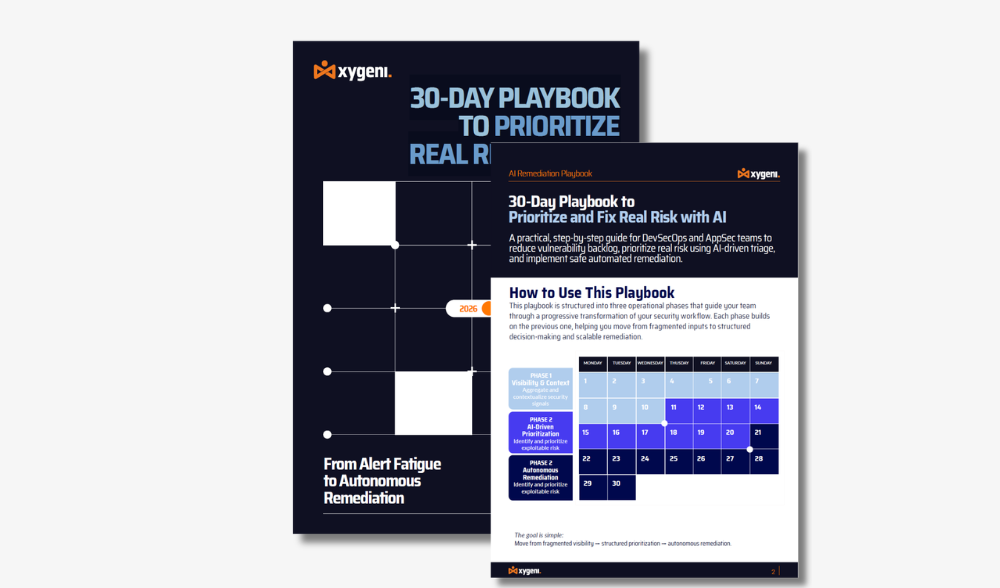
Ev pirtûka pratîkî ya 30-rojî nîşan dide ka tîmên DevSecOps û AppSec çawa dikarin deng kêm bikin, rîska rastîn a bikêrhatî bidin pêşiyê, û bi ewlehî sererastkirina bi alîkariya AI li seranserê... SDLC. Vedîtin ka meriv çawa dîtinan li seranserê yek dike SAST, SCA, sir, IaC, û CI/CD, bi analîza rîska kontekstî pêşîniya qelsiyan baştir bikin, û bêyî windakirina dîtin an kontrolê otomasyona kontrolkirî bicîh bînin. Pirtûka lîstikê dakêşin û fêr bibin ka meriv çawa di nav tenê 30 rojan de ji triyaja reaktîf berbi sererastkirina jîr û pîvanbar ve diçe.
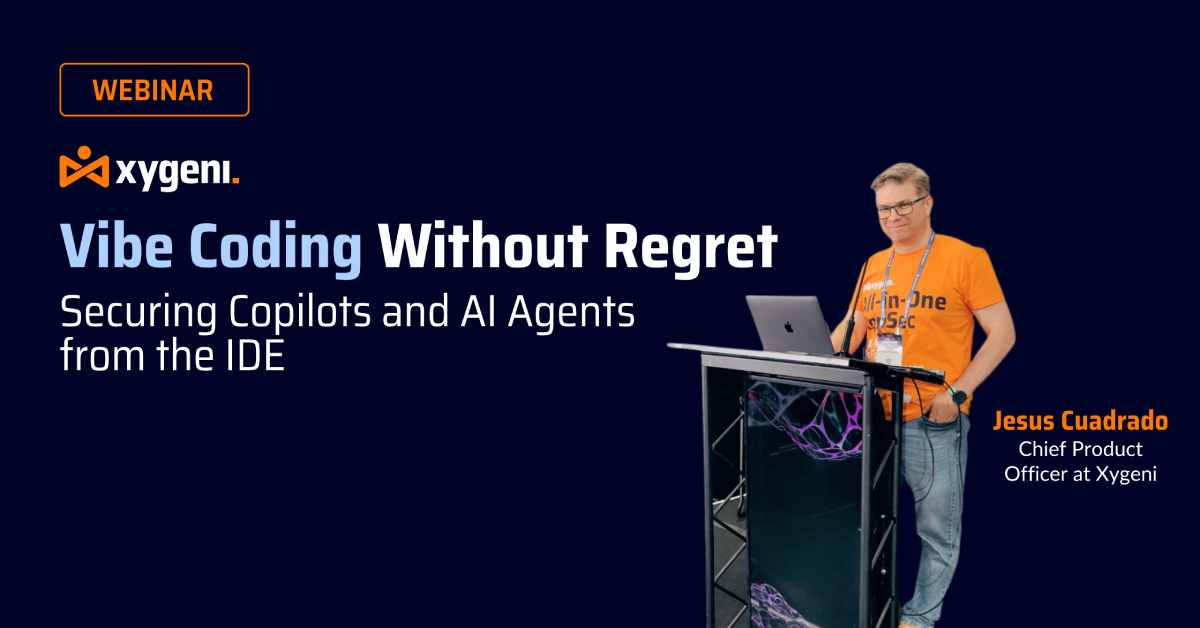
Niha li webînara me ya bi navê "Kodkirina Vibe Bêyî Poşmaniyê" temaşe bikin. AI awayê çêkirina nermalavê diguherîne, bi Copilot û ajanên AI ku parek zêde ya koda hilberînê çêdikin. Di vê rûniştinê de, hûn ê bibînin ka meriv çawa koda ku ji hêla AI ve hatî çêkirin rasterast di IDE de, bi tespîtkirina qelsiyên rast-dem ewle dike. guardrails ji bo Copilot, û pêşanîya li ser bingeha gihîştinê. Bibînin ka sererastkirina bi alîkariya AI çawa alîkariya pêşdebiran dike ku pirsgirêkan bi bandor çareser bikin û nermalava ewle, bi ajotina AI-ê bêyî windakirina kontrolê ava bikin. Niha temaşe bikin da ku hûn fêr bibin ka meriv çawa ji destpêkê ve nermalava ewle, bi ajotina AI-ê ava dike.
Three shifts are reshaping how teams choose security tools for 2027. First, AI coding assistants and agents now write and change a large share of production code, so security has to run where that code is written, not weeks later. Second, software supply chain attacks keep growing, from malicious packages to compromised CI/CD pipelines, and regulations like NIS2, DORA and the EU Cyber Resilience Act turn supply chain security into a compliance requirement. Third, AI is now part of the application itself, which adds a new attack surface: models, prompts, agents and MCP servers.
No single scanner covers all of it. That’s why teams combine several types of tools, and why choosing the right ones, and making them work together, matters as much as choosing the best one in each category.
Most software teams need SAST to find flaws in their own code, SCA to check open-source dependencies, secrets detection to stop leaked credentials and DAST to test running applications. In 2027, more teams also add malware detection for open-source packages, CI/CD security and, if they build with AI, AI security tools.
SAST analyzes your source code without running it, to find vulnerabilities such as SQL injection early. DAST tests the running application from the outside, the way an attacker would. SCA checks the open-source dependencies you import for known vulnerabilities, license issues and, in some tools, malicious packages.
Many teams start with separate tools, then struggle with duplicated alerts and no shared view of risk. An Application Security Posture Management (ASPM) platform brings findings from every scanner, including third-party tools you already use, into one prioritized view, so you can consolidate without ripping anything out.
We refresh each list for the new year and update it whenever vendors release major capabilities, change pricing or new tools enter the category. Each list shows the date of its last update.