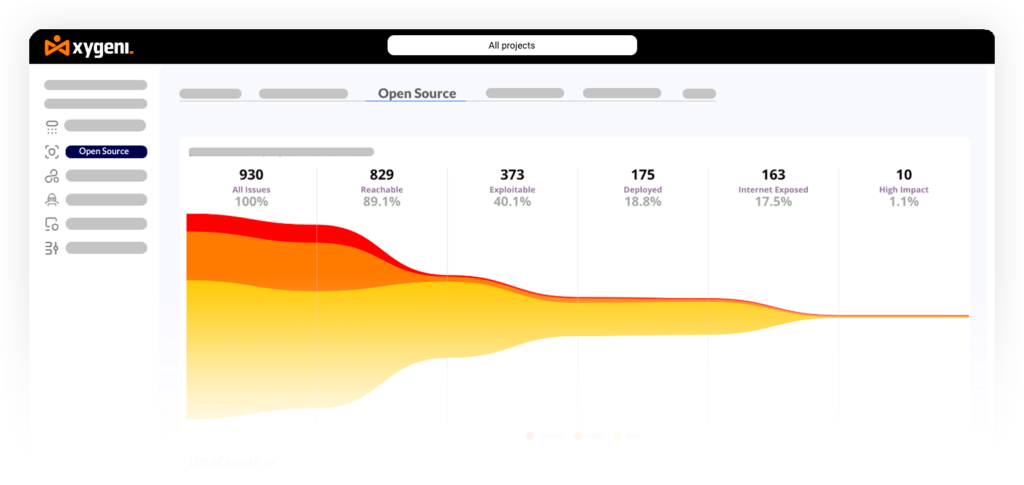







MTTR (Mean Time to Remediate) is one of the most important metrics in application security, yet most teams struggle to improve it. The problem is no longer detection. Today, organizations already scan code, dependencies, secrets, and CI/CD pipelines continuously. However, vulnerabilities still remain open for days or even weeks.
The real challenge is speed. Teams must decide what matters, fix it safely, and avoid breaking production. As a result, remediation cycles slow down and security backlogs grow.
This is why reducing MTTR is not about adding more tools. It is about accelerating how teams move from detection to fix using automation and AI.
In this guide, we break down how modern DevSecOps teams shorten exposure windows, automate remediation, and fix vulnerabilities faster without slowing development.
For a broader look at how these risks appear across systems, see our guide to AI cybersecurity.
What Is MTTR in Application Security and Why It Matters
Direct answer: MTTR measures the average time it takes to fix a vulnerability after it is detected.
In practice, this metric reflects how quickly a team can respond to real risk. A slow remediation cycle means:
- Vulnerabilities stay open longer
- Attack windows increase
- Security debt accumulates
Therefore, improving MTTR directly reduces risk exposure and strengthens application security posture.
Why Remediation Cycles Are Still Slow
Even with modern tooling, many teams struggle to move from detection to fix efficiently. This happens because the bottleneck is not visibility, but execution.
Too Many Alerts, Not Enough Context
Security tools generate large volumes of findings. However, they rarely explain what actually matters.
- Is the issue exploitable?
- Does it affect runtime?
- What is the real impact?
As a result, teams spend time triaging instead of fixing.
Manual Prioritization Slows Everything Down
Without automation, prioritization becomes a manual process. For example, developers must review findings, estimate severity, and decide what to fix first.
Consequently, remediation slows down and important issues are delayed.
Fixing Vulnerabilities Takes Time
Detection is automated. Fixing is not.
In practice, developers need to:
- Understand the issue
- Identify a safe fix
- Test the change
- Ensure nothing breaks
Therefore, remediation becomes the real bottleneck.
Security Is Not Integrated into Developer Workflows
Security often lives outside development environments. As a result, developers switch contexts and fixes are postponed.
How to Reduce MTTR with Automation and AI
Direct answer: The fastest way to reduce MTTR is to automate prioritization, remediation, and validation inside the development workflow.
1. Focus on Exploitable Risks First
Not every vulnerability requires immediate action. Therefore, teams must focus on what is actually exploitable.
Key signals include:
- Reachability
- EPSS scoring
- Business impact
As a result, teams reduce noise and act faster.
2. Automate Triage and Prioritization
AI can classify findings automatically into:
- True positives
- False positives
- Needs review
In addition, this reduces manual work and accelerates decision-making.
3. Automate the Fix Pipeline
To improve remediation speed, fixing must be automated. Instead, of manual workflows:
- Generate pull requests with fixes
- Suggest secure patches
- Update dependencies safely
Consequently, teams move from detection to fix much faster.
4. Integrate Security into CI/CD
Security must run where code is built. In practice:
- Scan every pull request
- Enforce policies before merge
- Validate fixes automatically
Therefore, issues are resolved earlier and do not reach production.
5. Improve Fix Quality with AI
AI does not just speed things up. It improves quality.
- Suggest safer patches
- Avoid breaking changes
- Maintain consistency
As a result, teams fix vulnerabilities faster without introducing new risks.
In addition, teams can strengthen this approach with application security posture management to connect findings across code, dependencies, and pipelines.
For example, combining AI SAST with AI automated vulnerability remediation helps teams move from detection to fix much faster.
MTTR Reduction Workflow with AI and Automation
| Stage | Traditional Approach | AI + Automation Approach |
|---|---|---|
| Detection | Multiple tools, siloed alerts | Unified visibility across SDLC |
| Triage | Manual prioritization | AI-based classification |
| Fixing | Manual remediation | Automated pull requests |
| Validation | Delayed testing | Real-time validation |
| Deployment | Slow rollout | Safe, automated delivery |
This workflow becomes significantly more effective when combined with exploitability signals such as EPSS and real-world threat intelligence from the CISA Known Exploited Vulnerabilities catalog.
What High-Performing Teams Do Differently
High-performing DevSecOps teams focus on speed and context. For example, many aim to fix critical vulnerabilities in less than 24 hours.
However, without automation, most organizations take days or even weeks.
The difference is simple:
- They prioritize based on exploitability
- They automate remediation
- They integrate security into development workflows
Best Practices to Improve Remediation Speed
To consistently reduce exposure windows:
- Prioritize vulnerabilities based on real risk
- Automate remediation workflows
- Integrate security into IDE and pipelines
- Reduce false positives with AI
- Track remediation metrics continuously
Together, these practices create a scalable security model.
From Detection to Fix: Closing the Gap
Reducing MTTR requires a shift in mindset. Instead of focusing only on detection, teams must optimize the full remediation lifecycle.
This is where platforms like Xygeni help by combining:
- Context-aware prioritization
- Automated remediation workflows
- CI/CD integration
- AI-assisted fixes
As a result, security becomes part of development, not a bottleneck.
Key Takeaways
- MTTR measures how fast vulnerabilities are fixed
- Slow remediation increases risk exposure
- Detection alone is not enough
- Automation and AI accelerate remediation
- Integrating security into workflows improves speed
FAQ
What is MTTR in application security?
MTTR is the average time required to fix a vulnerability after detection.
Why is MTTR important?
Because it determines how long systems remain exposed to risk.
How can MTTR be reduced?
By automating prioritization, remediation, and validation.
Can AI reduce remediation time?
Yes, AI helps accelerate triage and fixes, improving overall efficiency.
About the Author
Co-Founder & CTO
Fátima Said specializes in developer-first content for AppSec, DevSecOps, and software supply chain security. She turns complex security signals into clear, actionable guidance that helps teams prioritize faster, reduce noise, and ship safer code.