



Secure coding practices are the techniques and guidelines developers apply throughout the SDLC to catch vulnerabilities before software ships, rather than after. This secure coding practices checklist covers 8 practices that embed security into every phase of your Software Development Life Cycle, moving you from an ad hoc approach to a genuine Secure Software Development Life Cycle (SSDLC).
The Huge Importance of Secure Coding Practices
Secure coding practices exist to prevent exploits and reduce the likelihood of security breaches before they happen. Teams that implement these principles consistently build more resilient applications, protect sensitive data, and maintain user trust.
Why Secure Coding Practices Matter?
- Proactive defense. Addressing vulnerabilities during development is far more cost-effective than reacting post-deployment. Introducing security practices across the SDLC does require additional effort; ScienceSoft estimates 20-80% more than traditional development, but that cost is consistently lower than the cost of a breach.”
- Regulatory compliance. Secure coding practices help organizations meet compliance requirements across frameworks like ISO 27001, GDPR, and industry-specific regulations.
- Reduced risk. Properly implemented secure coding reduces the attack surface, minimizing the risk of data breaches and cyber attacks.
Now, let’s dive into the secure coding practices checklist!

Secure Coding Practices Checklist
Below is a checklist of 8 secure coding practices to integrate into your SSDLC:
1. Input Validation: Unvalidated inputs are a common source of vulnerabilities, including SQL injection and cross-site scripting (XSS). You always have to validate and sanitize user inputs to make totally sure they meet predefined criteria. You can always use allow-lists to define acceptable input, try to encode output to prevent injection attacks, and avoid relying only on client-side validation.
2. Secure Authentication and Authorization:Always implement strong authentication and authorization mechanisms to ensure that only legitimate users can access specific resources, a foundational practice within managed cybersecurity services. You can use multi-factor authentication (MFA), employ the principle of least privilege for access controls, and continuously monitor and regularly audit user roles and permissions to reduce the risk of credential misuse and insider threats.
3. Proper Error Handling: As you already know, errors and exceptions can reveal sensitive information if not handled securely. You can avoid exposing detailed error messages to users, log errors securely without storing sensitive data, and implement centralized error management systems.
4. Implement Secure Data Storage: Data breaches often occur due to insecure data storage practices. In order to avoid that, you can encrypt sensitive data both at rest and in transit, use strong cryptographic algorithms, secure key management, and, last but not least, avoid hardcoding secrets like passwords and API keys.
5. Secure Dependency Management: Third-party libraries and frameworks can introduce vulnerabilities if not managed properly. You can regularly update and patch dependencies, use specific tools to identify vulnerable components, and, very importantly, avoid using outdated or untrusted libraries.
6. Strong API Security: APIs are often targeted by attackers to exploit weaknesses in authentication and data transfer. In order to avoid that make sure to use secure protocols like HTTPS, always validate API requests to prevent injection and spoofing attacks, and limit the exposure of API endpoints.
7. Regular Code Review and Testing: Code reviews and testing are critical components of secure software development. Conduct thorough code reviews to identify potential security flaws early in the development process. Use static application security testing (SAST) tools to detect vulnerabilities in your source code, and dynamic application security testing (DAST) tools to analyze the behavior of your application at runtime. Make this a regular part of your standard workflow and you will ensure consistent security practices.
8. Use Secure Development Tools: The tools you use also play a key role in secure software development. Use integrated development environments and CI/CD pipelines equipped with security features. Enforce secure coding practices through automated tools and training for developers.
How to Properly Implement SSDLC?
Secure coding practices should be seamlessly integrated into each phase of the SSDLC. Take a look at all the phases (in order of importance):
- Requirements Phase: Define your security requirements upfront. They must be aligned with business and regulatory needs.
- Design Phase: Incorporate security design principles (such as least privilege).
- Implementation Phase: Use a secure coding practices checklist to make sure you follow and stick to the best guidelines.
- Testing Phase: Perform rigorous security testing, including penetration testing and code analysis.
- Deployment Phase: Ensure secure configurations and monitor applications post-deployment.
- Maintenance Phase: Continuously monitor and update the software to address emerging threats.
Some Tools for a Secure Software Development
There are many tools in the market, but some are going to assist you better in implementing secure coding practices:
- Static Analysis Tools (SAST): These tools are going to help you to detect vulnerabilities in source code
- Dynamic Analysis Tools (DAST): DAST tools help in the identification of runtime vulnerabilities
- Dependency Scanners: These scanners are a must when you want to properly manage third-party risks
- Secret Scanning Tools: The key to identify hardcoded secrets
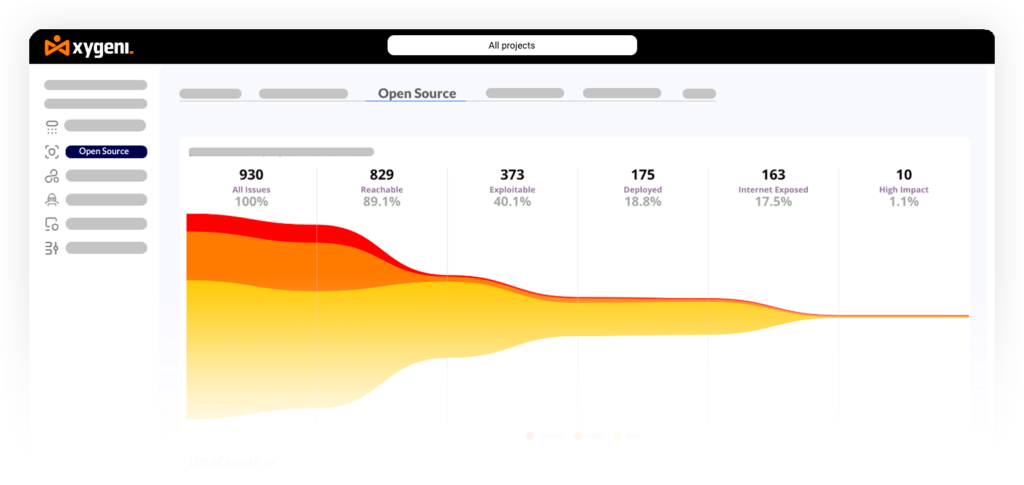
You can try or choose among many different tools or try a unified solution like Xygeni!
Conclusion
Adopting a strong set of secure coding practices is essential for any organization protecting software from vulnerabilities. Embedding security into every phase of the SSDLC, rather than bolting it on at the end, is what actually establishes a proactive defense, reduces risk and cost, and keeps compliance requirements met.
Xygeni provides a unified platform that puts this secure coding practices checklist into practice: identifying vulnerabilities, managing dependencies, and safeguarding sensitive data from a single place instead of stitching together separate tools.
Ready to put this checklist into practice? Start free and see how Xygeni fits into your SSDLC.
FAQ's
What’s the difference between secure coding practices and SSDLC?
Secure coding practices are the specific techniques developers apply while writing code (input validation, secure authentication, proper error handling, and so on). SSDLC is the broader framework that embeds those practices, and others like security testing and secure deployment, across the entire development lifecycle, not just the coding phase.
Does following secure coding practices slow down development?
It adds some effort, ScienceSoft’s data cited in this article puts it at 20-80% more effort than traditional development, but that upfront cost is consistently lower than the cost of addressing vulnerabilities after deployment or responding to a breach.
What tools support secure coding practices?
Static analysis tools (SAST) catch vulnerabilities in source code, dynamic analysis tools (DAST) catch runtime vulnerabilities, dependency scanners manage third-party component risk, and secret scanning tools catch hardcoded credentials. A unified platform like Xygeni combines all four instead of requiring separate point tools.