

Sîstema Pûankirina Pêşbîniya Îstîsmara (EPSS) awayê ku tîmên ewlehiyê yên nûjen bi gefan re mijûl dibin diguherîne. Di nîqaşa zêde ya li ser cvss li dijî epss, guhertin eşkere ye. Her çend CVSS giraniyê ronî dike jî, EPSS balê dikişîne ser îstismarkirina cîhana rastîn. Ev cûdahî girîng e - ji ber ku li şûna ku bertek nîşanî her pirsgirêkek giran a bilind bidin, tîm dikarin li ser tiştê ku êrîşkar bi rastî bikar tînin bisekinin. Bi karanîna puankirina EPSS, rêxistin awayê ku ew qelsiyan birêve dibin û yên ku xetereyên rastîn çêdikin rast dikin baştir dikin.
Her sal, ji Her sal 20,000 CVE-yên nû. Bi awayekî têgihîştî, şopandina hemû wan zehmet e. Gelek tîm di dawiyê de westiyayî dibin, bi saetan li ser mijarên ku dibe ku qet nebin sedema êrîşekê nirxandinê derbas dikin. Ev dibe sedema windakirina demê, bersivên hêdî, û lîsteyek zêde ya karên ku qet nayên kirin.
Ew li wir ye epss li dijî cvss bandorek rastîn çêdike. EPSS balê ji tiştê ku erk ji bo çi xeternak be îhtîmal e ku di demek nêzîk de were hedefgirtin. Di encamê de, tîm dikarin zûtir tevbigerin, karên nehewce kêm bikin û dem ji bo sererastkirina tiştên ku bi rastî girîng in veqetînin.
Konseya Key
CVSS çi ye?
Sîstema Pûankirina Lawaziya Hevpar (CVSS) standardgiraniya lawaziyê nîşan dide, nirxandina rîskê ya zelal û bibandor di nav tîmên ewlehiya sîber de gengaz dike. Zanîna CVSS alîkariya beşdarên eleqedar dike ku bandora lawaziyê fam bikin, pratîkên ewlehiyê baştir bikin.
EPSS çi ye?
EPSS îhtîmala ku êrîşkar di nav 30 rojên bê de ji qelsiyekê sûd werbigirin pêşbînî dike. Pûan rojane tê nûve kirin, û alîkariya rêxistinan dike ku li ser qelsiyên ku xetera herî bilind hildigirin bisekinin. Pûan ji 0 heta 1 diguherin - pûanên bilindtir şansek mezintir a îstismarkirinê nîşan didin.
EPSS vs CVSS: Cûdahiyên Sereke
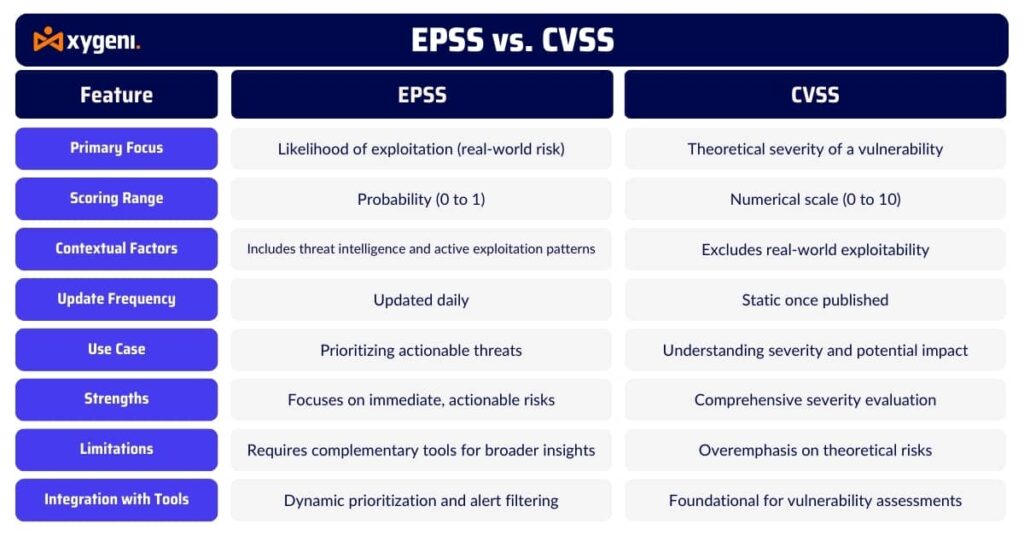
Dema ku cvss û epss têne berhev kirin, cûdahî di van xalan de ye: her puan çi ji we re dibêje:
CVSS balê dikişîne ser giraniya potansiyel ji lawaziyekê - çiqas zirardar e nikaribû be.
EPSS pêşbînî dike îhtîmala îstismarkirinê di cîhana rastîn de - çiqas îhtîmal e ku ew xwestek hedef bên girtin.
Her çiqas CVSS tevliheviya îstismarkirinê, têkiliya bikarhêner û bandorê li ber çavan digire jî, ew li ber çavan nagire ka êrîşkar bi awayekî çalak qelsiyê bikar tînin an na. EPSS bi berçavgirtina telemetrîya gefê, hebûna koda îstismarkirinê û şêwazên êrîşê vê valatiyê tijî dike.
Ligor Lêkolîna EPSSê, kêmtir ji %2 ji qelsiyên naskirî xwedî puana EPSS a bilind in. Berevajî vê, gelek pirsgirêkên krîtîk ên CVSS ji hêla sûcdarên sîber ve nayên destgirtin. Ev yek nîşan dide ka çawa Lawaziyên puana EPSS alîkariya fîltrekirina deng dikin, rê didin tîman ku li ser gefên heyî û pêbawer bisekinin.
Ma EPSS û CVSS dikarin bi hev re bixebitin?
Bê guman - û divê ew bikin.
EPSS û CVSS di stratejiyeke hevseng a rêveberiya qelsiyan de hevdu temam dikin:
Bikaranîn CVSS binirxînin çiqas xerab qelsiyek dikare bibe.
Bikaranîn EPSS binirxînin çiqas îhtîmal e ew e ku were îstismarkirin.
Ev rêbaza du-qatî piştgirîya triyajkirina aqilmendtir dike. Bo nimûne:
Lawaziyek bi CVSS bilind + EPSS bilind → Tavilê sererast bike.
CVSS bilind + EPSS nizm → Bi baldarî çavdêriyê bike, lê pêşanîyê kêm bike.
CVSS nizm + EPSS bilind → Lêpirsîn bike; dibe ku êrîşkar wê bi kêmasiyên din ve girêbidin.
Li gorî vê, tîmên ku epss û cvss li kêleka hev didin ber hev, nêrînek zelaltir bi dest dixin ka çi were sererastkirin - û kengî.
Pêşîniya Cîhana Rastîn bi EPSS re
Ji bo ravekirinê, xeyal bikin ku pergala we du CVEyan nîşan dide:
CVE-2024-99999
CVSS: 9.8 (Krîtîk)
EPSS: 0.03 (Kêmbûna îstîsnakirinê)CVE-2024-12345
CVSS: 6.1 (Navîn)
EPSS: 0.86 (Îhtîmala zêde ya îstismarkirinê)
Divê hûn pêşî kîjan rast bikin? Gelek herikên kar ên kevneşopî qelsiya krîtîk a CVSS didin pêşiyê. Lêbelê, EPSS wê skrîptê diguherîne—hûn li ser tiştê ku bi rastî tê îstismarkirin tevdigerin, ne tenê çi nikaribû xeternak be.
Ev guhertin rê dide tîman ku erênîyên derewîn kêm bikin, demê xilas bike, û leza sererastkirinê baştir bike.
Çima Rêvebiriya Lawaziya Pûana EPSSê Guherînerek Lîstikê ye
EPSS ji patchkirina jîrtir bêtir tiştan pêşkêş dike - ew ewlehiyê di pîvanek mezin de peyda dike:
Scoring DînamîkEPSS rojane tê nûvekirin, û agahiyên herî dawî yên îstîsmara nîşan dide.
ScalabilityEw li ser hezaran qelsiyan dixebite, û alîkariya tîman dike ku zûtir tespît bikin.
KevneşopîEPSS, ku li ser daneyên giştî û modelên vekirî hatiye avakirin, verastkirî û zelal e.
Bandora Siyasetê: Wekî ku ji hêla FIRST.org, EPSS jixwe bandorê li polîtîkayên sererastkirinê yên asta neteweyî dike (mînak DHS BOD 19-02).
Herwiha, rêveberiya lawaziya puana EPSS alîkariya parêzvanan dike ku hewldana xwe li cihê ku herî girîng e - ber bi gefên ku bi rastî xetereyê çêdikin - balê bikişînin.
Dixwazin ji xalgirtinê wêdetir biçin û dest bi çareserkirina pirsgirêkên rast bikin?
Rêbernameya me ya tevahî li ser ka meriv çawa qelsiyên girîng bi bandor destnîşan dike û wan sererast dike, binêre. Fêr bibe ka meriv çawa têgihîştinan vediguherîne çalakiyê - zûtir.
EPSS li dijî CVSS ne yek e - an jî ne - ew bi hev re çêtir e
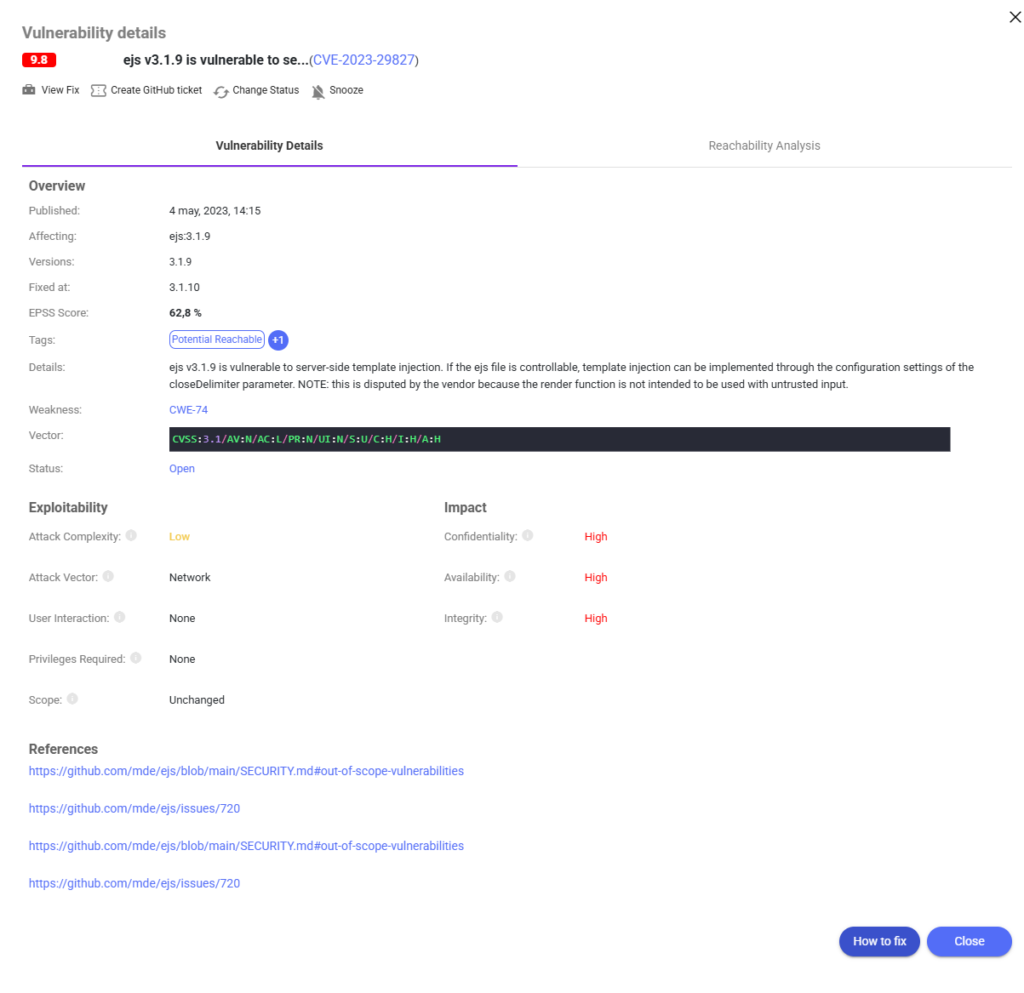
At Xygeni, em bawer dikin ku cvss li dijî epss ne şer e - ew hevkariyek e. Her du pergalên skorê di rêveberiya qelsiyan de rolên cûda, lê bi heman rengî hêja pêk tînin. Ji ber vê yekê Xygeni EPSS û CVSS bi hev re bikar tîne da ku modelek pêşîniyê ya bêkêmasî, haydar ji çarçovê hebe ava bike ku pratîkî, bilez û bibandor be.
Ji bo her qelsiyekê, Xygeni nîşan dide:
Giraniya CVSS da ku bandora potansiyel fam bikin.
Pûana EPSS ji bo nirxandina îhtîmala îstismarkirinê.
Analîza gihîştinê ji bo piştrastkirina ka koda qels bi rastî dixebite an na.
Daneyên hevoksaziyê mîna hesasiyeta sermayeyê û girîngiya karsaziyê.
Let's take CVE-2023-29827 wek mînak. Ev pirsgirêkek derzîkirina şablonê ya aliyê serverê ye ku bandorê li ejs v3.1.9Li ser kaxezê, ew xwedî Pûana CVSS ya 9.8, ku giraniya krîtîk nîşan dide. Lê bi Xala EPSSê %62.8, di heman demê de îhtîmaleke mezin heye ku di demek nêzîk de were bikaranîn.
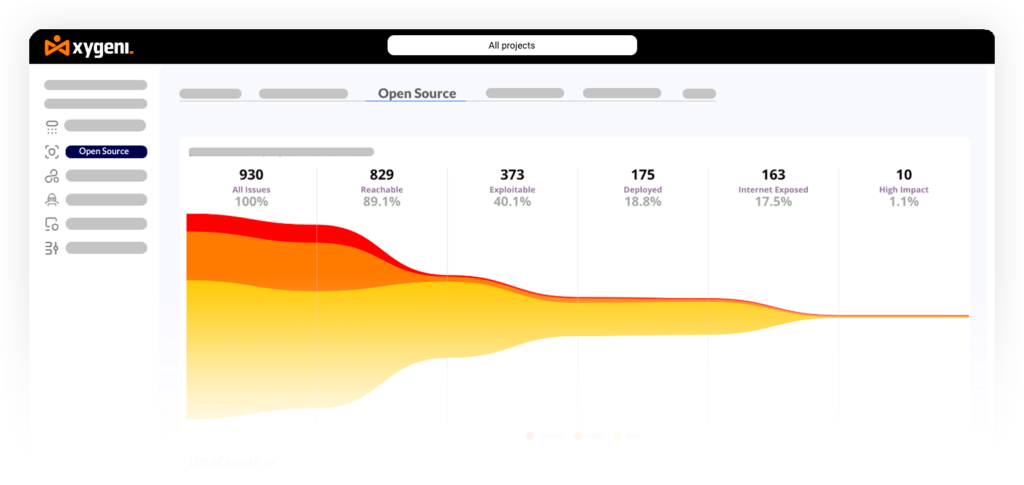
Xygeni hemû van daneyan li yek cîhekî nîşan dide - giranî, îstîsmarkirin, gihîştin, Lawaziya CWE û rewşa guhertoyê - da ku tîm tavilê bibînin ka çima girîng e û paşê çi bikin.
Li şûna ku bertek nîşanî her qelsiya CVSS 9.8 bidin, platforma Xygeni nîşan dide ka gelo:
Ew di koda we de peyda dibe
Ew di çolê de xwedî îstîsnayek bilind e
Ew bandorê li ser hebûnên krîtîk ên karsaziyê dike
Ev dîtina qatqatî dibe alîkar ku westandina hişyariyê kêm bibe, hewildana berbat kêm bike, û rasterast ji bo çareserkirina xetereyên ku bi rastî girîng in, tedbîr bigire.
Dema ku skora EPSS bi giraniya CVSS û çarçoveya dema xebitandinê re tê hev kirin, pêşanîdanîn dibe proaktîf - ne bertekdarXygeni deng vediguherîne têgihîştinê, rêberiya ewlehiyê dike.cisbi zelaliyê tîmên DevSecOps hewce ne ku zû tevbigerin û ewle bimînin.