



Wprowadzenie: Dlaczego testowanie bezpieczeństwa aplikacji jest ważne
Jeśli tworzysz oprogramowanie, bezpieczeństwo dla rozwoju oprogramowania to nie tylko dodatek – to konieczność. W obliczu codziennej ewolucji cyberzagrożeń, testowanie bezpieczeństwa aplikacji odgrywa kluczową rolę we wczesnym wykrywaniu luk w zabezpieczeniach, zapewniając bezpieczniejsze tworzenie oprogramowania. Jednak wykrycie problemów to dopiero połowa sukcesu. Co ważniejsze, jak to naprawić? Aby odpowiedzieć na to pytanie, zbadamy różne rodzaje testów bezpieczeństwa aplikacji, najlepsze praktyki w testowaniu bezpieczeństwa w rozwoju oprogramowania i strategie naprawcze które pomogą Ci sprawnie wysyłać bezpieczny kod.
Rodzaje testów bezpieczeństwa aplikacji
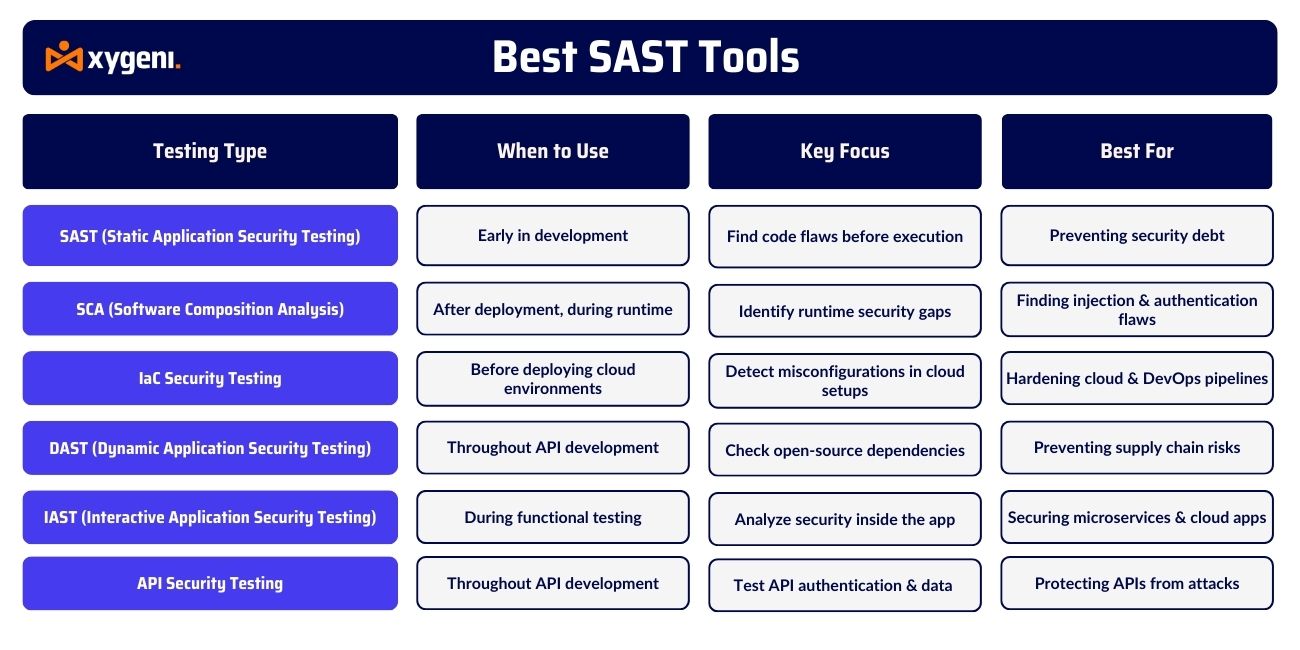
Bezpieczeństwo w rozwoju oprogramowania wymaga czegoś więcej niż tylko jednego podejścia testowego. Zabezpieczanie aplikacji nie jest procesem uniwersalnym. Zamiast tego, różne metody testowania bezpieczeństwa aplikacji pomagają wykryć luki w zabezpieczeniach na różnych etapach. etapy cyklu życia oprogramowania (SDLC).
Dzięki warstwowemu podejściu do bezpieczeństwa, zespoły mogą wzmacniać aplikacje, ograniczać zagrożenia bezpieczeństwa i zapobiegać lukom w zabezpieczeniach, zanim atakujący je wykorzystają. Każda metoda odgrywa unikalną rolę w zabezpieczaniu oprogramowania, zapewniając ochronę od etapu tworzenia kodu do wdrożenia.
Przyjrzyjmy się bliżej najskuteczniejszym typom testowania bezpieczeństwa aplikacji i temu, jak pomagają one zespołom tworzyć bezpieczniejsze oprogramowanie.
1. Analiza składu oprogramowania (SCA)
Oprócz analizy zastrzeżonego kodu, nowoczesne aplikacje w dużym stopniu opierają się na bibliotekach open source. Choć te komponenty mogą być przydatne, mogą również stwarzać zagrożenia dla bezpieczeństwa. Właśnie tutaj Analiza składu oprogramowania pomaga zespołom na bieżąco monitorować zależności od rozwiązań innych firm pod kątem luk w zabezpieczeniach i problemów z licencjami.
Kiedy użyć: Ciągle, w poprzek SDLC.
Jak To Działa: Skanuje zależności oprogramowania typu open source w celu wykrycia znanych luk w zabezpieczeniach i nieaktualnych komponentów.
Najlepszy dla: Zapobieganie atakom na łańcuch dostaw i zapewnienie zgodności z przepisami bezpieczeństwa standards.
2. Testowanie bezpieczeństwa aplikacji statycznych (SAST)
Przede wszystkim kluczowe jest wczesne wykrywanie luk w zabezpieczeniach w fazie tworzenia oprogramowania. SAST umożliwia programistom identyfikację luk w zabezpieczeniach jeszcze przed wykonaniem kodu, co pozwala mieć pewność, że problemy zostaną rozwiązane zanim staną się kosztowne.
Kiedy użyć: Wczesna faza rozwoju (zabezpieczenia typu shift-left).
Jak To Działa: Skanuje kod przed wykonaniem, wykrywając luki w kodzie źródłowym, kodzie bajtowym lub plikach binarnych.
Najlepszy dla: Identyfikacja błędów na poziomie kodu przed wdrożeniem.
3. Infrastruktura jako kod (IaC) Testowanie bezpieczeństwa
Ze względu na szybką adopcję środowisk chmurowych zabezpieczanie konfiguracji infrastruktury staje się równie ważne, jak zabezpieczanie kodu aplikacji. IaC security testowanie zapewnia wykrycie i skorygowanie błędnych konfiguracji przed wdrożeniem.
Kiedy użyć: Przed wdrożeniem środowisk chmurowych.
Jak To Działa: Skanuje Terraform, Tworzenie chmury, Kubernetes, Doker pliki pod kątem zagrożeń bezpieczeństwa.
Najlepszy dla: Zapewnianie bezpieczeństwa aplikacji natywnych w chmurze i DevOps pipelines.
4. Dynamiczne testowanie bezpieczeństwa aplikacji (DAST)
w odróżnieniu SASTktóry analizuje kod statyczny, DAST stosuje inne podejście poprzez testowanie aplikacji podczas ich działania. Symulując ataki w świecie rzeczywistym, DZIEŃ identyfikuje luki w zabezpieczeniach, które ujawniają się dopiero podczas wykonywania programu.
Kiedy użyć: Po wdrożeniu, w czasie wykonywania.
Jak To Działa: Atakuje aplikację tak, jak zrobiłby to haker, wykrywając luki w zabezpieczeniach w rzeczywistym środowisku.
Najlepszy dla: Wykrywanie ataków typu injection, luk w uwierzytelnianiu i błędnych konfiguracji.
5. Interaktywne testowanie bezpieczeństwa aplikacji (IAST)
Niektóre luki mogą umknąć zarówno testom statycznym, jak i dynamicznym. Aby załatać tę lukę, IAST zapewnia analizę bezpieczeństwa w czasie rzeczywistym podczas działania aplikacji, umożliwiając zespołom dynamiczne wykrywanie luk w zabezpieczeniach przy jednoczesnym zachowaniu kontekstu kodu.
Kiedy użyć: Podczas testów funkcjonalnych.
Jak To Działa: Wykorzystuje analizę w czasie rzeczywistym wewnątrz aplikacji w celu identyfikacji zagrożeń bezpieczeństwa.
Najlepszy dla: Mikrousługi, aplikacje konteneryzowane i aplikacje natywne w chmurze.
6. Testowanie bezpieczeństwa API
W miarę jak interfejsy API stają się podstawą nowoczesnych aplikacji, stają się one coraz częściej celem cyberataków. Testy bezpieczeństwa interfejsów API zapewniają ochronę punktów końcowych przed błędami konfiguracji i brakiem autoryzowanego dostępu.
Kiedy użyć: W całym procesie rozwoju API.
Jak To Działa: Skanuje w poszukiwaniu słabego uwierzytelniania, nieprawidłowej konfiguracji i ujawnienia danych.
Najlepszy dla: Zapobieganie zagrożeniom bezpieczeństwa i wyciekom danych związanym z interfejsem API.
Najlepsze praktyki w testowaniu bezpieczeństwa w rozwoju oprogramowania
Zabezpieczanie aplikacji to nie tylko przeprowadzanie testów – to uczynienie bezpieczeństwa naturalnym elementem procesu rozwoju. Stosując się do tych najlepszych praktyk, zespoły mogą wcześnie wykrywać luki w zabezpieczeniach, automatyzować kontrole bezpieczeństwa i skupiać się na usuwaniu rzeczywistych zagrożeń bez spowalniania rozwoju.
1. Przesuń Security w lewo
Bezpieczeństwo powinno się zacząć na wczesnym etapie cyklu życia rozwoju, a nie po wdrożeniu.
- Uruchom SAST oraz SCA skany od razu po napisaniu kodu, aby zapobiec przedostaniu się problemów bezpieczeństwa do środowiska produkcyjnego.
- Daj programistom informacje zwrotne, które można zastosować dzięki czemu mogą naprawić luki zanim staną się poważnym ryzykiem.
2. Zautomatyzuj zabezpieczenia w CI/CD Pipelines
Bezpieczeństwo powinno działać Szybkość DevOps, nie spowalniaj go.
- Zintegrować SAST, DAST i SCA w wiadomościach CI/CD pipelines zeskanować każdy kod commit automatycznie.
- Zastosowanie kontrole oparte na zasadach aby zapobiec wdrażaniu niebezpiecznego kodu.
3. Zabezpiecz swoje zależności
Nowoczesne aplikacje polegać na oprogramowaniu typu open source, co może powodować ukryte zagrożenia bezpieczeństwa.
- Automatyzuj SCA skanowanie w celu wykrywania podatnych na zagrożenia bibliotek zewnętrznych zanim staną się problemem.
- Usunąć przestarzałe zależności i zastosuj poprawki, gdy tylko będą dostępne.
4. Ustal priorytety luk według ryzyka
Nie wszystkie luki są sobie równe — skup się na naprawie tego, co naprawdę ma znaczenie.
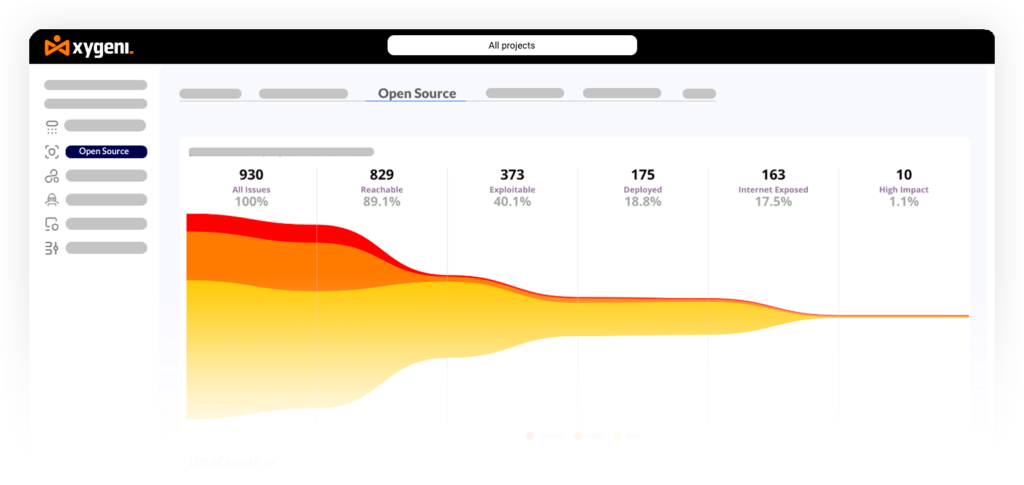
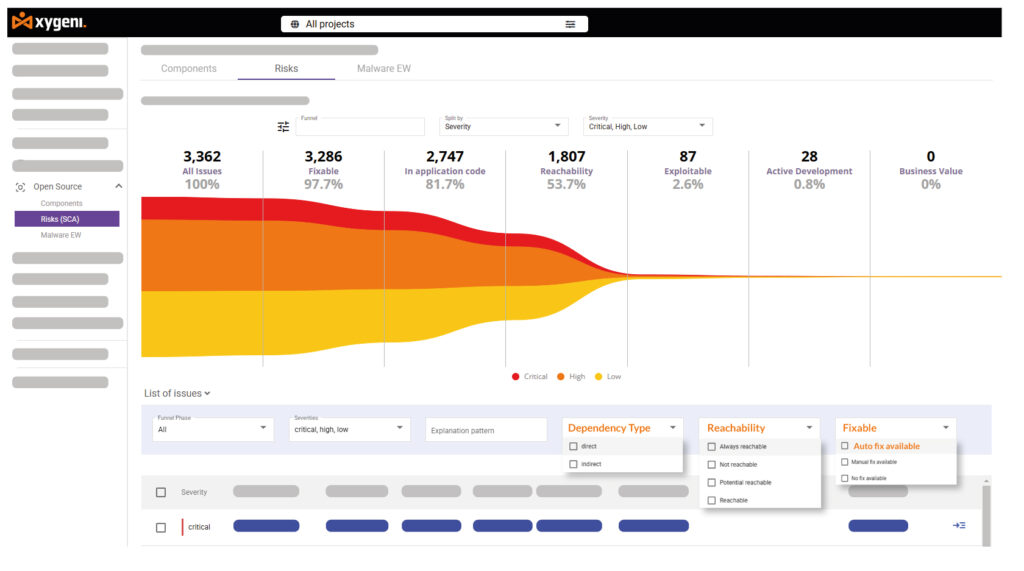
- Zastosowanie Punktacja EPSS i analiza osiągalności spriorytetyzować ryzyka, które można wykorzystać w kwestiach mniej istotnych.
- Zredukować czujne zmęczenie poprzez filtrowanie ostrzeżeń o niskim wpływie na bezpieczeństwo.
5. Monitoruj anomalie w czasie rzeczywistym
Zagrożenia bezpieczeństwa nie kończą się wraz z wdrożeniem kodu —kluczem jest ciągły monitoring.
- Zastosowanie wykrywanie anomalii w czasie rzeczywistym do śledzenia nieautoryzowanych zmian w CI/CD pipelinei konfiguracje chmur.
- Złap i naprawić luki w zabezpieczeniach zanim doprowadzą do naruszenia.
Czym jest EPSS i dlaczego jest to ważne
Nie każda luka w zabezpieczeniach stanowi realne zagrożenie, a zespoły odpowiedzialne za bezpieczeństwo nie są w stanie naprawić wszystkiego na raz. System oceny przewidywania exploitów (EPSS) pomaga w ustalaniu priorytetów w zakresie luk w zabezpieczeniach na podstawie możliwości ich wykorzystania w świecie rzeczywistym, zapewniając, że zespoły skupiają się na atakach o największym prawdopodobieństwie wystąpienia.
- Jak To Działa: Zamiast traktować wszystkie luki w ten sam sposób, EPSS przypisuje wynik ryzyka w oparciu o rzeczywiste trendy eksploatacji luk. Dzięki temu zespoły mogą najpierw napraw krytyczne problemy zanim atakujący je wykorzystają.
- Dlaczego jest to przydatne: W związku z pojawianiem się codziennie tysięcy nowych luk w zabezpieczeniach EPSS filtruje niepotrzebne alerty aby zespoły mogły skup się na kwestiach wysokiego ryzyka zamiast tracić czas na mniej istotne zagrożenia.
- Jak Xygeni z tego korzysta: Aby ulepszyć EPSS, Xygeni upewnia się, że uwzględniono analizę dostępności, zapewniając zespołom napraw tylko podatne na wykorzystanie luki jednocześnie unikanie alertów o niskim wpływie.
Korzystając z EPSS, Xygeni pomaga zespołom ds. bezpieczeństwa i DevOps rozwiązywać właściwe problemy szybciej i mądrzej.
Narzędzia do testowania bezpieczeństwa aplikacji Xygeni
W Xygeni wierzymy, że bezpieczeństwo powinno upoważniać rozwoju, a nie go spowalniać. Nasze Rozwiązania w zakresie testowania bezpieczeństwa aplikacji są zbudowane dla szybkość, dokładność i bezproblemowa integracja DevOpsOto co wyróżnia Xygeni:
- Najlepsze w swojej klasie SAST – Wykrywaj luki w zabezpieczeniach przed uruchomieniem kodu i naprawiać problemy bezpieczeństwa na wczesnym etapie, aby zmniejszyć zadłużenie techniczne.
- Inteligentny SCA – Monitoruj zależności open-source w czasie rzeczywistym, zapobiegając atakom na łańcuch dostaw.
- Bezproblemowa integracja DevOps – Działa z Jenkins, Akcje GitHub, GitLab CI/CD, Bitbucket Pipelines i Azure DevOps do automatycznego skanowania bezpieczeństwa.
- Inteligentne ustalanie priorytetów, a nie hałas – Analiza wyników EPSS i dostępności zapewnia zespołom napraw to, co ważne, a nie fałszywe alerty.
- Szybsze naprawy dzięki automatyzacji – Wskazówki dotyczące naprawy przyspieszają rozwiązanie problemu, utrzymanie produktywności programistów.
Dzięki Xygeni zespoły tworzenie bezpiecznego oprogramowania bez komplikacji—więc mogą wysyłaj szybciej i pewniej.
Wnioski: Inteligentniejsze zabezpieczenia w testach bezpieczeństwa aplikacji
Bezpieczeństwo w rozwoju oprogramowania to nie tylko znajdowanie luk w zabezpieczeniach, ale także ich skuteczne usuwanie bez spowalniania procesu wydawniczego. Stosując odpowiednie rodzaje testów bezpieczeństwa aplikacji i najlepsze praktyki w zakresie testowania bezpieczeństwa w rozwoju oprogramowania, zespoły mogą sprawić, że bezpieczeństwo stanie się płynnym elementem ich procesu pracy.
Do uprościć bezpieczeństwo bez kompromisów, zespoły powinny:
- Wczesna integracja zabezpieczeń aby zapobiegać powstawaniu luk w zabezpieczeniach zanim staną się kosztowne.
- Zautomatyzuj bezpieczeństwo w CI/CD pipelines wychwytywać problemy przed wdrożeniem.
- Monitoruj zależności w SCA aby uniknąć ryzyka w łańcuchu dostaw.
- Skup się na rzeczywistych zagrożeniach za pomocą EPSS i analiza osiągalności.
- Testowanie interfejsów API i infrastruktury stale w celu zapobiegania lukom w zabezpieczeniach.
At Xygeni, bezpieczeństwo nadąża za DevOps—szybkie, wydajne i stworzone z myślą o nowoczesnych zespołach programistycznych.
Chcesz zabezpieczyć swoje oprogramowanie bez przeszkód? Skontaktuj się z Xygeni już dziś i udoskonal swoją strategię bezpieczeństwa.