






The Growing Importance Of Online Privacy In The Digital Age
It’s an undeniable truth that the world has become deeply digitized. Global users are connected through advanced platforms that run nonstop. Similarly, businesses now heavily depend on software, applications, and other AI-powered models to manage daily operations. These systems handle large amounts of data every second, often without being noticed. While these continuous advancements increase convenience and connectivity, they also amplify online privacy risks. Crucially, many of these risks stem not from user behavior, but from weak application security and insecure software delivery practices. When security is not embedded into how applications are built, deployed, and maintained, privacy gaps emerge silently across systems and platforms.
That’s exactly what this article focuses on. We’ll shed light on the most common threats to digital security today and examine how inadequate application security and modern delivery pipelines contribute to growing privacy exposure.
Above all, you’ll learn why building protection into applications matters more than ever and what contributes to the modern safety requirements. So, let’s set off on this highly informative journey.
Common Digital Privacy Threats Necessitating Security
Online privacy problems rarely start with users. They begin inside applications, platforms, and systems that handle data at scale. When privacy controls are weak at the development level, attackers exploit them and pose various threats to digital information security. Below are the most common threats to data safety that necessitate protection.
Identity Theft
This is the most common threat to digital privacy. While it may occur due to careless use of identities, it mostly happens due to weak application controls. When the data is stored without strong protection protocols, hackers can easily access and manipulate ID details and use them for fraudulent purposes. This leads to identity abuse, fraud, and loss of trust in the application itself.
The damage not only affects the individuals involved but also the credibility of the system.
Data Breaches
Another major threat to digital information security comes from data breaches. In most cases, there are two main reasons behind it:
- Poorly restricted access within applications
- The use of misconfigured or outdated systems
No matter how the data gets leaked, it can significantly impact the platform’s reputation and lead to long-term protection challenges. In addition, it can make the companies using these systems liable for compliance and operational risks.
Deepfake Spread
It’s now common to create and spread fake people, scenes, or events using AI-powered tools. These deepfakes are not only a social problem. Instead, they are a direct threat to platforms that host, process, or distribute private visual content. When applications fail to verify or monitor image and video data, deepfakes can spread quickly and at scale. Attackers use automation to upload, modify, and distribute fake visuals faster than manual review can stop them. This turns image-based abuse into a system-level failure.
Impersonation Scams
One more growing digital privacy risk is impersonation. With the details of people and businesses easily available across the web applications and resources, it’s now much easier to impersonate individuals and brands. Since many platforms lack strong identity verification and monitoring, offenders can create fake accounts that appear legitimate. This permits them to access sensitive data and swindle both companies and users.
Privacy Risks Created By Modern Software Delivery
Threats to digital privacy usually start in the system, not with users. Applications or software can have hidden weak points during development, and these gaps can quietly expose data to various risks once the software is delivered and used. Let’s understand what makes software vulnerable and how these risks can affect data safety.
Rapid Release Without Testing
Many companies rush to release software or updates without testing to meet deadlines or instant business demands. This careless approach often leaves hidden vulnerabilities in the system, which attackers can exploit later.
Third-Party Integrations
Many applications often rely on third-party integrations like tools, plug-ins, or open-source components to add features quickly. While it offers convenience, it may open the back door for attackers into the systems, especially if the integrated resource is compromised.
Cloud Storage Vulnerabilities
Storing data on cloud resources is now a common practice in software development for easy access and scalability. Undoubtedly, it makes systems more flexible, but it also introduces privacy risks by exposing stored data if storage is misconfigured or encryption is missing.
Insecure API Integrations
APIs no doubt ensure smooth connections between applications and services, but they may also raise privacy threats if not properly secured. If the API isn’t protected by strong security protocols, unauthorized access or identity abuse can occur. This risk is particularly high when integrating visual recognition APIs.
Silent Data Collection
A lot of modern software collects data quietly in the background for analytics or performance tracking. Without proper controls, this data can be exposed and accessed by unauthorized parties. Even data that seems harmless can become sensitive if offenders combine it with other information.
Unsafe Software Development
One more risk to digital privacy comes from unsafe software development. When applications are built without secure coding practices, they become more likely to leave entry holes for people with bad intentions. These vulnerabilities put sensitive data at risk and can be exploited at scale.

Application Security & DevSecOps As Digital Privacy Protectors
Protecting digital privacy doesn’t require waiting for problems to happen and taking protective actions on the spot. Instead, the most effective and smart approach is to keep an eye on security at every stage of development and mitigate potential risks before they even occur.
That’s where DevSecOps comes in to help out. It focuses on embedding protection directly into applications and ensuring vulnerabilities are caught early. Let’s learn what makes it a protective solution to minimize or eliminate data security threats.
- Built-In Security: Security is built into the app from the very beginning. By designing safety into every feature, risks are reduced, and vulnerabilities are less likely to appear later.
- Secure Development Practices: Following safe coding standards is a key part of DevSecOps. It helps developers avoid mistakes that can cause any threat to privacy.
- Automated Threat Detection: Since this secure practice focuses on early detection of risks, it includes automated threat assessment. As a result, teams can easily stop small safety issues from becoming serious problems.
- Vulnerability Management: Unlike traditional development practices, DevSecOps ensures proper vulnerability management to avoid leaving any weaknesses. By prioritizing the most critical issues first, it keeps the application and user data safe.
- Access Control & Permissions: Another way modern secure development practices protect digital privacy is by carefully controlling who can access the app and its data. Only authorized users are allowed into sensitive areas, which reduces the chance of misuse.
- Continuous Monitoring: One more area where this security-focused development technique focuses is ensuring that the application is not left unchecked at any stage. This constant monitoring doesn’t allow any privacy risk to go unnoticed.
The Role Of Visual Recognition In Privacy Protection
Visual recognition can act as an additional security signal in protecting online privacy, particularly in applications that manage identities, user-generated content, or sensitive visual data. By analyzing visual patterns, these technologies help systems detect impersonation attempts, coordinated abuse, and misuse of stolen identities at scale. When implemented correctly, visual analysis can complement existing application security controls by adding context to identity verification and monitoring processes. For example, techniques such as AI-powered reverse image search can help identify suspicious reuse of images across platforms, supporting investigations into impersonation or fraudulent activity. Used this way, visual recognition enhances detection without replacing core security mechanisms.
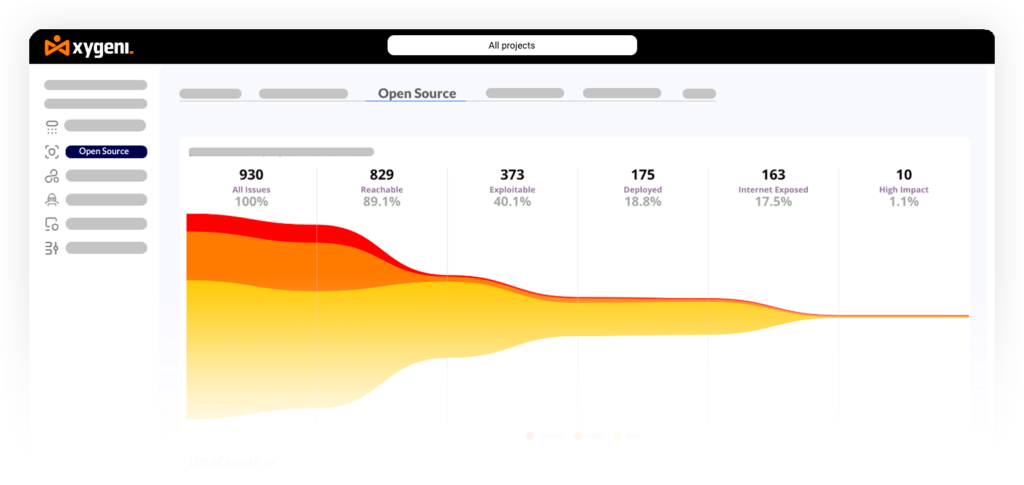
From an application security perspective, visual recognition should be treated as one layer within a broader defense-in-depth strategy. Its effectiveness depends on how well it is integrated with secure development practices, access controls, API security, logging, and continuous monitoring. This is where platforms like Xygeni play a critical role. By providing continuous visibility into application components, dependencies, and delivery pipelines, Xygeni helps teams identify weaknesses in the software supply chain that could expose sensitive data. When combined with application-level controls and contextual signals such as visual recognition, this approach enables organizations to address privacy risks earlier and more systematically in the development lifecycle.
Ultimately, protecting digital privacy requires a combination of secure software delivery, DevSecOps practices, and continuous visibility across the application lifecycle. Visual recognition technologies (including approaches like AI reverse image search) can enhance these efforts when they support, rather than substitute, strong application and software supply chain security.