

Modern software development moves fast, but security risks move faster. Without effective code scanning, vulnerabilities, malicious dependencies, exposed secrets, and insecure configurations can slip through development pipelines and reach production environments. As software supply chain attacks and AI-generated code become more common, organizations need code scanning tools capable of identifying exploitable risks early across the entire SDLC.
Traditional manual reviews and point-in-time security checks are no longer enough. Modern code scanning must continuously analyze source code, open source dependencies, CI/CD pipelines, infrastructure as code, and developer environments without slowing software delivery.
What is code scanning?
Code scanning analyzes source code, dependencies, CI/CD pipelines, secrets exposure, and software supply chain risks to identify vulnerabilities, malware, and insecure configurations before they reach production. Modern code scanning tools now extend beyond traditional SAST to include malware detection, exploitability analysis, AI-generated code security, and software supply chain protection across the SDLC.
The Risks of Skipping Code Security
Without code scanning, security risks lurk in every release:
- Bugs are bad enough—security holes are worse. A single vulnerable function could expose sensitive data.
- Last-minute security findings delay releases. Fixing an issue after deployment is harder, riskier, and more expensive.
- Compliance mandates are increasing. Security audits demand proof of secure coding practices—manual security reviews won’t cut it.
For these reasons, every DevOps team needs automated security checks baked into their pipeline to improve code security and ensure a secure development cycle.
How Code Scanning Strengthens Code Security
Catch Vulnerabilities Before They Reach Production
The earlier you detect and fix security flaws, the less damage they cause. Code scanning helps find risks before they go live, reducing the chance of an emergency patch.
Shift Left: Detect Issues Early in the CI/CD Pipeline
By integrating code scanning into your development workflow, teams can:
- Spot vulnerabilities before merging new code.
- Prevent misconfigurations before they reach production.
- Reduce security bottlenecks and release with confidence.
Automate Security Without Slowing Development
With the right code scanning tools, security checks run in the background—without interrupting development.
Modern Code Scanning Requires SAST, SCA, and Malware Detection
Static Code Analysis (SAST): Your First Line of Defense
SAST scans source code for vulnerabilities before execution. Think of it as a grammar checker for security flaws—detecting SQL injections, hardcoded credentials, and more.
Software Composition Analysis (SCA): Managing Open Source Risks
Most applications rely on third-party libraries. If an open-source dependency contains a known vulnerability, SCA helps identify and remediate the issue before attackers exploit it.
Malware Detection: The X-Factor in Code Security
Modern code scanning must also address the risks introduced by AI-generated code and autonomous development workflows. AI coding assistants can introduce insecure patterns, hallucinated dependencies, exposed secrets, and vulnerable code paths at machine speed. Effective code scanning now requires visibility across AI-generated code, developer environments, CI/CD pipelines, and software supply chain components.
Unlike standard code scanning, Xygeni also includes malware detection—helping DevOps teams:
- Detect supply chain attacks hidden inside dependencies.
- Identify trojanized packages before they reach production.
- Prevent attackers from injecting malicious payloads into CI/CD pipelines.

Why Modern DevOps Teams Need AI-Aware Code Scanning
Code Scanning Tools Should Be Fast and Developer-Friendly
DevOps teams need security tools that keep up with fast deployments. However, if a code checker is slow or overly complex, it leads to delays, frustration, and ignored alerts. Consequently, security gets deprioritized, and vulnerabilities slip through the cracks.
Low False Positives = More Time for Real Fixes
Unlike traditional code scanning tools that rely mainly on published CVEs or known signatures, Xygeni identifies malicious packages and suspicious software supply chain activity before official advisories exist.
Too many security tools flag every possible issue, creating unnecessary noise. As a result, developers waste time investigating false positives instead of fixing actual security flaws. Therefore, an effective code scanning solution should:
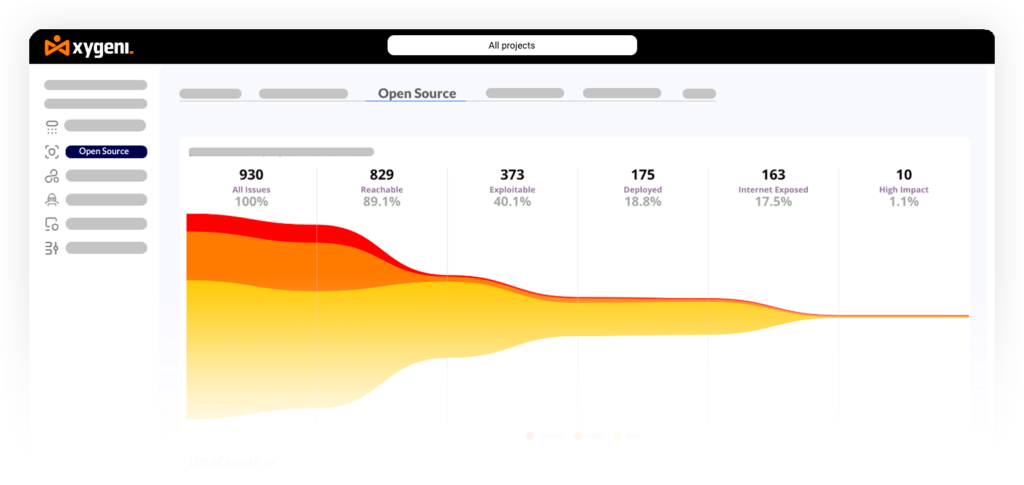
- Reachability Analysis to reduce noise by focusing only on exploitable vulnerabilities
- Prioritize security flaws based on real-world impact.
- Provide actionable insights that developers can quickly address.
By minimizing false positives, DevOps teams can streamline their workflow, ensuring that time is spent on real security risks, not unnecessary alerts.
Seamless CI/CD Integration = Less Friction, More Shipping
For DevOps teams to fully embrace code security, tools must fit naturally into existing development pipelines. Therefore, an effective code checker should integrate directly into:
- GitHub Actions – Automate security checks at every pull request.
- GitLab CI/CD – Scan code before merging to prevent vulnerabilities.
- Jenkins – Ensure security checks run alongside automated builds.
- Bitbucket Pipelines – Embed security into every stage of development.
- Cloud environments – Protect applications running across AWS, Azure, and GCP.
By integrating code scanning into existing CI/CD workflows, security becomes a seamless part of development rather than a disruptive bottleneck. Consequently, teams can build, test, and deploy with confidence—without slowing down innovation.
Why Xygeni Code Scanning Stands Out
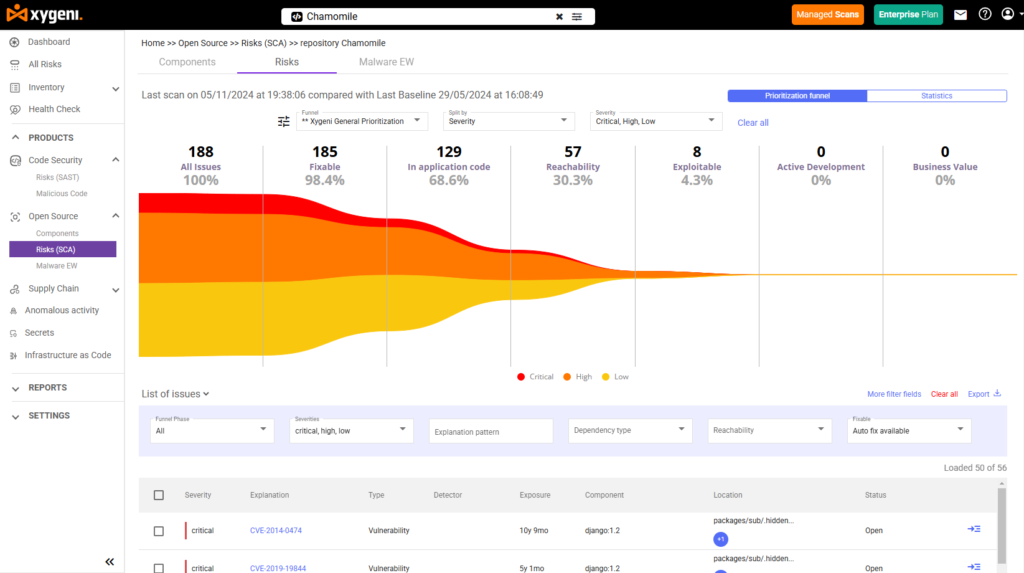
Most code scanning tools were designed for traditional software development environments focused mainly on static vulnerabilities and known CVEs. Modern attacks now target AI-generated code, malicious packages, CI/CD pipelines, developer environments, and software supply chain workflows. Xygeni extends code scanning beyond traditional SAST by combining vulnerability detection, malware analysis, exploitability prioritization, secrets scanning, and AI-aware software supply chain security across the entire SDLC. This enables organizations to adopt a Zero Trust approach for securing both human-written and AI-generated software development workflows.
What Makes Xygeni Different?
AI-Aware Code Scanning – Analyze proprietary code, open source dependencies, AI-generated code, and software supply chain risks across the SDLC.
Malware Early Warning (MEW) – Detect malicious packages, obfuscated payloads, and suspicious behaviors before official malware signatures or CVEs exist.
AI-Powered Prioritization – Reduce alert fatigue using reachability analysis, exploitability scoring, EPSS, and business context.
DevAI + Shield – Extend code scanning into IDEs, AI copilots, MCP-connected tooling, developer endpoints, and agentic workflows.
Seamless CI/CD Integration – Integrate directly into GitHub, GitLab, Jenkins, Bitbucket, and cloud-native pipelines.
AutoFix Remediation – Generate secure pull requests and remediation guidance automatically.
Low False Positives – Focus developers on exploitable vulnerabilities instead of noisy findings.
By integrating Xygeni’s code scanning, DevOps teams secure their pipelines without adding complexity—ensuring fast, risk-free deployments without last-minute security surprises.
How to Implement Code Scanning in Your Workflow
A well-integrated code scanning process strengthens code security while keeping development fast and efficient. By using an automated code checker, DevOps teams can detect security issues early and prevent vulnerabilities from reaching production. The key is to make security a seamless part of your workflow rather than an afterthought. Here’s how to get started:
Step 1: Choose a Code Scanning Tool That Fits Your Stack
First, selecting the right code checker is essential. It should integrate effortlessly with your existing CI/CD pipeline, support your programming languages, and provide accurate security insights. Additionally, a strong code security tool should:
- Work seamlessly with GitHub, GitLab, Jenkins, and other CI/CD platforms.
- Support multiple programming languages to match your stack.
- Offer real-time scanning and instant feedback to avoid slowing down development.
By choosing a tool that fits your workflow, teams can automate security without disrupting productivity.
Step 2: Automate Security in Your CI/CD Pipeline
Security should be continuous, not an afterthought. Therefore, automating code scanning at every stage of development helps catch issues before they become serious threats. Specifically, teams should:
- Set up automated scans for every pull request, merge, and deployment.
- Leverage real-time vulnerability analysis to detect and remediate risks before release.
- Use code security policies to enforce best practices throughout the pipeline.
With automation, security becomes a proactive process rather than a last-minute fix.
Step 3: Prioritize & Remediate Security Issues Efficiently
Not every security issue demands immediate attention. Consequently, prioritizing vulnerabilities based on risk ensures that developers focus on critical threats first rather than being overwhelmed by excessive alerts. A well-structured code scanning approach helps teams:
- Implement EPSS (Exploit Prediction Scoring System) to rank vulnerabilities based on real-world exploitability.
- Use reachability analysis to determine whether a vulnerability is actively used in production.
- Reduce false positives to eliminate unnecessary distractions for developers.
As a result, teams can fix high-risk vulnerabilities efficiently without wasting time on minor issues.
Step 4: Monitor & Improve Code Security Over Time
Security is never a one-time task. Instead, it requires continuous monitoring and refinement. To maintain strong code security, teams should:
- Set up real-time dashboards to track security posture across all applications.
- Configure automated alerts to notify teams of critical security risks.
- Provide ongoing security training to help developers recognize and prevent vulnerabilities.
By embedding code scanning, code security, and a reliable code checker into development workflows, teams can release software confidently while keeping security top of mind.
The Bottom Line: Why Code Scanning Must Evolve for the AI-Era SDLC
Modern software development is increasingly AI-assisted. Developers now rely on coding copilots, autonomous agents, AI-generated dependencies, and machine-driven workflows across the SDLC. As a result, traditional code scanning approaches focused only on static vulnerabilities are no longer enough.
Modern code scanning must provide visibility into:
- AI-generated code risks
- Malicious dependencies and supply chain attacks
- CI/CD pipeline abuse
- Secrets exposure
- AI-connected developer environments
- Exploitable vulnerabilities across the SDLC
Organizations now need AI-aware code scanning capable of securing both human-written and AI-generated software at development speed.
Start securing your AI-era SDLC with Xygeni. Scan code, dependencies, CI/CD pipelines, AI-generated risks, and software supply chain threats from a single AI-aware AppSec platform.