

Almost every week, our malware detection systems scan thousands of new and updated packages across public registries like npm and PyPI. This week was no exception.
We confirmed over 130 malicious packages between June 7 and June 12, 2026, predominantly across npm, with additional cases in PyPI. Several appeared in coordinated clusters, repeated malicious releases published under the same names or across closely related package families.
The standout case this week was sensivity, which flooded npm with over 40 versioned releases across the 2.5.x range, confirmed across multiple days. Other notable clusters included a wave of @solana-labs typosquats targeting the Solana ecosystem (web3.js, web3-js, etherjs, spl-toke, ancor, web3js — across two separate publishing campaigns on Jun 7 and Jun 8), the @nstrlabs family (sdk, ixel, utils, shared-components, api-client, auth — dependency confusion attack against an internal package namespace), the @klapp-login-platform group (native-sdk, oidc, routes — impersonating an authentication platform), internallib_v557 and internallib_v984 (multiple versions of obfuscated internal library impostors), pocteszep (6 versions published on Jun 11), and a cluster of crypto and Web3 utilities including blockchain-helper-0, ethereum-kit-1, ethereum-kit-9, crypto-utils-7, wallet-sdk-9, defi-tools-39, swap-sdk-87, and farming-tools-12. The morningstar-design-system package appeared in three versions on Jun 10, impersonating a well-known financial design system. In PyPI, helixagentai, telegramlite, and cdjeez were confirmed across the week.
These were not isolated anomalies. What stood out this week was the concentration of dependency confusion attacks against internal package namespaces, the sustained multi-day publishing of the sensivity cluster, and the continued targeting of Web3 and Solana tooling, a pattern that has accelerated significantly in 2026.
This weekly snapshot is part of our ongoing Malicious Code Digest, where we validate new threats and provide actionable intelligence to help DevSecOps teams protect their pipelines before damage occurs.
Let’s break down what we found this week and why it matters.
Don’t Let Malicious Packages Reach Production
The packages your teams depend on are increasingly being used as an entry point. Xygeni Early Malware Detection monitors registries in real time, so threats like the ones in this week’s digest are blocked before they ever reach your builds.
This week’s findings are a reminder that the tactics are getting more deliberate. Version flooding, namespace impersonation, and multi-day coordinated campaigns are not edge cases anymore, they are standard attacker playbook. One-time scans and manual audits cannot keep pace with campaigns that publish dozens of versions across multiple days and registries simultaneously.
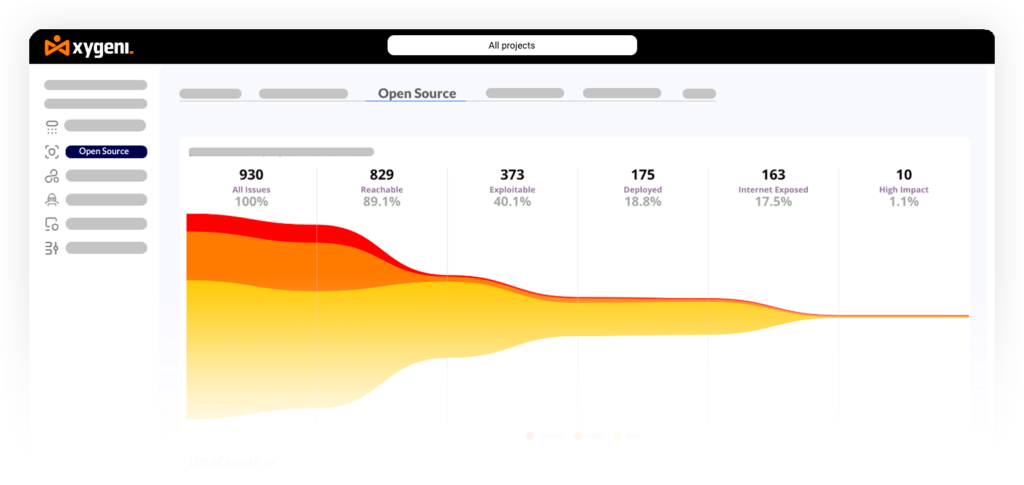
Xygeni’s Open Source Security solution gives your DevSecOps teams continuous visibility across npm, PyPI, and beyond,detecting harmful packages at the moment of publication, prioritizing what poses real exploitable risk, and shortening the path from detection to remediation. So your teams can ship fast without compromising on security.