
Įvadas: Kodėl svarbus programų saugumo testavimas
Jei kuriate programinę įrangą, programinės įrangos kūrimo saugumas nėra tik priedas – tai būtina. Kadangi kibernetinės grėsmės kasdien kinta, programų saugumo testavimas atlieka labai svarbų vaidmenį anksti nustatant pažeidžiamumus ir užtikrinant saugesnį programinės įrangos kūrimą. Tačiau Problemų nustatymas yra tik pusė darbo. Dar svarbiau, kaip juos pataisai? Norėdami į tai atsakyti, išnagrinėsime skirtingus programų saugumo testavimo tipai, geriausia saugumo testavimo praktika programinės įrangos kūrimo srityje ir ištaisymo strategijos tai padės jums efektyviai siųsti saugų kodą.
Programų saugumo testavimo tipai
Programinės įrangos kūrimo saugumui reikalingas daugiau nei vienas testavimo metodas. Programų apsauga nėra universalus procesas. Vietoj to, įvairūs programų saugumo testavimo metodai padeda atskleisti pažeidžiamumus skirtingais lygmenimis. programinės įrangos kūrimo gyvavimo ciklo etapai (SDLC).
Derindamos šiuos saugumo metodus, komandos gali sustiprinti programas, sumažinti saugumo riziką ir užkirsti kelią pažeidžiamumams, kol užpuolikai jų nepasinaudos. Kiekvienas metodas atlieka unikalų vaidmenį užtikrinant programinės įrangos apsaugą nuo kodo kūrimo iki diegimo.
Atidžiau panagrinėkime efektyviausius programų saugumo testavimo tipus ir kaip jie padeda komandoms kurti saugesnę programinę įrangą.
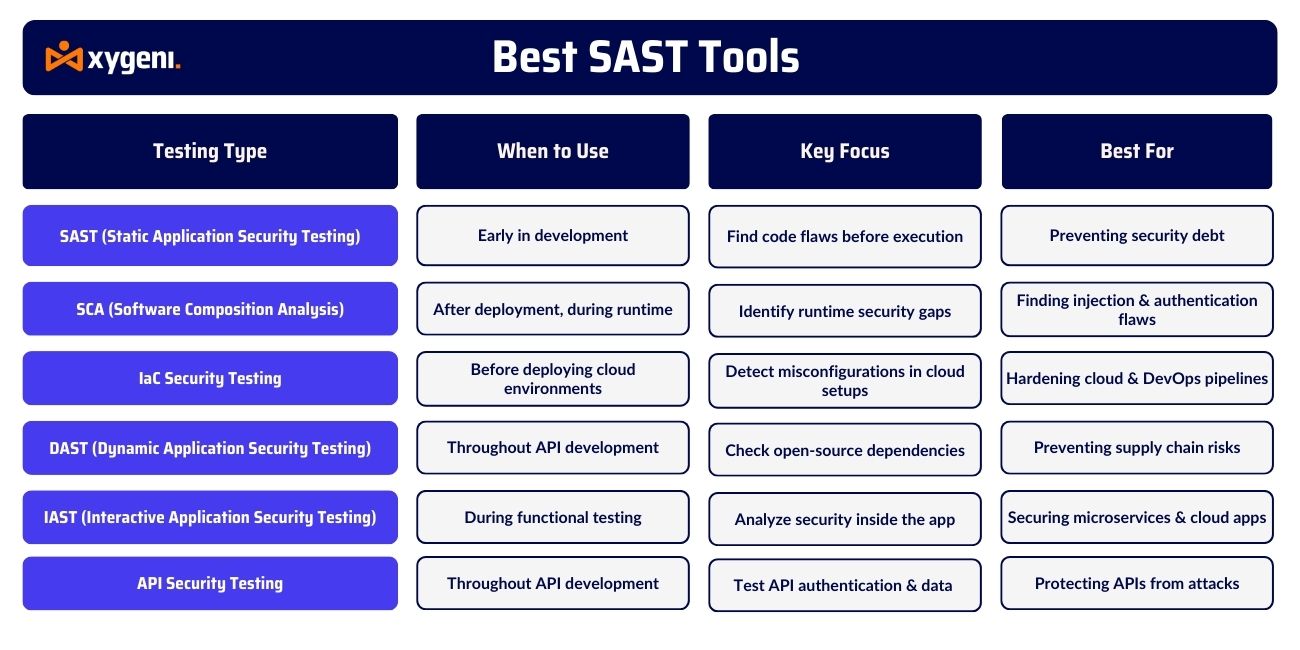
1. Programinės įrangos sudėties analizė (SCA)
Be patentuoto kodo analizės, šiuolaikinės programos labai priklauso nuo atvirojo kodo bibliotekų. Nors šie komponentai gali būti naudingi, jie gali kelti saugumo grėsmių. Štai kur... Programinės įrangos sudėties analizė ateina – tai padeda komandoms nuolat stebėti trečiųjų šalių priklausomybes, ar nėra pažeidžiamumų ir licencijavimo problemų.
Kada naudoti: Nuolat, visoje SDLC.
Kaip tai veikia: Skenuoja atvirojo kodo priklausomybes, ieškodama žinomų pažeidžiamumų ir pasenusių komponentų.
Geriausiai tinka: Tiekimo grandinės atakų prevencija ir saugumo reikalavimų laikymosi užtikrinimas standards.
2. Statinis programų saugumo testavimas (SAST)
Visų pirma, labai svarbu anksti nustatyti saugumo spragas kūrimo stadijoje. SAST leidžia kūrėjams nustatyti pažeidžiamumus dar prieš vykdant kodą, užtikrinant, kad problemos būtų išspręstos, kol jos netapo brangiomis problemomis.
Kada naudoti: Ankstyvasis kūrimo etapas (saugumas perjungiamas į kairę).
Kaip tai veikia: Skenuoja kodą prieš vykdymą, aptikdamas pažeidžiamumus šaltinio, baitiniame kode ar dvejetainiuose failuose.
Geriausiai tinka: Kodo lygio trūkumų nustatymas prieš diegimą.
3. Infrastruktūra kaip kodas (IaC) Saugumo testavimas
Sparčiai diegiant debesijos aplinkas, infrastruktūros konfigūracijų apsauga yra tokia pat svarbi kaip ir programos kodo apsauga. IaC security Testavimas užtikrina, kad prieš diegimą būtų aptiktos ir ištaisytos neteisingos konfigūracijos.
Kada naudoti: Prieš diegiant debesijos aplinkas.
Kaip tai veikia: Skenuoja Terraform, Debesų susidarymas, Kubernetesir dokininkas failai dėl saugumo rizikų.
Geriausiai tinka: Saugių debesijos pagrindu veikiančių programų ir „DevOps“ užtikrinimas pipelines.
4. Dinaminis programų saugumo testavimas (DAST)
skirtingai nuo SAST, kuris analizuoja statinį kodą, DAST taiko kitokį požiūrį testuojant programas joms veikiant. Imituojant realaus pasaulio atakas, PASKUTINĖ nustato saugumo spragas, kurios atsiranda tik vykdymo metu.
Kada naudoti: Po diegimo, vykdymo metu.
Kaip tai veikia: Atakuoja programėlę kaip įsilaužėlis, aptikdamas saugumo spragas realioje aplinkoje.
Geriausiai tinka: Injekcijos atakų, autentifikavimo trūkumų ir neteisingų konfigūracijų paieška.
5. Interaktyvus programų saugumo testavimas (IAST)
Kai kurie pažeidžiamumai gali praslysti pro statinius ir dinaminius testus. Siekiant panaikinti spragą, IAST teikia realiuoju laiku atliekamą saugumo analizę programos vykdymo metu, leisdama komandoms dinamiškai aptikti pažeidžiamumus, išsaugant kodo kontekstą.
Kada naudoti: Funkcinio testavimo metu.
Kaip tai veikia: Naudoja realiuoju laiku atliekamą programos analizę, kad nustatytų saugumo rizikas.
Geriausiai tinka: Mikropaslaugos, konteinerinės programos ir debesijos programos.
6. API saugumo testavimas
Kadangi API tampa šiuolaikinių programų pagrindu, jos vis dažniau tampa kibernetinių atakų taikiniais. API saugumo testavimas užtikrina, kad galiniai taškai būtų apsaugoti nuo neteisingos konfigūracijos ir neteisėtos prieigos.
Kada naudoti: Viso API kūrimo metu.
Kaip tai veikia: Ieško silpno autentifikavimo, netinkamų konfigūracijų ir duomenų atskleidimo.
Geriausiai tinka: Su API susijusių saugumo grėsmių ir duomenų nutekėjimo prevencija.
Geriausia programinės įrangos kūrimo saugumo testavimo praktika
Programų saugumo užtikrinimas – tai ne tik testų atlikimas – tai saugumo pavertimas natūralia kūrimo proceso dalimi. Laikydamosi šių geriausių praktikų, komandos gali anksti pastebėti pažeidžiamumus, automatizuoti saugumo patikrinimus ir sutelkti dėmesį į realių grėsmių šalinimą nesulėtindamos kūrimo.
1. Apsaugos perjungimas į kairę
Saugumas turėtų prasidėti ankstyvoje vystymosi ciklo stadijoje, ne po dislokavimo.
- paleisti SAST bei SCA nuskaito kai tik kodas bus parašytas, siekiant užkirsti kelią saugumo problemoms pasiekti produkciją.
- Suteikite kūrėjams veiksmingą grįžtamąjį ryšį kad jie galėtų pašalinti pažeidžiamumus, kol jie netapo didele grėsme.
2. Automatizuokite saugumą CI/CD Pipelines
Apsauga turėtų veikti DevOps greitis, o ne sulėtinti.
- integruoti SAST, DAST ir SCA į savo CI/CD pipelines nuskaityti kiekvieną kodą commit automatiškai.
- Paskirtis politika pagrįsti valdikliai kad būtų sustabdytas nesaugaus kodo diegimas.
3. Apsaugokite savo priklausomybes
Šiuolaikinės programos priklauso nuo atvirojo kodo programinės įrangos, o tai gali sukelti paslėptų saugumo rizikų.
- Automatizuoti SCA nuskaitymo aptikti pažeidžiamas trečiųjų šalių bibliotekas, kol jos netapo problema.
- pašalinti pasenusios priklausomybės ir pleistrus klijuoti, kai tik jie atsiranda.
4. Pažeidžiamumų prioritetizavimas pagal riziką
Ne visi pažeidžiamumai yra vienodi – sutelkite dėmesį į tai, ką ištaisote iš tikrųjų svarbu.
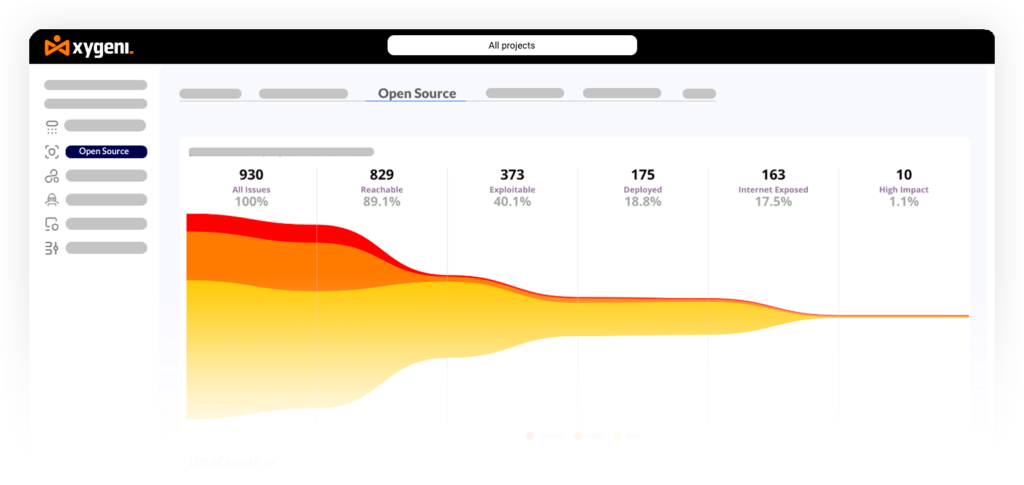
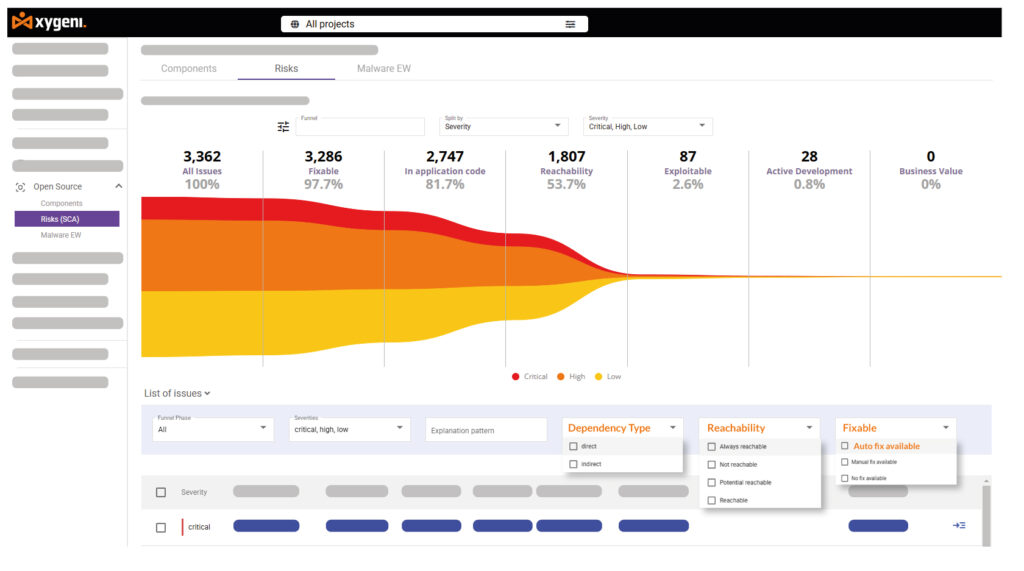
- Paskirtis EPSS vertinimas ir pasiekiamumo analizė teikti pirmenybę išnaudojamos rizikos dėl nedidelių problemų.
- Sumažinti budrus nuovargis filtruojant mažo poveikio saugumo įspėjimus.
5. Stebėkite anomalijas realiuoju laiku
Saugumo grėsmės nesibaigia, kai diegiamas kodas –nuolatinis stebėjimas yra labai svarbus.
- Paskirtis anomalijų aptikimas realiuoju laiku sekti neleistinus pakeitimus CI/CD pipelineir debesies konfigūracijos.
- Pagauk ir ištaisyti saugumo dreifus prieš jiems sukeldami pažeidimą.
Kas yra EPSS ir kodėl tai svarbu
Ne kiekvienas pažeidžiamumas yra reali grėsmė, ir saugumo komandos negali visko ištaisyti iš karto. Išnaudojimo prognozavimo vertinimo sistema (EPSS) padeda suskirstyti pažeidžiamumus pagal jų išnaudojimo galimybes realiame pasaulyje, užtikrinant, kad komandos sutelktų dėmesį į labiausiai tikėtinas atakas.
- Kaip tai veikia: Užuot visus pažeidžiamumus traktavus vienodai, EPSS priskiria rizikos balas remiantis faktinėmis spragų išnaudojimo tendencijomis. Todėl komandos gali pirmiausia išspręskite kritines problemas prieš užpuolikams jais pasinaudojant.
- Kodėl tai naudinga: Kasdien atsirandant tūkstančiams naujų pažeidžiamumų, EPSS filtruoja nereikalingus įspėjimus kad komandos galėtų sutelkti dėmesį į didelės rizikos problemas užuot gaišus laiką smulkiems grasinimams.
- Kaip „Xygeni“ tai naudoja: Siekiant pagerinti EPSS, „Xygeni“ užtikrina, kad būtų įtraukta pasiekiamumo analizė, suteikiant komandoms taisyti tik išnaudojamas spragas o vengiant mažo poveikio įspėjimų.
Naudodama EPSS, „Xygeni“ padeda saugumo ir „DevOps“ komandoms išspręsti tinkamas problemas – greičiau ir sumaniau.
„Xygeni“ programų saugumo testavimo įrankiai
„Xygeni“ įmonėje tikime, kad saugumas turėtų būti įgalioti vystytis, o ne ją stabdyti. Mūsų Programų saugumo testavimo sprendimai yra pastatyti greitis, tikslumas ir sklandi DevOps integracijaŠtai kuo „Xygeni“ išsiskiria:
- Geriausias klasėje SAST – Aptikti pažeidžiamumus prieš paleidžiant kodą ir anksti išspręsti saugumo problemas, siekiant sumažinti techninę skolą.
- Protingas SCA – Stebėti atvirojo kodo priklausomybes realiu laiku, užkertant kelią tiekimo grandinės atakoms.
- Nesudėtinga „DevOps“ integracija – Dirba su Jenkins, „GitHub“ veiksmai, „GitLab“ CI/CD, „Bitbucket“ Pipelineir „Azure DevOps“ automatiniams saugumo nuskaitymams.
- Išmanus prioritetų nustatymas, o ne triukšmas – EPSS vertinimas ir pasiekiamumo analizė užtikrina, kad komandos ištaisykite tai, kas svarbu, o ne klaidingus įspėjimus.
- Greitesni taisymai naudojant automatizavimą – Taisomųjų gairių teikimas paspartina problemos sprendimą, kūrėjų produktyvumo palaikymas.
Su „Xygeni“ komandos kurti saugią programinę įrangą be sudėtingumo– kad jie galėtų siųsti greičiau, užtikrintai.
Išvada: išmanesnis programų saugumo testavimas
Programinės įrangos kūrimo saugumas – tai ne tik pažeidžiamumų paieška, bet ir efektyvus jų taisymas nesulėtinant išleidimo. Naudodamos tinkamus programų saugumo testavimo tipus ir geriausią programinės įrangos kūrimo saugumo testavimo praktiką, komandos gali paversti saugumą vientisa savo darbo eigos dalimi.
Iki supaprastinkite saugumą be kompromisų, komandos turėtų:
- Ankstyva saugumo integracija siekiant užkirsti kelią pažeidžiamumui, kol jis netaps brangus.
- Automatizuoti apsaugą CI/CD pipelines pastebėti problemas prieš dislokavimą.
- Stebėjimo priklausomybės su SCA siekiant išvengti tiekimo grandinės rizikos.
- Dėmesys realioms grėsmėms naudojant EPSS ir pasiekiamumo analizė.
- Testavimo API ir infrastruktūra nuolat siekiant išvengti saugumo spragų.
At „Xygeni“ ir saugumas neatsilieka nuo „DevOps“—greitas, efektyvus ir sukurtas šiuolaikinėms kūrimo komandoms.
Norite apsaugoti savo programinę įrangą be kliūčių? Susisiekite su „Xygeni“ šiandien ir pakelkite savo saugumo strategiją į aukštesnį lygį.