What is Threat Surface? Threat surface is the total set of assets, systems, identities, repositories, pipelines, cloud resources, secrets, and third-party connections that an attacker can target. In formal cybersecurity language, the closest standard term is attack surface. NIST defines attack surface as the set of points where an attacker can try to enter, cause an effect, or extract data from a system or environment.
In simple terms, What is Threat Surface really means this: every exposed point in your organization creates potential risk. That risk may come from internet-facing apps, cloud misconfigurations, weak access controls, exposed secrets, vulnerable open-source packages, or insecure CI/CD workflows. CISA training materials also describe attack surface as the collection of exposed entry points that a threat actor may exploit.
What is Threat Surface in cybersecurity? #
In cybersecurity, What is Threat Surface refers to the practical footprint of exposure across your digital environment. It includes everything that expands the number of ways an attacker can gain access, move laterally, steal data, or tamper with systems and software delivery.
Today, that surface is much larger than the traditional network perimeter. It now includes cloud assets, source code platforms, software dependencies, build systems, APIs, containers, identities, and automation workflows. This is why modern AppSec teams need visibility from code to cloud, not just endpoint coverage. NIST’s definition supports that broader view by focusing on all reachable points where attackers can act against a system or environment.
Why threat surface matters #
Threat surface matters because every new repository, integration, credential, dependency, or exposed service increases the number of opportunities for an attacker. A larger and less visible threat surface makes prioritization harder and remediation slower. CISA emphasizes that broader exposure increases attacker opportunities, while NIST’s definition shows that attack surface is fundamentally about reachable entry points and exploitable boundaries.
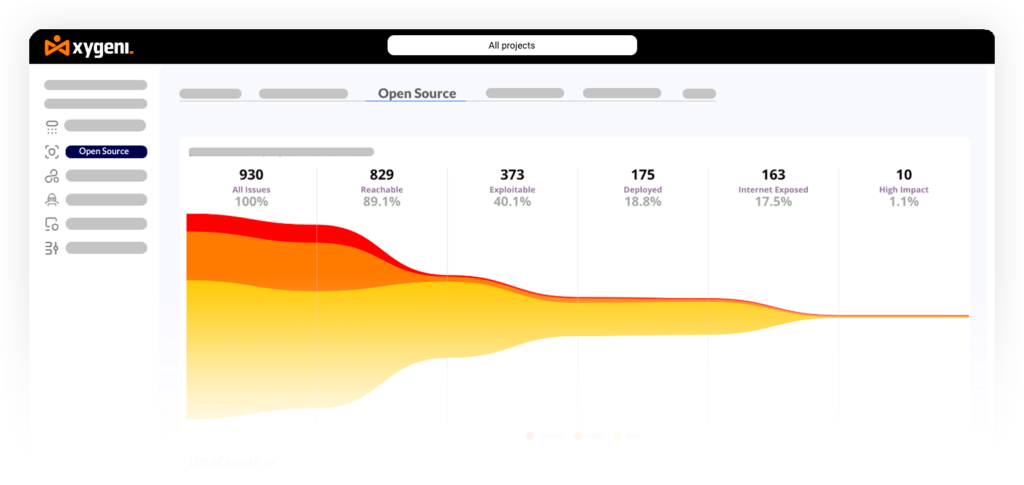
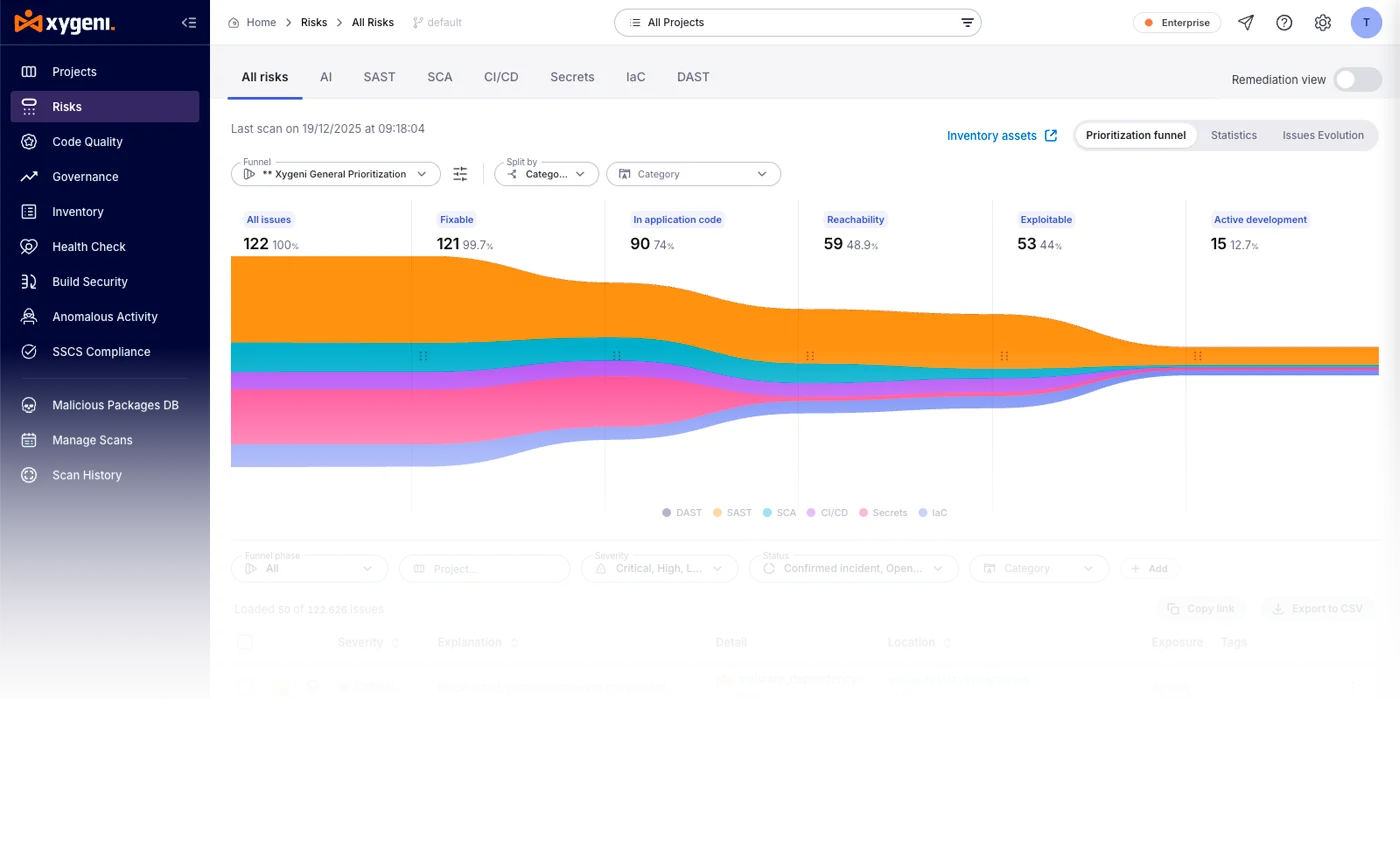
For modern software teams, the threat surface often grows faster than security teams can track it. As a result, hidden risk builds up in code, pipelines, cloud settings, and third-party software. That is where posture management and software supply chain security become essential. Xygeni positions its ASPM platform around real-time visibility, prioritization, and remediation from code to cloud.
Common parts of a threat surface #
A typical threat surface includes:
- internet-facing applications and APIs
- cloud resources and storage services
- developer identities and privileged accounts
- source control systems and CI/CD pipelines
- open-source dependencies and third-party packages
- Infrastructure as Code templates and containers
- secrets such as API keys, passwords, and tokens
These categories match the way modern development expands exposure beyond servers and laptops. As environments become more automated, the threat surface spreads across the full SDLC.
What increases the threat surface? #
Unmanaged assets #
Shadow IT, forgotten repositories, and undocumented services create blind spots. Teams cannot protect what they cannot see.
Weak identity controls #
Overprivileged users, stale accounts, and poor access governance increase the chance of misuse or compromise.
Insecure software delivery #
Unprotected branches, risky CI jobs, unsigned artifacts, and weak build controls increase exposure across the software supply chain. Xygeni’s software supply chain security content focuses on protecting the full process from coding to deployment.
Vulnerable or malicious dependencies #
Open-source packages can expand the threat surface through known vulnerabilities, typosquatting, dependency confusion, or malicious code. Xygeni’s Open Source Security pages emphasize visibility, threat detection, and remediation for these risks.
Exposed secrets #
Hardcoded credentials and leaked tokens can turn a small configuration error into a serious breach. Xygeni’s Secrets Security offering focuses on detecting exposed credentials before they reach production.
Misconfigured IaC and cloud resources #
Insecure Terraform, ARM, Kubernetes, or CloudFormation templates can expose critical systems at scale. Xygeni’s IaC Security page highlights scanning and policy enforcement for these risks.
How to reduce the threat surface #
To reduce the threat surface, organizations should continuously discover assets, remove unnecessary exposure, enforce least privilege, protect secrets, secure open-source usage, harden CI/CD workflows, and monitor for suspicious activity. CISA training on attack surface reduction centers on analyzing exposed entry points and reducing unnecessary paths attackers can exploit.
Moreover, teams should treat software delivery itself as part of the threat surface. That means securing source control, dependency management, IaC, pipelines, and build integrity together instead of in isolated tools. Xygeni’s all-in-one AppSec platform and ASPM pages reflect that code-to-cloud approach.
How Xygeni helps reduce the threat surface #
Xygeni helps organizations reduce the threat surface by improving visibility, prioritization, and remediation across the full software development lifecycle. Its platform brings together posture management, open-source security, secrets protection, IaC security, CI/CD security, and anomaly detection in one place. Xygeni describes this approach as unified risk management from code to cloud.
Here are the most relevant internal links for this topic:
- Xygeni ASPM for asset visibility, prioritization, and risk context.
- Open Source Security Tool for malicious package detection and dependency risk reduction.
- Infrastructure as Code Security for early detection of cloud and configuration risk.
- Secrets Security for finding and stopping exposed credentials.
- Anomaly Detection for spotting suspicious behavior across code, pipelines, and runtime-connected activity.
FAQ #
What is Threat Surface? #
What is Threat Surface? It is the full set of exposed systems, applications, identities, software components, and workflows that attackers may target. The closest formal term in NIST is attack surface.
Is threat surface the same as attack surface? #
Usually, yes in practical usage. However, attack surface is the more standardized term in authoritative cybersecurity references like NIST.
How do you reduce a threat surface? #
You reduce it by finding exposed assets, limiting access, protecting secrets, securing pipelines, scanning dependencies, hardening IaC, and monitoring suspicious activity. CISA materials on attack surface reduction support that general approach.
Conclusion #
It is the real-world exposure your organization presents to attackers across infrastructure, identities, software, and delivery workflows. The bigger and less visible that exposure becomes, the harder it is to defend. Therefore, security teams need continuous visibility, context-driven prioritization, and integrated protection across the SDLC. That is exactly where Xygeni’s code-to-cloud approach fits.