A cyber threat is any circumstance or event with the potential to cause harm to a system, network, or organization, through unauthorized access, disruption, destruction, or theft of data. That is the short answer to what is a cyber threat. The rest of this glossary entry unpacks the cyber threat meaning in practice: where threats come from, how they differ from related terms like vulnerabilities and attacks, and how security teams actually manage them.
Cyber Threat Meaning, in One Paragraph #
If you’re looking for the cyber threat meaning without the jargon, think of it this way: a threat is the possibility of harm, not the harm itself. A vulnerability is the weakness that makes harm possible. An attack is what happens when someone actually exploits that weakness. NIST’s official definition captures this precisely: a threat is any circumstance or event with the potential to adversely impact operations, assets, or individuals through unauthorized access, disclosure, modification, or denial of service. A cyber threat, specifically, is that same potential for harm carried out through digital systems: code, networks, cloud infrastructure, and increasingly, the software supply chain and AI tooling behind them.
Why They Still Matter in 2026 #
Asking what is a cyber threat might sound like a first-week-of-training question, but the answer has changed shape faster than most security programs have kept up with. The threat landscape organizations face today looks different from the one a five-year-old training deck describes:
- The software supply chain is now a primary target, not a side door. Malicious dependencies, compromised CI/CD pipelines, and poisoned open-source packages let attackers reach thousands of downstream organizations through a single compromised component.
- AI has become both a target and a delivery mechanism. AI-generated code can replicate insecure patterns at scale, and AI coding assistants can be tricked into pulling in packages that don’t actually exist, a technique attackers now register malware against in advance.
- Speed has outpaced review. Development teams ship many times a day; security teams can realistically review only a fraction of those changes without automation, which is exactly the gap threats are built to exploit.
Understanding what is a cyber threat today means understanding that the attack surface has moved upstream, into the code, the dependencies, and the pipelines that produce software, not just the production systems that run it.
Main Categories #
There is no single master list, but most cyber threats fall into a few recognizable categories:
- Malware. Malicious code, including viruses, worms, and ransomware, designed to damage, disrupt, or gain unauthorized access to a system.
- Social engineering. Attacks like phishing that manipulate people rather than systems into granting access or leaking information.
- Supply chain threats. Compromise introduced through a third-party dependency, package, or vendor rather than a direct attack on the target itself.
- Insider threats. Harm caused, deliberately or accidentally, by someone who already has legitimate access.
- Zero-day threats. Attacks that exploit a vulnerability before a patch or signature exists to catch them, which is exactly why signature-based detection alone cannot be the whole strategy.
For a deeper walkthrough of each category with real-world examples, see Cyber Threats Explained: The Main Types Security Teams Should Know.
Cyber Threat vs. Vulnerability vs. Risk: A Common Point of Confusion #
Part of the cyber threat meaning gets lost because the term is often used interchangeably with vulnerability and risk. They’re related, not identical:
- A vulnerability is a weakness, a flaw in code, a misconfiguration, an exposed secret.
- A threat is the potential for that weakness to be exploited.
- Risk is the combination of the two: how likely a threat is to exploit a given vulnerability, and how much damage it would cause if it did.
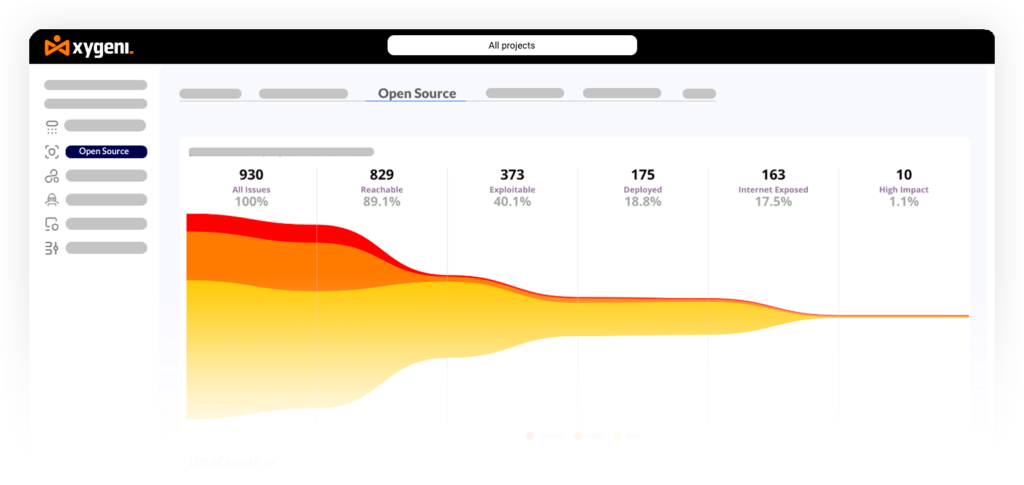
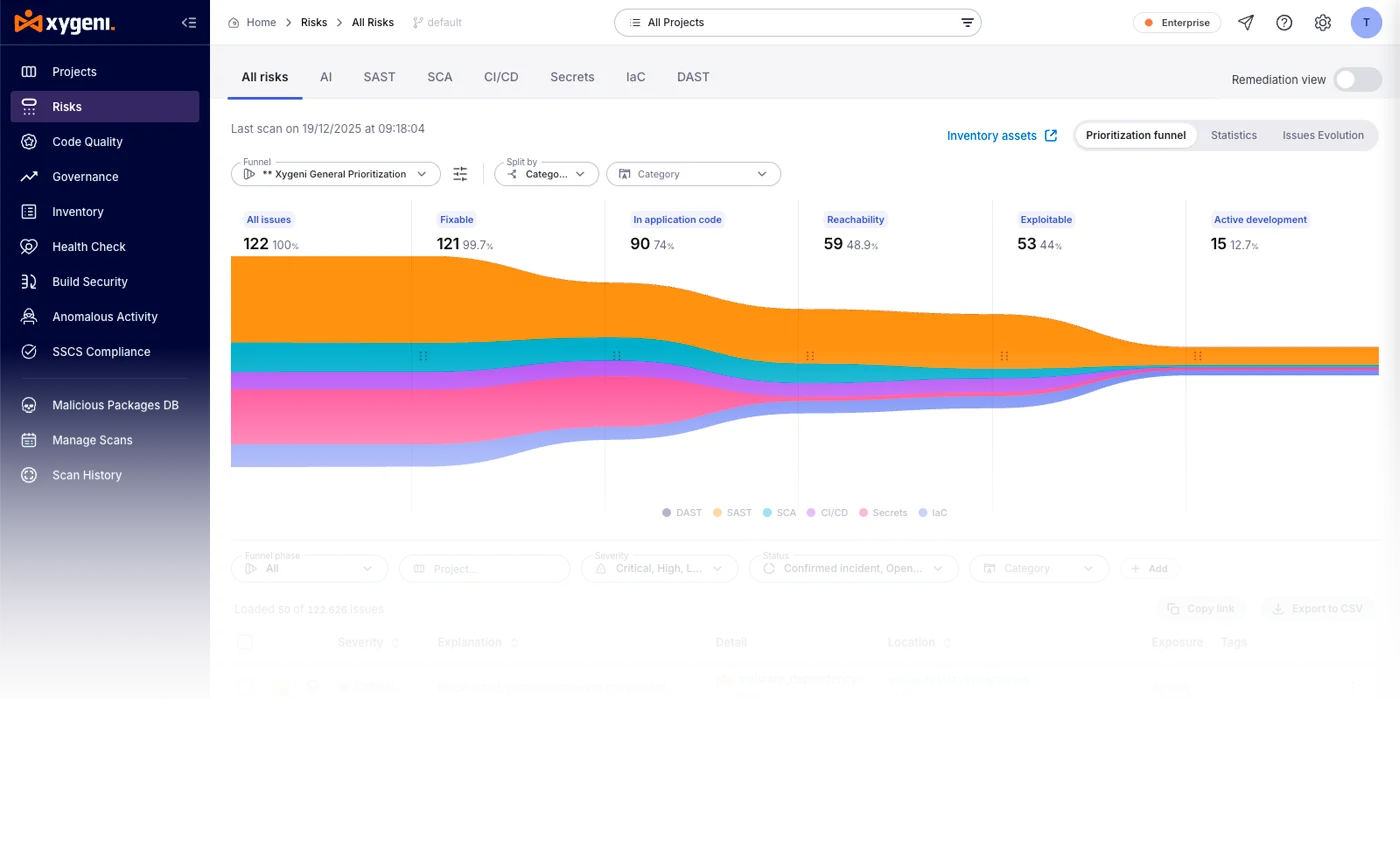
This distinction matters operationally. An organization with thousands of vulnerabilities but no realistic threat targeting them has a very different risk profile than one with a handful of vulnerabilities directly reachable by an active threat. This is exactly the reasoning behind risk-based prioritization: not every finding deserves the same urgency, and treating them as if they do is how real threats get lost in noise. For more on how AI security risks specifically extend this threat landscape, see Cybersecurity Threats and AI Security Risks.
How Organizations Actually Manage Cyber Threats #
Answering what is a cyber threat in a way that’s actionable comes down to a short sequence most mature security programs follow:
- Identify. Know what you’re protecting: code, dependencies, pipelines, and the AI tooling now woven through all three.
- Detect. Continuously scan for the vulnerabilities and behaviors threats actually exploit, not just the ones a static list happens to cover.
- Prioritize. Rank findings by real exploitability and business impact, not severity score alone.
- Remediate. Fix what matters fastest, ideally with guidance specific enough that a developer doesn’t have to investigate before they can act.
Xygeni’s AI Triage applies this model directly to findings from Xygeni’s own scanners and from third-party tools alike, cutting through alert volume to focus on what a real threat could actually reach.
FAQ #
A cyber threat is anything with the potential to cause harm to a computer system, network, or organization, whether through malware, unauthorized access, data theft, or disruption.
In an enterprise context, cyber threat meaning extends beyond individual attacks: it refers to the full landscape of actors, techniques, and vectors, including supply chain and AI-driven threats, that a security program has to account for continuously, not just react to after an incident.
No. A threat is the potential for harm; an attack is that potential being carried out. A threat can exist for years without ever becoming an attack.
A threat actor is the individual or group behind a threat, a criminal organization, a nation-state group, an insider. The threat itself is the potential harm they represent, independent of who’s behind it.
Largely yes. Supply chain threats in particular don’t discriminate by company size, since a compromised open-source package affects every organization that depends on it, regardless of how big they are.